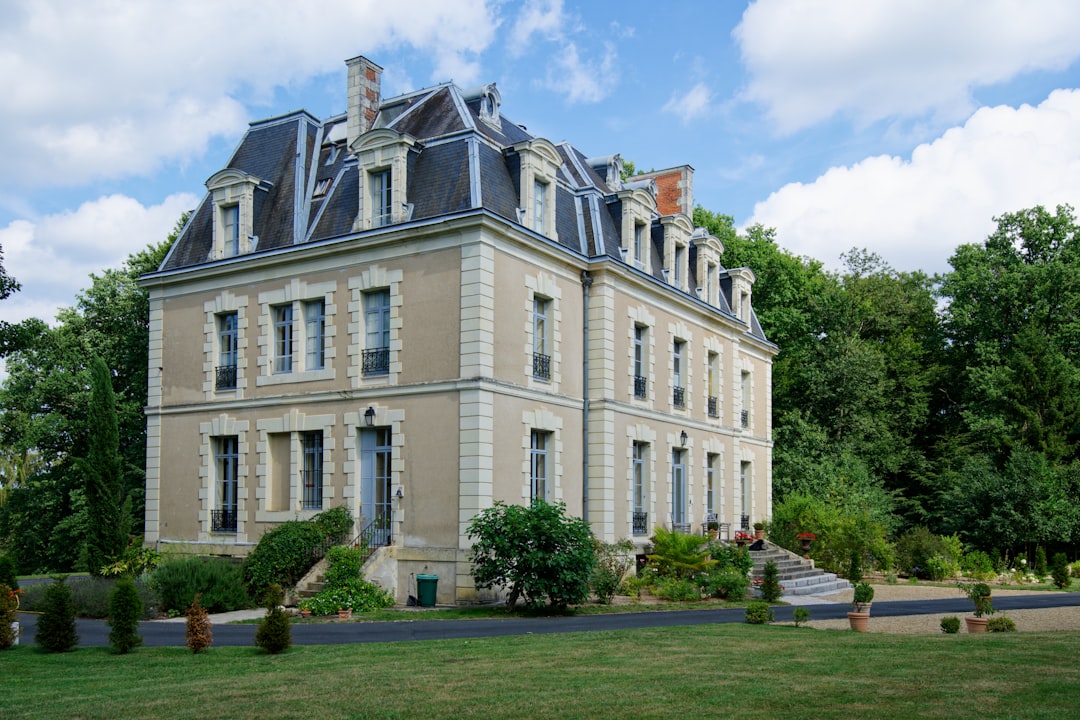
The Loire Valley is one of those rare destinations that seems custom-designed for cycling. The terrain is gentle, the distances between points of interest are manageable, the scenery is gorgeous, and every few kilometers there is either a Renaissance château, a vineyard offering tastings, or a village with a café terrace overlooking the river. France has invested heavily in dedicated cycling infrastructure here, and the result is one of Europe’s finest long-distance bike routes: the Loire à Vélo.
The Loire à Vélo Trail Network
The Loire à Vélo (Loire by Bike) is an 800-kilometer signposted cycling route that follows the Loire River from Cuffy in the interior to Saint-Brevin-les-Pins on the Atlantic coast. The route uses a combination of dedicated bike paths, quiet country lanes, and riverside towpaths, and it is almost entirely flat or gently undulating — this is river-valley cycling, not mountain climbing. The signposting is excellent: green-and-white markers guide you along the entire route, and you would have to make a deliberate effort to get lost.
Most visitors focus on the central section between Orléans and Angers, a stretch of roughly 250 kilometers that passes the greatest concentration of châteaux and the most picturesque stretches of river. This is comfortably rideable in five to seven days, with daily distances of 30 to 50 kilometers that leave plenty of time for sightseeing, wine tasting, and long lunches — which is, after all, rather the point.
The Châteaux: A Renaissance Hit Parade
The Loire Valley contains over 300 châteaux, but a handful stand above the rest and are essential stops on any cycling itinerary. Chambord is the most famous and the most extravagant: a fantasy of 440 rooms, 84 staircases, and 365 fireplaces, built as a hunting lodge for François I and never fully completed. Its double-helix staircase, possibly designed by Leonardo da Vinci, allows two people to ascend simultaneously without ever meeting. The château sits in a vast walled park, and cycling through the approach road flanked by ancient oaks is a suitably grand arrival.
Chenonceau, the “Château des Dames” (Castle of the Ladies), spans the River Cher on a series of graceful arches and is the most visited château in France after Versailles. Its history is inseparable from the remarkable women who shaped it: Diane de Poitiers, Catherine de’ Medici, and Louise Dupin among them. The gardens are immaculate, and the gallery spanning the river is one of France’s most photographed interiors. Amboise, perched above the Loire on a rocky promontory, was a royal residence where Leonardo da Vinci spent his final years — his modest grave is in the Chapel of Saint-Hubert within the château grounds.
Villandry, the last of the great Renaissance châteaux to be built along the Loire, is famous above all for its extraordinary gardens: a formal French potager (ornamental kitchen garden), a water garden, and a symbolic garden of love whose boxwood patterns represent tender, passionate, fickle, and tragic love. If you visit only one château garden, make it this one.
Wine Along the Route
The Loire Valley is France’s third-largest wine region, and cycling through it means passing vineyard after vineyard, many of which welcome visitors for tastings without appointment. The diversity of wines is remarkable. Around Vouvray, east of Tours, Chenin Blanc grapes produce everything from bone-dry still whites to honeyed sweet wines and excellent sparkling crémant. Further west, around Chinon and Bourgueil, Cabernet Franc makes light, elegant reds with a characteristic bell-pepper and raspberry character that pairs beautifully with the local rillettes and goat cheese.
Sancerre and Pouilly-Fumé, at the eastern end of the route, produce some of the world’s finest Sauvignon Blanc. And Muscadet, near the Atlantic end, offers crisp, mineral whites perfect with seafood. A cycling trip through the Loire is, among other things, a wine education on wheels.
Practical Tips for Cycling the Loire
- Bike rental: Several companies offer quality hybrid bikes with panniers, delivered to your starting point and collected at your endpoint. Détours de Loire and Loire Vélo Nature are reputable operators. Expect to pay around 80 to 120 euros per week.
- Best season: May through June and September through October offer the best combination of pleasant weather, manageable crowds, and beautiful light. July and August are warm but busy, and some châteaux have extended summer hours.
- Camping: Municipal campgrounds are plentiful along the route, costing 10 to 20 euros per night, and many are situated right beside the river with views of châteaux. Several also rent small cabins for those who prefer a roof.
- Luggage transfer: If you prefer to ride without heavy bags, several services will transport your luggage from hotel to hotel for about 10 euros per bag per day.
- Train connections: TGV trains from Paris reach Tours in about one hour, making the Loire Valley easily accessible as either a dedicated trip or an extension to a Paris visit.




Leave a Reply