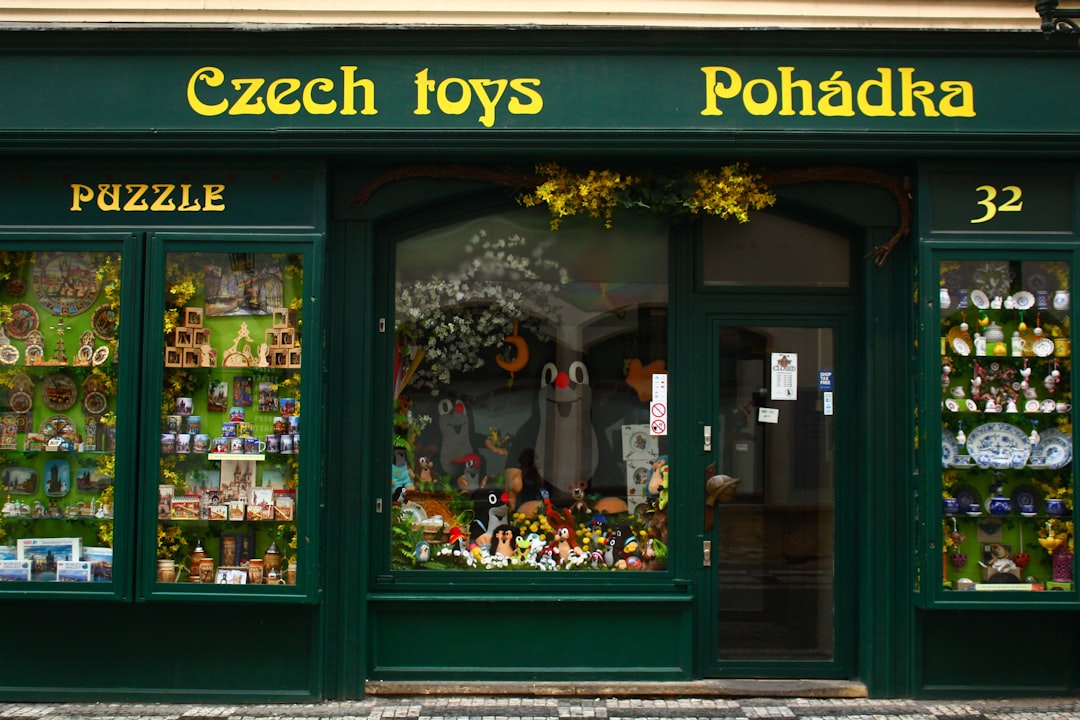
Walk through a Czech city in December and you’ll see Christmas decorations that look vaguely familiar to visitors from other European countries. But wait and observe the actual traditions, and you’ll realize that Czech Christmas is distinctly different from what you might experience elsewhere. It’s a holiday that involves live fish in bathtubs, divination rituals that determine your future, a baby Jesus who brings gifts rather than Santa Claus, and a main course that is absolutely, positively required to be fried carp with potato salad. Nothing else. No exceptions. Czech Christmas is delightfully particular, stubbornly traditional, and absolutely worth understanding if you’re spending December in the Czech Republic.
The Carp: From Street Vendor to Bathtub to Dinner Table
Several weeks before Christmas, an unusual phenomenon begins in Czech cities. Vendors appear on street corners with large tanks full of live carp. These aren’t aquarium fish. These are dinner-sized carp—typically 1-2 kilos—swimming in tanks of water. Some vendors have multiple large tanks set up on sidewalks. The carp are expensive, fresh, and absolutely central to Czech Christmas celebration.
The Czech relationship with Christmas carp is complex and deeply traditional. Buying a live carp is not a practical grocery shopping decision. It’s a ritual. Families arrive at the vendor’s stall, examine the carp, select one (sometimes the children get to choose, which makes the next stage more complicated), pay for it, and take it home in a bag of water.
Then comes the most peculiar part of Czech Christmas preparation: the carp goes into the bathtub.
For days—sometimes up to a week—the live carp swims in the family bathtub. If there are children in the house, they name it. They talk to it. They watch it swim. They become attached to it. Grandmothers shake their heads about the impracticality of keeping a fish in the bathtub when they could use the shower. But this is how it’s done. This is tradition.
The carp in the bathtub serves several psychological functions. It’s a reminder of the season, a connection to nature and tradition, a kind of medieval practicality (families would have kept fish alive before cooking them to ensure freshness). But it’s also something more: it’s a way of making the child participant in the cycle of life and death, in the understanding that the food they eat has a story, a reality, a moment where it was alive.
Then, on December 24th, comes the killing. In traditional families, the father does this, though sometimes a butcher or the older children participate. The carp is killed, gutted, and prepared. The household temporarily cannot use the bathroom. The ritual is serious, the work is messy, and there’s no way to avoid the reality of what’s happening.
The mother cooks the carp, typically frying it. The scale is saved—there are traditions about keeping the fish scale in your wallet for good luck, for prosperity, or as a reminder of the season.
Christmas Eve Dinner: The Most Rigid Meal in Czech Culture
If there’s a single meal that represents the non-negotiable heart of Czech Christmas, it’s the Christmas Eve dinner (Štědrý den, or Fasting Day). The meal is so codified, so absolutely standardized, that there’s almost no variation possible:
Fried carp and potato salad. That’s it.
There might be soup beforehand—traditionally a thin fish soup. There might be bread and other minor items. But the main course is carp fried in a specific way, and potato salad prepared according to certain principles. Not fish with vegetables. Not carp with different sauce. Not roasted carp. Fried carp. And not just any potato salad, but a specific preparation that varies slightly between regions but maintains a consistent character.
This meal has been the Christmas Eve standard for generations. The reasoning is partly practical (fish was a form of fasting food in the Catholic tradition, and Christmas Eve was historically a fasting day, though this is observed less strictly now). But it’s also simply tradition. This is what Czechs eat on Christmas Eve. It would be unthinkable to do otherwise.
What makes this meal distinctive is that it’s neither fancy nor particularly comfortable. It’s simple, honest, and sometimes slightly awkward to eat. There’s the matter of bones—carp has many of them. The potato salad is hearty and filling but not elaborate. There’s nothing glamorous about this meal. It’s humble, practical, and absolutely essential.
Families gather around this meal on December 24th and don’t start eating until the first star appears in the evening sky. This is the traditional sign that the holiday has properly begun. Before the meal, there might be prayers or a moment of silence. Then everyone eats the carp, deals with the bones, and enjoys the potato salad. Wine or beer might accompany the meal. Conversation happens. The moment is marked.
For Czechs, this meal is the absolutely authentic Christmas. Everything else—the decorations, the songs, the gifts—flows from this meal. If you don’t have the carp and potato salad, you haven’t properly celebrated Christmas.
Baby Jesus Brings the Presents (Not Santa)
Christmas morning, Czech children don’t wake up wondering if Santa came down the chimney. Instead, they discover presents left by Ježíšek—the Baby Jesus. This isn’t the Nativity baby Jesus; it’s a specifically Czech figure with specific traditions and roles.
Ježíšek is a benevolent spirit who brings gifts to good children on Christmas Eve or Christmas morning. The presents appear under the Christmas tree, which has been decorated in the days before Christmas. The baby Jesus is depicted as a cherub or young angel figure, often in gold-colored porcelain or ceramic, and many Czech families have a special figurine that represents Ježíšek.
The tradition is ancient, predating modern Santa Claus mythology. It reflects a Catholic Christian understanding of Christmas as the celebration of Christ’s birth. The gifts aren’t from a commercial figure; they’re from the religious center of the holiday itself.
In practice, this means that parents arrange gifts and tell children that Ježíšek brought them. There’s typically less focus on the commercialization of Christmas around a Santa figure, and more emphasis on the religious meaning of the holiday. That said, modern Czech culture is increasingly influenced by Santa Claus, so many families now have both traditions—Ježíšek and Santa—coexisting.
The Apple Divination: Reading Your Future in Fruit
One of the most distinctive and somewhat eerie Czech Christmas traditions involves cutting an apple in a specific way to see your future. On Christmas Eve, after the main meal, family members cut apples horizontally (across the middle, not vertically). Inside the apple flesh, the seeds create a pattern. If the pattern is a star, it means good luck and good fortune in the coming year. If the pattern is a cross or an X shape, it’s considered a bad omen.
This divination practice is ancient and probably pre-Christian in origin, incorporated into Christmas tradition over centuries. It’s not universally practiced anymore, but in many families—especially rural and traditional families—the apple cutting is still a important moment. There’s genuine suspense. Someone might dramatically refuse to cut their apple because they’re afraid of seeing a cross.
Children often find this darkly entertaining: the idea that an apple can predict your future, that a simple shape can mean something, that the future is somehow written into the structure of fruit. Adults are often tongue-in-cheek about it, but sometimes genuinely hopeful when they see a star pattern.
It’s a nice reminder that Czech Christmas, for all its modernity, retains elements of folk tradition, superstition, and pre-modern practices that somehow coexist with 21st-century reality.
Lead Pouring: Another Ancient Divination Method
Another traditional Czech Christmas divination practice involves pouring molten lead (or in modern practice, tin or other soft metals) into cold water. As the metal cools rapidly, it forms shapes. Family members pour the metal and examine the solidified forms, interpreting them for clues about their future: shapes that look like rings mean marriage; shapes that look like houses mean prosperity; unclear shapes mean unclear futures.
The practice is genuinely dangerous when done with lead—lead vapor is toxic—which is why many families have switched to tin or other less toxic metals. The danger is part of the tradition’s appeal for some families: there’s something real at stake, some genuine risk that makes the future-telling feel serious rather than frivolous.
The shapes are interpreted creatively. Different family members might see different things in the same metal form. Arguments emerge about what a particular shape means. This creative interpretation is part of the fun. It’s divination that’s simultaneously taken seriously and treated humorously.
Walnut Shell Boats and Christmas Decorations
Another distinctive Czech Christmas tradition involves walnut shells. The walnut is cracked open carefully, leaving the shell half-intact. A small candle is placed inside, and the shell is floated in a bowl of water, creating a tiny boat with a glowing light.
These walnut shell boats have a gentle, melancholic beauty. They float on water—water representing life’s journey—carrying their small light. Traditionally, people would make wishes as they launched the boats, or interpret whether the boat stayed afloat as an omen. In modern practice, they’re simply a lovely and distinctly Czech Christmas decoration.
You’ll see these floating in homes and sometimes in churches or public spaces during Czech Christmas season. They’re handmade, simple, and carry a kind of romantic quality that feels very Czech: practical, beautiful in a humble way, and connected to nature and tradition.
The decorations are often homemade rather than commercial. Paper chains, strings of popcorn and berries, handmade ornaments—Czech Christmas decoration tends toward the DIY and traditional rather than store-bought glitter and plastic.
The Christmas Tree: Bringing Nature Indoors
Czech Christmas trees are typically real pine or spruce, brought indoors at the last moment (often on December 23rd). The tree is decorated with lights, ornaments, and natural decorations like apples, nuts, and homemade items. The decoration process is often a family event, an activity that happens in the days before Christmas.
The tree is typically positioned in the main living space where it can be seen while eating meals and gathering as a family. Unlike some traditions where the tree is more of a decorative element, in Czech homes the tree is central to the holiday atmosphere.
The Holiday Season Atmosphere
Czech Christmas season is quieter and more restrained than in some other countries. Carols are sung, particularly in churches and at public celebrations. The markets (Vánoční trhy) that appear in town squares are places to buy gifts, eat traditional food, drink mulled wine, and enjoy the holiday season in a social way.
The focus is on family gathering, on the celebration of the holiday through food and tradition, on the acknowledgment that this is a time set apart from ordinary life. The holiday season extends from Christmas through New Year’s, with distinct traditions for both holidays.
Christmas Day itself (December 25th) is typically a quiet family day, a continuation of the celebration rather than a separate event. New Year’s (which falls on January 1st) is celebrated with parties, toasts, and a more celebratory atmosphere.
Why This Tradition Matters
Czech Christmas, with its carp in bathtubs, its absolutely mandatory potato salad, its baby Jesus gift-giver, its divination rituals, and its homemade decorations, represents something important about Czech culture. It’s stubbornly particular, resistant to globalization, rooted in specific history and tradition.
The tradition continues because Czechs value it. The carp is inconvenient. The divination is superstitious. The meal is simple and not always easy to eat. But these aren’t bugs; they’re features. They’re the things that make Czech Christmas distinctly Czech, that connect people to previous generations, that assert the value of local tradition in an increasingly homogenized world.
If you’re in the Czech Republic during Christmas, you’ll see this tradition everywhere: in the carp vendors appearing on streets in December, in the decorations in homes and public spaces, in the Christmas markets, in the restaurants serving traditional meals, in the quiet confidence that this is the right way to celebrate Christmas.
And if you’re invited to share Christmas Eve with a Czech family, you’ll sit down to fried carp and potato salad, and you’ll understand why this meal, this tradition, this particular way of celebrating matters so much. You’ll be participating in something that has survived wars, occupations, communist rule, and global cultural change. You’ll be eating Christmas the way it’s supposed to be eaten, at least if you’re Czech.
That’s the power of tradition: not because it’s objectively the best way to do something, but because it’s your way, because it connects you to everyone else who’s done it, because it anchors you to something that matters beyond just the moment itself.




Leave a Reply