Introduction: How War Films Made Normandy Sacred Ground
The Normandy beaches and the D-Day landings of June 6, 1944, have become the subject of numerous films and television series. From Steven Spielberg’s iconic Saving Private Ryan to HBO’s Band of Brothers to the classic The Longest Day, filmmakers have attempted to capture one of World War II’s most significant moments. These films have, in turn, shaped how the world understands D-Day and the beaches themselves. Today, the physical locations where these battles took place and where films were shot have become pilgrimage sites for history enthusiasts, film fans, and military veterans.
What’s fascinating for location scouts is that the actual filming locations sometimes diverged from the real historical sites. Saving Private Ryan, for example, was shot primarily in Ireland rather than in Normandy, yet the film’s depiction of the landings is so visceral and accurate that many people assume it was filmed on the actual beaches. Meanwhile, other films like The Longest Day (1962) were shot on the real Normandy locations. Understanding where films were shot versus where the historical events actually occurred adds layers of meaning to a Normandy visit.
This guide takes you through the real Normandy beaches and their historical significance, references where films were shot, and shows you how to visit the most important sites related to both the history and the cinematic portrayals.
Saving Private Ryan: A Masterpiece Shot Far From Normandy
Steven Spielberg’s Saving Private Ryan (1998) is arguably the most influential war film of the modern era. The opening sequence—a 24-minute depiction of the Omaha Beach landings that’s almost unbearably intense—changed how cinema depicts combat and trauma. Many people assume this sequence was shot on the actual beaches of Normandy. It wasn’t.
The Omaha Beach landing sequence and much of the subsequent filming were shot in Ireland, primarily on Curracloe Beach in County Wexford. Spielberg chose Ireland for practical reasons: the Irish government provided tax incentives, the landscape could be modified to resemble Normandy, and the logistical challenges of filming on the actual D-Day beaches (now peaceful tourist destinations) would have been enormous.
Why this matters: The accuracy of Saving Private Ryan comes from Spielberg’s meticulous research, work with military consultants, and directorial skill—not from filming on location. The film’s power comes from its authenticity of portrayal, not from historical location shooting. This is an important distinction for understanding how cinema works: authenticity doesn’t require literal location accuracy.
Visiting Curracloe Beach (if interested): Curracloe Beach in County Wexford, Ireland, is a beautiful, long sandy beach now peaceful and undeveloped. It has a modest memorial to the filming. However, it’s not a major tourist destination and requires traveling to Ireland. Most visitors interested in D-Day history prefer visiting the actual Normandy beaches.
The Real Normandy Beaches: Where History Happened
The D-Day beaches in Normandy are divided into five sectors, each with a code name assigned by the Allies:
Omaha Beach (American): Perhaps the most famous, Omaha was the site of the heaviest fighting. The beach is long, sandy, and backed by steep cliffs. Today, it’s a peaceful tourist destination with a few restaurants and shops. The American Cemetery overlooking the beach is one of the most emotionally powerful places in France.
Location: Near Saint-Laurent-sur-Mer, Calvados. About 2.5 hours drive from Paris.
Utah Beach (American): Another American landing site, Utah is slightly less crowded than Omaha. The beach is wide and sandy, with fewer dramatic cliffs but equally important historically.
Gold Beach (British): A long stretch of sandy beach backed by dunes. The British landing here was slightly more successful than at Omaha, with fewer casualties.
Juno Beach (Canadian): The Canadian sector. The beach has modern buildings and is more developed than some others, but retains its historical character.
Sword Beach (British): The easternmost beach, where British forces landed. The town of Ouistreham, at the mouth of the Orne River, is associated with this beach.
The Longest Day: Filming on the Real Beaches
The Longest Day (1962), directed by Ken Annakin, Darryl F. Zanuck, and others, was a massive production that filmed on location in Normandy. The film used the actual beaches and incorporated real military personnel and equipment. This means that when you visit these beaches today, you can see the actual landscapes where The Longest Day was filmed.
The film’s approach—shooting on real locations with a massive budget and international cast—represented a different era of filmmaking than Saving Private Ryan. The result is a film that, while less visceral and less graphic than Spielberg’s work, carries the weight of authenticity that comes from shooting where the events occurred.
Visiting the Longest Day locations:
- The film used all five beaches extensively
- Specific scenes were shot on cliffs at Pointe du Hoc and surrounding areas
- Normandy villages like Sainte-Mère-Église appear in the film and are accessible
Band of Brothers: Following the 506 Regiment
HBO’s acclaimed miniseries Band of Brothers (2001), produced by Tom Hanks and Steven Spielberg, follows the 506 Regiment of the 101st Airborne Division from their formation through the end of the war. The series was filmed in both England (for training sequences) and Normandy (for combat sequences).
Band of Brothers differs from Saving Private Ryan by following real soldiers across the entire war, including their personal lives. The series has become beloved by history enthusiasts and military veterans, partly because of the producers’ commitment to authenticity and the involvement of real veterans in consulting and narrating.
Filming locations for Band of Brothers:
Visiting these locations: Much of what you see in Band of Brothers was filmed on actual Normandy terrain, making the sites more accessible than Saving Private Ryan locations. The series’ connection to real places and real soldiers gives visiting the Normandy beaches extra emotional resonance.
Dunkirk: Another Spielberg/Hanks War Epic
While not exclusively about Normandy, Christopher Nolan’s Dunkirk (2017) depicts the evacuation of Allied forces from the beaches of Dunkirk (a different location from D-Day, but still in French coastal Normandy region). The film was shot in both Dunkirk, France, and other locations, but the real town of Dunkirk was used for exterior shots.
Dunkirk is about 150 kilometers north of the D-Day beaches and can be visited as part of a broader Normandy/northern France trip.
The American Cemetery: The Heart of D-Day Memorial
The Normandy American Cemetery (Cimetière Américain de Normandie) is located on a cliff overlooking Omaha Beach. It contains over 9,000 graves of American soldiers who died in the Normandy campaign and surrounding areas. It’s one of the most emotionally powerful places in France and arguably the world.
The cemetery is immaculately maintained, with white crosses and Stars of David arranged in perfect rows stretching across a manicured lawn. The view toward the beach below is both beautiful and haunting. Visitors often report profound emotional experiences at the cemetery.
Visiting information:
Budget: Free. Plan 1-2 hours for your visit.
Visiting tip: Go early in the day before crowds arrive. The cemetery is most powerful when quiet. Many visitors walk silently through the rows of graves. Reading individual headstones (which include names, hometowns, and dates of death) personalizes the history.
D-Day Beach Museum and Memorials
Several excellent museums provide context and information about the D-Day landings:
Musée du Débarquement (Utah Beach Museum): Located on Utah Beach at 50444 Sainte-Marie-du-Mont. Excellent exhibits on the American landings. €9 entry.
Normandy American Cemetery Museum: Located with the cemetery, provides historical context and information. Free entry.
Musée Mémorial Omaha Beach: Located near Omaha Beach at 14710 Vierville-sur-Mer. Focuses on the specific events at Omaha. €7 entry.
Musée du 6 Juin: Located in Arromanches (Gold Beach area) at 14117 Arromanches-les-Bains. Comprehensive exhibits on the entire D-Day campaign. €10 entry.
A Normandy D-Day Itinerary
This itinerary requires 2-3 days and covers the major D-Day locations:
Day 1:
Day 2:
Day 3:
Visiting the Beaches: What to Expect
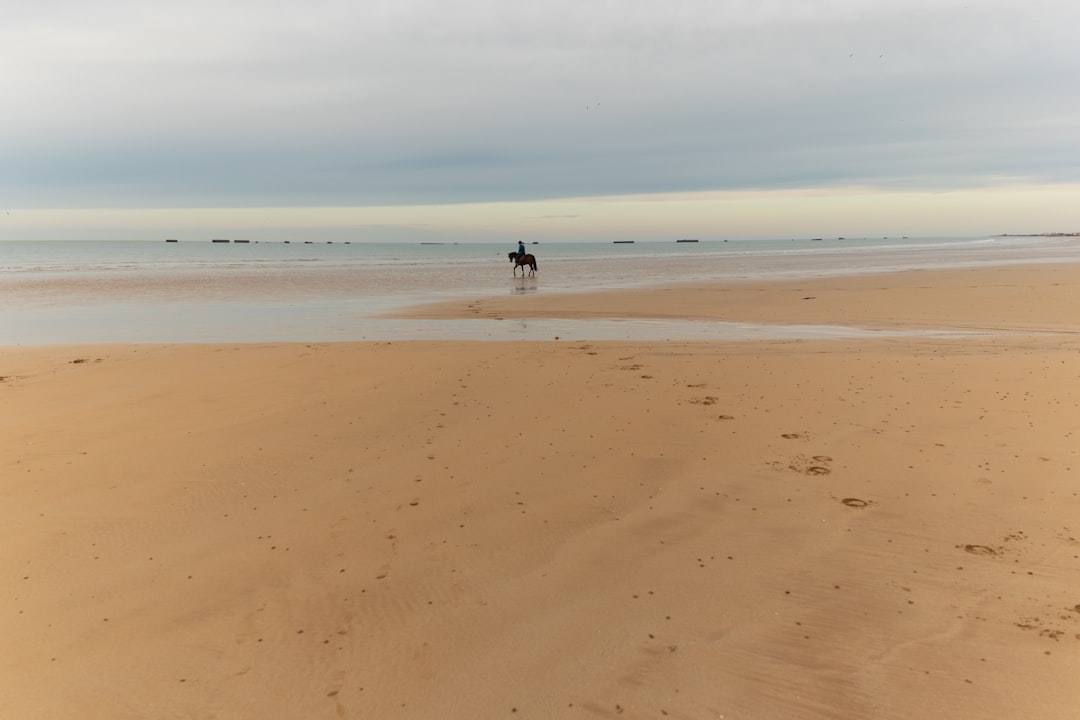
The D-Day beaches today are peaceful, mostly undeveloped, with long stretches of sand backed by dunes or cliffs. Many beaches have a few restaurants or shops, but they’re fundamentally quiet places. You’ll likely be struck by the ordinariness of the landscape—it’s difficult to imagine the chaos, noise, and violence of D-Day when walking on a peaceful, sunny beach.
This contrast is part of why visiting is so important. The beauty and peace of the beaches today, set against the historical knowledge of what happened, creates a profound emotional experience. The beaches force you to confront history: this serene place was a horrific battleground.
The Films’ Impact on Understanding D-Day
The films discussed here—particularly Saving Private Ryan—have shaped how the world understands D-Day. Many people’s mental image of the landings comes from these films rather than from historical photographs or accounts. This raises interesting questions about authenticity, representation, and how cinema shapes collective memory.
Saving Private Ryan in particular, while not shot on location, achieved a documentary-like realism that influenced how subsequent wars and conflicts were filmed and understood. The film’s influence extends beyond cinema into how people think about history itself.
Practical Information for a Normandy Visit
Getting there: Rent a car in Paris or take a regional train to Caen or Bayeux. The beaches are spread out and require transportation to visit.
Where to stay: Bayeux is the best base, with hotels in all price ranges, a medieval old town, and central location to all beaches (about 30-45 minutes to each beach by car). Alternatively, stay in Caen, a larger city with more accommodation options.
Budget: €150-300 per person per day including accommodation (budget to mid-range), meals, and museum entries. The beaches and cemetery are free; museums cost €7-10 each.
Time: A 2-3 day trip from Paris is ideal.
When to visit: Summer (June-August) is warmest but most crowded. May and September offer good weather with fewer crowds. The beaches are accessible year-round.
Emotional preparation: A D-Day pilgrimage is more than a vacation. Many visitors find it emotionally intense. Take time to absorb the history and reflect on the lives and sacrifice represented by these sites.




Leave a Reply