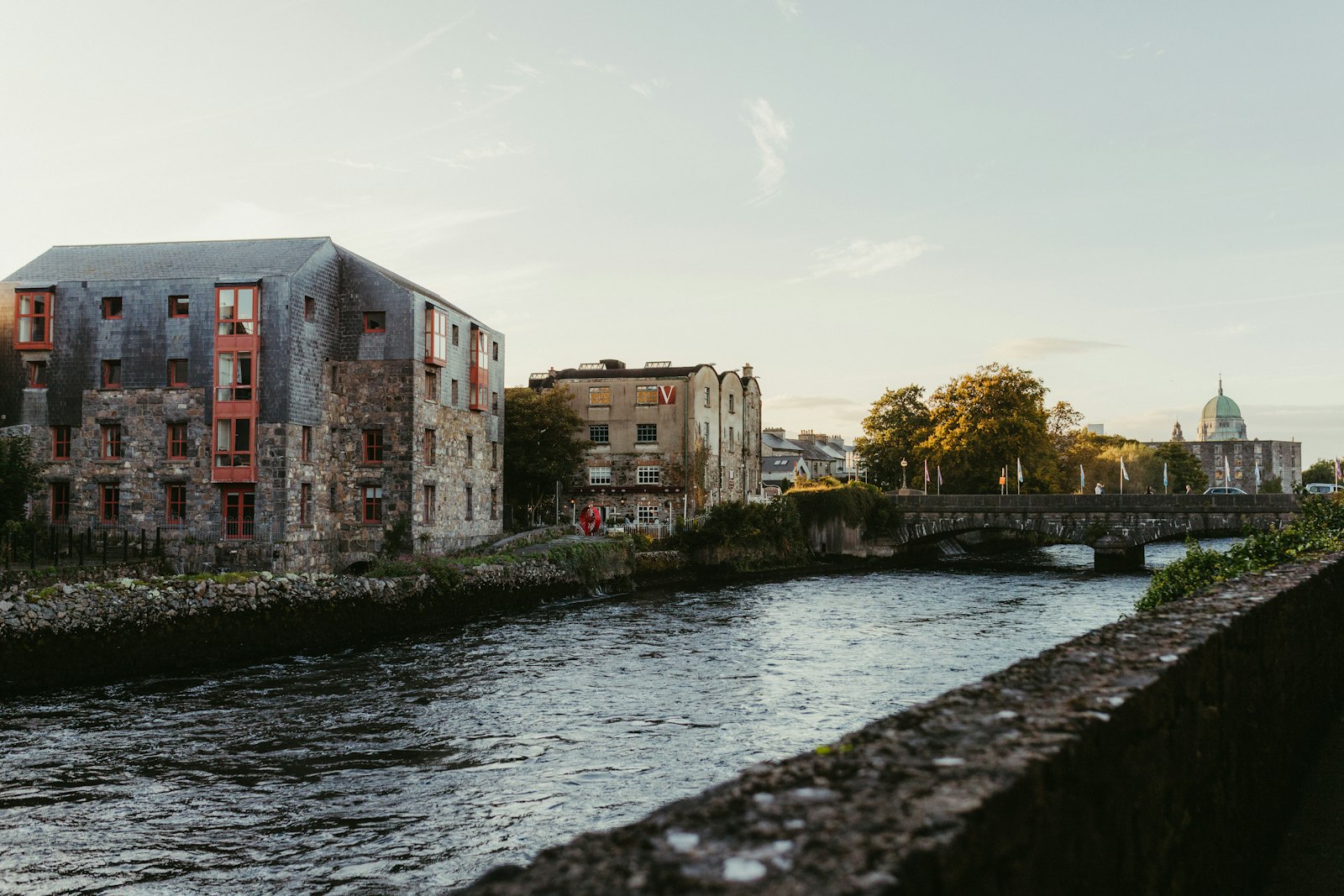
The Weather: Prepare Psychologically
What You’ll Experience
Ireland’s weather is notoriously gray, rainy, and changeable. However, the reality is less dramatic than the stereotype, though still a genuine adjustment:
Rainfall: Ireland receives roughly 75 inches annually (similar to Seattle). However, it rains in brief showers rather than sustained downpours. Many days have intermittent drizzle rather than outright rain.
Temperature: Highs of 45-50°F (8-10°C) in winter, 60-65°F (15-18°C) in summer. Freezing temperatures are rare. Snow is uncommon. Frost happens but briefly.
Darkness: Winter days are short—only 8 hours of daylight in December. This affects mood significantly. Summer offers long evenings (sunset at 10 PM in June).
Sunshine: Dublin gets roughly 1,500 sunshine hours annually (compare to 2,800+ for Los Angeles). This is less than most US locations but not dramatically less than northeast US cities.
Variability: Weather changes rapidly. A sunny morning becomes rainy by afternoon becomes sunny again by evening. “Four seasons in one day” is accurate.
Psychological Preparation
Americans from sunny regions (California, Arizona, Texas) experience the most culture shock. Recommendations:
- Invest in quality rain gear immediately (Dunnes, Marks & Spencer carry good options, €30-60)
- Embrace layering as lifestyle (Ireland rarely uses heating efficiently; layers are essential)
- Light therapy during winter if prone to seasonal affective disorder (€50-200 for light therapy lamp)
- Spend time outdoors despite weather—Irish people do
- Discover indoor activities (museums, theater, reading in pubs)
- Plan winter trips to sunny climates if budget allows
The Positive Reality
Many Americans adjust quickly and come to enjoy Irish weather. The lack of extreme heat means:
Most adjusters report that after 12-18 months, the weather feels normal and less bothersome.
Making Friends: The Irish Advantage
The Cultural Reality
Americans frequently report that making friends in Europe is difficult. Ireland is the exception. Irish culture is genuinely social and interested in meeting newcomers. This isn’t a stereotypical exaggeration—it’s measurable reality.
Why Irish Friendships Form Easily
Where Americans Make Friends
Pubs: The primary social venue. Regular pubs (not touristy Temple Bar) become community centers. Going to the same pub weekly leads to friendships with regulars, bar staff, and other patrons.
Work: Workplace friendships develop naturally. After-work pubs and lunch companionship frequently evolve into genuine friendships.
Sports: GAA clubs, running clubs, cycling groups, sports leagues provide structured social settings.
Classes and Hobbies: Evening classes, volunteer activities, hobby groups provide community.
Online Groups: Expat groups, interest-based groups, hobby meetups online lead to in-person friendships.
The Friendship Timeline
Most Americans report genuine friendships within 6 months, which is faster than other European countries.
The Pub as Social Center
Why the Pub Matters
The pub is central to Irish social life. It’s not primarily about alcohol consumption (though that happens). It’s:
Pub Culture Norms
Types of Pubs
Neighborhood pubs: Community gathering spots, regulars-based, low music, conversation-focused. These become your third space.
Temple Bar area: Touristy, expensive, loud, designed for visitors. Americans often avoid these after initial visit.
Gastropubs: Food-focused, cleaner, younger demographic, higher prices.
Themed pubs: Sports bars, Irish music pubs, craft beer bars.
The American Adjustment
Americans accustomed to bars as predominantly drinking venues find pub culture different. Many Americans report initially feeling awkward about extended pub time but eventually embracing it as their favorite social venue.
Understanding GAA (Gaelic Athletic Association)
What is GAA?
The Gaelic Athletic Association is Ireland’s largest sports organization. Two primary sports:
Hurling: 15-a-side sport played with wooden sticks and a small ball. Incredibly fast-paced, skillful, and distinctive.
Gaelic Football: 15-a-side sport combining elements of football (soccer) and rugby. Played on soccer-sized field with H-shaped goals.
Cultural Significance
GAA is far more than a sport. It’s:
Supporting a GAA team is often cultural/family identity, not casual preference.
Why Americans Should Care
Learning GAA
Many Americans initially find GAA confusing but grow to appreciate the skill, speed, and cultural significance.
Grocery Shopping Adaptation
Supermarket Chains
As an American relocating to Ireland, you’ll shop primarily at:
What’s Different
Available: Excellent dairy, potatoes, root vegetables, fresh seafood. Quality bread and pastries. Irish-specific products.
Unavailable or Expensive: American brands, peanut butter (expensive), specific cereals, root beer, Mexican ingredients, certain produce.
Organization: Smaller format than American supermarkets, more compact, more crowded during peak hours.
Checkout: Self-checkout becoming common but still significant human-operated checkouts. Bags are not free.
Shopping Strategies
Farmers Markets
Most Irish towns have farmers markets 1-2 times weekly. These offer:
Dublin’s farmer markets (Marlay Park Saturdays, Smithfield weekends) are popular expat gathering spots.
Driving in Ireland
Key Difference: Left-Side Driving
Ireland drives on the left side of the road. This requires:
Insurance and Registration
To drive in Ireland, you need:
Getting an Irish License
After 12 months, you must:
Most Americans find Irish driving rules similar but emphasis on narrower roads and higher traffic density.
The Reality
Outside Dublin and major cities, driving is pleasant. Roads are well-maintained, scenery is spectacular, and car culture is lower-key than America. In Dublin, traffic is congested, navigation is complex, and many Americans rely on public transport instead.
Schools and Education
Primary Schools
Ages 4-12, typically:
Types:
Secondary Schools
Ages 12-18, structured as:
Emphasis: Strong academic focus, competitive university entry system.
International Schools
Limited options, expensive (€10,000-20,000+ annually):
University Entry
The Irish Sense of Humor
Characteristics
Irish humor is:
Adjustment Required
Americans accustomed to straightforward communication sometimes interpret Irish humor as:
Adjustment: Recognize humor as social bonding, respond with humor, don’t take comments literally.
Bureaucratic Navigation
Common Bureaucratic Frustrations
Ireland’s bureaucracy is notoriously inefficient:
Common Procedures
Registration with GP: Book initial appointment (wait 2-3 weeks), attend, register (requires official address)
Opening bank account: Often requires apartment lease proving residency, payslips, multiple visits
Getting PPS number: Apply through Department of Social Protection office, phone appointment, then visit office, wait 2-3 weeks
Driving license: Theory test application online, wait for appointment (weeks), pass exam, get license (weeks)
Rental contract registration: Landlord should register with RTB, but confirm it happened (RTB website can verify)
Coping Strategies
Community and Neighborly Culture
Irish Neighborhoods
Irish communities tend to be:
Community Involvement
Americans often enhance integration by:
The “Ireland Is Small” Reality
Ireland has only 5 million people. The phrase “everyone knows everyone” is exaggerated but contains truth:
This positive community aspect also means gossiping happens and behavior is noticed. Most Americans find this either charming (community-oriented) or oppressive (lack of privacy), depending on personality.
Pace of Life Adjustment
The Irish Rhythm
American pace is often described as “hurried” and “productivity-obsessed.” Irish pace is:
Adjustment Examples
American Frustration and Adaptation
Americans accustomed to fast-paced environments often initially experience Ireland as:
Most Americans who stay long-term report adjustment, often saying they prefer Irish pace once adapted. The rhythm becomes normal and the quality-of-life trade-off feels worthwhile.
Seasonal Variations and Holiday Culture
Winter (November-February)
Spring (March-May)
Summer (June-August)
Fall (September-November)
Holiday Culture
Major holidays:
Easter, St. Brigid’s Day, May Day, Halloween also have cultural significance.
Integration Timeline
Most Americans report an integration pattern:
Months 1-3: Honeymoon phase, everything is novelty, making initial friends
Months 4-6: Disillusionment phase, novelty wears off, cultural differences become frustrating, friendships deepen
Months 6-12: Adjustment phase, accepting differences, establishing routines, integrating genuinely
Year 2+: Full integration, Ireland feels normal, American way feels foreign on return visits, genuine community establishment
Those who successfully integrate recognize that Ireland is genuinely different from America, embrace these differences rather than fighting them, and develop genuine affection for the culture and people. Those who struggle are often those expecting Ireland to be “like America but with accents” and resisting the different pace, communication style, and priorities.
Success requires genuine cultural curiosity, patience with inefficiency, appreciation for humor and relationship-building, and willingness to fundamentally adjust how you experience daily life. Most Americans who make this adjustment report it as one of their better decisions.




Leave a Reply