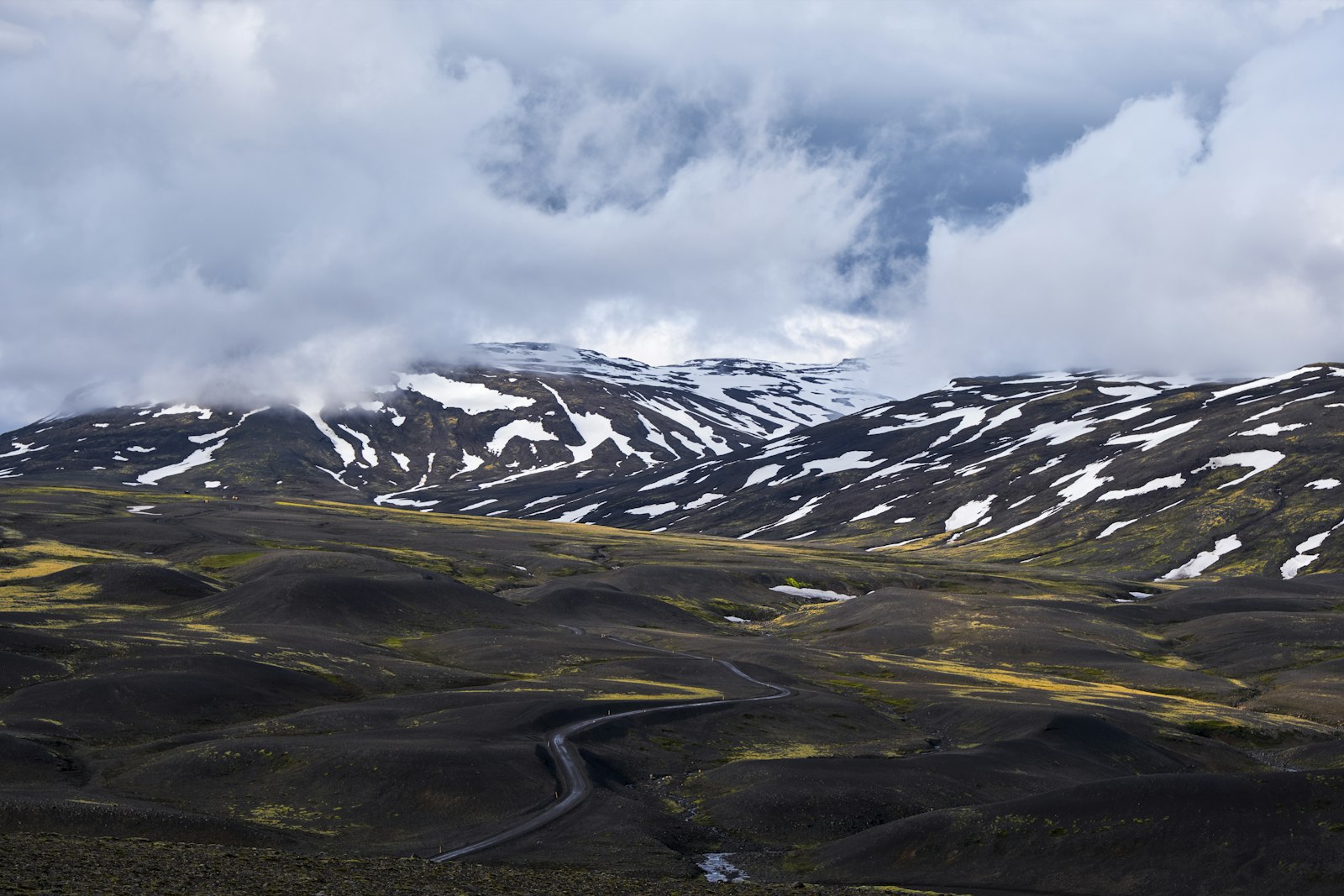
Iceland is a hiker’s paradise. Seriously. Whether you’ve got trail boots that have seen better days or you’re a seasoned Alpine mountaineer, Iceland serves up hiking experiences that’ll make your Instagram followers weep with envy. The best part? Most of the country’s most spectacular trails can be tackled in a day, which means you can pack serious adventure into a week-long road trip.
Let me walk you through 15 of the absolute best day hikes in Iceland. Some are famous, some are a bit quieter, but all of them deliver views that’ll ruin regular hiking for you forever.
The Classics Everyone Should Do
Glymur: Iceland’s Tallest Waterfall
Let’s start with the big one—literally. Glymur stands at 196 meters (643 feet) and is Iceland’s highest waterfall. The hike to reach it is moderately challenging and covers about 2.5 kilometers one way.
What to expect: You’ll start at a parking area near Borgarnes and head through birch forest before reaching the Botnsá river. Here’s where it gets interesting—you’ll need to ford this river. No bridge, just you, the water, and hopefully decent footwork. Once across, the trail climbs steeply through more woodland before opening up to views of the magnificent waterfall thundering down the mountainside.
Difficulty: Moderate. The river crossing can be tricky depending on water levels (higher in summer from snowmelt), and the final push to the waterfall involves some scrambling.
Distance: 5 kilometers round trip
Best season: June to September. The river can be dangerously high during heavy snow melt in May.
What to bring: Waterproof hiking boots or be prepared to get wet. A walking pole helps with the river crossing. Bring a snack because you’ll want to sit and soak in this view.
Skógafoss Trail: Waterfalls and Black Sand Beaches
Skógafoss is one of Iceland’s most powerful waterfalls, and the trail from here is absolutely bonkers beautiful. This isn’t just a short walk to a waterfall—it’s a proper hiking adventure.
What to expect: You start at the famous Skógafoss waterfall (which you can visit regardless), then continue on an ancient pathways that once connected the coast to inland communities. The trail passes several smaller waterfalls, climbs through moss-covered lava fields, and delivers panoramic views of the southern coast. You can go anywhere from a couple hours to a full day depending on your energy.
Difficulty: Easy to moderate. Well-maintained trail with good footing.
Distance: Up to 20 kilometers if you do the full trail, or shorter variations
Best season: June to August. Earlier and later seasons can have snow or icy patches.
What to bring: Plenty of water and snacks. Weather changes rapidly, so layers are essential.
Hidden Highland Treasures
Landmannalaugar: The Colorful Mountains Paradise
If you only do one day hike in Iceland’s interior highlands, make it Landmannalaugar. This isn’t just a hiking destination—it’s a geological wonderland.
What to expect: Multi-colored rhyolite mountains that look like someone spilled an artist’s palette across the landscape. Reds, oranges, yellows, greens, and blues stripe the mountainsides thanks to mineral-rich geothermal activity. The area has multiple trail options, from easy lake walks to challenging summit hikes. The most popular is the hike to Bláhnúkur peak, which takes about 2-3 hours round trip.
Difficulty: Easy to moderate. Trails are well-marked and non-technical.
Distance: 4-8 kilometers depending on which routes you choose
Best season: July to August only. This area is at 600+ meters elevation and snow blocks access most of the year.
What to bring: Bug spray (midges can be intense), waterproof jacket, good boots for volcanic terrain. This is a rough landscape.
Pro tip: You can camp here, soak in geothermal hot springs, and spend multiple days exploring if you want.
Fimmvörðuháls: The Trail Between Two Glaciers
This is an absolute gem that sits between Iceland’s two most famous glaciers—Eyjafjallajökull and Mýrdalsjökull. The hike follows an ancient route and passes brand-new volcanic features.
What to expect: You’ll trek through dramatic mountain scenery, past geothermal vents, and down into a valley that feels like another world. The trail starts from Skógafoss area and ascends steadily through changing landscapes. You’ll see waterfalls, hot springs creating mist in the cold air, and those aforementioned glaciers looming on either side.
Difficulty: Moderate to challenging. It’s a proper mountain hike with 1000+ meters elevation gain.
Distance: 19 kilometers, typically done as a one-way hike with shuttle service arranging
Best season: June to September
What to bring: Mountain hiking boots, weather-appropriate layers, headlamp if doing it early/late in season (long daylight means you can go late), lots of water.
Waterfall Wonders
Seljalandsfoss: Walk Behind the Waterfall
This is one of Iceland’s most accessible big waterfalls, and the best part? You can walk literally behind it.
What to expect: The walk to Seljalandsfoss is incredibly easy (about 30 minutes round trip), but what makes it special is that you can actually walk behind the falling water curtain. The spray is intense, so you’ll get soaked, but the views from behind the waterfall are surreal.
Difficulty: Easy
Distance: 1.6 kilometers round trip
Best season: Year-round, though winter can have snow/ice hazards
What to bring: Waterproof jacket and willingness to get wet. Leave valuables in the car unless you have a waterproof bag.
Háifoss: Iceland’s Second-Tallest Waterfall
Sitting 122 meters high, Háifoss is less crowded than Glymur but equally impressive.
What to expect: A moderately easy hike across rolling highland terrain to two massive waterfalls—Háifoss and the equally beautiful Kerið. The trail is straightforward and rewards you with incredible vistas.
Difficulty: Easy to moderate
Distance: 4 kilometers round trip
Best season: June to September
What to bring: Weather-appropriate clothing, water, and a good camera. The light reflecting off the waterfalls is stunning.
Mountain and Valley Adventures
Laugavegur Trail (Day Sections): Hiking the Highlands
The famous Laugavegur is typically a 2-3 day trek, but you can hike sections as a day hike.
What to expect: Stunning highland scenery, colorful mountains (similar to Landmannalaugar), river valleys, and ever-changing landscapes. Each section offers something different.
Difficulty: Moderate to challenging depending on which section
Distance: Varies, but sections range from 8-16 kilometers
Best season: July to August
What to bring: Everything—this is remote wilderness. Maps, compass or GPS, plenty of food and water, emergency gear.
Jökulsárlón Glacier Lagoon Walk
Okay, technically there’s a glacier involved here, but the walk around the lagoon offers mind-blowing views.
What to expect: You’re walking alongside a glacial lake filled with icebergs. The walk is easy and supremely photogenic. Bring a good camera because words genuinely cannot capture this properly.
Difficulty: Easy
Distance: 1-3 kilometers depending on how much you want to explore
Best season: Year-round, though access roads can be snowy in winter
What to bring: A really good camera and warm layers. The cold radiating from glacial ice is no joke.
Eastern Wonders
Skaftafell: Iceland’s Most Visited Nature Reserve
Skaftafell sits within Vatnajökull National Park and offers multiple day hike options.
What to expect: This place is popular for a reason. You’ve got options—easy walks to waterfalls, moderate hikes to viewpoints, or challenging glacier hikes. The star is probably the hike to Skaftafellsjökull glacier, where you can see where glaciers have carved through the landscape.
Difficulty: Easy to challenging depending on route
Distance: 2-20 kilometers depending on which hike you choose
Best season: June to September
What to bring: Proper hiking boots, snacks, water, and a sense of wonder.
Westfjord Secrets
Látrabjarg: Europe’s Westernmost Point
This clifftop hike feels like you’re standing at the edge of the world.
What to expect: Dramatic sea cliffs rising 440 meters from the ocean, nesting seabirds (including puffins in season), and views that stretch forever. The walk itself is easy—you’re just following the clifftops—but the sense of remoteness is intense.
Difficulty: Easy
Distance: Can be anywhere from 1-5 kilometers depending on how far you want to walk
Best season: June to August (for puffins and good weather)
What to bring: Windproof jacket (it’s incredibly exposed), binoculars for birdwatching, camera for the views.
North Iceland Gems
Godafoss: Waterfall of the Gods
The name means “Waterfall of the Gods,” and once you see it, you’ll understand why.
What to expect: An absolutely massive waterfall that spans across the canyon in a remarkable arc. The walk to view it is brief and easy, but the power of the water is mesmerizing. There are multiple viewpoints around the falls.
Difficulty: Easy
Distance: 1-2 kilometers round trip
Best season: Year-round, though summer offers better conditions
What to bring: A camera with burst mode because you’ll want lots of photos.
Dimmuborgir: The Dark Cities Lava Field
Near Mývatn in North Iceland, this bizarre lava formation feels like hiking through an alien landscape.
What to expect: Hiking through a massive lava field where the basalt formations create towering pillars and caves. It’s genuinely otherworldly. There are multiple trails through the field with varying difficulty.
Difficulty: Easy to moderate
Distance: 2-6 kilometers depending on the trail
Best season: June to September (trails can be icy other times)
What to bring: Good boots for rough lava terrain, weather protection, and a sense of adventure.
Practical Tips for Hiking in Iceland
Weather is Moody: Iceland’s weather can change faster than you can change your mind. Pack layers and expect the unexpected. Rain can strike suddenly, but it often passes just as quickly.
Start Early: Because of the long daylight hours in summer, you might be tempted to start hiking late. Don’t. Start early, and you’ll have the light and time to deal with any issues.
The Trails Are Real: Icelandic trails can be rough, boggy, and rocky. Good boots aren’t a luxury—they’re essential.
Water is Everywhere: Streams and rivers are cold and can be running fast from snowmelt. Plan your river crossings carefully and don’t attempt them if water is high.
Navigation: While many trails are marked, it’s easy to get disoriented in bad weather or fog. Carry a map and GPS device, not just your phone.
Tell Someone: The wilderness in Iceland can be genuinely remote. Tell someone where you’re going and when you expect to be back.
Respect the Rules: If a hut warden or sign tells you a trail is closed, it’s closed for a reason—usually safety. Accept it and find alternatives.
Wrapping Up
Iceland’s day hikes range from casual strolls to serious mountain treks. The beauty is that you can do something different every day for weeks and never run out of options. The landscape is genuinely magical—dramatic waterfalls, colorful mountains, glaciers, hot springs, and coastlines that make you feel small.
Pick a few of these trails, pack good boots and weather protection, start early, and embrace the adventure. Iceland’s hiking scene won’t disappoint you.
Now get out there and see what you can experience in a day.




Leave a Reply