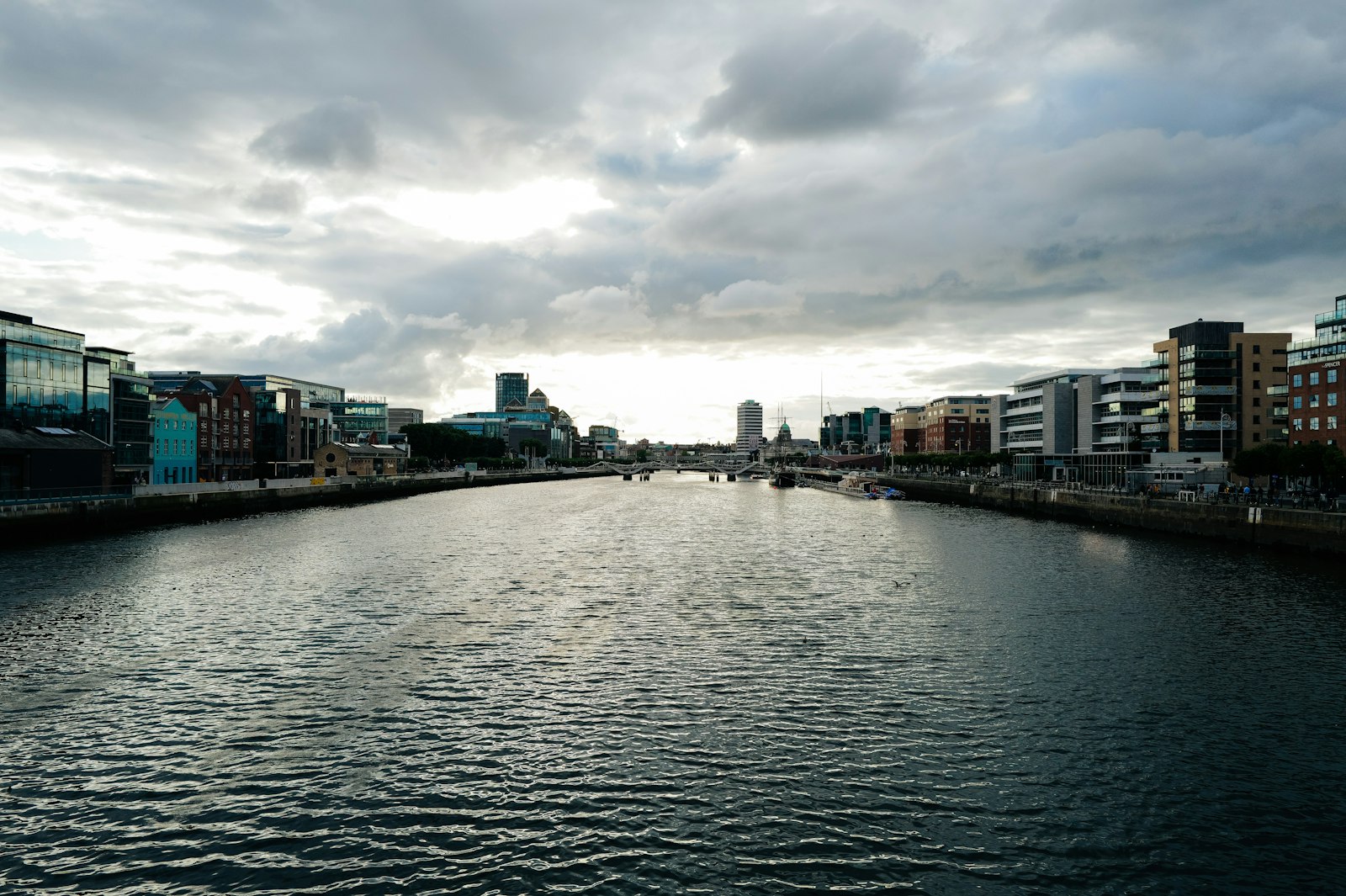
Introduction: Making the Most of Dublin
Dublin is Ireland’s capital and the gateway for most American visitors. With 1.4 million people in the greater metropolitan area, it’s a vibrant, walkable city with over 1,400 years of history, world-class museums, excellent food, and iconic pubs. Three days is the sweet spot—enough time to experience the highlights without feeling rushed, but not so long that you’re wandering aimlessly.
This itinerary prioritizes Dublin’s essential experiences: historic sites, cultural institutions, Georgian architecture, literary heritage, and authentic Irish pub culture. Everything mentioned is within a 30-minute walk or short bus ride from the city center.
Day 1: Historic Dublin & Temple Bar
Morning: Trinity College & The Book of Kells
Start at Trinity College Dublin, founded in 1592. This isn’t just a college; it’s a self-contained architectural complex set within Dublin city center. The grounds alone are worth 30 minutes of wandering.
The main attraction is the Old Library and the Book of Kells exhibition. The Book of Kells is an illuminated medieval manuscript dating to circa 800 AD, created by Irish monks and regarded as one of the finest examples of Celtic art. A single exhibition ticket (€15) includes access to the Long Room, an awe-inspiring library hall with barrel-vaulted ceilings, creaky wooden floors, and 200,000 historic books.
Practical note: Arrive by 9:30 AM to beat tour groups. Book tickets online in advance to skip queues. The exhibition can feel crowded, but the Long Room experience is worth it. Plan 1.5 hours here.
Mid-Morning: Grafton Street & St. Stephen’s Green
Exit Trinity toward Grafton Street, Dublin’s most famous shopping street. It’s pedestrian-only, lined with shops from luxury brands to quirky Irish boutiques. Street performers are everywhere. Walk down to St. Stephen’s Green, a 22-acre public park (completely enclosed by a fence and gates). In good weather, locals and tourists alike relax on benches, surrounded by Georgian townhouses that ring the park.
St. Stephen’s Green is genuinely pleasant—grab coffee at one of the cafes and sit for 20 minutes to observe Dublin life. Irish people are excellent at using public parks year-round.
Lunch: Temple Bar Area
Head north toward Temple Bar, Dublin’s most famous tourist neighborhood. Yes, it’s touristy and expensive, but it’s also vibrant and worth one visit. The name refers to the entire historic district built around Temple Bar Street, which winds through narrow medieval laneways.
Grab lunch at Fade Street Social (excellent Irish fare, €13-18 mains), Against the Grain (fish and chips, €12-16), or Boxty House (Irish potato pancakes, €12-15). Or visit one of the market stalls—Temple Bar Food Market (Thursday-Sunday) has authentic street food.
Afternoon: More Temple Bar & The Quays
Explore Temple Bar’s winding streets and hidden courtyards. The district was nearly demolished in the 1980s before being revived as a cultural quarter. You’ll find galleries, vintage shops, and street art tucked into laneways.
Walk west toward the river and the Ha’Penny Bridge, Dublin’s most photographed bridge. The bridge dates to 1818 and crosses the Liffey River. From here, walk along the quays (the riverfront embankment) to see the custom house and historic Dublin along the water.
Evening: Drink & Dinner in Temple Bar
This is where Temple Bar truly comes alive. Traditional Irish music sessions happen nightly. Popular pubs include:
- The Brazen Head (literally the oldest pub in Dublin, 1668)
- O’Shea’s Merchant (traditional music every night)
- Temple Bar (the original pub that gave the neighborhood its name; predictably touristy but historically significant)
Dinner options abound. For upscale Irish, try Chapter One (Michelin-starred, expensive but excellent). For casual, try The Winding Stair (comfort food with river views, €16-24 mains) or Isolde’s (Mediterranean-Irish fusion, €14-20).
The beauty of Temple Bar is that you can walk between venues, making a pub crawl natural. Most pubs charge no cover for traditional music sessions. A pint of Guinness costs €6-7.
Day 2: Museums, Parks & Guinness
Morning: Kilmainham Gaol
Kilmainham Gaol (spelled “jail” in Irish) is Dublin’s most historically important site. This former prison—closed in 1924—tells the story of Irish independence and rebellion. Many Irish independence leaders were imprisoned and executed here.
The self-guided audio tour (included with admission, €6) takes 90 minutes and is genuinely moving. You’ll see actual prison cells, courtyard where executions occurred, and exhibits explaining Irish history. Americans often find this visit profound—it provides essential context for understanding modern Ireland and Irish identity.
Getting there: It’s in west Dublin, about 3 km from city center. Take tram line 37 directly there (€2.50). Arrive by 10 AM to avoid crowds. Weekdays are quieter than weekends.
Late Morning: Phoenix Park
Adjacent to Kilmainham, Phoenix Park is one of Europe’s largest urban parks at 712 hectares. It’s genuinely enormous—you could spend hours here. Attractions include:
Rent a bike (€3-5 per hour at the park gates) to cover more ground. A simple walk through the park is deeply peaceful—it feels like you’ve left the city despite being within Dublin proper. Budget 2-3 hours.
Lunch: Smithfield
From Phoenix Park, walk east to Smithfield, a historic district undergoing revitalization. It’s less touristy than Temple Bar but increasingly trendy. Try:
Afternoon: Guinness Storehouse
The Guinness Storehouse is situated at St. James’s Gate Brewery, where Guinness has been brewed since 1759. The storehouse itself is a seven-story building shaped like a giant Guinness glass. Admission is €22 (book online for discounts).
The experience takes 2-3 hours. Exhibits detail the history of Guinness advertising (some of it genuinely brilliant), the brewing process, and Irish beer culture. The top-floor gravity bar offers 360-degree views of Dublin with a complimentary pint of Guinness included in admission. This alone makes it worthwhile—the views are spectacular, and there’s something special about drinking Guinness at a bar the shape of a giant Guinness glass, 125 meters above Dublin.
Practical note: The storehouse is extremely popular. Book online in advance and go early. Afternoon queues can reach 30 minutes.
Evening: Dinner & Drinks in City Center
Return to central Dublin for dinner. The Grafton Street area has excellent restaurants:
For an Irish experience, head to Kehoe’s Pub, a traditional Dublin bar with dark wood, low ceilings, and character. It feels like a proper local pub rather than a tourist attraction, despite being very central.
Day 3: Museums, Georgian Dublin & Literary Heritage
Morning: EPIC Irish Emigration Museum
EPIC is housed in a four-story building near the quays and tells the story of Irish emigration—particularly relevant for Americans, as millions of Americans have Irish ancestry. The museum uses interactive exhibits, personal stories, and genealogy tools.
The name “EPIC” stands for the European Passenger Information Centre. Admission is €16. The museum takes 90 minutes to explore properly. You’ll learn about the Irish diaspora, the famine, economic emigration, and the lasting impact of Irish people worldwide. For many American visitors, it’s an emotional connection to their own family history.
Mid-Morning: Georgian Dublin
Dublin’s architectural glory is Georgian—the elegant townhouses and squares built in the 1700s. Walk through:
The National Museum of Ireland (Archaeology) is located at Merrion Square and includes free general admission. It houses important Irish historical artifacts. The Natural History Museum is nearby and also free.
Lunch: Neighborhood Exploration
Take time for a leisurely lunch in a quieter neighborhood. Try:
Afternoon: Literary Dublin
Dublin’s literary heritage is extraordinary. The city produced James Joyce, Samuel Beckett, Bram Stoker, Oscar Wilde, and W.B. Yeats. Visit:
The Joyce Centre (€6 admission): Housed in a Georgian townhouse, it tells the story of James Joyce and features first editions and memorabilia.
Wilde’s Birthplace (€6 admission): The actual childhood home of Oscar Wilde, preserved with period furniture and artifacts.
Literary Pub Crawl (€15, runs nightly at 7:30 PM): This is genuinely fun. Actors perform excerpts from Irish literature while walking you through Dublin’s literary landmarks, stopping at three pubs. Book ahead. This experience gives Dublin’s literary heritage a memorable, entertaining context.
Evening: Final Night Out
Your last night deserves something special. Options include:
Transport Tips
Getting Around Dublin:
Practical Details:
Day Trips from Dublin
If you arrive a day early or stay an extra day, consider:
Conclusion
Three days in Dublin works best when you balance major attractions with neighborhood exploration. The city’s greatest strength is its human scale—it’s a major capital that feels like a collection of villages stacked together. You can walk from medieval streets to Georgian squares to modern restaurants within 10 minutes.
Don’t feel pressured to see everything. Spend extra time in neighborhoods you like. Have long lunches. Sit in parks. Chat with locals in pubs. This is how you’ll actually experience Dublin rather than just checking boxes on a tourist list.




Leave a Reply