Dublin slang is a unique beast unto itself. It’s fast, playful, sometimes impenetrable to outsiders, and absolutely essential to understanding how Dubliners actually talk. If Irish slang is colorful, Dublin slang is a technicolor explosion of creativity, contemporary reference, and linguistic audacity.
Dublin is Ireland’s capital, cultural center, and the place where most tourists spend time. Understanding Dublin slang won’t make you sound like a local (your American accent will prevent that), but it will help you understand what the hell people are talking about and maybe laugh at some of the same jokes.
The Core Dublin Slang Words
“Howya”
This is the quintessential Dublin greeting, a contraction of “How are you?” Often pronounced “HAW-yuh.”
Context:
- “Howya, lad?” = How are you, man?
- “Howya, story?” = How are you? (combined with “story”)
- Multiple people: “Howya, lads?” or “Howyas?”
It’s friendly, immediate, and ubiquitous. Non-Dubliners sometimes use it, but it’s distinctly Dublin.
“What’s the story?” or Just “Story?”
This can mean “How are you?” “What’s happening?” or simply “Hello.”
Context:
Tourists who understand this phrase instantly seem less foreign to Dubliners.
“Bleedin’”
A euphemism/intensifier meaning “damn” or “bloody,” often used for emphasis rather than anger.
Context:
Dubliners use “bleedin’” constantly, often without realizing how it sounds to non-Irish ears.
“Mot” or “Me Mot”
This is old Dublin slang for girlfriend or romantic interest. It’s becoming less common but you’ll still hear it, especially from older Dubliners or in comedy references.
Context:
The equivalent for men would be “fella” but it’s not as gendered. “Me mot’s here” is something you might hear in a pub.
“Me Bird”
Similar to “me mot,” this refers to a romantic partner (usually female). Also somewhat dated but still used.
Context:
“Young Wan” or “Young Fella”
These refer to young women or young men, respectively. “Wan” is specifically Dublin slang.
Context:
“Snapper”
An affectionate term for a child, used casually by Dubliners.
Context:
“Chiseler”
Another Dublin term for a child, sometimes carrying a slightly mischievous implication.
Context:
“Scanger” or “Skanger”
Controversial term that can refer to lower-class youth, often used derogatorily. The term is somewhat looked down upon because of its class implications.
Context:
Important: This word has class-based connotations and can be offensive. Understand its context before using it.
“Knacker”
This term is derogatory and refers to travelers or Romani people, or sometimes young working-class men. It’s considered offensive and outdated.
Context:
Important: This word is potentially offensive and has been used as a slur. Be careful.
“D4 Head”
This refers to someone from Dublin’s south side (Postal District 4), particularly someone who’s privileged, snobbish, or overly materialistic.
Context:
The term is used by Dublin residents to mock wealth and perceived superficiality, particularly associated with south Dublin areas.
“Dub” vs. “Culchie”
Dub: Someone from Dublin, used affectionately by Dubliners or neutrally.
Culchie: Someone from outside Dublin/rural Ireland, used by Dubliners with mild mockery.
Context:
The “Dubs vs. Culchies” dynamic is a genuine cultural divide in Ireland, with Dubliners sometimes dismissing rural Ireland as backward while rural Irish people see Dublin as snobby.
“Northside vs. Southside”
Dublin is divided by the River Liffey into northside and southside, and there’s a cultural rivalry.
Northside:
Southside:
Dublin reality: This divide is diminishing with gentrification, but the cultural rivalry persists. It’s mostly friendly rivalry with humor attached.
“Scarlet for Ya”
This means you’re embarrassed for someone, or they’ve done something embarrassing.
Context:
“Morto”
Shortened from “mortified,” this means seriously embarrassed.
Context:
“Acting the Maggot”
This means behaving badly or being a nuisance, usually in a playful way.
Context:
“Giving Out”
This means complaining or scolding someone.
Context:
“Off the Bap”
Dublin slang meaning crazy or ridiculous.
Context:
“Gas”
Meaning funny or hilarious, as covered in earlier guides.
Context:
“Class”
Meaning excellent, as covered in earlier guides, but particularly common in Dublin.
Context:
“Fierce”
Meaning excellent or intense, as covered in earlier guides.
Context:
“Deadly”
Meaning excellent or fantastic.
Context:
“The Guards” or “The Gardaí”
Dublin slang for police officers (though this is general Irish, not specifically Dublin).
Context:
Dublin Entertainment and Culture References
“Ross O’Carroll-Kelly”
Dublin has its own satirical cultural figure—Ross O’Carroll-Kelly, a fictional character created by writer Paul Howard representing a privileged, snobbish Dubliner.
Context:
Understanding this reference makes you seem culturally aware to Dubliners.
“The Temple Bar Area”
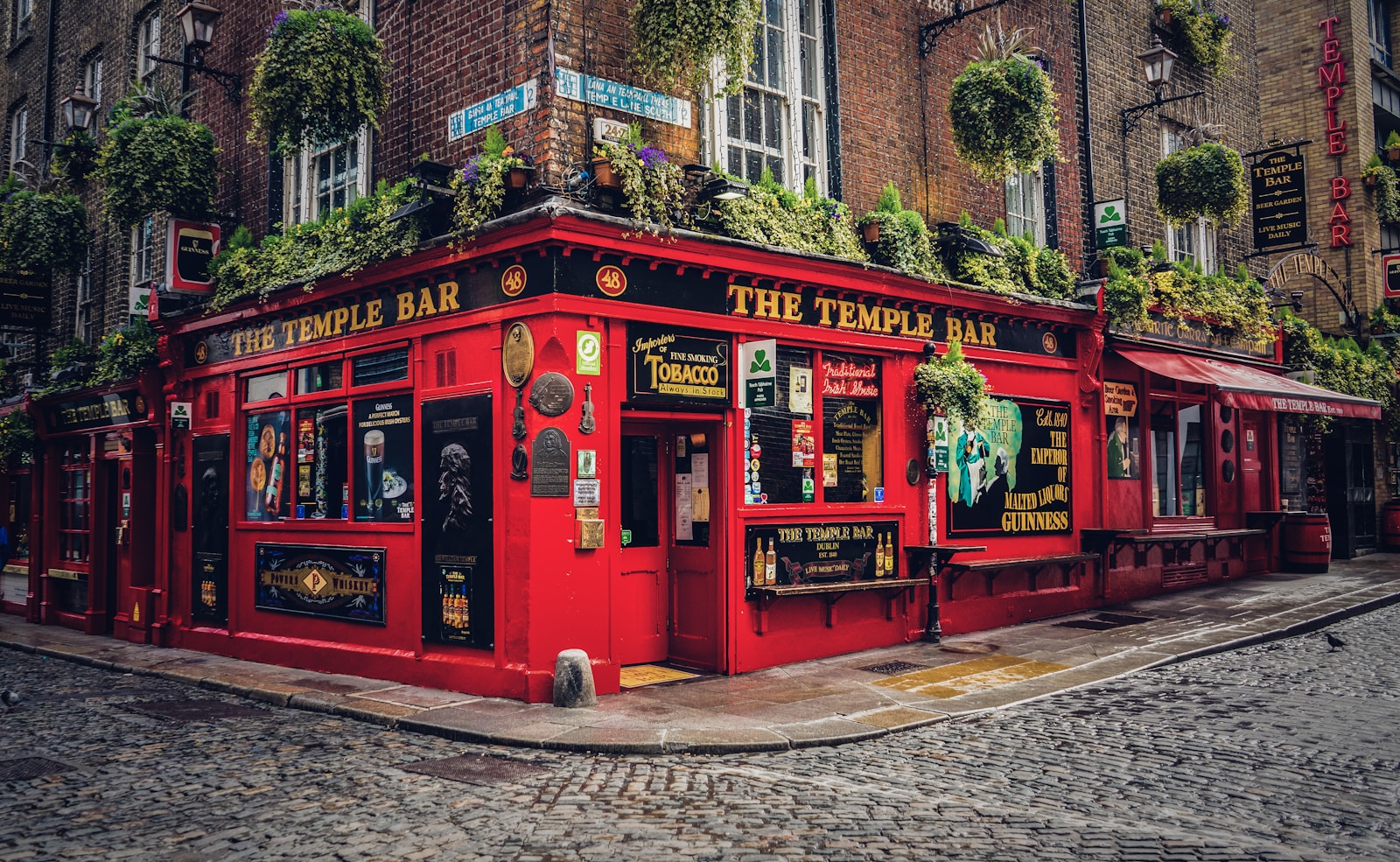
Not slang per se, but Dublin tourists KNOW about Temple Bar—the famous nightlife area that’s famous for tourists, not locals.
Context:
“Dublin 4”
As mentioned, this refers to wealthy south Dublin areas and is often mocked in Dublin slang.
Football (Soccer) Culture
Dubliners are obsessed with football (soccer). You’ll hear constant references to:
How Dubliners Talk: Accent and Speech Patterns
Dublin Accent Features
Speed: Dubliners talk fast. American tourists often struggle to keep up with the pace.
Rhotic R: Dublin has a clear “r” sound, unlike non-rhotic American accents.
Flat vowels: Dublin vowels are relatively flat compared to some Irish accents.
Continuous speech: Dubliners often run words together, creating rapid-fire speech.
Dublin Speech Patterns
Ending phrases with questions:
Adding emphasis with “like”:
“D’ye” contraction:
Tag questions:
Understanding Dublin Humor
Dubliners have a particular style of humor:
- Self-deprecation: Making fun of themselves
- Sarcasm: Heavy, often sarcastic commentary
- Banter: Playful insults and teasing
- Wordplay: Clever linguistic humor
- Timing: Quick, fast-paced delivery
If someone’s making fun of you, they probably like you. If they’re NOT teasing you, you’re an outsider.
Modern Dublin Slang (Younger Generation)
Younger Dubliners use modern internet slang mixed with traditional Dublin slang:
Northside vs. Southside Dublin Slang
Northside Characteristics
Southside Characteristics
Both areas have vibrant, creative language; it’s just slightly different flavors.
Common Dublin Phrases and Exchanges
Meeting someone:
Complimenting:
Dismissing:
Agreement:
Visiting Dublin: Language Tips
Do:
Don’t:
Geography and Dublin Culture
Understanding Dublin geography helps with slang:
Final Thoughts
Dublin slang is vibrant, constantly evolving, and deeply rooted in Dublin culture. It’s faster and more contemporary than other Irish accents, influenced by international culture, but still distinctly Irish.
Understanding Dublin slang as a visitor doesn’t make you a local (your accent will prevent that), but it makes you seem more aware, more engaged, and more respectful of the culture.
Dubliners appreciate tourists who try to understand their language and culture. You don’t need to be perfect—just genuine.
So go forth, embrace the “howya,” use “fierce” and “deadly” liberally, laugh at yourself when you misunderstand, and enjoy the craic.
Because in Dublin, the craic is mighty, the people are class, and the language is absolutely deadly.
Howya!




Leave a Reply