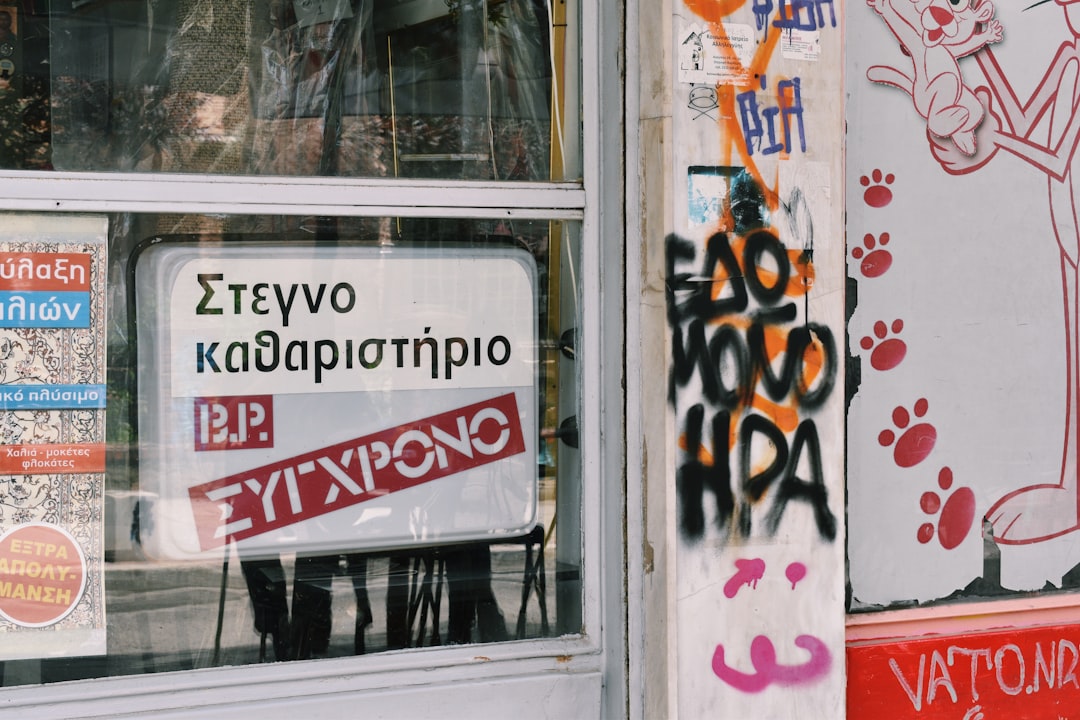
One of the great joys of traveling to Greece is the food and drink. Greek cuisine is among the world’s healthiest and most flavorful, and knowing the right vocabulary transforms your dining experience from pleasant to extraordinary. Whether you’re ordering at a traditional taverna in the Peloponnese or grabbing street food in Athens, this guide will help you navigate menus, order like a local, and engage with one of Greece’s greatest cultural assets: its food.
Ordering at Tavernas: The Basics
The taverna is the heart of Greek social life. It’s where families gather, friends celebrate, and food is treated as sacred.
“Thélo…” / Θέλω…
(THEH-lo) – I want…
Follow this with a dish name to order.
“Thélo énan piáto…” / Θέλω έναν πιάτο…
(THEH-lo EH-nahn pee-AH-to) – I want a plate of…
A polite way to order a specific dish.
“Thélo théo piáta…” / Θέλω δύο πιάτα…
(THEH-lo THEE-o pee-AH-tah) – I want two plates of…
Adjust the number as needed.
“Ékhete…?” / Έχετε…;
(EH-heh-teh) – Do you have…?
Ask if a specific dish is available.
“Ti protonáte?” / Τι προτείνετε;
(tee pro-TEEN-eh-teh) – What do you recommend?
Taverna owners love this question and take pride in their recommendations.
“Aftó ti ine?” / Αυτό τι είναι;
(af-TOH tee EE-neh) – What is this?
Point to a dish on display or on another table and ask.
“Póso ine?” / Πόσο είναι;
(POH-so EE-neh) – How much is it?
Always ask about price in tavernas without posted prices.
“To logariázmó, parakaló” / Το λογαριασμό, παρακαλώ
(toh lo-gah-ree-AHZ-mo, pah-rah-kah-LOH) – The bill, please
Standard way to ask for your check.
Understanding Greek Menus
Greek menus can be overwhelming with unfamiliar names. Here’s a guide to common categories:
“Oréktika” / Ορέκτικα
(o-REK-tee-kah) – Appetizers
These small plates are meant for sharing and starting a meal.
“Prota piáta” / Πρώτα πιάτα
(PRO-tah pee-AH-tah) – First courses
Typically lighter dishes served before the main course.
“Kiriá piáta” / Κύρια πιάτα
(KEE-ree-ah pee-AH-tah) – Main courses
The main dishes of your meal.
“Salátes” / Σαλάτες
(sah-LAH-tes) – Salads
Often served as sides or accompaniments.
“Psária” / Ψάρια
(PSAH-ree-ah) – Fish
Fresh fish is a specialty throughout Greece.
“Kréata” / Κρέατα
(KREH-ah-tah) – Meat dishes
Lamb, beef, and pork preparations.
“Glikó” / Γλυκό
(ghlee-KOH) – Dessert
Sweet treats to end your meal.
Common Dishes and How to Order Them
“Moussaka” / Μουσακάς
(moo-sah-KAH) – Layers of eggplant, meat sauce, and béchamel
One of Greece’s most iconic dishes. “Éna moussaka, parakaló” (One moussaka, please)
“Pasíttsio” / Παστίτσιο
(pah-STEE-tsee-oh) – Greek lasagna with meat and béchamel
Similar to moussaka but made with pasta instead of eggplant.
“Souviáki” / Σουβλάκι
(soo-VLAH-kee) – Grilled meat skewers
Often served with pita bread and tzatziki. Perfect street food.
“Gyros” / Γύρος
(YEE-ros) – Meat cooked on a rotating spit
The most common Greek street food, served in pita with tomatoes and onions.
“Keftédes” / Κεφτέδες
(kef-TEH-des) – Meatballs
Usually served with tomato sauce and sometimes feta cheese.
“Gemistá” / Γεμιστά
(yeh-mee-STAH) – Tomatoes and peppers stuffed with rice
A classic vegetarian dish, often served at room temperature.
“Spanakópita” / Σπανακόπιτα
(spah-nah-KOH-pee-tah) – Spinach pie with feta
Flaky phyllo pastry filled with spinach and cheese.
“Kalamaráki” / Καλαμαράκι
(kah-lah-mah-RAH-kee) – Squid
Often fried and served with lemon juice.
“Psáro” / Ψάρο
(PSAH-ro) – Fish
Ask for it grilled “stis skáres” (on the grill) or ask “pós thélete?” (how do you want it prepared?)
“Pastítsa” / Παστίτσα
(pah-STEE-tsah) – Cheese pie with phyllo pastry
Savory, flaky, and delicious. Often eaten for breakfast or as a snack.
Meze: The Art of Small Plates
One of Greece’s greatest culinary contributions is the tradition of meze—small plates designed for sharing. Understanding meze culture is essential to Greek dining.
“Mézes” / Μέζες
(MEH-zes) – Appetizers / small plates
“Thélo próta mézes, parakaló” (I want appetizers, please)
“Saganáki” / Σαγανάκι
(sah-gah-NAH-kee) – Fried cheese
Often served flaming and accompanied by the ritual of “opa!” being shouted.
“Tzatzíki” / Τζατζίκι
(tsah-TSEE-kee) – Yogurt, cucumber, and garlic dip
Essential accompaniment to many dishes. “Saganáki ke tzatzíki” (Fried cheese and tzatziki)
“Htípiti” / Χτυπητή
(HTYEE-pee-tee) – Whipped feta dip
Creamy and sharp, perfect with bread.
“Ntolmádes” / Ντολμάδες
(dohl-MAH-des) – Grape leaves stuffed with rice
Sometimes meat is added. “Végetárian dolmádes?” (Are the dolmades vegetarian?)
“Melitzanosaláta” / Μελιτζανοσαλάτα
(meh-lee-tsah-noh-sah-LAH-tah) – Eggplant dip
Smoky and delicious. “Melitzanosaláta ke psomí” (Eggplant dip and bread)
“Fáva” / Φάβα
(FAH-vah) – Yellow split pea dip
Despite the name, it’s not made from beans that English speakers call fava beans. It’s a Cycladic specialty.
“Saláta horiatíki” / Σαλάτα χωριάτική
(sah-LAH-tah hoh-ree-AH-tee-kee) – Greek salad with feta and olives
“Horiatíki salata” for short. Often called “xoriatiki” in some regions.
Asking About Ingredients and Allergies
If you have dietary restrictions or allergies, it’s critical to communicate clearly.
“Éxo allergía se…” / Έχω αλλεργία σε…
(EH-ho ah-ler-YEE-ah seh) – I’m allergic to…
Follow with the allergen.
“Xoris feta, parakaló” / Χωρίς φέτα, παρακαλώ
(ho-REES FEH-tah, pah-rah-kah-LOH) – Without feta, please
Ask for dishes to be modified.
“Ine vegetariankó?” / Είναι χορτοφάγο;
(EE-neh hor-to-FAH-go) – Is it vegetarian?
Common question since Greeks eat a lot of meat.
“Éxei kréa?” / Έχει κρέα;
(EH-hee KREH-ah) – Does it have meat?
Clarify whether a dish contains meat.
“Ine glúten fri?” / Είναι ελεύθερο γλουτένης;
(EE-neh eh-LEF-ther-o gloo-TEH-nis) – Is it gluten-free?
Greek restaurants are increasingly accommodating gluten-free requests.
“Táfe psári álada kréa?” / Περιέχει αυγά;
(peh-ree-EH-hee ahv-GAH) – Does it contain eggs?
Important if you have egg allergies.
“Ti éxei aftó to piáto?” / Τι έχει αυτό το πιάτο;
(tee EH-hee af-TOH toh pee-AH-to) – What does this dish have in it?
Ask for a full ingredient list if unsure.
Greek Coffee Culture
“Kafé” / Καφές
(kah-FEH) – Coffee
The most important word in Greek morning vocabulary.
“Elíniki kafé” / Ελληνική καφές
(eh-lee-nee-KEE kah-FEH) – Greek coffee
Strong, thick coffee prepared in a small pot called a briki, served with grounds at the bottom. “Éna elíniki kafé, skéto” (One Greek coffee, plain – without sugar)
“Frappé” / Φραπέ
(frah-PEH) – Iced coffee
Ubiquitous in summer, made by shaking instant coffee with ice and water. “Éna frappé, me gála” (One iced coffee, with milk)
“Freddo” / Φρέντο
(FRED-o) – Cold espresso
Similar to frappé but made from espresso shots. “Freddo, skéto” (Cold espresso, plain)
“Espréso” / Εσπρέσο
(es-PREH-so) – Espresso
Standard espresso shot. “Thélo éna espréso”
“Kaputsíno” / Καπουτσίνο
(kah-poo-TSEE-no) – Cappuccino
“Éna kaputsíno, parakaló”
“Skéto” / Σκέτο
(SKEH-to) – Plain / without sugar
“Me záhar” / Με ζάχαρη
(meh ZAH-hee) – With sugar
“Me gála” / Με γάλα
(meh GAH-lah) – With milk
Wine and Ouzo: Greek Spirits
“Krásí” / Κρασί
(krah-SEE) – Wine
“Thélo krasí, parakaló” (I want wine, please)
“Rétsinc” / Ρετσίνα
(ret-SEE-nah) – Resinous wine
A unique Greek wine flavored with pine resin. Either you love it or you hate it.
“Ouzo” / Ούζο
(OO-zo) – Anise-flavored spirit
The national drink of Greece, often served as an aperitif. “Éna ouzo, me neró” (One ouzo, with water – which turns it cloudy/white)
“Tsipouro” / Τσίπουρο
(tsee-POO-ro) – Strong spirit, stronger than ouzo
More potent and less refined. Often made at home.
“Mastiha” / Μαστίχα
(mah-STEE-hah) – Resinous spirit from Chios
Sweet and strong, served as an after-dinner drink.
“Métaxa” / Μεταξά
(meh-tah-KSA) – Greek brandy
Sweet and smooth, often served as a digestif.
“Kokkíneli krásí” / Κόκκινελι κρασί
(ko-kee-NEH-lee krah-SEE) – Red wine
“Levokerí krásí” / Λευκό κρασί
(lef-KOH krah-SEE) – White wine
“Paramitopísís” / Μπίρα
(BEE-rah) – Beer
“Thélo mía bíra, parakaló” (I want a beer, please)
Street Food and Snacks
“Souviáki” / Σουβλάκι
(soo-VLAH-kee) – Meat skewers
“Éna souviáki kotópoulo” (One chicken souvlaki)
“Gyros” / Γύρος
(YEE-ros) – Rotisserie meat sandwich
“Éna gyro se píta, me tzatzíki” (One gyro in pita, with tzatziki)
“Loukoumádes” / Λουκουμάδες
(loo-koo-MAH-des) – Fried dough balls with honey
Sweet, delicious street food. “Loukoumádes, parakaló”
“Krépa” / Κρέπα
(KREH-pah) – Crepes
“Mía krépa with jam” or “mía krépa ke banána” (One crepe with banana)
“Psomí” / Ψωμί
(pso-MEE) – Bread
Essential with any meal. “Psomí, parakaló”
“Psomáki” / Ψωμάκι
(pso-MAH-kee) – Bread roll
Smaller than regular loaves.
Bakery Vocabulary: Visiting the Zaharoplio
“Zaharoplio” / Ζαχαροπλαστείο
(zah-hah-rop-lahs-TEE-o) – Bakery / pastry shop
Where Greeks get their morning pastries and coffee.
“Vassilópita” / Βασιλόπιτα
(vah-see-LOH-pee-tah) – New Year’s cake with coin inside
Symbolic cake eaten on New Year’s Day.
“Kataífi” / Κατάϊφι
(kah-tah-EE-fee) – Shredded phyllo pastry with nuts
Crispy and rich, dripping with honey.
“Galaktoburékó” / Γαλακτομπουρέκο
(gah-lahk-to-boo-REH-ko) – Custard pastry
Flaky phyllo with creamy custard filling, covered in syrup.
“Baklava” / Μπακλαβά
(bah-klah-VAH) – Phyllo with nuts and honey
Layers of pastry, nuts, and honey syrup.
Market Shopping: The Laiki
Greeks shop at outdoor farmers markets called “laiki” (λαϊκή). Here’s useful vocabulary:
“Laiki” / Λαϊκή
(lah-ee-KEE) – Outdoor farmers market
Usually held once a week in each neighborhood.
“Pósa mia kilá?” / Πόσα το κιλό;
(POH-sah toh kee-LOH) – How much per kilo?
Prices are usually quoted per kilo in Greece.
“Thélo théo kílá…” / Θέλω δύο κιλά…
(THEH-lo THEE-o kee-LAH) – I want two kilos of…
Specify the quantity in kilos.
“Aftá ála ála” / Αυτά ωραία
(af-TAH oh-RAH-yah) – These are nice/good
Compliment the produce.
“Kalítera álla?” / Καλύτερα άλλα;
(kah-LEE-teh-rah AHL-lah) – Do you have better ones?
Politely ask for better quality produce.
Olive Oil: Liquid Gold
Olive oil is sacred in Greece, and learning the vocabulary helps you understand quality.
“Elayo” / Ελαιόλαδο
(eh-lah-OH-lah-tho) – Olive oil
“Thélo kaló elayo” (I want good olive oil)
“Próto psímo” / Πρώτο ψύχος
(PRO-to PSEE-mo) – Extra virgin (first cold pressing)
The highest quality olive oil.
“Filozoikó” / Φιλοζωϊκό
(fee-lo-zo-EE-ko) – Organic
More Greeks are farming organically.
“Agía Oreví” / Αγία Ορεινή (regional)
From mountain villages, usually indicating high quality.
Tipping and Payment Etiquette
“To logariázmó, parakaló” / Το λογαριασμό, παρακαλώ
(toh lo-gah-ree-AHZ-mo, pah-rah-kah-LOH) – The bill, please
“Móno tis karta” / Μόνο της κάρτα
(MOH-no tis KAR-tah) – Just the card
If paying with credit card and no tip.
“Me filo” / Με φιλό
(meh FEE-lo) – Keep the change
For tipping in cash. Literal translation is “with a kiss,” but it means keep the change and consider it a tip.
Tipping culture in Greece is less formal than in America but appreciated. Rounding up or leaving 5-10% is customary in restaurants. For tavernas and casual places, leaving coins or just rounding up is fine. Service charge is sometimes included, so check your bill.
Conclusion
Food is where Greek culture reveals itself most generously. Learning food vocabulary isn’t just practical—it’s a gateway to understanding Greek hospitality, family values, and the Mediterranean way of life. Greeks take pride in their food and enjoy sharing it with others. When you use Greek to order, ask about ingredients, or compliment a dish, you’re not just communicating—you’re participating in one of humanity’s great cultural traditions. So don’t hesitate to practice these phrases at tavernas, markets, and bakeries. Greeks will appreciate your effort, and you’ll have tastier meals because of it. Kalí órexi! (Bon appétit!)




Leave a Reply