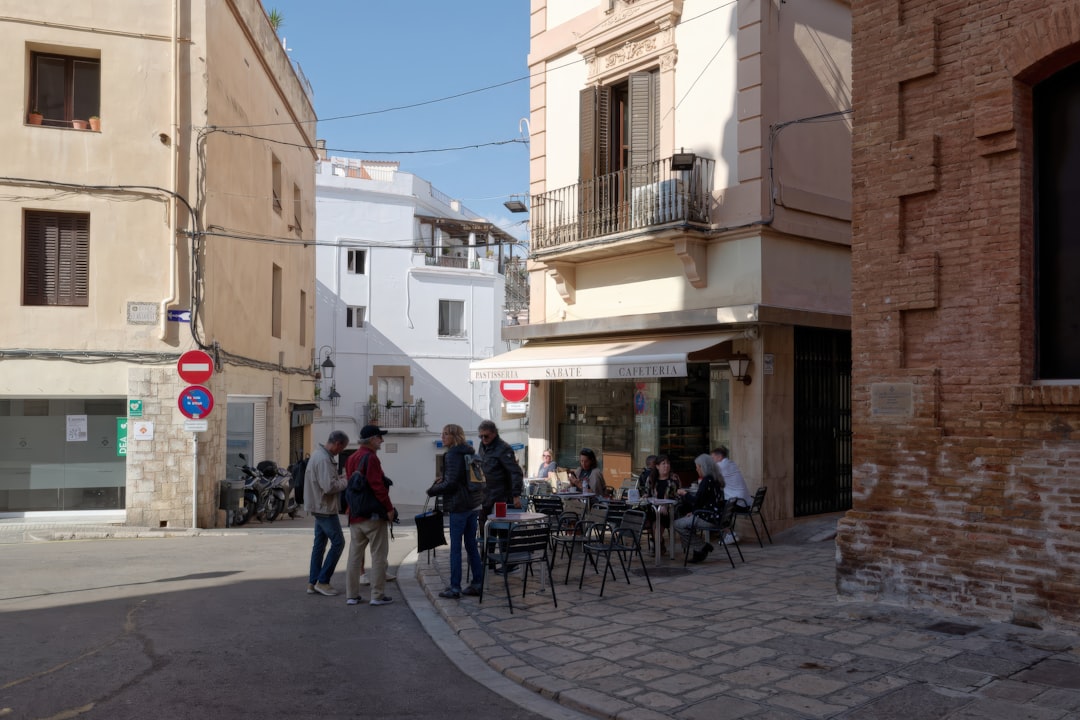
Spanish food culture is one of the nation’s greatest treasures, and navigating it successfully means understanding the language of eating and drinking. From the casual pintxos of Basque country to the late-night cenas (dinners) in Madrid, food is woven into Spanish social life. This guide will teach you the language you need to order like a local, understand menus, navigate dietary concerns, and participate in Spain’s legendary food and drink culture without confusion or embarrassment.
The Foundation: Understanding Spanish Meal Times
Before you even order, you need to understand when and how Spaniards eat. This is crucial to avoiding disappointment:
Desayuno (deh-sah-yoo-noh) = Breakfast (typically 7-9 AM)
Usually light: café con tostadas, churros with chocolate, or a simple pastry
Almuerzo (ahl-moo-er-thoh) = Late morning snack or early lunch (around 11 AM)
A small bite before the main lunch
Comida (koh-mee-dah) = Lunch, the main meal of the day (1-3 PM)
The biggest meal; many restaurants offer the menú del día (meh-noo del dee-ah) = menu of the day (a fixed-price lunch special)
Merienda (meh-ree-en-dah) = Afternoon snack (around 5-6 PM)
Coffee and a pastry or sandwich
Cena (theh-nah) = Dinner, eaten late (8:30-10 PM)
Often lighter than lunch; restaurants don’t get busy until after 9 PM
Understand this schedule, and restaurants suddenly make much more sense!
At the Restaurant: Essential Phrases
Tengo una reserva (ten-goh oo-nah reh-ser-vah) = I have a reservation
Una mesa para dos, por favor (oo-nah meh-sah pah-rah dohs, por fah-vor) = A table for two, please
¿Tenéis mesa? (teh-neh-ees meh-sah) = Do you have a table? (informal plural)
La carta, por favor (lah kar-tah, por fah-vor) = The menu, please
¿Cuál es el menú del día? (kwal es el meh-noo del dee-ah) = What is the menu of the day?
¿Qué nos recomienda? (keh nos reh-koh-mee-en-dah) = What do you recommend?
¿De qué va ese plato? (deh keh bah eh-seh plah-toh) = What is that dish?
¿Cuáles son los ingredientes? (kwal-es sohn lohs een-greh-dee-en-tes) = What are the ingredients?
Estoy listo/lista para pedir (es-toy lee-stoh/lee-stah pah-rah peh-deer) = I’m ready to order
Para mí… (pah-rah mee) = For me…
La cuenta, por favor (lah kwen-tah, por fah-vor) = The bill, please
¿Puedo pagar con tarjeta? (pweh-doh pah-gar kohn tar-heh-tah) = Can I pay with a card?
Dietary Restrictions and Allergies: Critical Information
Soy vegetariano/vegetariana (soy beh-heh-tah-ree-ah-noh/nah) = I’m vegetarian
Soy vegano/vegana (soy beh-gah-noh/nah) = I’m vegan
Soy celíaco/celíaca (soy theh-lee-ah-koh/kah) = I have celiac disease
Tengo alergia a… (ten-goh ah-ler-hee-ah ah) = I’m allergic to…
…los mariscos (lohs mah-rees-kohs) = shellfish
…los frutos secos (lohs froo-tohs seh-kohs) = tree nuts
…el cacahuete (el kah-kah-weh-teh) = peanuts
…la leche (lah leh-cheh) = milk/dairy
…los huevos (lohs weh-bohs) = eggs
…el gluten (el gloo-ten) = gluten
…el marisco (el mah-rees-koh) = shellfish (singular)
…las gambas (lahs gahm-bahs) = shrimp
¿Tiene…? (tee-eh-neh) = Does it have…?
¿Sin…? (seen) = Without…?
“Sin lactosa, por favor” (seen lahk-toh-sah, por fah-vor) = Without lactose, please
Spain is increasingly accommodating to dietary requirements, especially in major cities. Always communicate clearly about allergies—it’s a serious matter and restaurants understand the importance.
Ordering Tapas: The Spanish Way
Tapas are the heart of Spanish food culture. Here’s how to navigate them:
Una tapa de… (oo-nah tah-pah deh) = One tapa of…
Dos pinchos de… (dohs peen-chos deh) = Two pinchos of… (popular in Basque country)
Una ración de… (oo-nah rah-thee-ohn deh) = One serving of… (larger than a tapa)
Media ración de… (meh-dee-ah rah-thee-ohn deh) = Half serving of…
Las anchoas (lahs ahn-choh-ahs) = Anchovies
Las almejas (lahs ahl-meh-hahs) = Clams
Los camarones (lohs kah-mah-roh-nes) = Shrimp
Las croquetas (lahs kroh-keh-tahs) = Croquettes (usually ham or jamón)
Los espárragos (lohs es-pah-rah-gohs) = Asparagus
El pulpo a la gallega (el pool-poh ah lah gah-yeh-gah) = Galician-style octopus
Las bravas (lahs brah-bahs) = Usually patatas bravas (potatoes with spicy sauce)
El jamón ibérico (el hah-mohn ee-beh-ree-koh) = Iberian ham (premium)
Las croquetas de jamón (lahs kroh-keh-tahs deh hah-mohn) = Ham croquettes
Los boquerones en vinagre (lohs boh-keh-roh-nes en bee-nah-greh) = Marinated anchovies
Las alitas de pollo (lahs ah-lee-tahs deh poh-yoh) = Chicken wings
El jamón serrano (el hah-mohn seh-rah-noh) = Dry-cured jamón (most common, less expensive than Ibérico)
Ham Culture: A Deep Dive into Jamón
Jamón is sacred in Spain, and understanding the terminology will impress locals and help you choose what you want:
Jamón serrano (hah-mohn seh-rah-noh) = Spanish dry-cured ham; the standard choice
Made from white pigs, cured with sea salt, and aged 7-12 months
The most affordable and widely available jamón
Jamón ibérico (hah-mohn ee-beh-ree-koh) = Iberian ham; from black Iberian pigs
More flavorful and complex; significantly more expensive
The premium choice
Jamón ibérico de bellota (hah-mohn ee-beh-ree-koh deh beh-yoh-tah) = Iberian ham from acorn-fed pigs
The absolute pinnacle; the most expensive and sought-after
The acorn diet gives the meat its distinctive flavor
Pata negra (pah-tah neh-grah) = Literally “black hoof”; refers to the black hooves of Iberian pigs
Sometimes used as a marker of quality, though it’s technically just a description
Una tabla de jamón (oo-nah tah-blah deh hah-mohn) = A board of jamón (various sliced jamóns)
Perfect for sharing while discussing the qualities of each
Jamón cocido (hah-mohn koh-thee-doh) = Cooked ham
Less valued than cured ham; more like deli ham
When ordering jamón, you’ll often see sliced jamón presented beautifully. The key terms:
En lonchas (en lohn-chahs) = Sliced thin
Cortado a cuchillo (kor-tah-doh ah koo-chee-yoh) = Hand-sliced (considered superior)
Coffee Culture: From Desayuno to Post-Dinner
Coffee is serious business in Spain, and ordering the wrong thing can mean getting something you didn’t want:
Un café (oon kah-feh) = A single espresso (small and strong)
Un café solo (oon kah-feh soh-loh) = Espresso without milk (same as “un café”)
Un café con leche (oon kah-feh kohn leh-cheh) = Espresso with hot milk (larger cup, breakfast standard)
Un cortado (oon kor-tah-doh) = Espresso with a splash of milk; smaller than café con leche
Perfect mid-morning or after-dinner option
Un americano (oon ah-meh-ree-kah-noh) = Americano; espresso diluted with hot water
Un café tostado (oon kah-feh tohs-tah-doh) = Strong coffee
Un doble (oon doh-bleh) = Double espresso
Un ristretto (oon ris-treh-toh) = Ristretto; concentrated shot (very strong)
Un café con hielo (oon kah-feh kohn yeh-loh) = Iced coffee (summer favorite)
Un café descafeinado (oon kah-feh des-kah-feh-ee-nah-doh) = Decaf coffee
Commonly called un decaf (oon deh-kaf)
Wine Terminology: Navigating Spanish Vinos
Spain produces world-class wines at various price points:
Vino tinto (bee-noh teen-toh) = Red wine
Vino blanco (bee-noh blahn-koh) = White wine
Vino rosado (bee-noh roh-sah-doh) = Rosé wine
Un vino de la casa (oon bee-noh deh lah kah-sah) = House wine
Un vino reserva (oon bee-noh reh-ser-vah) = Aged wine (older, more expensive)
Un vino crianza (oon bee-noh kree-ahn-thah) = Oak-aged wine (middle quality/price)
Un vino joven (oon bee-noh hoh-ben) = Young wine (newest, least expensive)
Rioja (ree-oh-hah) = A famous region for red wines
Often considered Spain’s finest reds
La Rioja Alavesa (lah ree-oh-hah ahl-ah-beh-sah) = A specific sub-region known for quality
Cava (kah-vah) = Spanish sparkling wine
Cheaper alternative to champagne; excellent quality for the price
“¿Tomaré una copa de cava?” (toh-mah-reh oo-nah koh-pah deh kah-vah) = “I’ll have a glass of cava”
Albariño (ahl-bah-reen-yoh) = A white wine from Galicia
One of Spain’s best white wines
Tempranillo (tem-prah-nee-yoh) = A red grape variety; many Riojas use this
The name literally means “early ripening”
La Mancha (lah mahn-chah) = A wine region known for value wines
Produces a huge quantity of Spanish wine at reasonable prices
Una copa (oo-nah koh-pah) = A glass of wine
Un vasito (oon bah-see-toh) = A small glass (sometimes what you get when you order wine)
Una botella (oo-nah boh-teh-yah) = A bottle
“El vino de esta región es excelente” (el bee-noh deh es-tah reh-hee-ohn es ek-seh-len-teh) = “The wine from this region is excellent”
Beer and Other Drinks
Una cerveza (oo-nah ser-beh-thah) = A beer
Una caña (oo-nah kahn-yah) = A small beer (most common when you order “una cerveza” in a bar)
Usually about 200ml
Una jarra de cerveza (oo-nah hah-rah deh ser-beh-thah) = A pitcher of beer
Un litro (oon lee-troh) = A liter of beer
Un tercio (oon ter-thee-oh) = A third of a liter (standard bottle size)
Un agua con gas (oon ah-gwah kohn gahs) = Sparkling water
Un agua sin gas (oon ah-gwah seen gahs) = Still water
Un zumo de naranja (oon soo-moh deh nah-rahn-hah) = Orange juice
Un batido de chocolate (oon bah-tee-doh deh choh-koh-lah-teh) = Chocolate drink (thick milk-based)
Una horchata (oo-nah or-chah-tah) = Horchata (sweet milk from tiger nuts; summer drink)
Un agua tónica (oon ah-gwah toh-nee-kah) = Tonic water
At the Market: Compras de Comida
Shopping at Spanish markets (mercados) is an experience:
¿Cuánto cuesta? (kwahn-toh kwes-tah) = How much does it cost?
¿Por kilo? (por kee-loh) = By the kilo?
Deme un kilo de… (deh-meh oon kee-loh deh) = Give me a kilo of…
Deme medio kilo (deh-meh meh-dee-oh kee-loh) = Give me half a kilo
Deme cuatro tomates (deh-meh kwah-troh toh-mah-tes) = Give me four tomatoes
Las frutas (lahs froo-tahs) = Fruits
Las verduras (lahs ber-doo-rahs) = Vegetables
Las naranjas (lahs nah-rahn-hahs) = Oranges
Los tomates (lohs toh-mah-tes) = Tomatoes
Las patatas (lahs pah-tah-tahs) = Potatoes
Los pimientos (lohs pee-mee-en-tohs) = Bell peppers
El ajo (el ah-hoh) = Garlic
La cebolla (lah theh-boh-yah) = Onion
Las fresas (lahs freh-sahs) = Strawberries
Los plátanos (lohs plah-tah-nohs) = Bananas
Tipping and Payment
¿Propina incluida? (proh-pee-nah een-kloo-ee-dah) = Is tip included?
Acepto tarjeta (ah-sep-toh tar-heh-tah) = I accept cards (what you’ll see on signs)
¿Puedo pagar en efectivo? (pweh-doh pah-gar en eh-fek-tee-voh) = Can I pay in cash?
Tipping in Spain is not obligatory like in the US. 5-10% is standard for good service if you want to tip, though many locals simply round up or leave nothing.
Restaurant Types and Experiences
Un restaurante (oon res-tow-rahn-teh) = A restaurant
Una taberna (oo-nah tah-ber-nah) = A tavern/bar with food
Un bar de tapas (oon bar deh tah-pahs) = A tapas bar
Una mesón (oo-nah meh-sohn) = A traditional inn-style restaurant
Un chiringuito (oon chee-reen-gee-toh) = A beachside bar/restaurant (casual)
Final Thoughts on Spanish Food Culture
Spanish food is fundamentally social. Meals are events where people gather, linger, and enjoy each other’s company. Taking time to learn the language of eating in Spain transforms your experience from merely consuming food to participating in Spanish life. Whether you’re ordering jamón at a tavern, debating wine regions at a dinner table, or choosing between a café and a café con leche, these linguistic choices connect you to centuries of Spanish tradition.
Remember that Spaniards are generally patient with tourists attempting their language, especially around food—it shows you respect their culture enough to try. Don’t be afraid to ask questions, admit when you don’t understand, and accept recommendations from locals. Some of your best meals in Spain will come from the phrase “¿Qué me recomienda?” (What do you recommend?) followed by genuine appreciation for whatever appears on your plate.




Leave a Reply