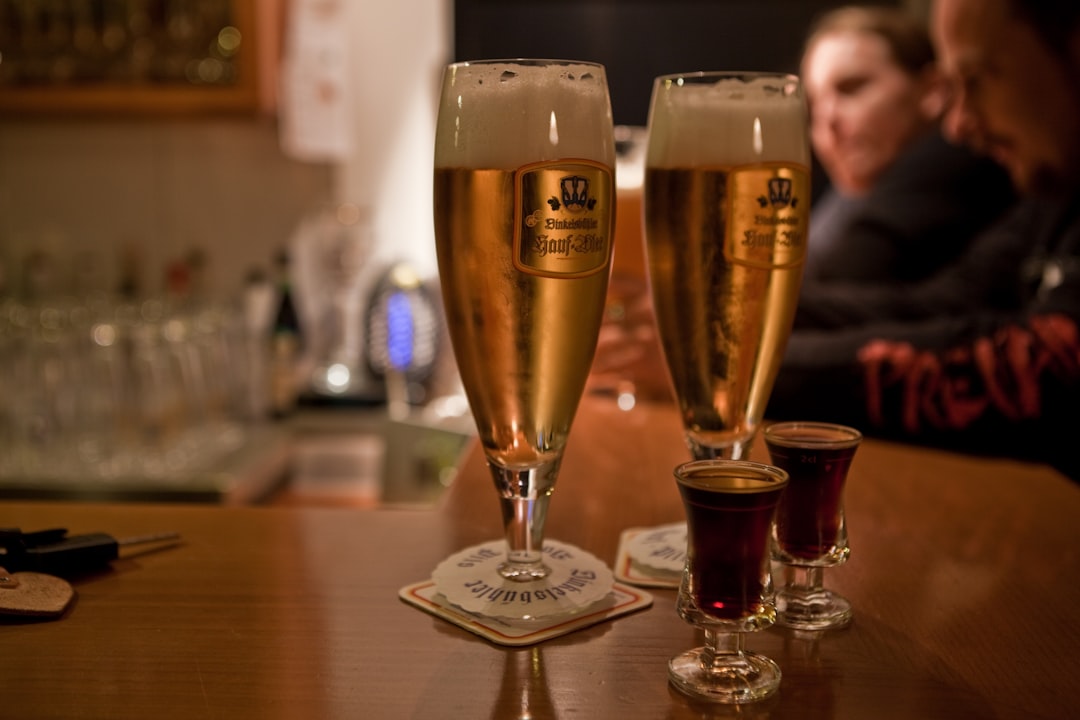
Food is the universal language, but knowing the right words to order, ask about ingredients, and navigate Czech cuisine elevates the experience from tourist to traveler. The Czech Republic has one of the world’s most distinctive food cultures, built on hearty comfort food, centuries of culinary tradition, and—most importantly—beer. This guide equips you with the vocabulary to order like a local, understand menus, and truly appreciate Czech gastronomy.
Restaurant Basics: Getting Started
Before you even open the menu, you’ll need to navigate the restaurant experience itself.
Restaurace (res-to-RAHTS-eh) – Restaurant. Standard word for a proper restaurant.
Hospoda (HOS-po-dah) – A pub or tavern. Less formal than a restaurace, more authentic, and often better value.
Kavárna (kah-VAR-nah) – A café, primarily for coffee and light meals.
Jídelna (YEE-del-nah) – A cafeteria or casual eatery. These are everywhere and offer cheap, hearty food.
Objednavám si… (ob-yed-NAH-vahm see) – I would like to order… (formal/polite way to begin).
Mám rezervaci (mahm REH-zer-vat-see) – I have a reservation.
Stůl pro dvě osoby (STOOL pro DVEH OH-so-bee) – A table for two people. Adjust the number as needed: “pro jednu osobu” (for one person), “pro tři osoby” (for three people), “pro čtyři osoby” (for four people).
Máte volný stůl? (MAH-teh VOL-nee STOOL) – Do you have a vacant table?
Kde je menu? (kdeh yeh MEH-noo) – Where is the menu?
Máte menu bez masa? (MAH-teh MEH-noo bez MAH-sah) – Do you have a vegetarian menu? (literally “menu without meat”).
Kolik budu čekat? (KO-lik BU-doo CHEH-kat) – How long will I wait?
Reading the Menu: Understanding Czech Dishes
Czech menus are typically organized by category. Here’s what you’ll encounter:
Předkrmy (PRZHED-kru-mee) – Appetizers/starters.
Polévky (poh-LEHV-kee) – Soups. These are serious business in Czech cuisine.
Hlavní chody (HLAHV-nee KHO-dee) – Main courses.
Přílohy (PRZEE-lo-hee) – Side dishes.
Moučníky (MOWTCH-nee-kee) – Desserts.
Nápoje (NAH-po-yeh) – Beverages.
Essential Dish Vocabulary
Svíčková (SVEE-chko-vah) – This is THE Czech national dish. Sirloin beef in a creamy vegetable sauce with dumplings and cranberry sauce. If you eat nothing else Czech, eat this. Pronunciation is tricky, but it sounds like “SVEE-chko-vah.”
Guláš (GOO-lahsh) – Goulash, a stew with beef, onions, and paprika. This is Hungarian in origin but deeply embedded in Czech cuisine.
Řízek (RZEE-zek) – A breaded, fried cutlet, usually pork (vepřový řízek) or chicken (kuřecí řízek). Czech comfort food at its finest.
Knedlíky (KNED-lee-kee) – Dumplings. These are not sweet; they’re a starch side dish made from bread or potatoes. They’re served with almost everything.
Pelmeni (PEL-meh-nee) – Dumplings with meat inside. A specialty in some regions.
Bramborák (BRAHM-bo-rahk) – Potato pancakes, usually served with sour cream (smetana).
Vepřo-knedlo-zelo (VEP-rzho-KNED-lo-ZEH-lo) – Pork, dumplings, and sauerkraut. The quintessential Czech combination, often abbreviated as “vepřo-knedlo-zelo.”
Tripe – This appears on many Czech menus as “dršť’ková omáčka” (DRSH-tyoo-kah o-MAH-chkah). It’s beef tripe in a slightly sweet sauce. Not for the faint of heart!
Smažený sýr (SMAH-zhe-nee SEER) – Fried cheese, usually breaded. Often served with tartar sauce. An excellent side dish or appetizer.
Kulajda (KU-ly-dah) – A mushroom soup with potatoes and pickled cucumber. Delicious and very Czech.
Cibulačka (TIB-oo-lah-chkah) – An onion soup, often served in a bread bowl. A Prague specialty.
Smazák (SMAH-zahk) – Basically anything fried. Could refer to fried cheese, fried mushrooms, or fried chicken.
Steák (STEAK) – Steak, usually beef. Czech steaks tend to be thinner than American versions.
Hovězí (HO-vyeh-zee) – Beef (generic).
Vepřové (VEP-rzho-vuh) – Pork.
Kuřecí (KOO-rzheh-tsee) – Chicken.
Kachní (KAHKH-nee) – Duck.
Losos (LO-sos) – Salmon.
Understanding the Menu Further: Descriptions and Cooking Methods
Na másle (nah MAHS-leh) – In butter.
Na oleji (nah O-ley) – In oil.
Na grilu (nah GREE-loo) – Grilled.
Smažený (SMAH-zhe-nee) – Fried.
Pečený (PEH-cheh-nee) – Baked/roasted.
Dušený (DOO-sheh-nee) – Braised/stewed.
S máslovou omáčkou (s MAHS-lo-vo-o-MAH-chko) – With butter sauce.
S rajskou omáčkou (s RAY-sko-o-MAH-chko) – With tomato sauce.
S houbami (s HOU-bah-mee) – With mushrooms.
S cibulí (s TSIB-oo-lee) – With onions.
Allergies and Dietary Requirements: Essential for Safety
This is crucial information. Czechs take allergies seriously, and restaurants will want to know.
Mám alergii na… (mahm ah-LER-gee nah) – I have an allergy to…
Peanuts: Arašídy (ah-rah-SHEE-dee)
Tree nuts: Ořechy (O-zheh-khee)
Milk/Dairy: Mléčné produkty (MLECH-nuh PROH-duk-tee)
Gluten: Gluten (GLOO-ten) – English word commonly used.
Shellfish: Korýši (ko-REE-shee)
Eggs: Vejce (VEY-tseh)
Fish: Ryby (REE-bee)
Soy: Sóju (SO-yoo)
Jsem vegetarián (sem veh-geh-tah-REEAHN) – I am a vegetarian (if you’re male; for female: Jsem vegetariánka).
Jsem vegán (sem veh-GAHN) – I am a vegan (male; female: Jsem vegánka).
Nemohu jíst maso (NEH-mo-hoo yist MAH-so) – I cannot eat meat.
Které jídlo neobsahuje maso? (KEH-ruh YID-lo neh-ob-sah-hoo-yeh MAH-so) – Which dishes don’t contain meat?
Kde jsou ingredience? (kdeh sou in-greh-dee-EN-tseh) – Where are the ingredients? (asking for a list).
The Sacred Art of Czech Beer
Beer isn’t just a beverage in Czech culture; it’s a religion. The Czech Republic drinks more beer per capita than any other country in the world—about 147 liters per person per year. Understanding beer vocabulary is essential to Czech culture.
Beer Basics
Pivo (PEE-vo) – Beer.
Pivko (PEEF-ko) – A cute/casual term for beer (diminutive).
Pint (PEENT) – A half-liter glass of beer. Standard pub serving.
Půllitr (POOL-lee-ter) – A half-liter, same as a pint.
Litr (LITER) – A full liter of beer. Some pubs serve this in a large glass.
Půl piva (POOL PEE-vah) – A small beer, usually 0.3 liters.
Malá (MAH-lah) – Small (when ordering).
Velká (VEL-kah) – Large.
Jedna piva, prosím (YED-nah PEE-vah, PROH-seem) – One beer, please.
Dvě piva, prosím (DVEH PEE-vah, PROH-seem) – Two beers, please. Note: “piva” is plural.
Types and Styles of Czech Beer
Světlé pivo (SVET-luh PEE-vo) – Light/pale lager. The most common type, what people drink when they just say “pivo.”
Tmavé pivo (TMAH-vuh PEE-vo) – Dark beer, usually heavier and slightly sweet.
Speciál (SPEH-tsee-ahl) – A specialty beer, often stronger.
Desítka (DES-eet-kah) – A 10-degree beer (referring to alcohol/gravity content), the standard strength.
Dvanáctka (dvah-NAHTS-kah) – A 12-degree beer, stronger and heavier.
Čtrnáctka (CHTIR-nahts-kah) – A 14-degree beer, quite strong.
Pilsner – The original pilsner comes from Plzeň, Czech Republic. It’s basically what a regular Czech light beer is.
Budvar (BU-dvahr) – Budweiser Budvar, a famous Czech beer from České Budějovice (the original Budweiser, not the American version).
Pilsner Urquell – Another world-famous Czech beer from Plzeň.
Řezák (RZEH-zahk) – A strong beer, literally “cutter.” These are meant to be sipped, not gulped.
Nealkoholické pivo (neh-ahl-ko-HOL-its-kuh PEE-vo) – Non-alcoholic beer.
Bez pěny (bez PYEH-nee) – Without foam (if you want less head on your beer).
S pěnou (s PYEH-no) – With foam.
Pub Culture and Beer Etiquette
Na zdraví! (nah ZDRAH-vee) – Cheers! (literally “to health”). You clink glasses and say this.
Pít si, povídej si (peet see, po-VEE-dey see) – Drinking and chatting. This is the philosophy of Czech pub culture.
Hospoda (HOS-po-dah) – A pub. These are sacred institutions where Czechs spend evenings.
Hospodin (HOS-po-deen) – The pub owner/bartender. A respected figure.
Dáte si něco? (DAH-teh see NEH-tso) – What would you like? (server asking).
Sama sebou (SAH-mah SEH-bo) – Another round? (literally “by itself”). A smooth way to ask if someone wants another.
Já nabídnu (yah nah-BID-noo) – I’m buying (as in, I’m treating). Czechs frequently buy rounds for each other.
Coffee Culture
While beer is king, Czech coffee culture is sophisticated and worth understanding.
Kávenna (kah-VEHR-nah) – A café.
Káva (KAH-vah) – Coffee.
Kávička (KAH-vitch-kah) – A cute/casual term for coffee.
Turka (TUR-kah) – Turkish coffee, made in a special pot.
Espresso (ES-pres-o) – Espresso (English word used in Czech).
Káva s mlékem (KAH-vah s MLEH-kem) – Coffee with milk.
Černá káva (CHER-nah KAH-vah) – Black coffee.
Malá káva (MAH-lah KAH-vah) – Small coffee.
Velká káva (VEL-kah KAH-vah) – Large coffee.
S cukrem (s TSOO-krem) – With sugar.
Bez cukru (bez TSOO-kru) – Without sugar.
S medem (s MEH-dem) – With honey.
Capuccino (kah-pu-CHEE-no) – Cappuccino.
Latte (LAH-teh) – Latte.
Other Beverages
Voda (VO-dah) – Water.
Voda s ledením (VO-dah s LED-em) – Water with ice.
Minerální voda (mee-neh-RAH-lee VO-dah) – Mineral water (sparkling or still).
Soda (SO-dah) – Soda water.
Limonáda (lee-mo-NAH-dah) – Lemonade.
Džus (JOOSH) – Juice (pronounced like English “juice”).
Jablečný džus (YAH-bler-nee JOOSH) – Apple juice.
Pomerančový džus (po-mah-RAHN-tso-vee JOOSH) – Orange juice.
Víno (VEE-no) – Wine.
Červené víno (CHER-veh-nuh VEE-no) – Red wine.
Bílé víno (BEE-luh VEE-no) – White wine.
Růžové víno (ROO-zho-vuh VEE-no) – Rosé wine.
Sekt (SEKT) – Sparkling wine/champagne.
Rum (RUM) – Rum.
Vodka (VOD-kah) – Vodka.
Slivovice (sli-VO-vit-seh) – Plum brandy, a traditional Czech spirit.
Desserts and Sweet Treats
Moučníky (MOWTCH-nee-kee) – Desserts.
Dort (dort) – Cake.
Čokoládový dort (CHOH-ko-lah-do-vee dort) – Chocolate cake.
Smetanový dort (SMEH-tah-no-vee dort) – Cream cake.
Ovocný dort (O-vots-nee dort) – Fruit cake.
Zmrzlina (ZMUR-zlee-nah) – Ice cream.
Zmrzlinářství (ZMUR-zlee-nahr-stvi) – Ice cream parlor.
Kobliha (KOB-lee-hah) – A donut, usually filled with jam.
Trdelník (TUR-del-neek) – A sweet pastry rolled in sugar and cinnamon. A Prague specialty.
Palačinka (pah-lah-CHIN-kah) – A crepe/pancake, often with jam or chocolate filling.
Strudel (STRU-del) – Apple strudel (shared with Austrian cuisine).
Street Food and Quick Bites
Párek v rohlíku (PAH-rek v RO-hlee-koo) – A hot dog in a roll, the quintessential Czech street food.
Trdelník (TUR-del-neek) – Mentioned above, very common in tourist areas.
Chlebíček (KHLEH-bee-chek) – An open-faced sandwich.
Sendvič (SEND-vitch) – A sandwich.
Salámy (sah-LAH-mee) – Salami/cured meats.
Sýr (SEER) – Cheese.
Chleba (KHLEH-bah) – Bread.
Máslo (MAHS-lo) – Butter.
At the Market: Farmer’s Market Vocabulary
Trh (turh) – Market.
Zelenina (zeh-leh-NEE-nah) – Vegetables.
Ovoce (O-vo-tseh) – Fruit.
Rajské jablko (RAY-skuh YAH-bler-ko) – Tomato (literally “paradise apple”).
Brambory (BRAHM-bo-ree) – Potatoes.
Cibule (TSIB-oo-leh) – Onions.
Česnek (CHES-nek) – Garlic.
Mrkev (MUR-kev) – Carrot.
Jablko (YAH-bler-ko) – Apple.
Pomeranč (po-MEH-ranch) – Orange.
Hruška (HRUOSH-kah) – Pear.
Jahoda (yah-HO-dah) – Strawberry.
Blueberries – Often sold at markets and made into jam.
Tipping and Payment Etiquette
Kolik mohu zaplatit? (KO-lik MO-hoo zah-PLAH-tit) – What do I owe? (standard way to ask for the bill).
Účet, prosím (OO-chet, PROH-seem) – The bill, please.
Kartou (KAR-to) – By card.
Hotovostí (ho-TO-vos-tee) – In cash.
Tip – English word used in Czech, meaning a tip. Tipping isn’t obligatory but is appreciated (5-10% is typical).
Děkuji (DYEH-koo-yee) – Thank you.
Na zdraví! (nah ZDRAH-vee) – Cheers! (sometimes said at the end of a meal as a gesture of appreciation).
Final Thoughts: Food as Culture
Czech food is hearty, satisfying, and deeply tied to history and culture. By learning these words, you’re not just ordering food; you’re participating in Czech tradition. Every svíčková, every pivko, every hospoda conversation connects you to centuries of Czech culture.
The next time you sit down in a Czech restaurant, use these words with confidence. The server will appreciate your effort, and you’ll taste not just food, but history itself.
—
Pro tip: Don’t miss the local food markets in Prague’s Náplavka area or Vinohrady Market. That’s where real Czech food culture happens.




Leave a Reply