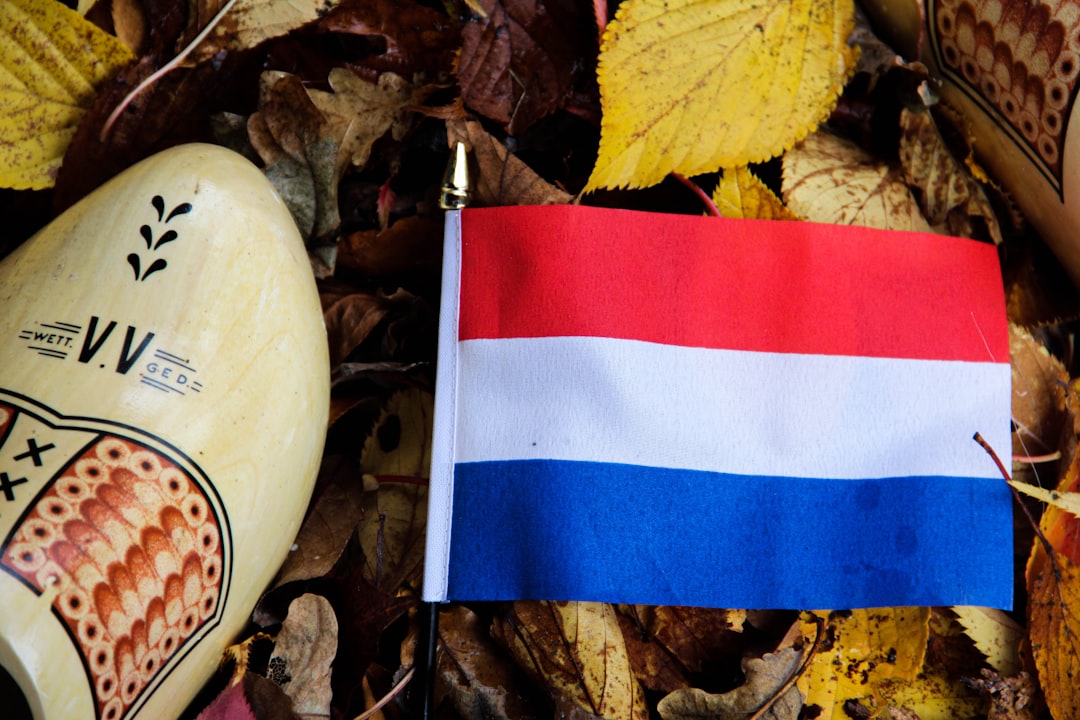
One of the greatest pleasures of traveling is experiencing local food and drink, and the Netherlands offers fantastic culinary experiences—from simple street food to innovative restaurants. Navigating Dutch menus, understanding food terminology, and ordering confidently in Dutch adds an extra dimension of joy to your meals. This guide covers the language you need to become a confident diner in the Netherlands, from casual snack stands to fine dining establishments.
Ordering at Restaurants
When you enter a Dutch restaurant, here’s what you need to know to get started:
Ik wil graag een tafel voor twee (ik vil KHRAHKH ayn TAH-fel voor TWAH) – I would like a table for two
Adjust the number based on your group size. Essential for getting seated.
Hebben jullie een rooksvrije plek? (HAH-bun YOO-lee-uh ayn ROOKS-vry-uh PLEK?) – Do you have a non-smoking area?
Smoking bans vary by restaurant, but some sections may still permit smoking.
Mag ik de menukaart zien? (MAKH ik duh MAY-noo-KAHT zen?) – May I see the menu?
Standard request. “De kaart” (the menu) is also commonly used.
Wat is uw aanbeveling? (VAT is oo AHN-buh-FAY-ling?) – What is your recommendation?
Dutch waiters love to recommend dishes, and they’re usually spot-on.
Wat is het gerecht van de dag? (VAT is het khuh-REKHT van duh DAKH?) – What is the dish of the day?
Many restaurants feature daily specials, often at good prices.
Ik ben vegetarisch (ik ben vay-khuh-TAH-ree-is) – I am vegetarian
Important information if you don’t eat meat. The Dutch have excellent vegetarian options, though you need to state this clearly.
Ik ben veganist (ik ben VAY-khah-nist) – I am vegan
Similarly important if you avoid all animal products.
Ik ben allergisch voor… (ik ben al-er-KHEES voor…) – I am allergic to…
Follow with the allergen: “noten” (nuts), “vissenei” (fish), “schaaldiertjes” (shellfish), “melk” (milk), “eieren” (eggs), “soja” (soy).
Bevat dit…? (buh-VAT dit…?) – Does this contain…?
A way to ask about specific ingredients before ordering.
Understanding Dutch Menus
Dutch restaurant menus typically have sections you should recognize:
Voorgerechten (VOOR-khuh-REKH-tun) – Appetizers/starters
The first course of a meal.
Soepen (SOO-pun) – Soups
Often hearty and satisfying.
Hoofdgerechten (HOHFT-khuh-REKH-tun) – Main courses
The primary dish, usually featuring protein and sides.
Nagerechten/Desserts (NAH-khuh-REKH-tun / des-SERTS) – Desserts
Sweet endings to your meal.
Drankjes (DRANK-yus) – Drinks
The beverage section. Sometimes split into “Alcoholische” (alcoholic) and “Niet-alcoholische” (non-alcoholic).
Bieren (BEER-un) – Beers
Since beer is hugely popular in the Netherlands, this often gets its own section.
Wijnen (VY-nun) – Wines
Another important category in Dutch dining.
Asking for Specific Items
Een glas water, alstublieft (ayn KHLAS WAH-ter, ALS-too-BLEEFT) – A glass of water, please
Water is typically free and available immediately.
Met of zonder ijs? (met of ZON-der YS?) – With or without ice?
A question you might be asked about cold beverages.
Een glas wijn (ayn KHLAS VYN) – A glass of wine
Follow with the type: “rood” (red), “wit” (white), “rosé” (rosé), “bubbels” (sparkling).
Een pint bier (ayn PINT BEER) – A pint of beer
Beers are usually served in half-liter glasses, but you can ask for smaller sizes.
Een kopje koffie (ayn KOP-yuh KOH-fee) – A cup of coffee
Coffee culture is strong in the Netherlands.
Een cappuccino (ayn kah-poo-CHEE-noh) – A cappuccino
Italian coffeehouse traditions are well-established in Dutch cities.
Een espresso (ayn es-PRES-oh) – An espresso
Short and strong, the Dutch like their coffee.
Met of zonder melk? (met of ZON-der MELK?) – With or without milk?
A standard coffee question. Also: “Met suiker?” (With sugar?) and “Met honing?” (With honey?)
Een thee (ayn TAY) – A tea
Usually served with hot water on the side so you can steep it as long as you like.
Dutch Specialties to Order
Now the fun part—actual Dutch dishes and food items. These are the experiences you shouldn’t miss:
Stamppot (STAHM-pot) – Dutch stew
Mashed potatoes mixed with vegetables (like kale, carrots, or endive) and often served with sausage or meatballs. This is classic, hearty, Dutch comfort food. “Stamppot met groente en worst” (stamppot with vegetables and sausage).
Hutspot (HUT-spot) – Similar to stamppot
A variation with potatoes, carrots, and onions, traditionally served with beef. Historically this was peasant food, but it remains beloved.
Bitterballen (BIT-er-bahl-un) – Fried meat ragout balls
These are crispy on the outside and creamy meat mixture on the inside. Usually served as snacks with mustard. “Een bordje bitterballen, alstublieft” (A plate of bitterballen, please). These are absolutely delicious.
Kroketten (kroh-KET-un) – Similar fried ragout croquettes
Slightly larger and more oval-shaped than bitterballen. Often served as appetizers or with lunch. “Een kroket met mosterd” (a croquette with mustard).
Frikandel (free-KAN-del) – A Dutch hot dog
A cylindrical, spiced meat product that’s absolutely iconic. Found at every snack stand. “Een frikandel speciaal” (a frikandel special—with onions and peanut sauce).
Patatje (pah-TAT-yuh) – Fries
Dutch fries are different from American fries—thicker cut and often served with mayonnaise. “Patat met mayo” (fries with mayo) is how you order them. “Patatje oorlog” (war fries) includes mayo, onions, and peanut sauce for a flavor explosion.
Herring/Haring (HAH-ring) – Raw herring
A classic Dutch delicacy. “Kibbeling” is fried herring. “Een paar haring” (a couple of herring) is how you order them at herring stands.
Kroket en frikandel stand (KROH-ket en free-KAN-del STAND) – Snack bar
These are everywhere and provide some of the best quick food in the Netherlands.
Ingredients and How to Ask About Them
When reading menus or talking to chefs, you’ll need food vocabulary:
Vlees (VLAYS) – Meat
Rund (RUNT) – Beef
Varkensvlees (VAR-kunz-vlays) – Pork
Kippenvlees (KIP-un-vlays) – Chicken
Lam (LAHM) – Lamb
Vis (VIS) – Fish
Forel (foh-REL) – Trout
Zalm (ZAHM) – Salmon
Mosselen (MOS-ul-un) – Mussels
Oesters (OOS-ters) – Oysters
Groenten (KHRON-tun) – Vegetables
Aardappelen (AHR-dap-ul-un) – Potatoes
Rijst (RYST) – Rice
Pasta (PAS-tah) – Pasta
Brood (BROHT) – Bread
Kaas (KAHS) – Cheese
Dutch Cheese Culture
Cheese is huge in Dutch culture, and you’ll find it everywhere:
Edam (AY-dam) – A mild, creamy cheese
One of the most famous Dutch cheeses, often covered in red wax. Traditionally from Edam.
Gouda (HOW-dah) – A semi-hard cheese
Named after the city of Gouda, this is probably the most well-known Dutch cheese internationally. “Jonge Gouda” is younger and milder, while “Oude Gouda” (aged Gouda) is sharper.
Edammer (AY-dah-mer) – Another variation
Slightly different from Edam but similarly styled.
Kaaswinkel (KAHS-ving-kel) – Cheese shop
The Netherlands has specialized cheese shops that are absolutely worth visiting.
Kaasschaaf (KAHS-skahf) – Cheese slicer/cheese planer
A traditional Dutch tool for serving cheese properly.
When ordering: “Een stukje jonge Gouda” (a piece of young Gouda), “Een bordje kaas en brood” (a plate of cheese and bread).
Indonesian-Dutch Fusion: Rijsttafel
The Netherlands has significant Indonesian influence due to colonial history, resulting in delicious cuisine:
Rijsttafel (RYST-tah-fel) – Rice table
An elaborate meal with rice and many side dishes, curries, and accompaniments. Originally from Indonesia, it’s now a Dutch restaurant staple. “Een rijsttafel voor twee, alstublieft” (A rice table for two, please).
Rendang (ren-DANG) – Spiced meat or vegetable dish
A slow-cooked curry with coconut milk and spices.
Satay/Satéstokjes (sah-TAY-stok-yus) – Meat on a stick with peanut sauce
Delicious appetizer. “Een portie satéstokjes met pindakaas” (a portion of satay with peanut sauce).
Lumpia (LOOM-pee-ah) – Spring rolls
Often served as appetizers. “Een paar lumpias” (a couple of lumpia).
Kroepoek (KRU-pook) – Shrimp crackers
Light, crispy snacks served as appetizers with many meals.
Sambal (SAHM-bal) – Spice paste
Hot chili paste served as a condiment. Be careful—it’s often very spicy!
Street Food and Snacks
Dutch street food culture is phenomenal. Here’s what you’ll find:
Stroopwafel (STROHP-wah-fel) – Waffle with caramel inside
Perhaps the most iconic Dutch treat. Buy from a stand and eat it warm. “Een stroopwafel, alstublieft” (a stroopwafel, please).
Poffertjes (POH-fer-chuz) – Mini pancakes
Tiny, fluffy pancakes dusted with powdered sugar, served with butter. Delicious and not to be missed.
Pannenkoeken (pah-nun-KOO-kun) – Pancakes
Dutch pancakes are thinner than American ones and can be served sweet or savory. “Een pannenkoek met jam” (a pancake with jam), or “een pannenkoek met ei” (a pancake with egg).
Appeltaart (AH-pul-tahrt) – Apple pie
Dutch apple pie is rich and buttery with plenty of filling. Often served with whipped cream or vanilla sauce. “Een stukje appeltaart met slagroom” (a piece of apple pie with whipped cream).
Bittergarnituur (BIT-er-gar-ni-TUR) – Bitter snacks
A assortment of fried snacks served with drinks.
Ordering Drinks
The Dutch have strong beer and coffee cultures:
Bieren van het huis (BEER-un van het HOWS) – House beers
Most bars have several on tap. Popular brands include Heineken, Amstel, Grolsch, and Brouwerij ‘t IJ.
Een halfliter (ayn HALF-lee-ter) – A half-liter glass
Standard beer serving size in the Netherlands. “Een halfliter Amstel, alstublieft” (a half-liter of Amstel, please).
Een pint (ayn PINT) – A pint
Smaller than a halfliter, about 330ml.
Witbier (vit-BEER) – White/wheat beer
Lighter, often citrusy flavor. Popular Belgian/Dutch style.
Jenever (yuh-NAY-ver) – Dutch gin
A traditional spirit, often served ice-cold as a shot. “Een jenevertje” (a little shot of jenever). There’s a tradition of drinking it with beer—the “biertje met jenevertje” combo.
Advocaat (ad-voh-KAHT) – Eggnog liqueur
A rich, creamy drink popular around the holidays. Often served in a shot glass.
Koffie verkeerd (KOH-fee ver-KAYRT) – Coffee with milk (literally “wrong coffee”)
Called this humorously because it’s the “wrong” way to make coffee (adding milk instead of serving it on the side).
Een dubbele espresso (ayn DUB-ul-uh es-PRES-oh) – A double espresso
For serious coffee drinkers.
Een koffie met kardemom (ayn KOH-fee met kar-duh-MOM) – Coffee with cardamom
A Nordic tradition you’ll find in some Dutch cafés.
Desserts and Sweet Treats
Tiramisu (teer-ah-MOO-soo) – Italian dessert
Very popular in Dutch restaurants.
Toetje/Nagerecht (TOO-chuh / NAH-khuh-REKHT) – Dessert
The word for dessert.
IJsje (AYS-yuh) – Ice cream
Dutch ice cream is excellent. “Een ijsje met twee bolletjes” (an ice cream with two scoops).
Vlaai (VLYE) – Pie
Regional specialty, particularly from Limburg.
Sorbet (sor-BET) – Sorbet
Refreshing fruit-based frozen dessert.
Paying and Tipping
De rekening, alstublieft (duh RAY-kuh-ning, ALS-too-BLEEFT) – The bill, please
How you ask for the check.
Ik betaal graag contant (ik buh-TAHL KHRAHKH KON-tant) – I would like to pay in cash
Though most places accept cards now.
Mag ik met een kaart betalen? (MAKH ik met ayn KAHRT buh-TAHL-un?) – Can I pay with a card?
Most Dutch establishments accept cards.
Houd het wisselgeld (HOWT het VIS-sel-khelt) – Keep the change
A way to tip without being explicit about it. Tipping in the Netherlands is not mandatory and usually just a small amount (5-10% in restaurants).
Dietary Preferences and Restrictions
Ik hou niet van… (ik how neet van…) – I don’t like…
Express your preferences: “…aardappelen” (potatoes), “…vis” (fish), “…saus” (sauce).
Zonder… (ZON-der…) – Without…
A way to request modifications: “Zonder zout” (without salt), “zonder olie” (without oil), “zonder vlees” (without meat).
Gluten-vrij (KHLOO-tun-vry) – Gluten-free
Becoming more available as awareness of celiac disease grows.
Lactose-intolerant (LAK-toos-in-TOH-luh-rant) – Lactose intolerant
Use this if you have dairy issues.
Final Tips for Dining in Dutch
- Many Dutch restaurants are informal, and you might not be seated immediately upon arrival—find your own table and wait for someone to take your order.
Understanding the food vocabulary and ordering conventions of Dutch dining transforms your experience from tourist to participant in Dutch culinary culture. Whether you’re at a Michelin-starred restaurant in Amsterdam or grabbing a frikandel at a corner snack stand, using Dutch to order food and drink enhances the experience. The Dutch love food, take it seriously, and will appreciate your efforts to engage with their culinary traditions in their language. Eet smakelijk! (Enjoy your meal!)




Leave a Reply