Introduction
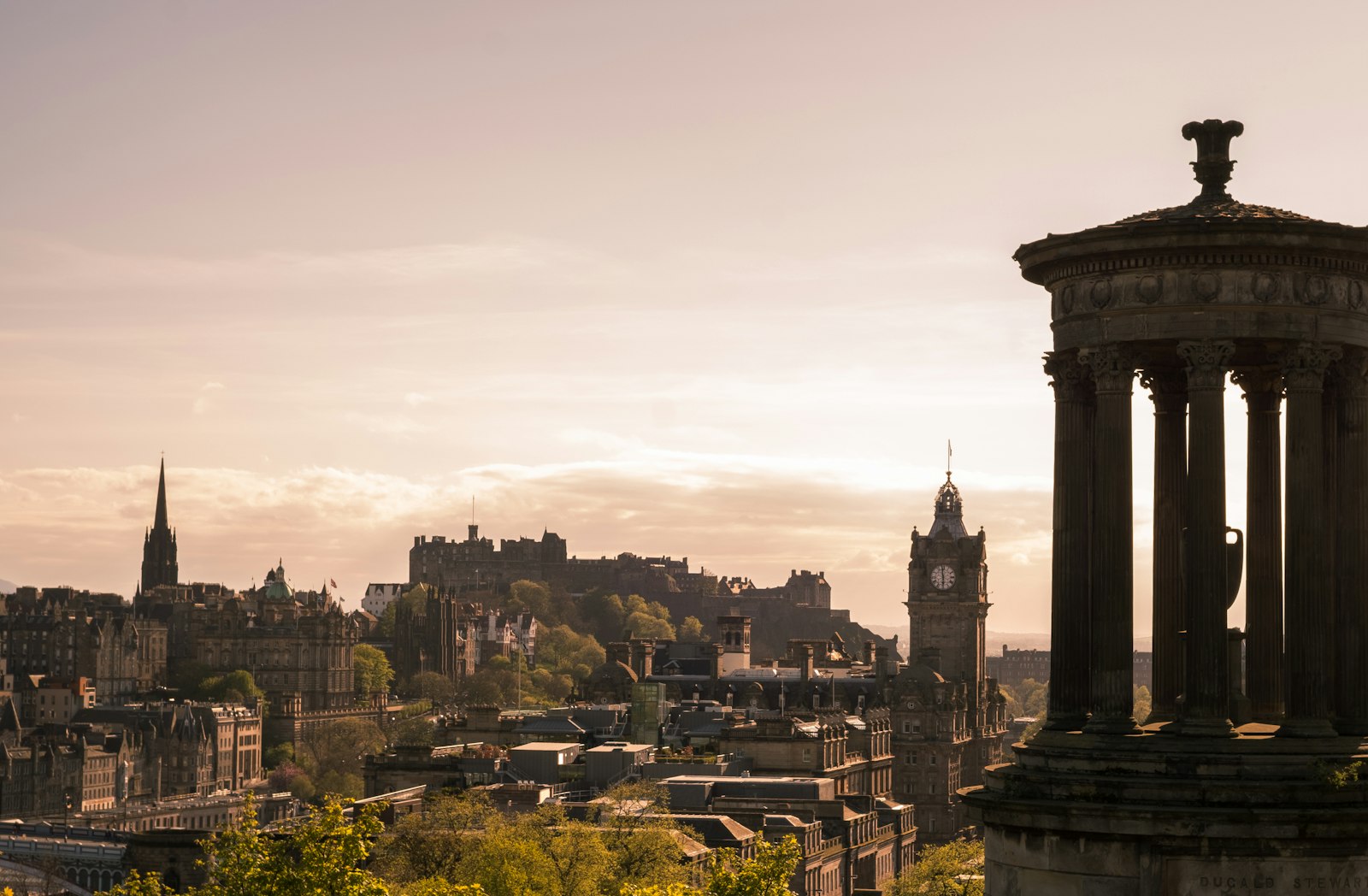
Edinburgh is one of Europe’s most visually stunning cities. Perched on volcanic hills, crowned by a castle, and featuring an extraordinary mix of medieval Old Town and Georgian New Town architecture, Edinburgh is instantly recognizable and endlessly fascinating.
Scotland’s capital has a distinctive character—more cosmopolitan than Glasgow, more dramatic than smaller Scottish cities, and with a genuinely unique atmosphere blending history, arts, and modern vibrancy. For Americans, Edinburgh is often the highlight of a UK visit.
This guide covers the major areas, attractions, festivals, and practical logistics for visiting one of Britain’s great cities.
Geography & Districts
Edinburgh’s geography shapes its character—the city sprawls across hills, creating distinct neighborhoods with different characters.
Old Town: The medieval heart, built along the spine of the Royal Mile descending from Edinburgh Castle. Narrow closes (alleyways), historic buildings, and atmospheric streets define this area.
New Town: Built in the 1760s-1820s, this district features elegant Georgian architecture in geometric blocks. Princes Street is the main shopping street.
Leith: The port district, recently revitalized with restaurants, galleries, and breweries. Increasingly trendy and genuinely local.
Stockbridge: A charming neighborhood northwest of the New Town with independent shops, cafes, and a village-like feel.
Morningside: An upscale residential area south of the center, quieter and more gentrified.
Old Town
The Royal Mile
The Royal Mile is Edinburgh’s most famous street—a steep, winding main street descending from Edinburgh Castle to the Palace of Holyroodhouse. It’s the city’s historical spine and busiest tourist area.
What to See:
- Edinburgh Castle: Scotland’s most visited attraction, perched atop an extinct volcano. The castle contains the Scottish Crown Jewels, a military museum, and extensive historical exhibits. Admission about £20. Allow 2-3 hours. Arrive early to beat crowds.
- St. Giles’ Cathedral: A beautiful Gothic church with a distinctive crown steeple dominating the Royal Mile. Free entry; small donation suggested. The interior is surprisingly spacious and gorgeous.
- Canonball House: A historic building with a cannonball embedded in its wall (legend says it was fired during a siege).
- The Tolbooth & Heart of Midlothian: Historic buildings and the inlaid heart on the street marking the location of the former Tolbooth prison.
- Parliament Square: Historic buildings surrounding a medieval square.
Shopping & Dining: The Royal Mile is packed with souvenir shops (tartan, shortbread, Scottish whisky), cafes, restaurants, and pubs. Quality varies; avoid the most touristy-looking places.
Closes & Wynds
The Old Town’s greatest charm lies in its narrow alleyways (closes and wynds). These medieval passages between main streets reveal hidden courtyards, historic buildings, and atmospheric corners.
Notable Closes:
Wandering these closes is how you discover Old Town’s real character, away from the Royal Mile crowds.
National Museum of Scotland
A world-class museum covering Scottish history, art, culture, science, and nature. Admission is free. The building itself is modern but fits beautifully into Old Town’s historic context. Plan 2-3 hours for highlights.
New Town
Princes Street & Shopping
Princes Street is Edinburgh’s premier shopping street, with department stores, international chains, and Scottish shops. The street runs parallel to the Old Town, with gardens between them offering green space and views of the castle.
Shops:
The east end of Princes Street is less touristy and has good cafes and restaurants.
Georgian Architecture
New Town’s greatest appeal is its architecture. The streets form geometric grids with elegant townhouses, each from the 18th-19th century. Simply walking the streets is rewarding.
Notable Streets:
Galleries & Museums
Scottish National Gallery: Free admission. Houses Scottish and international art from the Renaissance onward. Highlights include works by Scottish colorists and European masters. Allow 1-2 hours.
Royal Scottish Academy: Often hosts contemporary art exhibitions. Admission varies; often free.
Scottish Parliament Building: Completed in 2004, this modern building contrasts with Old Town’s medieval architecture. Public tours available (free); check schedule.
Arthur’s Seat & Calton Hill
Arthur’s Seat
Arthur’s Seat is an extinct volcano dominating Edinburgh’s landscape. The walk to the 822-foot summit takes 45 minutes to an hour, offering spectacular 360-degree views of the city, Forth Estuary, and Lothian hills.
The Hike: Starting from Holyrood Park (near the Palace of Holyroodhouse), the main path is well-worn and steep in places but manageable for anyone with basic fitness. The final approach is rocky but non-technical.
Timing: Go early morning for the best light and to avoid crowds. Later afternoon offers dramatic light for photography.
Weather: Like all exposed hilltops, weather changes quickly. Bring a jacket even on seemingly clear days.
Calton Hill
Calton Hill is a smaller hill (100 feet) with panoramic views and notable monuments, including the National Monument (a partially completed Greek temple) and the Nelson Monument. It’s less strenuous than Arthur’s Seat but still offers excellent views.
What to See:
The hill is popular at sunset. Walking the hill takes 30-45 minutes.
Museums & Attractions
The Scotch Whisky Experience
Located on the Royal Mile, this attraction offers whisky education, tastings, and a barrel ride through the distillery process. It’s somewhat touristy but informative. Admission about £15 including a tasting. Allow 1-1.5 hours.
Palace of Holyroodhouse
The official Scottish residence of the Queen (rarely used except ceremonially), located at the foot of the Royal Mile. Admission about £15. The palace is elegant but not as grand as many royal residences. Combined with Old Town exploration, it’s worth visiting.
National War Museum
Located in Edinburgh Castle, this museum covers Scottish military history. It’s free with castle admission.
Camera Obscura & World of Illusions
A quirky attraction using an 18th-century camera obscura (optical device projecting outside images onto a screen). Fun but touristy. Admission about £15.
Edinburgh Festivals
Edinburgh hosts several major festivals, particularly August, transforming the city into a cultural powerhouse.
Edinburgh Festival Fringe
The world’s largest arts festival, with thousands of performances spanning theater, comedy, music, dance, and more. August, mainly early to mid-month. Tickets range from free (outdoor performances) to £20+ (main shows).
Character: Grassroots, experimental, chaotic. Performers range from unknowns to established acts. The energy is infectious, though crowds are intense.
Edinburgh International Festival
The high-culture counterpart to the Fringe, featuring world-class opera, ballet, theater, and classical music. August. Tickets are more expensive (£20-100+) but quality is guaranteed.
Edinburgh Book Festival
August (typically a week-long event earlier in August). Literary events, author readings, and book celebrations in Charlotte Square Gardens.
Edinburgh Military Tattoo
A spectacular military show with pipers, drummers, and performance troupes on the esplanade in front of Edinburgh Castle. August, evening performances. Tickets £20-60+. Extremely popular; book ahead.
Underground Vaults & History
Mary King’s Close
One of the Old Town’s most famous closes, buried underground when buildings were constructed over it. Guided tours explore the preserved 17th-century street, discovering the lives of its former residents. Admission about £16. Tours run regularly; book ahead in summer.
Other Underground Vaults
Several other underground vaults exist under the Old Town. “Vaults” tours explore these dark, atmospheric spaces. Admission about £15. Tours typically run in evening, adding an atmospheric element.
Dean Village
Dean Village is a charming neighborhood in a ravine northwest of the New Town. Historic mill buildings line the Water of Leith, creating a village-like atmosphere within the city.
What to Do:
It’s less touristy than Old Town and reveals a quieter side of Edinburgh.
Food & Dining
Breakfast: The Scottish breakfast is hearty—eggs, bacon, sausage, black pudding, mushrooms, toast.
Lunch: Sandwiches, pies, or pub food. Many restaurants offer good-value lunch menus.
Dinner: Edinburgh has excellent restaurants ranging from casual to Michelin-starred. Scottish cuisine emphasizes quality ingredients: salmon, shellfish, game, beef.
Pubs: Historic pubs are everywhere. Try real ales and Scottish whisky. Pub food is reliable and affordable.
Afternoon Tea: Available in many establishments; Edinburgh’s version is lovely but less formal than English tea.
Budget: Casual meals £10-20, mid-range restaurants £20-40, upscale £40-100+.
Day Trips from Edinburgh
Rosslyn Chapel
A beautiful and mysterious 15th-century chapel 12 miles south of Edinburgh, famous for its intricate stonework and various legends (including connections to the “Da Vinci Code”). Admission about £10. Allow 1-1.5 hours. Trains from Edinburgh Waverley station take about 30 minutes.
St. Andrews
Scotland’s oldest university town, 50 miles north of Edinburgh (train journey about 1.5 hours). St. Andrews is famous for the University of St. Andrews (older than Harvard), the ruins of St. Andrews Cathedral, and St. Andrews Links golf course (one of golf’s oldest and most prestigious courses).
The town is charming with cobblestone streets, good restaurants, and beach walks. Allow a full day.
When to Visit
Spring (April-May): Mild weather, fewer crowds, gardens blooming. Good time.
Summer (June-August): Peak season. Best weather, longest days, festivals in August. Crowded, especially during Festival season.
Autumn (September-October): Excellent weather, falling leaves, fewer crowds than summer.
Winter (November-March): Cold and grey, but atmospheric. Christmas market in December is charming. January 1st (Hogmanay) celebration is legendary.
Getting There & Around
From London
By Train: London Kings Cross to Edinburgh Waverley (5.5-7 hours depending on type of service). Multiple daily departures.
By Plane: London to Edinburgh airports (1.5 hours flight). More expensive than train but faster. Edinburgh Airport is well-connected to the city center.
By Car: M1/A1 motorway journey (8-10 hours). Not recommended given train convenience.
Within Edinburgh
Walking: Edinburgh’s city center is very walkable. Most attractions are within 30 minutes’ walk of each other.
Buses: Lothian Buses operates city services. Travelcards available for day passes (about £5).
Trams: A tram system operates from the airport to the city center and Leith.
Taxis: Readily available, reasonably priced.
Accommodation
Hotels: £80-180 per night for mid-range, £180-400+ for upscale.
B&Bs: £60-120 per night. Often in residential neighborhoods, offering local flavor.
Hostels: £25-50 per night. Very social; good for solo travelers.
Location Tips: Stay in Old Town for history and walkability, New Town for elegance and shopping, or Leith for local restaurants and breweries.
Practical Information
Money
Card payment is standard everywhere. ATMs are plentiful.
Weather
Edinburgh is windy and can be wet. Bring:
Scottish Accent
Edinburgh has various accents, but the Scots language and accented English are genuinely different from English English. Don’t hesitate to ask for repetition if needed.
Final Thoughts
Edinburgh is one of Europe’s most beautiful cities, with extraordinary architectural heritage, vibrant culture, excellent food, and genuine Scottish character. The combination of medieval Old Town drama and Georgian New Town elegance is unsurpassed.
Most visitors spend 2-4 days in Edinburgh, experiencing Old Town’s history, New Town’s elegance, the festivals (if visiting in August), and day trips to nearby attractions. The city rewards unhurried exploration and repeat visits.
Edinburgh deserves its reputation as one of Britain’s great cities and a world-class travel destination.




Leave a Reply