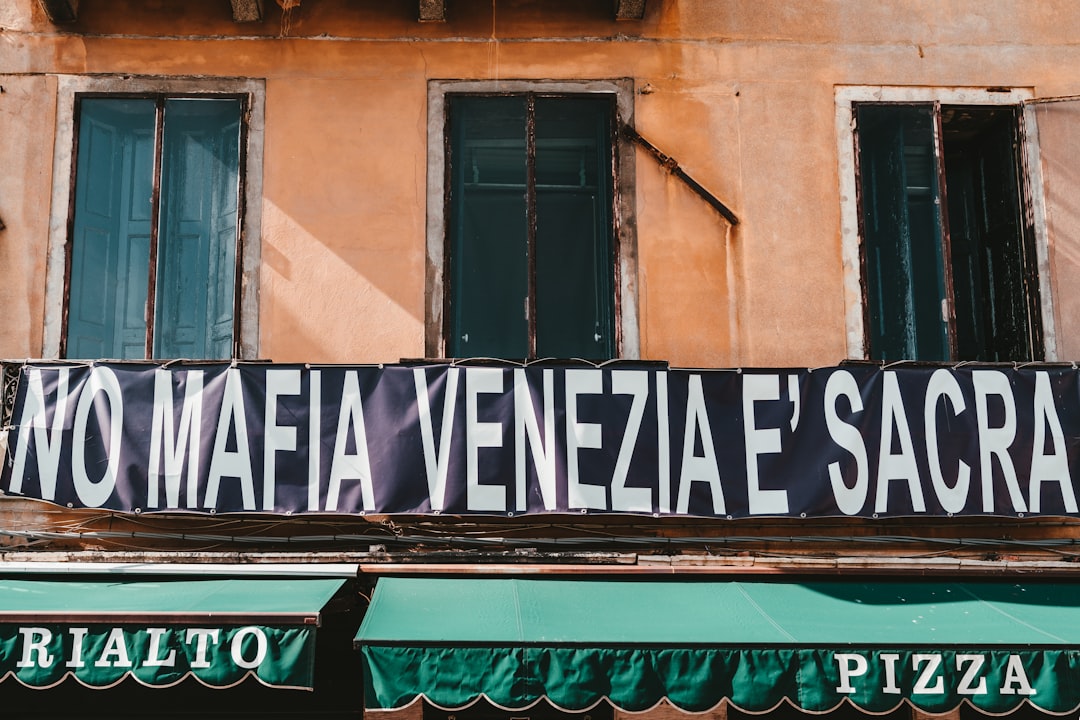
Welcome to Italy! If you’re planning to explore the country of Renaissance art, incredible pasta, and passionate people, you’ll want to arm yourself with some essential Italian phrases. While English is increasingly spoken in major tourist areas, learning even a few key phrases will earn you smiles, better service, and a much richer travel experience. Think of this as your linguistic survival kit for navigating Italy like someone who actually respects the culture.
Starting Strong: Greetings That Count
Italians place tremendous importance on politeness, and they distinguish between formal and informal speech—something English speakers often find bewildering. The magic word here is Lei (LAY), the formal “you,” versus tu (too), the informal “you.” Use Lei with strangers, service workers, and anyone significantly older. Use tu with friends, children, and people your age once invited to do so.
Formal Greetings (Always Safe)
Buongiorno (bwon-JOR-no) – Good morning/Good day. Use this until approximately 8 PM.
Buonasera (bwon-ah-SEH-rah) – Good evening. Use after 8 PM.
Buonanotte (bwon-ah-NOT-teh) – Good night. Say this when leaving for the evening.
Come sta? (KOH-meh STAH?) – How are you? (formal)
Sto bene, grazie (STOH BEH-neh, GRAHT-see-eh) – I’m fine, thank you.
Informal Greetings (For Friends & Locals)
Ciao (CHOW) – Hello/Goodbye (informal, use with friends only).
Come stai? (KOH-meh STAH-ee?) – How are you? (informal)
Salve (SAHL-weh) – Hello (becoming more common in casual settings).
The important note: Never greet someone in Italy without using a proper greeting. Walking up to someone and launching directly into your request is considered rude. Start with “Buongiorno!” or “Buonasera!” and you’ll immediately be in their good graces.
The Magic Words: Please & Thank You
Per favore (pehr fah-VOR-eh) – Please (formal)
Per piacere (pehr pee-ah-CHEH-reh) – Please (equally formal, sometimes preferred)
Grazie (GRAHT-see-eh) – Thank you
Grazie mille (GRAHT-see-eh MEEL-leh) – Thank you very much (literally “a thousand thanks”)
Prego (PREH-go) – You’re welcome
Di niente (dee nee-EN-teh) – You’re welcome (literally “it’s nothing”)
Scusa (SKOO-zah) – Excuse me/Sorry (informal)
Scusi (SKOO-zee) – Excuse me/Sorry (formal)
Mi dispiace (mee dis-pee-AH-cheh) – I’m sorry
Non c’è problema (non cheh PROH-bleh-mah) – No problem
Yes, No, and Maybe
Sì (see) – Yes
No (no) – No
Forse (FOR-seh) – Maybe/Perhaps
Non so (non SO) – I don’t know
Interestingly, Italians often emphasize “sì” by doubling it: Sì, sì! (YES, yes!) to show enthusiastic agreement.
Asking for Help: The Key to Getting Unstuck
Aiuto! (ah-YOO-toh) – Help! (emergency)
Mi può aiutare? (mee POO-oh ah-yoo-TAH-reh?) – Can you help me? (formal)
Mi puoi aiutare? (mee POO-oy ah-yoo-TAH-reh?) – Can you help me? (informal)
Parla inglese? (PAR-lah een-GLEH-seh?) – Do you speak English?
Non parlo italiano (non PAR-lo ee-tahl-YAH-no) – I don’t speak Italian
Parlo un po’ di italiano (PAR-lo oon poh dee ee-tahl-YAH-no) – I speak a little Italian
Può parlar più lentamente? (POO-oh par-LAHR pee-oo len-tah-MEN-teh?) – Can you speak more slowly?
Può scrivere il prezzo? (POO-oh SKREE-veh-reh eel PREHT-so?) – Can you write down the price? (Super useful in noisy situations)
Dov’è il bagno? (doh-VEH eel BAHN-yo?) – Where is the bathroom? (Arguably the most important phrase ever)
Qual è il prezzo? (kwal EH eel PREHT-so?) – What is the price?
Quanto costa? (KWAN-to KOS-tah?) – How much does it cost?
Numbers: Absolutely Essential
Knowing numbers is crucial for everything from ordering food to negotiating prices at markets.
Uno (OO-no) – One
Due (DOO-eh) – Two
Tre (treh) – Three
Quattro (KWAT-troh) – Four
Cinque (CHEEN-kweh) – Five
Sei (SAY) – Six
Sette (SET-teh) – Seven
Otto (OT-toh) – Eight
Nove (NOH-veh) – Nine
Dieci (dee-EH-chee) – Ten
A helpful tip: Italian numbers flow beautifully when you practice saying them in sequence. It’s worth spending five minutes drilling 1-10 because you’ll use them constantly.
Days of the Week: Planning Your Adventure
Lunedì (loo-neh-DEE) – Monday
Martedì (mar-teh-DEE) – Tuesday
Mercoledì (mehr-ko-leh-DEE) – Wednesday
Giovedì (joh-veh-DEE) – Thursday
Venerdì (ven-ehr-DEE) – Friday
Sabato (SAH-bah-toh) – Saturday
Domenica (doh-MEH-nee-kah) – Sunday
Notice that Italian days of the week don’t capitalize (unless at the beginning of a sentence) and they almost all end in -ì with an accent mark. When you’re booking accommodations or making restaurant reservations, knowing these days will prove invaluable.
Essential Questions Every Traveler Should Know
Dov’è…? (doh-VEH?) – Where is…?
Dov’è la stazione? (doh-VEH lah stah-tsee-OH-neh?) – Where is the train station?
Dov’è l’hotel? (doh-VEH loh-TEL?) – Where is the hotel?
Dov’è un ristorante? (doh-VEH oon ris-tor-AHN-teh?) – Where is a restaurant?
A che ora apre? (ah keh OH-rah AH-preh?) – What time does it open?
A che ora chiude? (ah keh OH-rah kee-OO-deh?) – What time does it close?
È lontano? (eh lon-TAH-no?) – Is it far?
È vicino? (eh vee-CHEE-no?) – Is it near?
Quant’è? (kwan-TEH?) – How much is it?
Hotel Check-In: Your First Real Test
When you arrive at your accommodation, you’ll need to communicate basic information:
Buonasera, ho una prenotazione (bwon-ah-SEH-rah, oh OO-nah preh-no-tah-tsee-OH-neh) – Good evening, I have a reservation.
Quale è il numero della camera? (KWAH-leh EH eel NOO-meh-ro DEHL-lah KAH-meh-rah?) – What is the room number?
Dov’è l’ascensore? (doh-VEH lahs-chen-SOR-eh?) – Where is the elevator?
Avete colazione inclusa? (ah-VEH-teh koh-lah-tsee-OH-neh een-KLOO-sah?) – Is breakfast included?
A che ora è la colazione? (ah keh OH-rah EH lah koh-lah-tsee-OH-neh?) – What time is breakfast?
C’è Wi-Fi? (cheh WEE-fee?) – Is there Wi-Fi?
Qual è la password del Wi-Fi? (kwal EH lah PASS-word dehl WEE-fee?) – What is the Wi-Fi password?
Buying Tickets: Museums, Transit & More
Whether you’re buying train tickets or museum entrance fees, these phrases help:
Vorrei un biglietto (vor-RAY oon bee-YET-toh) – I would like a ticket.
Vorrei due biglietti (vor-RAY DOO-eh bee-YET-tee) – I would like two tickets.
Un biglietto solo andata (oon bee-YET-toh SOH-lo ahn-DAH-tah) – A one-way ticket.
Un biglietto andata e ritorno (oon bee-YET-toh ahn-DAH-tah eh ree-TOR-no) – A round-trip ticket.
Per oggi (pehr OHJ-jee) – For today.
Per domani (pehr doh-MAH-nee) – For tomorrow.
Quale è il prezzo? (KWAH-leh EH eel PREHT-so?) – What is the price?
Accettate carte di credito? (ah-cheh-TAH-teh KAR-teh dee KREH-dee-toh?) – Do you accept credit cards?
Polite Expressions That Open Doors
Mi scusi (mee SKOO-zee) – Excuse me (to get attention from a waiter/shopkeeper)
Un momento, per favore (oon mo-MEN-toh, pehr fah-VOR-eh) – One moment, please.
Grazie tante (GRAHT-see-eh TAHN-teh) – Thank you very much.
Molto gentile (MOL-toh jen-TEE-leh) – Very kind (of you to help).
Buona giornata (bwon-ah jor-NAH-tah) – Have a good day.
Buona serata (bwon-ah seh-RAH-tah) – Have a good evening.
Arrivederci (ah-ree-veh-DEHR-chee) – Goodbye (formal).
Ciao ciao (CHOW CHOW) – Bye bye (informal).
Pro Tips for Speaking Italian as a Traveler
First, don’t be afraid of your accent. Italians appreciate when you try, even if your pronunciation is imperfect. Second, pay attention to the formal/informal distinction—using the wrong form can seem disrespectful to older Italians. Third, hand gestures matter in Italy, and while they enhance communication, don’t overdo them as a non-native speaker.
Finally, remember that a smile and genuine effort to speak Italian will open more doors than perfect English will. Shopkeepers, waiters, and hotel staff are significantly more helpful to travelers who demonstrate respect for their language and culture. Your effort matters more than your fluency.
Buona fortuna (good luck) with your Italian adventure!




Leave a Reply