Introduction
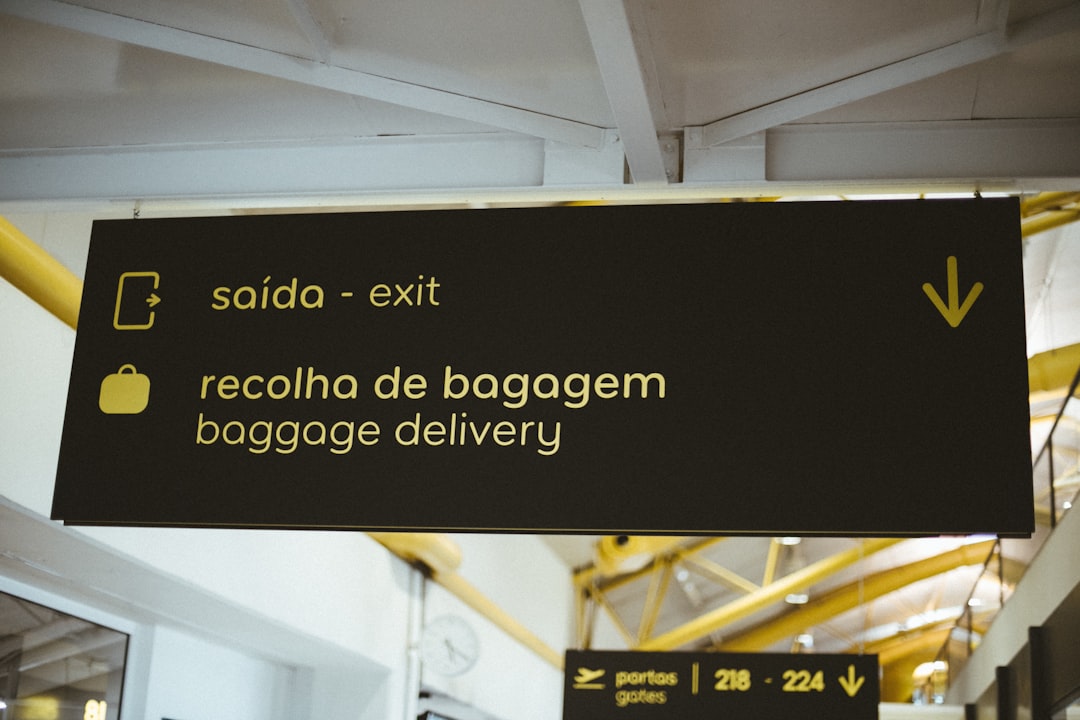
Arriving in Portugal for the first time is an exciting adventure, but stepping off the plane without basic Portuguese phrases can feel daunting. The good news? While many Portuguese people speak English, making an effort to speak their language opens doors—literally and figuratively. You’ll get warmer smiles at restaurants, better assistance from hotel staff, and genuine appreciation from locals who recognize you’re trying.
European Portuguese, spoken in Portugal itself, has a distinctly different character from Brazilian Portuguese. The pronunciation is crisper, more clipped, and sometimes challenging for English speakers because many vowels are almost swallowed at the end of words. Don’t worry—this guide will help you navigate the basics with confidence.
Greetings & Politeness
Starting with the fundamentals is crucial. Portuguese people appreciate politeness and formality, so using “please” and “thank you” will serve you well.
Basic Greetings
- Olá (oh-LAH) – Hello
- Bom dia (bom DEE-uh) – Good morning (before lunch)
- Boa tarde (BOH-uh TAR-duh) – Good afternoon (after lunch until dusk)
- Boa noite (BOH-uh NOY-tuh) – Good evening/night (after dark)
- Como está? (KOH-moo esh-TAH?) – How are you? (formal singular)
- Como vai? (KOH-moo VY?) – How are you? (informal)
- Estou bem, obrigado/obrigada (esh-TOH bem, oh-bree-GAH-doo/oh-bree-GAH-duh) – I’m well, thank you (masculine/feminine)
- Tudo bem? (TOO-doo bem?) – How’s everything? (very casual)
- Tchau (chow) – Bye
- Até logo (ah-TEH LO-go) – See you later
- Até amanhã (ah-TEH ah-mahn-YAH) – See you tomorrow
Essential Politeness
Yes, No, and Basic Questions
These essential words form the foundation of communication:
Asking for Help
When you need assistance, these phrases are invaluable:
Numbers 1-10
Essential for ordering, paying, and understanding quantities:
Days of the Week
Helpful for making plans and understanding tour schedules:
Hoje (OH-zhuh) – Today
Amanhã (uh-mahn-YAH) – Tomorrow
Ontem (ON-tem) – Yesterday
Time Phrases
Hotel Check-In Phrases
Navigating hotels becomes much easier with these expressions:
Buying Tickets
Whether for trains, museums, or attractions, these phrases help:
Key Differences: European vs Brazilian Portuguese
It’s worth noting that while Portuguese and Brazilian Portuguese share the same core language, pronunciation differs significantly. In European Portuguese, you’ll notice:
European Portuguese Pronunciation Tips
Here are the most important things to remember when speaking European Portuguese:
- Don’t over-pronounce vowels at the end of words. They’re barely there.
- The ‘s’ sound is crucial. Master this “sh” sound and you’ll sound much more authentic.
- Be comfortable with the guttural ‘r’. Practice from deep in your throat.
- Learn stress patterns: In Portuguese, stress patterns affect meaning, so pay attention to which syllables are emphasized.
Putting It Together
When you arrive at your hotel, you might say: “Olá, bom dia. Tenho uma reserva. Meu nome é Sarah Thompson.” (oh-LAH, bom DEE-uh. TEN-yoo OO-muh ruh-ZER-vuh. Meh-oo NO-muh eh Sarah Thompson.) – Hello, good morning. I have a reservation. My name is Sarah Thompson.
Or at a ticket counter: “Dois bilhetes para Lisboa, ida e volta, por favor. Quanto custa?” (doysh bee-LYET-ush PAH-ruh Liz-BOH-uh, EE-duh ee VOL-tuh, poor fuh-VOR. KWAN-too KOOSH-tuh?) – Two tickets to Lisbon, round trip, please. How much?
Final Thoughts
Learning these essential phrases takes just a little effort, but the impact is enormous. Portuguese people genuinely appreciate visitors who make the attempt to speak their language, even if you stumble over the pronunciation. Start with greetings, master “please” and “thank you,” and you’ll find that most interactions become significantly easier.
Keep this guide handy on your phone, practice the pronunciations as you travel, and don’t be shy about using these phrases. The worst that happens is someone switches to English—and the best is that you make a genuine connection with a local who’s thrilled you’re trying.
Boa sorte! (Good luck!)




Leave a Reply