Coffee is the lifeblood of Europe, but how people drink it? That’s a completely different story in every country. If you’re planning to spend time in Europe, understanding local coffee culture isn’t just about getting your caffeine fix—it’s about understanding how each nation relates to time, community, and the simple pleasure of pausing in the day. Let me take you on a tour through twelve very different coffee worlds.
Italy: The 30-Second Art Form
Let’s start where modern espresso culture was born. In Italy, coffee is sacred, and the ritual is non-negotiable. When an Italian orders an espresso—and it’s always just called “caffè”—they don’t mean a 16-ounce cup. They mean a tiny, intense, perfectly extracted shot consumed in approximately 30 seconds at the counter of a bar.
The Italian coffee experience is a masterclass in efficiency meets ritual. You walk up to the bar, greet the barista, order your caffè, and drink it standing up while conversing with whoever’s next to you. The whole experience might take three minutes. It’s social, but fast. It’s intimate, but shared with strangers. Italians take their coffee quickly because the point isn’t to linger—it’s to feel the jolt of life returning to your veins.
Here’s the critical faux pas to avoid: never, ever order a cappuccino after 11 AM in Italy unless you want judging looks that could melt gelato. Cappuccino is a breakfast drink, something you have with a cornetto (croissant) in the morning. Milk in coffee after breakfast? Unthinkable to Italians. After 11, you order a caffè or an espresso—never a cappuccino. This isn’t a suggestion; it’s a rule written in invisible Italian ink.
France: The Café as Philosophy
If Italy is about the espresso itself, France is about the café as an institution. The French don’t drink coffee; they participate in café culture. There’s a reason Hemingway, Sartre, and countless other intellectuals made French cafés their second homes.
In France, you arrive at a café and claim a table—a good one if you can get it, preferably with a view of the street. You order a café (which is an espresso-style coffee, usually smaller than what Americans expect). Then you sit. For hours, if you want. This is the entire point. The café is not a to-go coffee shop; it’s a social institution where sitting with a single coffee for three hours is not just acceptable—it’s expected.
The pricing reflects this reality. Coffee at a French café table costs significantly more than coffee at the counter. That’s because you’re not paying for the coffee; you’re paying for the right to occupy that table and exist in that space. The waiter won’t rush you. In fact, they’ll be slightly offended if you rush. The café is where life happens: where writers write, where friends meet, where strangers become friends, where revolutionary ideas are born.
Germany: Kaffee und Kuchen at 3 PM
Germany has a completely different coffee philosophy. At 3 PM every single day, Germans pause for “Kaffee und Kuchen”—coffee and cake. This isn’t optional; it’s practically a constitutional right.
German coffee culture is about rhythm and tradition. Coffee is strong and serious (Germans prefer good-quality filter coffee, not espresso), but it’s always paired with an equally serious commitment to cake. The coffee break at 3 PM is a moment of civilized, structured enjoyment. It’s not about rushing; it’s about respecting the natural rhythm of the day. Work stops. Cake appears. Coffee is poured. Conversation happens. Then you return to work.
Germans appreciate quality coffee and won’t necessarily understand your fancy latte art, but they will understand a good, honest cup of coffee served at the proper time with the proper cake. The culture is less about lingering and philosophizing (like the French) and more about honoring the sacred afternoon pause.
Spain: Café con Leche, Late and Leisurely
Spanish coffee culture is tied to the famous Spanish schedule. If you’re expecting a morning coffee culture like Italy’s, you’ll be surprised. Spaniards often start the day with a café con leche (coffee with hot milk)—but breakfast is usually very early and quick.
The real Spanish coffee moment comes later, in the afternoon. Unlike Germany’s 3 PM tradition, Spaniards might have a café at 5 or 6 PM, often paired with something small to eat. The approach is leisurely; the pace is slow. Spanish cafés are social spaces, places where hours dissolve into conversation. It’s not quite the intense philosophizing of French cafés, but it’s close.
The key to Spanish coffee culture is that it’s always social and always tied to eating something. Coffee without a small pastry or bocadillo isn’t really coffee; it’s just a beverage.
Netherlands: Koffietijd Means Connection
The Dutch approach coffee with characteristic practicality and warmth. “Koffietijd” (coffee time) is a genuine cultural moment, usually taking place in mid-morning and mid-afternoon. It’s more structured than the French approach but less rigidly timed than Germany’s 3 PM rule.
What’s charming about Dutch coffee culture is that it’s about connection. When someone invites you for koffie, they mean coffee and conversation. It’s usually at home rather than in a café, which makes it more intimate. The Dutch take pride in good coffee—you’ll find quality espresso machines in homes and offices—and they pair it with decent cookies or cake.
The Dutch coffee break is the glue that holds office culture together. It’s where work colleagues actually become friends, where the formal meeting becomes a casual chat. In this way, Dutch coffee culture is very much about the human connection rather than the coffee itself.
Denmark: Kaffepauser with Cake Is Mandatory
The Danes have elevated coffee breaks to an absolute must. “Kaffepauser” (coffee breaks) are built into the workday, and—this is important—they always come with cake or baked goods. It’s not optional.
Danish coffee culture reflects the broader Danish concept of “hygge”—that untranslatable sense of warmth, comfort, and togetherness. Coffee is the vehicle for creating this feeling. A Danish coffee break isn’t rushed; it’s intentional. You sit with colleagues, you eat cake, you drink good coffee, and you build relationships.
What’s interesting about the Danish approach is how seriously they take the entire ritual. You can’t just grab a coffee and run. That misses the entire point. The break is meant to be a moment of genuine pause and connection. Danish workplaces build these breaks into the day not as a distraction from work but as an essential part of workplace culture.
Portugal: The Quick Bica
Portugal’s coffee culture, while less internationally famous than Italy’s, is equally passionate and quick. The Portuguese order a “bica”—a small, strong shot of espresso—and often drink it standing at the bar, just like Italians.
The bica is the people’s coffee in Portugal. It’s affordable, quick, and deeply integrated into daily life. If you go to a Portuguese café and order something too fancy, you’ll get friendly ribbing. The bica is what you order. It’s the coffee of workers, of morning rushes, of the moment between one task and another.
What’s beautiful about Portuguese coffee culture is its democracy. Everyone drinks the bica. It’s not a mark of poverty or wealth; it’s just what Portuguese people do. You’ll see construction workers and businesspeople ordering the exact same thing, consuming it the exact same way.
Sweden: Fika Is a Philosophy
If there’s a European country that has turned coffee breaks into something approaching a spiritual practice, it’s Sweden. “Fika” is not just a coffee break; it’s a complete philosophy about balance, mental health, and human connection.
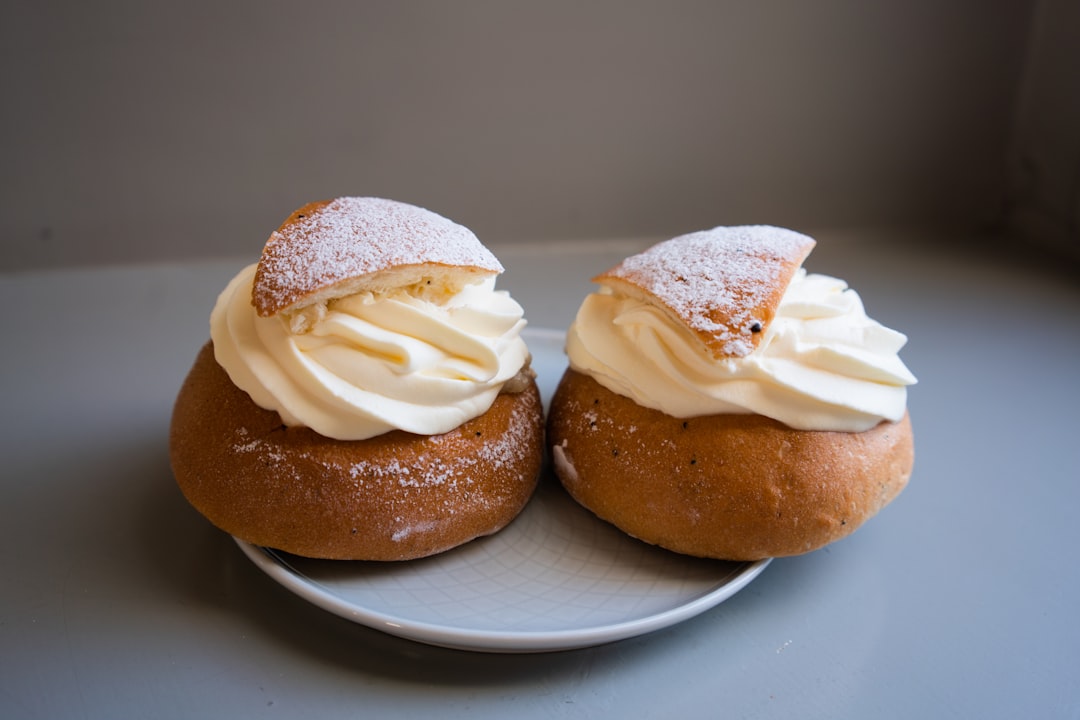
Fika typically happens at 10 AM and 3 PM. It’s protected time. You stop what you’re doing, you have coffee, you have a sweet treat, and you socialize with colleagues or friends. The Swedish government actually recognizes fika as essential to workplace well-being. It’s not something you squeeze in; it’s something that’s scheduled and sacred.
What makes Swedish fika different from other European coffee cultures is the understanding that these breaks are not distractions from work—they improve work. They restore your mental health. They build community. By pausing for fika, Swedes are actually optimizing their productivity and happiness simultaneously. It’s brilliant, really.
Norway: The World’s Highest Coffee Consumption
Norwegians drink more coffee per capita than almost any other nation in the world. This isn’t a casual fact; it’s a lifestyle statement. The relationship between Norwegians and coffee is almost spiritual.
Norwegian coffee culture is more about quantity than ceremony. Norwegians will drink coffee throughout the day, often multiple cups, often strong and black. It’s practical rather than ritualistic. Coffee is fuel for long, dark winters and outdoor adventures. It’s the beverage of mountain hikes, cozy cabins, and long Norwegian nights.
What’s interesting is that despite the high consumption, Norwegian coffee culture isn’t particularly social in the Italian or French sense. It’s more about the personal relationship with the beverage—it’s warming, it’s comforting, it’s necessary.
Greece: Freddo Culture and Kafeneio Tradition
Greek coffee culture is split into two worlds: the modern and the traditional. The modern version is “freddo”—iced coffee served cold, refreshing, and popular with younger Greeks. Order a freddo in Athens and you’ll fit right in.
But the traditional Greek coffee experience happens in the kafeneio (traditional café), where older Greeks gather for hours to drink “Greek coffee” (thick, sweet, made in a small pot), play backgammon, and debate the world. The pace is glacially slow. The conversation is eternal. Time means nothing in a kafeneio.
Greek coffee is tied to the concept of “philoxenia” (hospitality). When you’re invited for coffee in Greece, it’s an honor. The beverage itself is secondary to the connection being made. You’re not just drinking coffee; you’re participating in a ritual of friendship and community.
Poland: The Growing Specialty Scene
Poland’s coffee culture is the most rapidly evolving of all the countries on this list. Traditionally, Polish coffee was strong and utilitarian, consumed quickly to provide energy. But in the last 15 years, a specialty coffee movement has transformed Polish coffee culture.
Major Polish cities now have excellent third-wave coffee shops with passionate baristas and ethically sourced beans. You’ll find flat whites and cold brews alongside the traditional strong coffee. There’s a fascinating collision between old and new in Polish coffee culture—the young, cosmopolitan specialty coffee movement coexisting with traditional coffee drinking among older generations.
What’s remarkable is how Polish coffee culture is becoming more European while staying distinctly Polish. The social rituals are evolving, influenced by Scandinavian and Western European traditions, but with a unique Polish character.
Czech Republic: The Kavárna Tradition
Czech coffee culture centers on the “kavárna”—a traditional coffee house with roots going back to the Austro-Hungarian Empire. These are not quick coffee stops; they’re literary spaces, intellectual spaces, places where time becomes elastic.
Czech coffee houses feel like stepping back in time. You sit at small tables, newspapers are available, and you can spend hours with a single coffee and a book. The pace is meditative. The atmosphere is contemplative. The kavárna tradition reflects the Czech intellectual heritage—coffee as a backdrop to thinking, reading, and quiet conversation.
What Coffee Reveals About Europe
If you want to understand Europe, pay attention to how people drink coffee. The Italian’s 30-second espresso reveals a culture that values intensity and efficiency within social moments. The French café reveals a culture that cherishes intellectual life and the right to exist in public space. The German Kaffee und Kuchen reveals a culture that respects rhythm and structure. The Scandinavian fika and kaffepauser reveal cultures that understand the mental health benefits of intentional pausing.
The fastest way to integrate into European life isn’t to learn the language perfectly—it’s to understand the coffee culture and participate authentically. Sit properly. Order correctly. Pace yourself. And above all, respect the ritual. That’s how you become part of Europe, one coffee at a time.




Leave a Reply