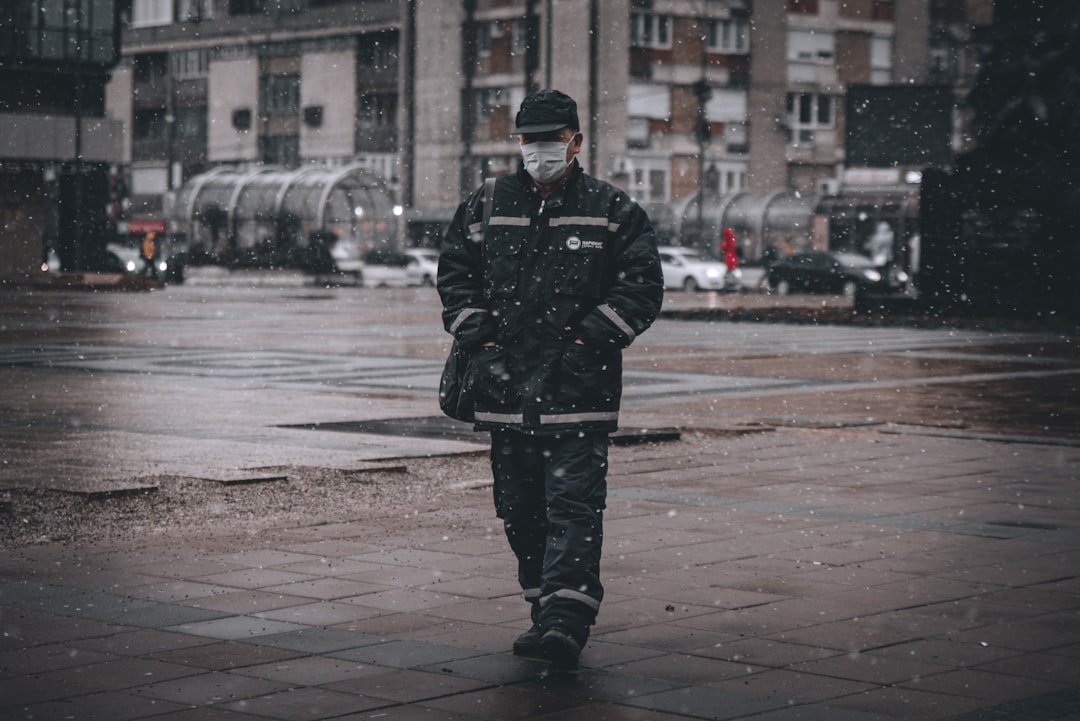
From the murky canals of Copenhagen to the sun-drenched streets of Sicily, European crime television has transformed the continent into the ultimate destination for thriller fans. The rise of Nordic noir and its European counterparts hasn’t just captivated audiences worldwide—it’s created a new genre of “crime TV tourism” where fans can walk the same streets their favorite detectives patrol.
Whether you’re drawn to the brooding Scandinavian atmosphere of The Killing or the passionate Italian crime dramas, this guide takes you on a tour of Europe’s most compelling crime TV locations. These aren’t just fictional settings; they’re real cities that have become as much a character in these shows as the detectives themselves.
The Nordic Noir Triangle: Denmark and Sweden
Copenhagen and Malmö: The Bridge
The Bridge (Bron), the groundbreaking Swedish-Danish co-production, opens with one of television’s most iconic images: a body on the Øresund Bridge that connects Copenhagen and Malmö. This eight-episode series became a phenomenon, and the bridge itself has become a must-visit location.
The Øresund Bridge Connection
The bridge isn’t just scenery—it’s the central metaphor of the entire series. You can drive or take the train across this 16-kilometer engineering marvel that opened in 2000. The best way to experience it as a fan is to take the train from Copenhagen’s Central Station (Hovedbanegården), which takes you directly across. The journey takes about 35 minutes, and you’ll understand immediately why the bridge became so integral to the show’s visual identity.
In Copenhagen, the police headquarters scenes were filmed at various locations around Politigården (Police Headquarters) in the historic center, located at Slotsherrensvej 113. While you can’t tour inside, the area itself is worth exploring—it’s in Frederiksstaden, one of the city’s most attractive neighborhoods with 18th-century architecture.
Copenhagen Crime TV Walking Route
The Killing (Forbrydelsen), which predated The Bridge, filmed heavily in Copenhagen. Head to Nørrebro, the neighborhood where much of the show was set. This bohemian district with its colorful shops, cafés, and residential streets still feels like the moody Copenhagen depicted in the series. Grab coffee at one of the many independent cafés and explore the winding streets around Rantzausgade and Ravnsborggade.
The Copenhagen Police Station scenes were filmed at various locations, but the overall “feel” of the show comes from the city’s winter aesthetic—gray skies, rain-slicked streets, and the particular melancholy of Scandinavian urban life. Visit in winter if you want the authentic noir experience.
Malmö’s Dark Side
In Malmö, Sweden, the crime scenes and investigation settings were filmed throughout the city center. Start at Malmö Central Station (Malmö Centralstation), which featured prominently in the series. Walk through the Gamla Vägen (Old Town) with its Renaissance architecture and narrow streets, then head to Stortorget, the main square surrounded by colorful Renaissance buildings—a striking contrast to the dark crimes depicted in the show.
For the detective’s residential areas, explore Norrö and Sofiakällor neighborhoods, where the more intimate character moments were filmed.
Copenhagen: The Killing (Forbrydelsen)
The Killing became a cultural phenomenon in Scandinavia, and it’s almost impossible to walk through Copenhagen without recognizing locations from the series.
Sarah Lund’s Apartment and Nørrebro
While the actual apartment isn’t accessible to tourists, the neighborhood of Nørrebro where it was set is worth exploring. This working-class district has undergone significant gentrification since the show was filmed (2007-2012), but it still retains much of its character. The area around Rantzausgade remains one of the city’s most atmospheric neighborhoods.
The Rådhuspladsen (City Hall Square)
This massive square in central Copenhagen served as a setting for various scenes. It’s one of the city’s focal points and perfect for understanding the layout of Copenhagen as depicted in the series.
Visiting Tip: Take the “Killing Tour” offered by various tour companies in Copenhagen—they’ll take you to authentic filming locations while explaining the show’s cultural impact on Danish television.
Ystad, Sweden: Wallander
While less visually dramatic than Copenhagen, Ystad in Skåne (southern Sweden) offers something unique: the chance to visit the actual town where Kurt Wallander investigates his cases.
Ystad is a charming medieval town with a beautiful harbor and Hanseatic architecture. The town’s cobblestone streets, particularly around Stortorget (the main square), provided the backdrop for Wallander’s investigations. The Ystad Police Station, while not open for tours, is located on Stationsgatan and is easy to find.
The real draw here is the atmosphere. This quiet, picturesque town becomes mysteriously moody when you know the dark crimes that have supposedly occurred there. Visit the Ystad Saltworks (Salthuset) for a unique perspective on the town, or walk along the harbor at dusk to capture that Swedish noir mood.
Southern European Crime TV
Sicily: Inspector Montalbano
If Nordic noir is brooding and gray, then Commissario Montalbano is passionate, sun-drenched, and intensely Italian. The series, based on Andrea Camilleri’s novels and filmed entirely in Sicily, has made the island one of Europe’s most visited crime TV destinations.
Ragusa and Modica: The Real Vigàta
The fictional town of Vigàta is actually two towns combined: primarily Ragusa and parts of Modica. This is southeastern Sicily at its most beautiful—baroque architecture, winding streets, and a landscape that hasn’t changed much in centuries.
Ragusa Ibla, the lower town, is where most filming occurs. Walk through Piazza San Giorgio, with its magnificent church dominating the skyline, and you’ll immediately recognize locations from the series. The streets radiating from the piazza—Via Orfanotrofio, Via Unità d’Italia—are where Montalbano walks to his office.
Montalbano’s Favorite Spots
Visit the harbor area in Modica and nearby Marina di Ragusa, where the detective often contemplates cases and enjoys his meals. The coastal town of Scicli, another filming location, offers beautiful beaches and authentic Sicilian atmosphere.
Practical Information: Ragusa and Modica are about 40 kilometers from Syracuse. The best way to explore is by renting a car, as these hilltop towns aren’t easily accessible by public transport. Spend at least 2-3 days here to truly appreciate the towns and experience the authentic Sicily the show showcases.
Naples: Gomorrah (Gomorra)
Gomorrah, the violent, gritty series about Naples’ Camorra crime families, offers the darkest perspective on Italian urban crime. It’s filmed in the actual neighborhoods where these stories take place, making it perhaps the most “real” of all European crime dramas.
Scampia and Beyond
The series primarily focuses on Scampia, a poor neighborhood on the outskirts of Naples. This isn’t a tourist-friendly area, and we’d recommend experiencing this show’s locations through organized crime tours or documentaries rather than independent exploration. However, visiting central Naples—Spaccanapoli (the historic center), the waterfront at Molo Beverello, and the historic quarters—gives you a sense of the city’s character and complexity.
A More Accessible Alternative
Visit the well-organized Naples historical center, with its winding streets and centuries of history. The city itself is a character in Gomorrah, and understanding Naples’ geography, history, and culture makes the show more meaningful.
Planning Your European Crime TV Tour
Multi-Country Itinerary (14-21 Days)
Week 1: Nordic Noir Trail
- Days 1-4: Copenhagen (explore Nørrebro, take The Killing tour, cross Øresund Bridge)
- Days 4-6: Malmö and Ystad (experience Swedish noir, visit the peaceful but crime-laden Swedish towns)
- Days 7: Travel to Stockholm if adding Beck locations (Swedish detective series)
Week 2: Southern European Crime
Practical Notes
Key Addresses and Navigation
Copenhagen: Politigården, Slotsherrensvej 113 | Nørrebro district centered around Rantzausgade
Malmö: Malmö Centralstation, Nils Ericsonplatsen 4
Ystad: Stortorget (main square) | Ystad Saltworks (Salthuset)
Ragusa: Piazza San Giorgio (center of Ragusa Ibla)
Modica: Centro Storico (historic center)
The Psychology of Crime TV Tourism
What draws so many fans to these locations? Part of it is the desire to step into the fictional worlds we’ve become invested in. But there’s something deeper: these crime dramas reflect real social issues, real crime, and real urban challenges. Visiting these locations connects us to the actual struggles of these cities and communities.
Nordic noir, in particular, reflects the melancholy and social tensions underlying prosperous Scandinavian societies. Montalbano showcases Sicily’s complex history and culture beyond stereotypes. Gomorrah forces viewers to confront urban poverty and organized crime as lived realities.
When you visit these locations, you’re not just being a tourist—you’re engaging with the real places that inspired these fictional stories.
Conclusion: Follow the Crime Trails
European crime television has redefined how we see the continent. These dramas have transformed Copenhagen, Malmö, Sicily, and Naples into must-visit destinations, not despite their dark stories but because of them. The locations are real, the atmosphere is palpable, and the opportunity to walk where your favorite detectives work is genuinely thrilling.
Whether you’re drawn to the cold Scandinavian streets of Nordic noir or the sun-warmed Sicilian hillsides of Montalbano, these crime TV locations offer an unforgettable journey through Europe’s most compelling contemporary narratives. Pack your detective hat, download your favorite series for reference, and prepare for a European adventure that’s far more thrilling than any guidebook.
The crimes may be fictional, but the destinations are unmistakably real—and worth every moment of your travel time.




Leave a Reply