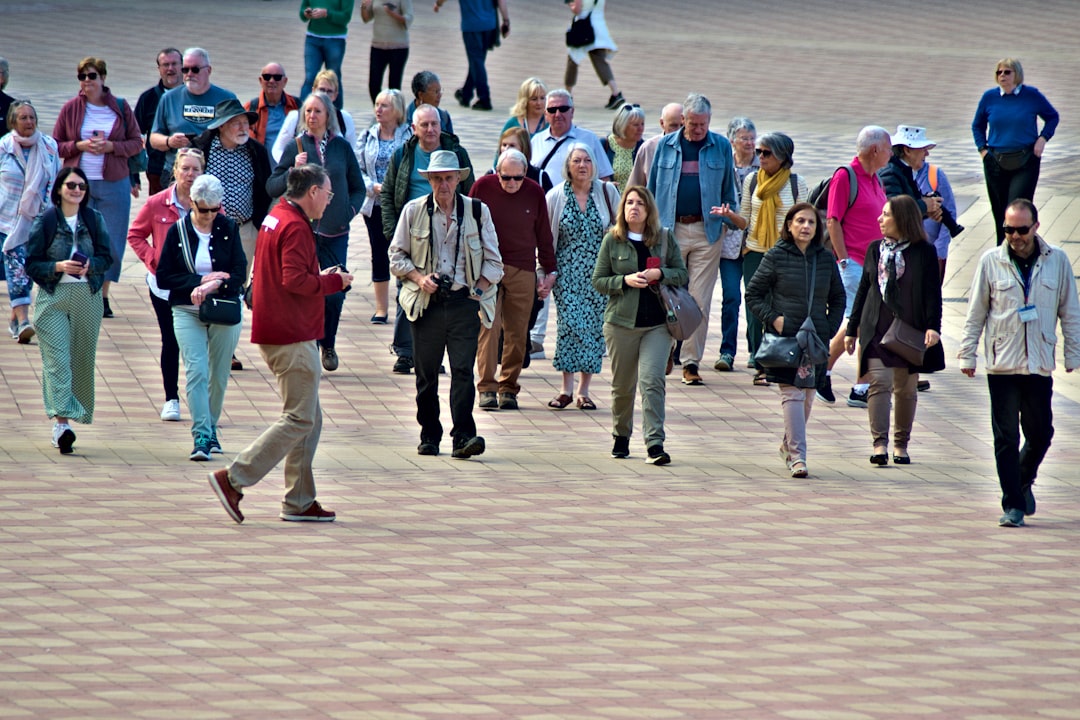
Free walking tours have become one of the best ways to orient yourself in a new European city. The concept is simple: a guide leads a group through the city’s highlights for two to three hours, and you pay what you think the experience was worth at the end. No upfront cost, no commitment. If the tour is bad, you leave a small tip and move on. If it is great, and they often are, you tip generously and walk away with a mental map of the city and insider recommendations that would take days to discover on your own.
How the Tip-Based Model Works
Guides on free walking tours are not volunteers. They work for tour companies that allow them to keep tips but typically charge them a per-person fee for each tourist who shows up. This means guides are directly motivated to deliver an excellent experience. The expected tip ranges from €5-15 per person, with €10 being a reasonable standard for a good tour. Many guides rely entirely on this income, so if you enjoyed the tour, tip accordingly. Cash is strongly preferred, though some guides now accept digital payments.
Top Operators and Cities
SANDEMANs New Europe is the largest free tour network, operating in over 20 cities including Berlin, London, Paris, Amsterdam, Dublin, Lisbon, Madrid, and Barcelona. They pioneered the model and maintain generally high quality, though individual guide experience varies. Their tours depart from fixed meeting points daily, rain or shine.
GuruWalk is a platform connecting independent local guides with travelers and now operates in hundreds of European cities. Quality varies more than with established companies, but ratings help you find the best guides. It is particularly strong in smaller cities and off-the-beaten-path destinations.
FreeTour.com operates similarly to GuruWalk, with guides in most major European cities. Their booking system is straightforward and reviews are detailed.
City-Specific Recommendations
Berlin: Free tours here are legendary. The city’s layered history, from Prussian empire to Cold War division, makes for compelling storytelling. SANDEMANs and Brewer’s Berlin Tours are both excellent, covering the Brandenburg Gate, Reichstag, Memorial to the Murdered Jews of Europe, and Checkpoint Charlie. Berlin also has superb niche tours covering street art, the Berlin Wall, and the alternative scene.
London: SANDEMANs runs a solid general tour hitting Westminster, Whitehall, and Trafalgar Square. Strawberry Tours offers a well-regarded alternative with routes through different neighborhoods. Given London’s sprawl, no single tour covers everything, so consider taking tours in different areas.
Prague: One of the best free-tour cities in Europe. Multiple operators run tours through the Old Town, across Charles Bridge, and up to the Castle District. The history is rich and guides tend to be passionate locals.
Lisbon: The hilly terrain makes guided walking particularly useful since a good guide knows the best routes to avoid unnecessary stair climbing. Tours typically cover the Alfama district, Baixa, and Chiado neighborhoods.
What to Expect
Tours typically last 2-3 hours and cover 3-5 kilometers. Groups can range from 10 to 50 people depending on the city and season. Book online to reserve your spot since popular tours do fill up. Wear comfortable shoes and bring water, especially in summer. Tours run in rain, so bring a jacket if the forecast looks questionable. Most tours are in English, though Spanish, German, and other language options exist in major cities.
Self-Guided Alternatives
If group tours are not your style, several excellent self-guided options exist. Rick Steves offers free audio walking tours for major cities through his app. GPSmyCity provides downloadable walking routes with narration. Google Maps allows you to create custom walking routes hitting your chosen landmarks. Lonely Planet and other guidebooks have self-guided walks with detailed commentary. The advantage of self-guided tours is going at your own pace and focusing on what interests you, while the advantage of a live guide is the stories, humor, and insider knowledge no guidebook captures.
The best approach is to take a free walking tour on your first morning in a new city. Use it to get oriented, gather restaurant and neighborhood tips from the guide, and then spend the rest of your stay exploring the areas that caught your interest. It is the most efficient way to start any European city visit.



Leave a Reply