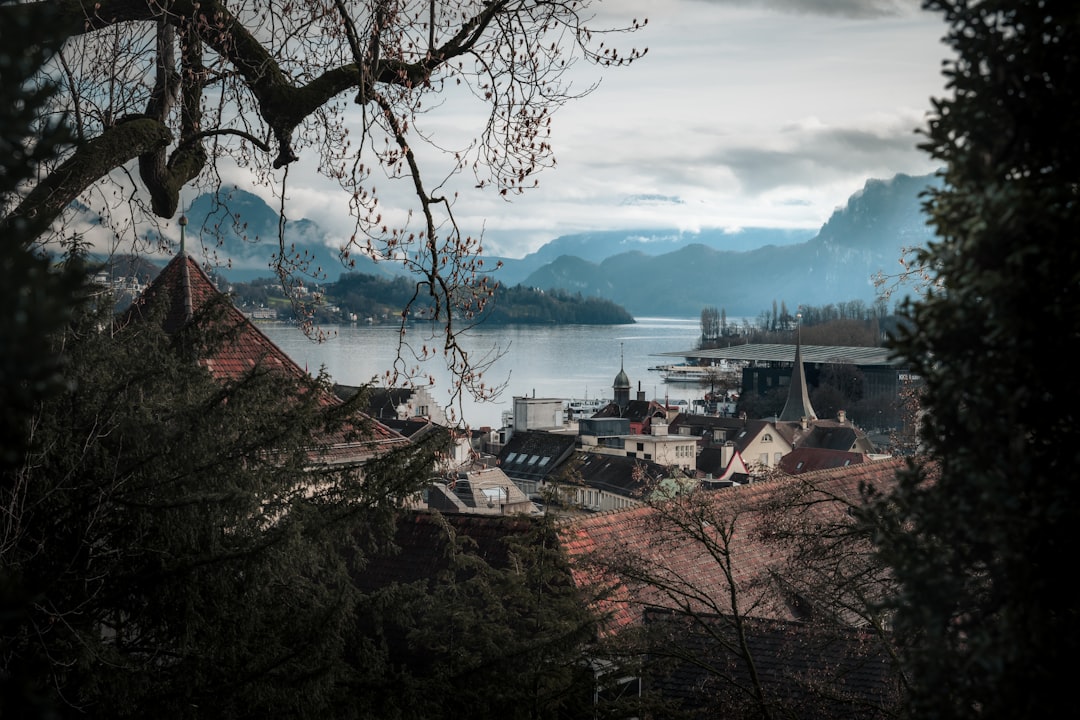
Hallstatt happened. A tiny Austrian lakeside village that had quietly existed for thousands of years — literally, there is evidence of salt mining here since the Bronze Age — became one of the most photographed places on Earth, clogged with day-trippers to the point where the village of 750 residents considered erecting barriers. It is a cautionary tale about the power of social media to overwhelm a place, but it is also a reminder that Europe is full of lake towns equally beautiful and far less besieged. Here are six alternatives where you can still have the fairy-tale experience without fighting for space on the viewpoint.
Bled, Slovenia
Lake Bled is not exactly a secret — it appears on every Slovenian tourism poster — but compared to the Hallstatt madness, it remains remarkably manageable. The lake is a perfect oval of emerald water, with a tiny island in the center crowned by a baroque church (you reach it by traditional pletna boat), and a medieval castle perched on a cliff above the shore. The walk around the lake takes about 90 minutes and is flat, shaded, and scenic the entire way. For the best view, hike up to the Ojstrica viewpoint on the southern shore, a 20-minute climb through forest that rewards you with the classic postcard panorama.
Bled is also a gateway to the Julian Alps: the Vintgar Gorge, a 1.6-kilometer boardwalk through a limestone ravine with waterfalls, is 15 minutes away by bus. Lake Bohinj, Bled’s larger and wilder neighbor, is even more peaceful and serves as the starting point for hikes into Triglav National Park. Stay in Bled but visit Bohinj for the day — you will have the shoreline practically to yourself.
Annecy, France
Annecy, in the Haute-Savoie region of southeastern France, sits at the northern tip of Lac d’Annecy, which claims to be the cleanest lake in Europe — and one look at the crystalline turquoise water makes that claim entirely believable. The old town is a confection of pastel-colored houses lining canals, with the 12th-century Palais de l’Isle sitting on a tiny island in the middle of the Thiou canal like a stone ship. Flower-draped bridges, cheese shops, and gelato stands complete the picture.
The lake itself is ringed by mountains and connected by a superb cycling path that runs 40 kilometers along the western shore. Swimming is excellent from several public beaches, and the water is warm enough from June through September. The Tuesday and Friday markets in the old town are among the finest in the French Alps, with stalls selling Reblochon and Tomme de Savoie cheeses, cured meats, and Savoyard pastries.
Bellagio, Italy (Lake Como)
Lake Como has become increasingly famous — and increasingly expensive — in recent years, but Bellagio, the village that sits on the promontory where the lake splits into its two southern arms, remains genuinely enchanting. Its steep lanes of stone steps, shaded by wisteria and bougainvillea, climb between ochre-walled villas and open suddenly onto lake views that snatch the breath away. The gardens of Villa Melzi and Villa Serbelloni are some of the most beautiful in Italy, and the waterfront promenade is the perfect place to sit with an Aperol spritz and watch the ferries crisscross the lake.
The key to enjoying Bellagio is to stay overnight. Day-trippers flood in around 11 a.m. and leave by 5 p.m.; in the evening, the village empties to its true population and the restaurants along the waterfront become peaceful, candlelit affairs. The mid-lake ferry connections to Varenna and Cadenabbia make it easy to explore other Como towns during the day and return to Bellagio’s magic in the evening.
Ohrid, North Macedonia
This is the deep cut on this list, and arguably the most rewarding. Ohrid, on the shores of the lake that shares its name, is a UNESCO World Heritage Site for both its natural and cultural significance. Lake Ohrid is one of Europe’s oldest and deepest lakes, over three million years old, and its waters sustain unique endemic species found nowhere else on Earth. The town itself is a tumble of red-roofed Ottoman houses climbing a hillside crowned by a medieval fortress, with Byzantine churches tucked into every corner — there were once said to be 365 of them, one for each day of the year.
The Church of St. John at Kaneo, perched on a cliff above the lake, is one of the most photographed spots in the Balkans, and rightly so. The lakefront boardwalk is lined with cafes and fish restaurants serving Ohrid trout, and in summer you can swim from pebbly beaches right in town. Despite its beauty, Ohrid sees a fraction of the visitors that comparable Mediterranean destinations attract, and prices are genuinely budget-friendly — a lakeside dinner for two with wine might cost 20 euros.
Zell am See, Austria
If you want the Austrian lake-and-mountain experience without the Hallstatt crowds, Zell am See in the Salzburg province is a superb alternative. The town sits on the western shore of Lake Zell, with the snow-capped Hohe Tauern range as a backdrop and the Schmittenhöhe ski area rising directly from the town center. In summer, the lake is warm enough for swimming and ringed by cycling paths. The old town has a handsome Romanesque church tower and pedestrian streets with more local character than tourist kitsch.
The Kitzsteinhorn glacier, accessible by cable car from nearby Kaprun, offers year-round snow activities and a viewing platform at 3,000 meters with views across dozens of Alpine peaks. And the Sigmund-Thun Klamm, a narrow gorge with walkways bolted to the rock walls above churning water, is one of the region’s most thrilling short walks.
A Note on Hallstatt Itself
Hallstatt is beautiful — achingly, absurdly beautiful, with its cluster of pastel houses reflected in the mirror-still Hallstätter See beneath steep mountains. It deserves its reputation. But if you go, go early in the morning or late in the afternoon, stay overnight to experience it without the bus-tour crowds, and consider visiting in the shoulder season (October or April) when the light is beautiful and the streets are navigable. The bone house in the Catholic church, containing 610 painted skulls, and the ancient salt mines above the village are both fascinating and less crowded than the waterfront photo spots.




Leave a Reply