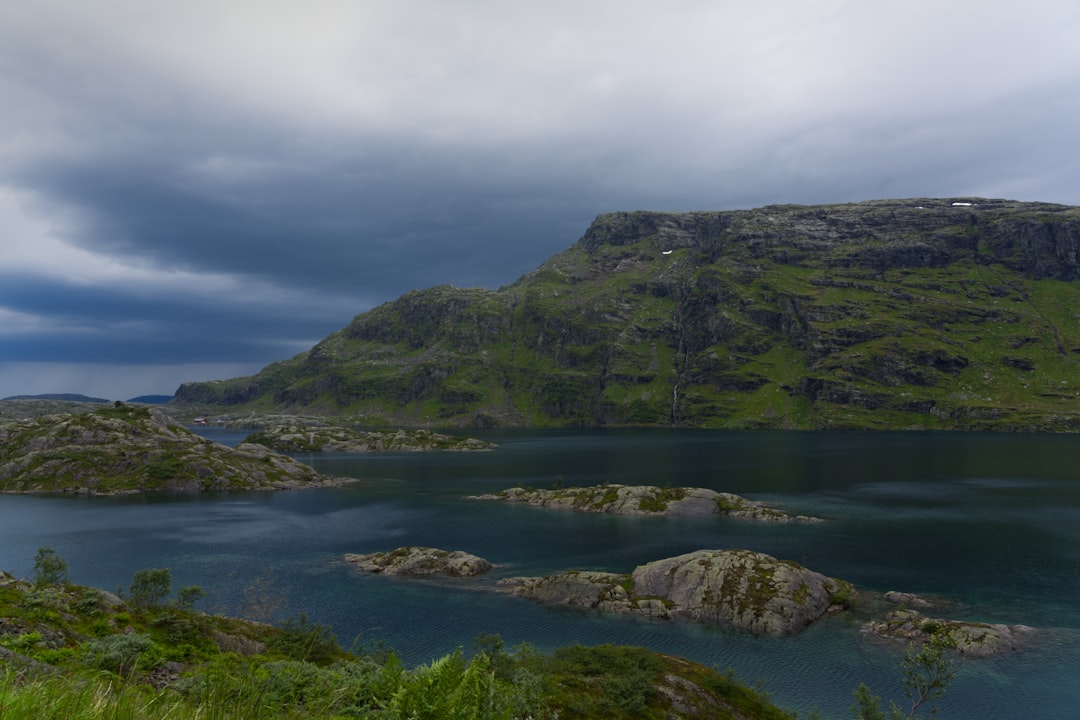
Norwegian landscape has proven remarkably effective as a setting for science fiction cinema. While one might expect sci-fi films to be set primarily in urban environments or futuristic constructed spaces, Norwegian fjords and mountains have increasingly featured in visually sophisticated sci-fi narratives. The most prominent example is Alex Garland’s Ex Machina (2014), which used a dramatic Norwegian landscape and a strikingly designed hotel to create a perfect setting for its exploration of artificial intelligence and human-AI relationships.
What makes Norwegian landscape effective for science fiction is its visual distinctiveness and sense of isolation. The fjords, mountains, and sparse population create landscapes that feel simultaneously real and alien. The modernist architecture that Norway has embraced in recent decades—particularly in hotel and resort design—contrasts beautifully with natural landscape, creating visual tension that science fiction filmmakers can exploit.
Ex Machina (2014)
Alex Garland’s Ex Machina is a low-budget science fiction film (budget approximately 15 million dollars) that focuses on philosophical questions about artificial intelligence, consciousness, and what it means to be human. The film depicts a reclusive tech billionaire who invites a young programmer to his isolated research facility to conduct the Turing test on an AI he’s created. The premises are simple, the execution is sophisticated, and the film’s central location—the facility where the AI resides—is as much a character as the human and artificial protagonists.
The film is visually beautiful despite its limited budget. Shot by cinematographer Rob Hardy, Ex Machina uses location and lighting to create an aesthetic that’s simultaneously luxurious and unsettling. The facility where the action occurs is designed as a retreat—a place of technological advancement and human pleasure—yet it becomes increasingly claustrophobic and threatening as the narrative develops.
The Juvet Landscape Hotel
The primary filming location for Ex Machina is the Juvet Landscape Hotel in Valldal, in western Norway (specifically in Romsdal valley). The hotel is the real-world inspiration and actual filming location for the research facility depicted in the film. The hotel itself is a marvel of contemporary architecture: a series of glass and steel structures built into a mountainous landscape, designed to provide minimal visual impact while offering spectacular views of the surrounding fjord and mountains.
The Juvet Hotel was designed by Norwegian architect Alexander Brodsky and opened in 2008. The hotel features rooms that are essentially glass boxes positioned to maximize views of the landscape while minimizing the building’s visual footprint. The design philosophy—human structures integrated into natural landscape rather than dominating it—makes it perfect for a science fiction narrative exploring relationships between human creation and nature.
The hotel’s commitment to architectural sophistication and landscape integration creates an aesthetic that’s far more compelling than typical luxury resorts. Rather than creating an artificial paradise, the hotel celebrates the rawness and beauty of the Norwegian landscape. This sensibility—luxury achieved through integration with nature rather than creation of separate artificial environment—perfectly suited Garland’s themes about artificial intelligence and artificial creation.
Visiting the Juvet Hotel
The Juvet Landscape Hotel remains operational and welcomes guests. Staying there, you experience the same landscape and architectural environment that appears in Ex Machina. The rooms are expensive (likely 2000+ NOK per night, roughly 200+ USD), but the experience is genuinely unique.
The hotel is located in Valldal, accessed via scenic drive through the Romsdal valley. The drive itself is spectacular—winding through fjord landscape, passing waterfalls and dramatic mountain scenery. The hotel sits on a mountainside overlooking the valley and surrounding peaks.
Guests at the hotel experience both luxury and isolation—the location is genuinely remote, accessible primarily by car. This isolation is exactly what makes it perfect for both the film and for the hotel’s appeal. The landscape itself becomes the primary attraction and the experience.
Accessing the Location
The Juvet Hotel is located in Valldal, reached via Route 6 from the coast. The drive from coastal towns like Ålesund takes about 2-3 hours of scenic driving. The location is approximately 3-4 hours from Bergen by car.
For visitors interested in seeing the location without staying at the expensive hotel, the surrounding Romsdal valley offers accommodation at various price points. You can visit the region, appreciate the landscape, and understand why the filmmakers chose it.
The Cinematography and Setting
Rob Hardy’s cinematography in Ex Machina is exceptional, making maximum use of the Norwegian landscape and the hotel’s architecture. The glass walls of the hotel create visual transparency that contrasts with the film’s thematic concerns about revelation and concealment—characters move through glass corridors that reveal and conceal simultaneously. The landscape visible through the glass provides constant visual reminder of the human structures’ isolation and smallness relative to natural geography.
The film uses the hotel’s architecture and landscape to reinforce themes about artificial intelligence and human creation. The glass structures represent human attempt to control and master natural landscape while remaining visually minimal. The AI character Ava is similarly a creation designed to be beautiful and transparent while fundamentally remaining isolated from authentic natural experience.
Garland’s visual approach—using location to reinforce theme—demonstrates cinema’s power to use actual place as narrative tool. The Juvet Hotel isn’t incidental setting; it’s integral to what Ex Machina is trying to say about technology, creation, and human ambition.
Other Science Fiction Set in or Inspired by Norway
Prometheus (2012)
Ridley Scott’s Prometheus isn’t set in Norway, but its opening scene was filmed at Dettifoss, a waterfall in Iceland. However, the film’s visual language of dramatic Nordic landscape as alien terrain influenced later sci-fi films set in actual Norway. The film established Nordic locations as effective sci-fi settings—the combination of geological drama and sparse human presence creates landscapes that feel genuinely alien despite being Earth.
Annihilation (2018)
While primarily set in an ambiguous American location, Annihilation features landscape sequences shot in various Northern European locations. The film’s visual aesthetic of dramatic natural landscape transformed by alien presence shares sensibility with Norwegian sci-fi location choices.
The Appeal of Norwegian Landscape for Science Fiction
What makes Norwegian landscape particularly effective for science fiction filming? Several factors:
Visual Distinctiveness: Norwegian fjords and mountains have distinctive visual character—steep cliffs, deep water, and dramatic geological formations create landscapes that look genuinely alien despite being thoroughly terrestrial.
Isolation: The sparse population and remote locations create genuine isolation that science fiction narratives often require. Filming in isolated Norwegian valleys creates authenticity of isolation that can’t be achieved in densely populated areas.
Geological Drama: The active geological history (glaciation, fjord formation) creates landscape that feels dynamic rather than static. Science fiction benefits from settings that feel like they’re in process, where natural forces remain active.
Architectural Sophistication: Norway has embraced contemporary architecture that contrasts beautifully with natural landscape. This contrast—human creation against natural drama—appeals to science fiction exploring similar themes.
Northern Light Conditions: The particular quality of light in Scandinavian regions—cool, diffuse, with specific color characteristics—creates distinctive visual atmosphere that cinematographers find compelling.
Visiting for Science Fiction Fans
For fans of Ex Machina and science fiction generally, visiting the Juvet Hotel region offers direct engagement with filming location. Even without staying at the hotel, visiting the Valldal region allows you to see the landscape where the film was shot and understand why it was chosen.
The region is beautiful for its own merits—the combination of fjord and mountain landscape, the small villages and communities, the dramatic waterfalls and scenic drives make the area worth visiting regardless of film connections.
The Romsdal Valley Drive
The drive through Romsdal valley from the coast is one of Norway’s most scenic routes. Route 6 winds through the valley, passing multiple viewpoints, parking areas, and small communities. Several notable waterfalls—Drivdalen waterfall, Verdalsfossen—are accessible from the main road.
The drive itself becomes a meditative experience similar to what Ex Machina attempts: confronting human smallness relative to geological grandeur. The landscape makes visceral the film’s thematic concerns about human creation and natural forces.
Accommodation and Practical Information
The Juvet Hotel is expensive but offers a unique experience. Less expensive accommodation is available in nearby valleys and coastal towns. Valldal and surrounding communities have guesthouses and rentals at various price points.
The region is accessible by car from Ålesund (coastal city), which has an airport served by flights from other Scandinavian cities. From Ålesund, the drive to Valldal is spectacular, taking about 2.5 hours through increasingly dramatic landscape.
Summer (June-August) offers the best weather and accessibility. Winter is possible but roads can be hazardous and daylight is very limited.
The Film’s Larger Significance
Ex Machina succeeds not because of its location but because of its philosophical ambitions and tight narrative focus. However, the location enhances the film’s thematic concerns. The isolation of the Juvet Hotel creates genuine isolation for the characters and reinforces the film’s exploration of human consciousness and artificial intelligence in absence of external reference points.
Science fiction often explores questions about what’s authentic and what’s created, what’s natural and what’s artificial. By filming in a setting where human architecture is minimally invasive and nature remains dominant, Garland created visual reinforcement of these themes.
Conclusion
Norwegian landscape and architecture have proven compelling for science fiction cinema, most notably in Ex Machina. The country’s dramatic natural geography and contemporary architectural sophistication create settings that feel simultaneously real and otherworldly. For science fiction fans or anyone interested in exploring where Ex Machina was filmed, the Valldal region offers direct engagement with the setting that inspired the film’s vision.
Visiting these locations adds appreciation for how cinematography and location contribute to cinema’s power. You’re not just seeing a filming location; you’re understanding how actual place shaped artistic vision and contributed to a film’s thematic exploration of fundamental questions about consciousness, creation, and what it means to be human.




Leave a Reply