Denmark
Your complete guide to Denmark
Quick Facts
Capital
Copenhagen
Population
5,869,410
Languages
Danish, Faroese, Greenlandic (an Inuit dialect), German (small minority)
Currency
Danish kroner (DKK)
Area
43,094 sq km
Government
Parliamentary constitutional monarchy
About Denmark
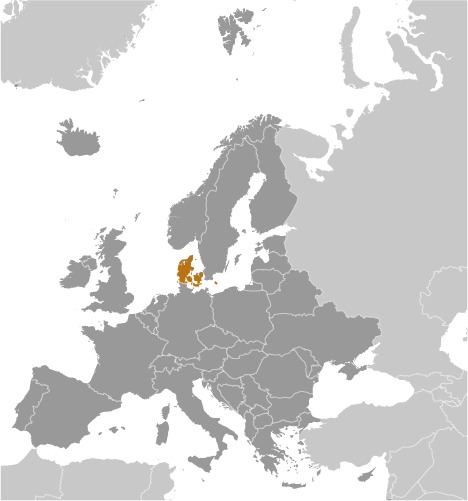
Denmark is the smallest and southernmost of the Scandinavian countries, a low-lying kingdom of islands and peninsulas where no point stands more than 170 meters above sea level. Yet this modest geography belies an outsized cultural influence: Denmark is the home of hygge, the birthplace of LEGO, and consistently ranks among the world's happiest nations.
Copenhagen, the capital, has emerged as a global leader in design, gastronomy, and sustainability. Its cycling culture, harbor baths, and Michelin-starred restaurants embody a quality of life that attracts visitors and expats alike. Beyond the capital, fairy-tale castles, Viking ship museums, and wind-swept North Sea beaches reveal the country's deeper layers.
As a founding member of NATO and a member of the EU (though outside the euro zone), Denmark punches above its weight in international affairs while maintaining one of Europe's most generous welfare states.
History
Denmark's history begins with the Vikings, whose seafaring raids and trading networks from the eighth to eleventh centuries left an indelible mark on European history. The medieval Danish kingdom at its peak controlled much of Scandinavia, England, and the Baltic coast. The Kalmar Union of 1397 briefly united all of Scandinavia under Danish rule.
Centuries of war with Sweden shrank Danish territory, and the loss of Schleswig-Holstein to Prussia in 1864 cemented the modern state's small size. Denmark was occupied by Nazi Germany from 1940 to 1945 but earned distinction for the near-complete rescue of its Jewish population. Postwar Denmark built an exemplary social democracy and joined the European Economic Community in 1973.
Once the seat of Viking raiders and later a major north European power, Denmark has evolved into a modern, prosperous nation that is participating in the general political and economic integration of Europe. It joined NATO in 1949 and the EEC (now the EU) in 1973. However, the country has opted out of certain elements of the EU's Maastricht Treaty, including the European Economic and Monetary Union, European defense cooperation, and issues concerning certain justice and home affairs.
CIA World Factbook
Culture & Society
Danish culture prizes simplicity, design, and conviviality. The concept of hygge — a cozy togetherness — permeates social life, from candlelit dinners to communal singing. Denmark's design tradition, from Arne Jacobsen's chairs to Royal Copenhagen porcelain, emphasizes clean lines and functionality. The culinary scene ranges from traditional smørrebrød (open-faced sandwiches) to the New Nordic movement pioneered by restaurants like Noma.
Languages: Danish, Faroese, Greenlandic (an Inuit dialect), German (small minority)
Religions: Evangelical Lutheran (official) 74.7%, Muslim 5.5%, other/none/unspecified (denominations of less than 1% each in descending order of size include Roman Catholic, Jehovah's Witness, Serbian Orthodox Christian, Jewish, Baptist, Buddhist, Mormon, Pentecostal, and nondenominational Christian) 19.8% (2019 est.)
Ethnic Groups: Danish (includes Greenlandic (who are predominantly Inuit) and Faroese) 86.3%, Turkish 1.1%, other 12.6% (largest groups are Polish, Syrian, German, Iraqi, and Romanian) (2018 est.)
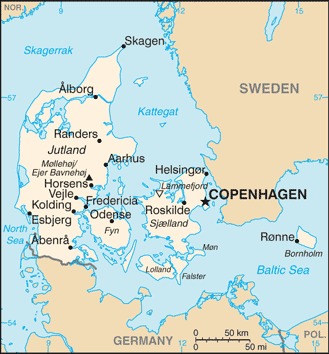
Maps
Articles About Denmark
History
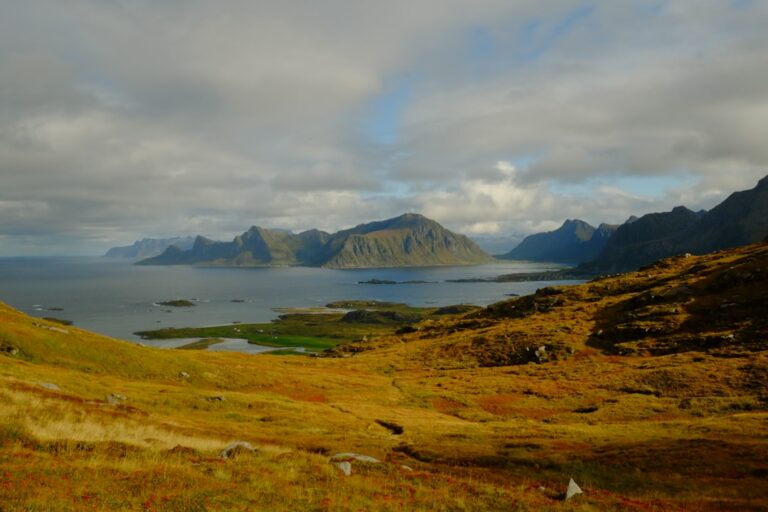
Viking History Trail: Following the Norse Across Scandinavia
The Viking Age, spanning roughly from 793 AD when Norse raiders attacked Lindisfarne monastery to 1066 when Harald Hardrada fell…
Destinations
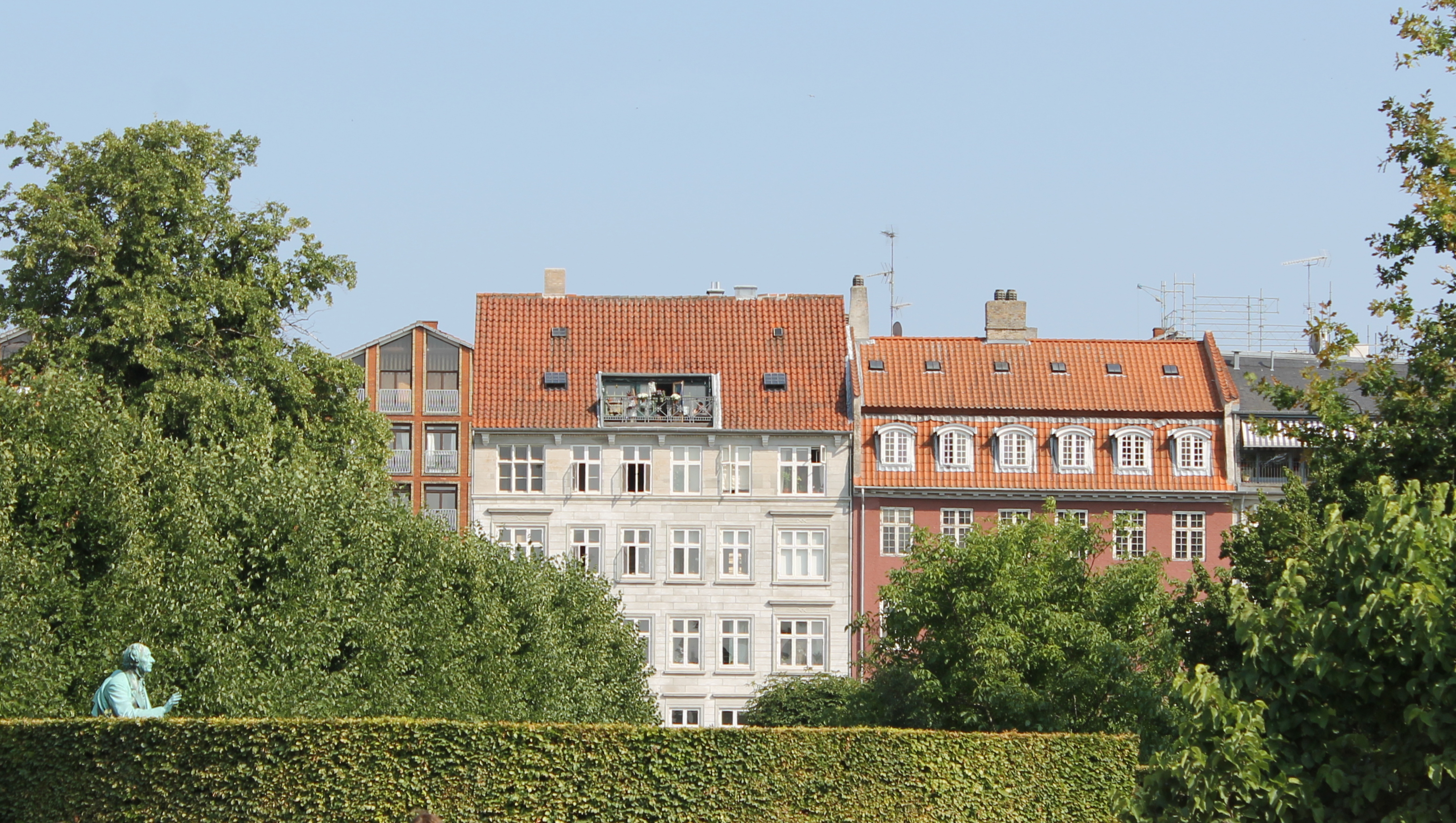
Guest Author: How to Spend a Family Weekend in Copenhagen, Denmark
My family recently spent 3 days exploring Copenhagen, Denmark’s capital city and a thriving metropolis in the heart of Scandinavia.
Travel
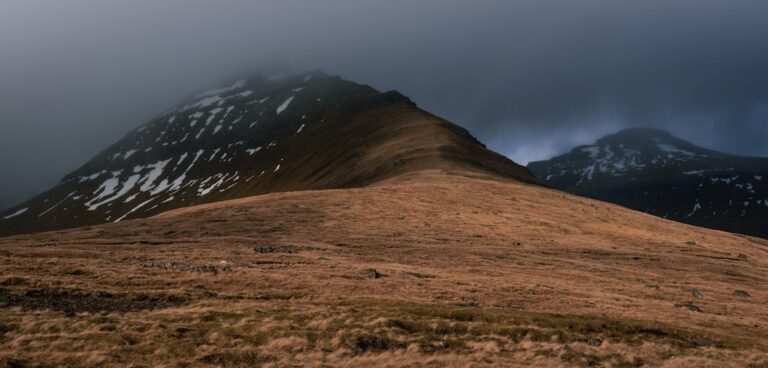
The Faroe Islands: Edge-of-the-World Travel
Eighteen islands in the North Atlantic, halfway between Norway and Iceland, where sheep outnumber people and the weather changes every…
Guest Author: How to Spend a Family Weekend in Copenhagen, Denmark
My family recently spent 3 days exploring Copenhagen, Denmark’s capital city and a thriving metropolis in the heart of Scandinavia.
Guides
Guest Author: How to Spend a Family Weekend in Copenhagen, Denmark
My family recently spent 3 days exploring Copenhagen, Denmark’s capital city and a thriving metropolis in the heart of Scandinavia.