Finland
Your complete guide to Finland
Quick Facts
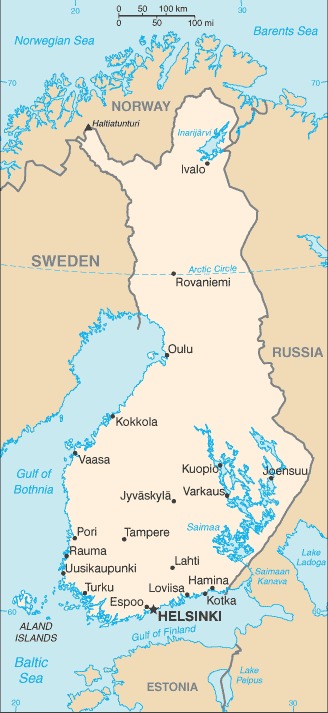
Capital
Helsinki
Population
5,571,665
Languages
Finnish (official) 87.6%, Swedish (official) 5.2%, Russian 1.4%, other 5.8% (2018 est.)
Currency
euros (EUR)
Area
338,145 sq km
Government
Parliamentary republic
About Finland
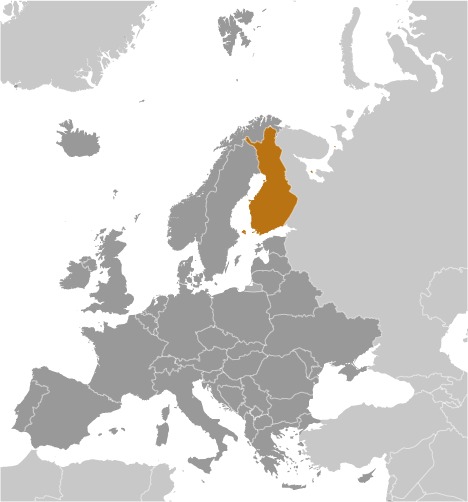
Finland stretches from the Baltic Sea to the Arctic, a land of 188,000 lakes, vast boreal forests, and the ethereal glow of the Northern Lights. Sparsely populated yet highly developed, it consistently leads global rankings in education, press freedom, and quality of life.
Helsinki, the capital, is a showcase of Nordic architecture and design — from Alvar Aalto's modernist landmarks to the contemporary Oodi library — and serves as Finland's cultural and economic hub. The city's waterfront market hall, island fortress of Suomenlinna, and thriving restaurant scene draw visitors year-round.
Beyond the cities, Finland's identity is shaped by its relationship with nature. The concept of 'everyman's right' (jokamiehenoikeus) guarantees universal access to forests and waterways, and the sauna — with over three million in a country of 5.5 million people — is as much a way of life as a bathing tradition.
History
Finland was part of the Kingdom of Sweden for over six centuries before being ceded to the Russian Empire in 1809 as an autonomous Grand Duchy. During this period, Finnish national identity crystallized around the Finnish language and the national epic, the Kalevala. Independence was declared in 1917 during the chaos of the Russian Revolution.
Finland fought two wars against the Soviet Union during World War II — the Winter War and the Continuation War — losing territory but preserving its independence. The Cold War era saw Finland pursue a careful policy of neutrality ('Finlandization'), maintaining Western democratic institutions while accommodating Soviet security concerns. Finland joined the EU in 1995 and NATO in 2023, marking a historic shift in its security posture.
Finland was a province and then a grand duchy under Sweden from the 12th to the 19th centuries, and an autonomous grand duchy of Russia after 1809. It gained complete independence in 1917. During World War II, Finland successfully defended its independence through cooperation with Germany and resisted subsequent invasions by the Soviet Union – albeit with some loss of territory. In the subsequent half century, Finland transformed from a farm/forest economy to a diversified modern industrial economy; per capita income is among the highest in Western Europe. A member of the EU since 1995, Finland was the only Nordic state to join the euro single currency at its initiation in January 1999. In the 21st century, the key features of Finland's modern welfare state are high quality education, prom…
CIA World Factbook
Culture & Society
Finnish culture values sisu — a concept of stoic determination and inner strength — alongside a deep reverence for nature and solitude. The sauna is the quintessential Finnish institution, a place for physical and spiritual cleansing. Cuisine ranges from Karelian pies and smoked salmon to wild-foraged berries and mushrooms. Finland's contributions to design (Marimekko, Iittala), music (Sibelius, metal bands), and education are celebrated worldwide.
Languages: Finnish (official) 87.6%, Swedish (official) 5.2%, Russian 1.4%, other 5.8% (2018 est.)
Religions: Lutheran 69.8%, Greek Orthodox 1.1%, other 1.7%, unspecified 27.4% (2018 est.)
Ethnic Groups: Finn, Swede, Russian, Estonian, Romani, Sami
Maps
Articles About Finland
Destinations
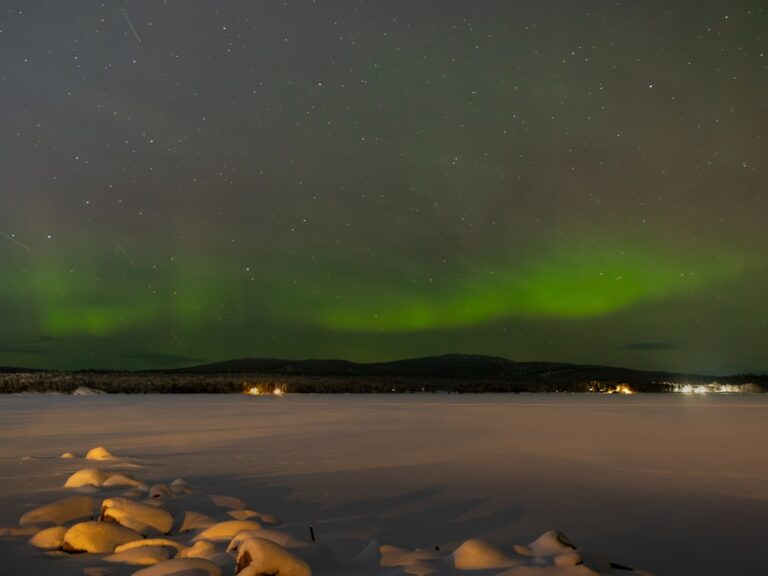
Lapland Beyond Santa: Sami Culture and Arctic Wilderness
For most visitors, Lapland means one thing: Santa Claus.
Travel
Lapland Beyond Santa: Sami Culture and Arctic Wilderness
For most visitors, Lapland means one thing: Santa Claus.