France
Your complete guide to France
Quick Facts
Capital
Paris
Population
67,848,156
Languages
French (official) 100%, declining regional dialects and languages (Provencal, Breton, Alsatian, Corsican, Catalan, Basqu…
Currency
euros (EUR)
Area
643,801 sq km
Government
Semi-presidential republic
About France
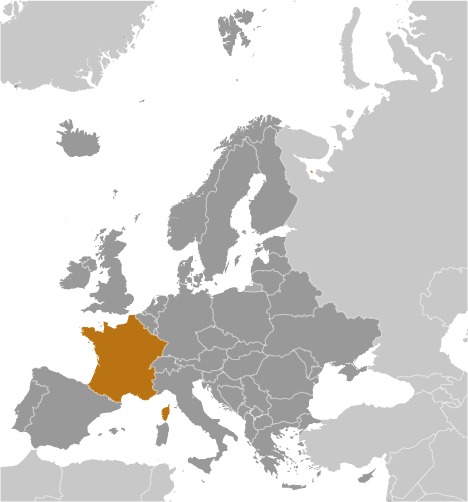
France is Western Europe's largest country and one of the world's most influential nations in culture, cuisine, fashion, and diplomacy. From the lavender fields of Provence to the snow-capped peaks of the Alps, from the vineyards of Bordeaux to the wild coastline of Brittany, the landscape is as varied as it is beautiful.
Paris, the City of Light, needs little introduction — the Eiffel Tower, the Louvre, Notre-Dame, and the café-lined boulevards are icons of global culture. But France's richness extends far beyond its capital, with over forty UNESCO World Heritage Sites and a network of historic cities each with distinct character.
As a founding member of the European Union, a permanent member of the UN Security Council, and the world's leading tourist destination, France occupies a central place in European and global affairs. Its republican values of liberté, égalité, fraternité continue to shape debates about democracy, secularism, and human rights.
History
France's history is a sweeping saga from the Gallic tribes conquered by Julius Caesar, through the medieval grandeur of Charlemagne and the Capetian kings, to the Revolution of 1789 that transformed European politics. The Napoleonic era spread revolutionary ideals — and French military power — across the continent, while the nineteenth century saw France build the world's second-largest colonial empire.
The two World Wars devastated France: the trenches of Verdun and the Somme in the first, German occupation and the Resistance in the second. The postwar Fourth Republic gave way to Charles de Gaulle's Fifth Republic in 1958, establishing the semi-presidential system that endures today. Decolonization, the student revolts of May 1968, and waves of immigration have continued to reshape French society.
France today is one of the most modern countries in the world and is a leader among European nations. It plays an influential global role as a permanent member of the United Nations Security Council, NATO, the G-7, the G-20, the EU, and other multilateral organizations. France rejoined NATO's integrated military command structure in 2009, reversing DE GAULLE's 1966 decision to withdraw French forces from NATO. Since 1958, it has constructed a hybrid presidential-parliamentary governing system resistant to the instabilities experienced in earlier, more purely parliamentary administrations. In recent decades, its reconciliation and cooperation with Germany have proved central to the economic integration of Europe, including the introduction of a common currency, the euro, in January 1999. In…
CIA World Factbook
Culture & Society
French culture permeates global life in ways both obvious and subtle — from haute couture and impressionist painting to existentialist philosophy and the art of the baguette. The French approach to food is elevated to a national art form: wine, cheese, pastry, and multi-course dining are not mere sustenance but cultural expressions protected by AOC designations. Literature (Hugo, Proust, Camus), cinema (the Nouvelle Vague), and intellectual life (the café-philosophe tradition) remain pillars of French identity.
Languages: French (official) 100%, declining regional dialects and languages (Provencal, Breton, Alsatian, Corsican, Catalan, Basque, Flemish, Occitan, Picard)
Religions: Christian (overwhelmingly Roman Catholic) 63-66%, Muslim 7-9%, Buddhist 0.5-0.75%, Jewish 0.5-0.75%, other 0.5-1.0%, none 23-28% (2015 est.)
Ethnic Groups: Celtic and Latin with Teutonic, Slavic, North African, Indochinese, Basque minorities
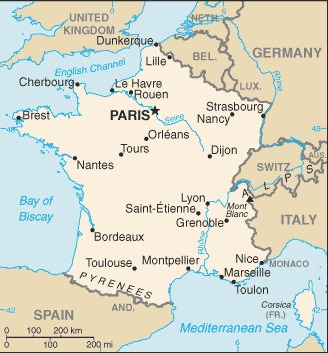
Maps
Articles About France
History
Europe’s Most Haunting World War I Battlefields
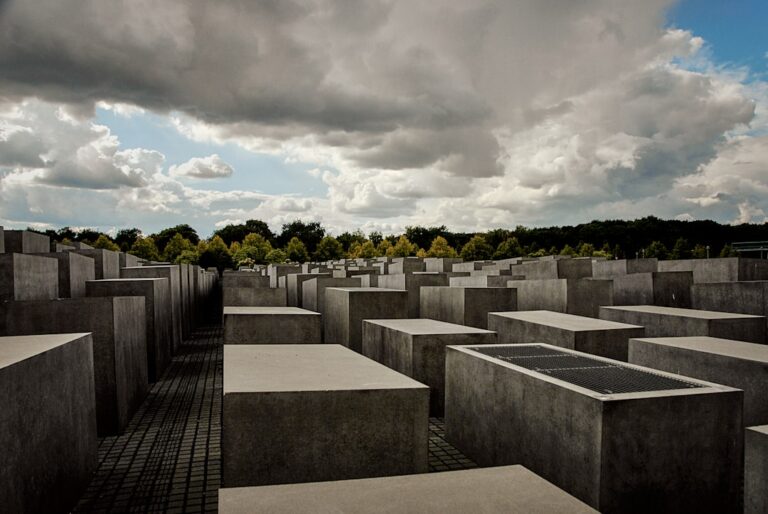
The First World War killed approximately 20 million people — soldiers and civilians — between 1914 and 1918, and wounded…
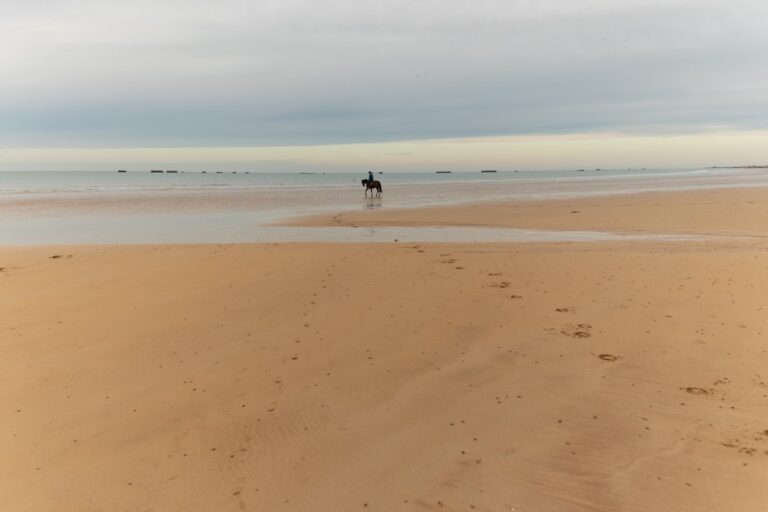
D-Day Beaches Today: A Respectful Visitor’s Guide
On June 6, 1944, more than 156,000 Allied troops landed on five beaches along an 80-kilometer stretch of Normandy’s coast…
Destinations
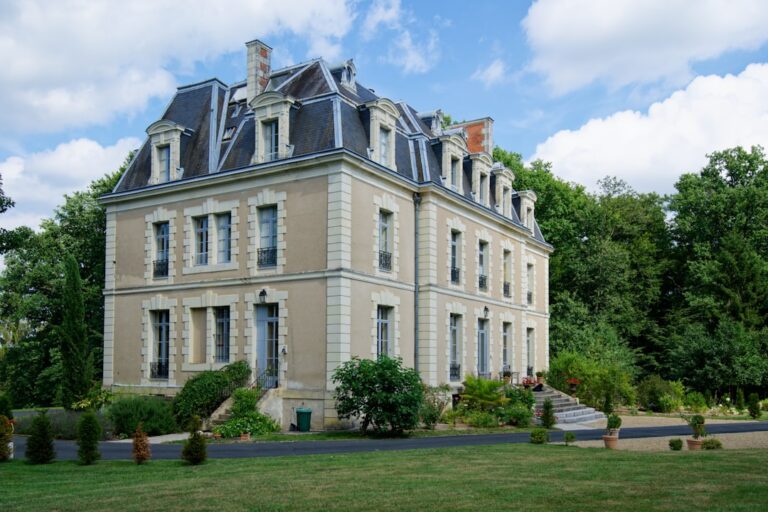
Cycling the Loire Valley: Châteaux, Wine, and Flat Roads
The Loire Valley is one of those rare destinations that seems custom-designed for cycling.
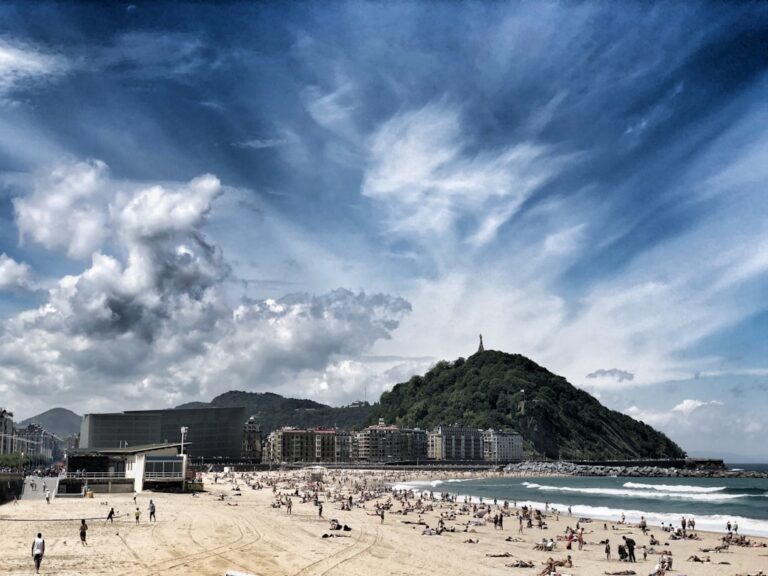
The Basque Country: Europe's Most Mysterious Culture
Straddling the border between Spain and France along the Bay of Biscay, the Basque Country is unlike anywhere else in…
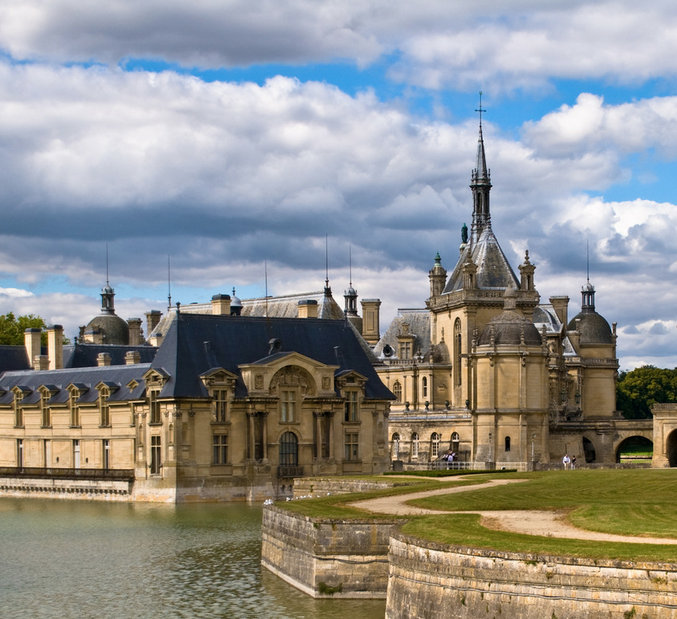
ROYAL RESIDENCES BEYOND THE PARISIAN WALLS
The 20 administrative districts that make up what residents of the capital call 'Paris intramuros', or Paris within the walls,…
Travel
Cycling the Loire Valley: Châteaux, Wine, and Flat Roads
The Loire Valley is one of those rare destinations that seems custom-designed for cycling.
The Basque Country: Europe's Most Mysterious Culture
Straddling the border between Spain and France along the Bay of Biscay, the Basque Country is unlike anywhere else in…
Food & Drink
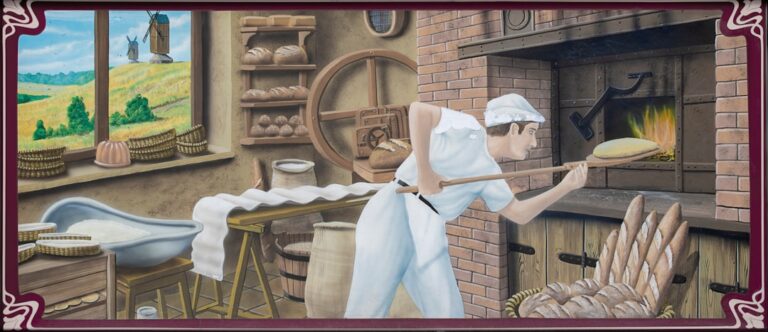
The Best Bakeries in Paris That Aren't Tourist Traps
Paris is a city built on flour, butter, and fierce opinions about both. Every neighborhood has its boulangerie, and Parisians…
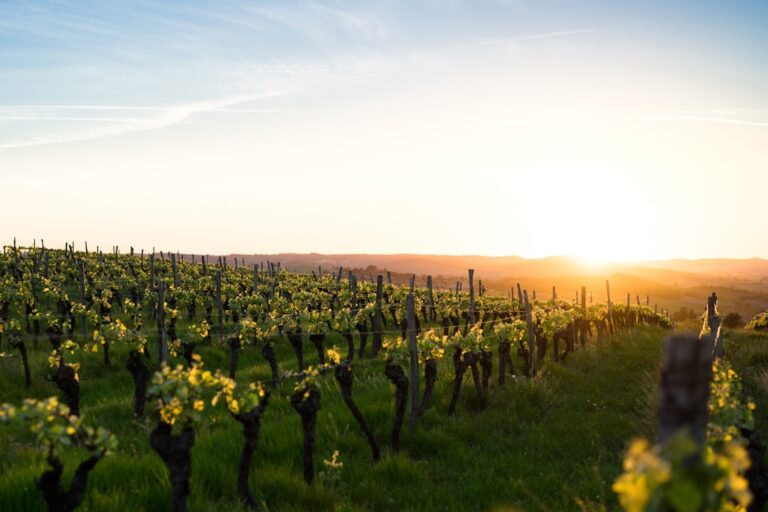
Wine Regions You Can Actually Afford: Beyond Bordeaux and Tuscany
Bordeaux and Tuscany are magnificent. They're also expensive, crowded, and increasingly aimed at tourists who arrive by luxury coach.
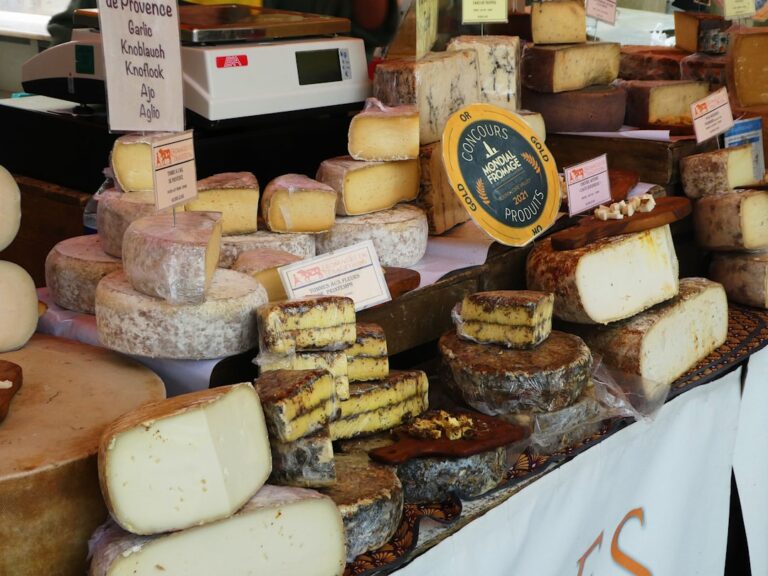
A Cheese Lover's Road Trip Through France
France produces over 1,200 varieties of cheese, and Charles de Gaulle once asked how anyone could govern a country with…