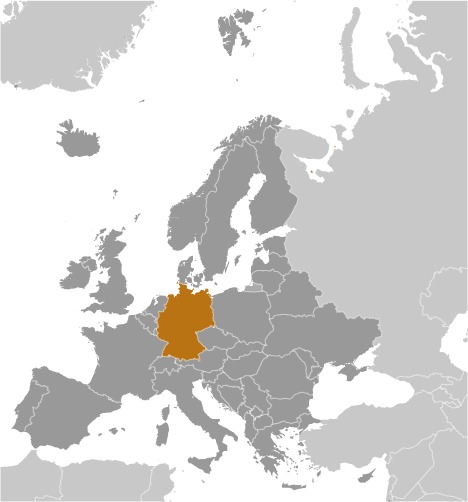
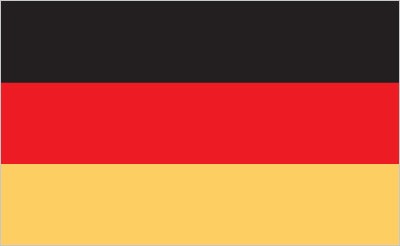
Germany
Your complete guide to Germany
Quick Facts
Capital
Berlin
Population
80,159,662
Languages
German (official)
Currency
euros (EUR)
Area
357,022 sq km
Government
Federal parliamentary republic
About Germany
Germany is Europe's largest economy and most populous nation (excluding Russia), a federal republic of sixteen states stretching from the North Sea and Baltic coasts to the Bavarian Alps. Its central location has made it both a cultural crossroads and a political fulcrum of European history.
Berlin, the reunited capital, throbs with creativity — its galleries, clubs, and startup scene draw young people from across the world. But Germany's federal structure means that Munich, Hamburg, Frankfurt, Cologne, and Dresden each maintain fiercely distinct identities, dialects, and traditions.
Germany's contributions to philosophy, music, science, and engineering are immeasurable. From Beethoven and Bach to Bauhaus and BMW, the country's cultural and industrial output has shaped the modern world. As the driving force behind European integration and the EU's largest contributor, Germany continues to play a pivotal role in the continent's future.
History
Germany's path from a patchwork of medieval principalities to a unified nation-state was long and turbulent. Unification under Prussian leadership in 1871 created a powerful empire whose ambitions contributed to World War I. The Weimar Republic's democratic experiment collapsed under economic crisis, leading to the Nazi regime and the catastrophe of World War II and the Holocaust.
The postwar division into West and East Germany became the defining symbol of the Cold War. The fall of the Berlin Wall on November 9, 1989, and reunification in 1990 marked one of the twentieth century's most dramatic turning points. Since then, Germany has become the anchor of the European Union and a leading voice for multilateralism, while continuing to reckon with its historical responsibilities.
As Europe's largest economy and second most populous nation (after Russia), Germany is a key member of the continent's economic, political, and defense organizations. European power struggles immersed Germany in two devastating world wars in the first half of the 20th century and left the country occupied by the victorious Allied powers of the US, UK, France, and the Soviet Union in 1945. With the advent of the Cold War, two German states were formed in 1949: the western Federal Republic of Germany (FRG) and the eastern German Democratic Republic (GDR). The democratic FRG embedded itself in key western economic and security organizations, the EC (now the EU) and NATO, while the communist GDR was on the front line of the Soviet-led Warsaw Pact. The decline of the USSR and the end of the Col…
CIA World Factbook
Culture & Society
German culture spans from the philosophical heights of Kant, Hegel, and Nietzsche to the earthy pleasures of Oktoberfest, Christmas markets, and Rhineland Karneval. Music is central — Germany's classical tradition (Bach, Beethoven, Brahms, Wagner) is unrivaled, and Berlin's techno scene has become equally iconic. Regional cuisines vary enormously, from Bavarian pretzels and pork knuckle to North Sea shrimp sandwiches and Swabian Spätzle.
Languages: German (official)
Religions: Roman Catholic 27.7%, Protestant 25.5%, Muslim 5.1%, Orthodox 1.9%, other Christian 1.1%, other .9%, none 37.8% (2018 est.)
Ethnic Groups: German 87.2%, Turkish 1.8%, Polish 1%, Syrian 1%, other 9% (2017 est.)
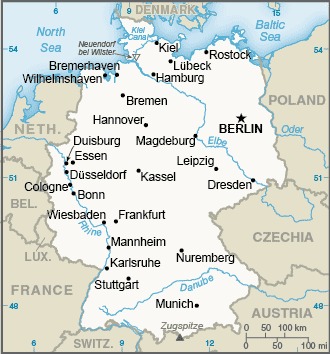
Maps
Articles About Germany
Culture
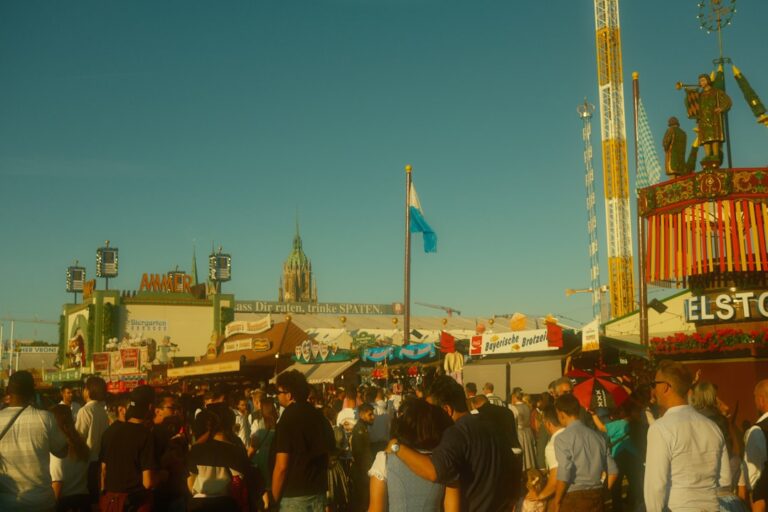
The Biergarten Tradition: Germany's Outdoor Living Rooms
On a warm evening in Munich, the Augustiner-Keller beer garden holds six thousand people under the spreading canopy of old…
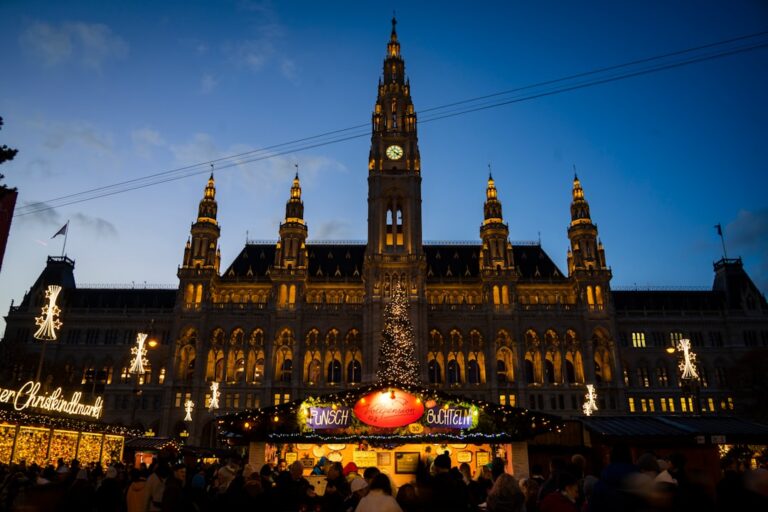
Christmas Markets Ranked: Which European Cities Do It Best?
When the first chill of November settles over the continent, something magical happens in the squares and plazas of European…
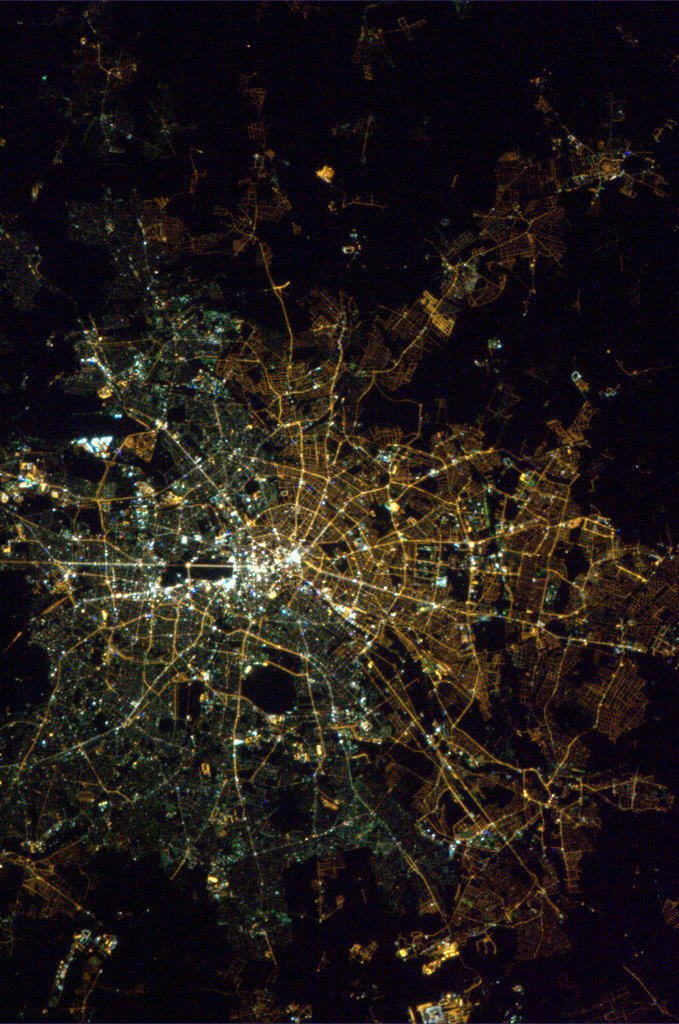
Picture: Berlin at Night from the International Space Station
Commander Chris Hatfield on board the International Space Station recent posted this amazing picture of Berlin at night.
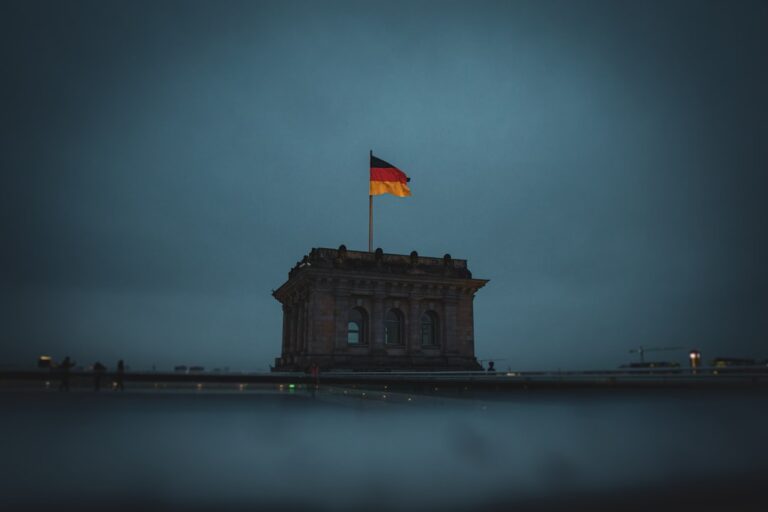
Germany dos and don’ts
Social rules. Germany’s got a lot of ‘em, and ignoring etiquette yields a puckered brow, pronto. But don’t fret – our…
History
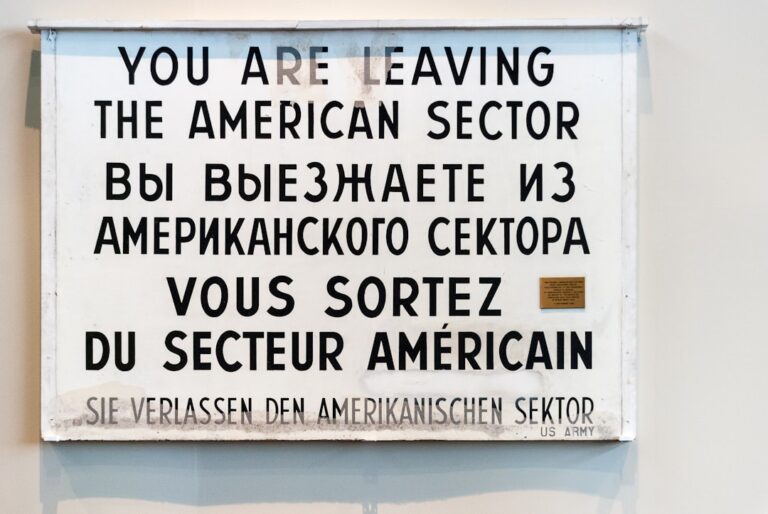
Cold War Relics You Can Still Visit Across Europe
The Cold War lasted over four decades, from roughly 1947 to 1991, and during that time it shaped the physical…
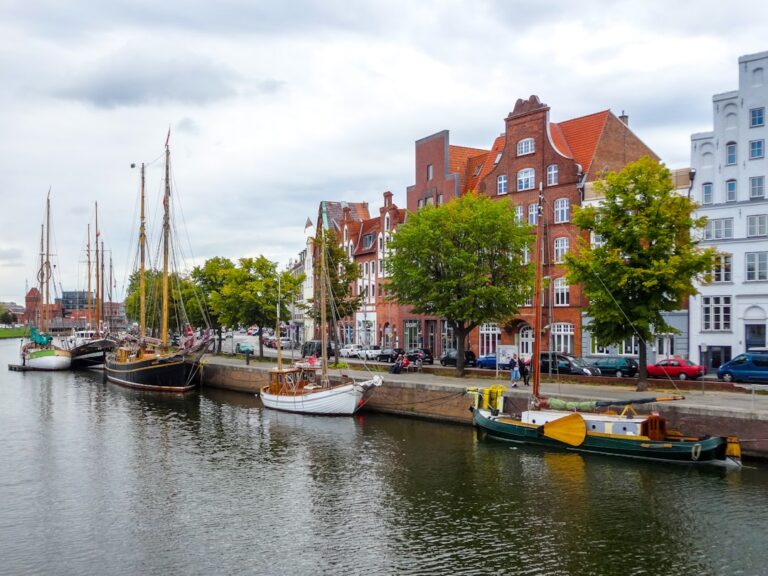
The Hanseatic League: How Trade Built Northern Europe
Before the European Union, before NATO, before the nation-state as we know it, there was the Hanse.
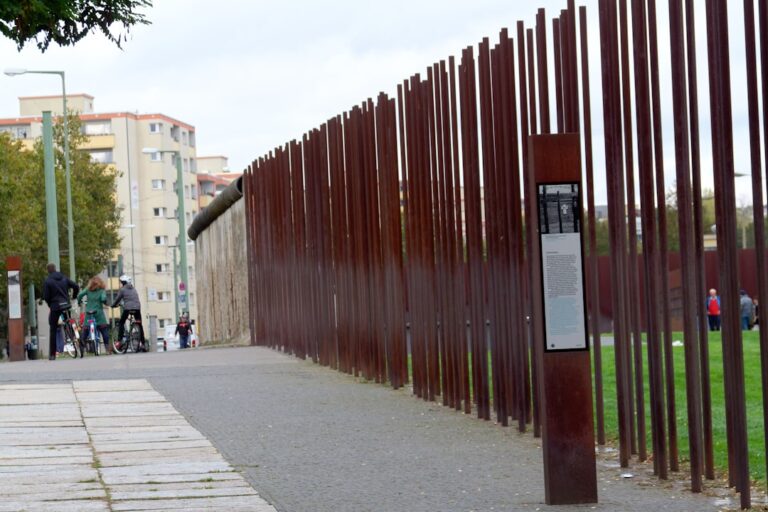
Walking the Berlin Wall Trail 35 Years After the Fall
On November 9, 1989, the Berlin Wall fell in a torrent of euphoria, champagne, and sledgehammers.
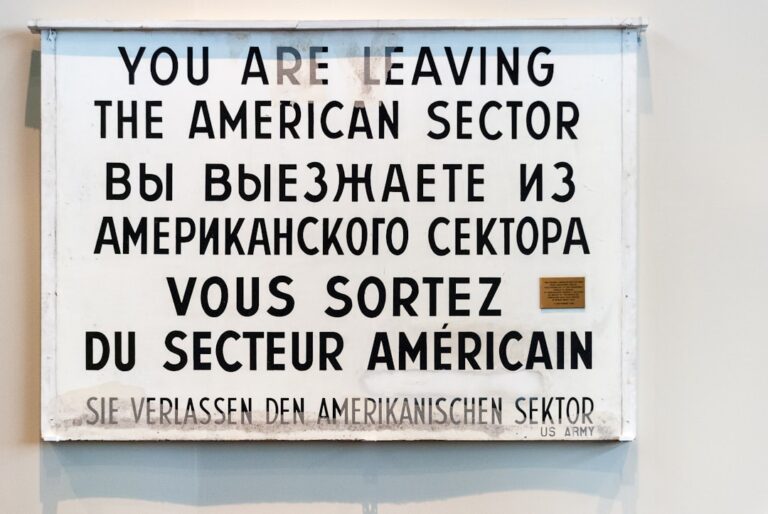
The Iron Curtain Trail: Cycling the Former Cold War Border
For nearly half a century, an impenetrable border divided Europe in two.
Destinations
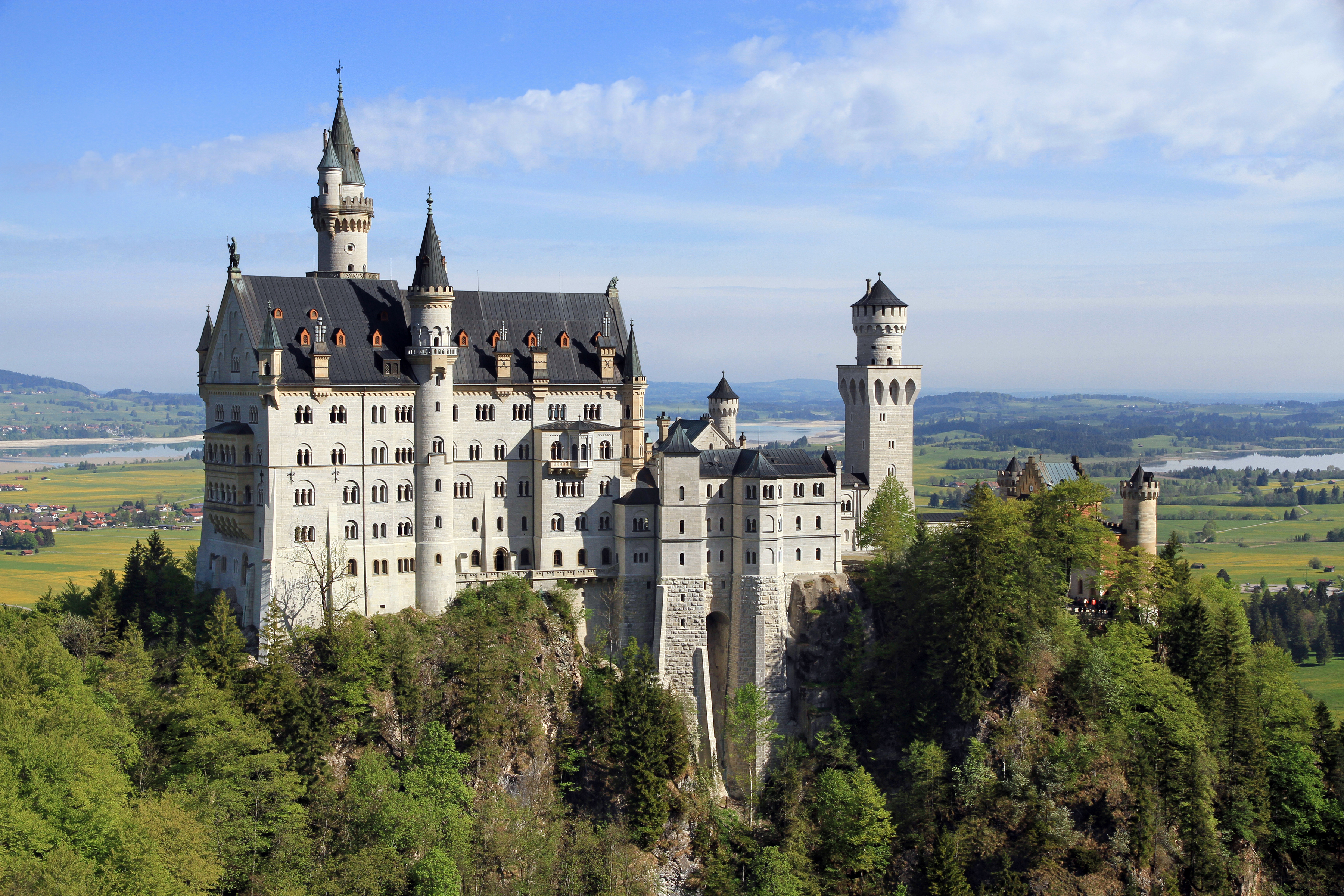
Neuschwanstein Castle
Click image to view a larger version.
Travel
The Iron Curtain Trail: Cycling the Former Cold War Border
For nearly half a century, an impenetrable border divided Europe in two.