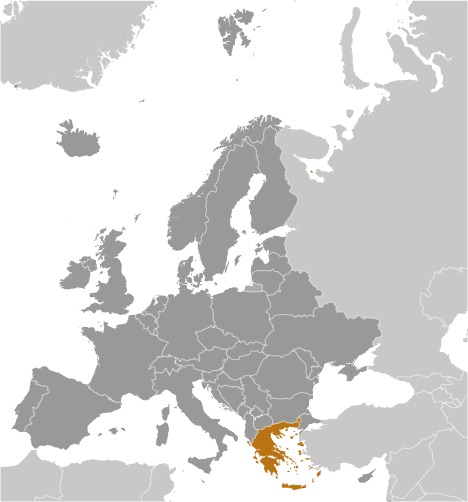
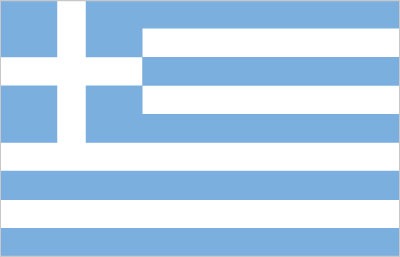
Greece
Your complete guide to Greece
Quick Facts
Capital
Athens
Population
10,607,051
Languages
Greek (official) 99%, other (includes English and French) 1%
Currency
euros (EUR)
Area
131,957 sq km
Government
Parliamentary republic
About Greece
Greece is the cradle of Western civilization, a sun-drenched land of ancient ruins, island-dotted seas, and a living culture that connects directly to the world of Homer, Socrates, and Pericles. Its mountainous mainland and roughly 6,000 islands and islets span the southeastern corner of Europe.
Athens, the capital, juxtaposes the ancient Acropolis with vibrant contemporary neighborhoods, while the islands — from cosmopolitan Mykonos to volcanic Santorini to the unspoiled Dodecanese — offer some of the Mediterranean's most celebrated landscapes.
Modern Greece balances its monumental heritage with the challenges of a small, open economy that weathered a severe debt crisis in the 2010s. Tourism, shipping, and agriculture remain pillars of the economy, and the warmth of Greek hospitality — expressed through shared meals, music, and conversation — remains undiminished.
History
Greece's ancient civilizations — Minoan, Mycenaean, Classical Athens, Hellenistic — laid the foundations of Western democracy, philosophy, drama, and science. Roman, Byzantine, and Ottoman rule followed, with the Byzantine Empire preserving Greek language and Orthodox Christianity for a millennium. The Greek War of Independence (1821–1829) established the modern state.
The twentieth century brought the Balkan Wars, two World Wars, a devastating civil war (1946–1949), and a military junta (1967–1974). The restoration of democracy in 1974 led to EU membership in 1981 and euro adoption in 2001. The 2009 debt crisis tested the country severely, but Greece has since returned to economic growth and regained market confidence.
Greece achieved independence from the Ottoman Empire in 1830. During the second half of the 19th century and the first half of the 20th century, it gradually added neighboring islands and territories, most with Greek-speaking populations. In World War II, Greece was first invaded by Italy (1940) and subsequently occupied by Germany (1941-44); fighting endured in a protracted civil war between supporters of the king and other anti-communist and communist rebels. Following the latter's defeat in 1949, Greece joined NATO in 1952. In 1967, a group of military officers seized power, establishing a military dictatorship that suspended many political liberties and forced the king to flee the country. In 1974 following the collapse of the dictatorship, democratic elections and a referendum created…
CIA World Factbook
Culture & Society
Greek culture is a tapestry woven from ancient philosophy, Orthodox faith, Mediterranean cuisine, and a love of music and dance. The taverna — with its grilled octopus, feta salads, and retsina — is the social nucleus. Rebetiko music, born in the ports of Piraeus and Thessaloniki, is often called the Greek blues, while island festivals (panigiria) feature live bouzouki, communal dancing, and feasting late into the night.
Languages: Greek (official) 99%, other (includes English and French) 1%
Religions: Greek Orthodox (official) 81-90%, Muslim 2%, other 3%, none 4-15%, unspecified 1% (2015 est.)
Ethnic Groups: Greek 91.6%, Albanian 4.4%, other 4% (2011)
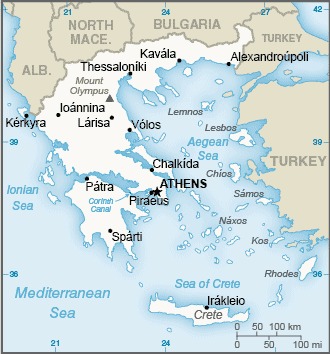
Maps
Articles About Greece
Culture
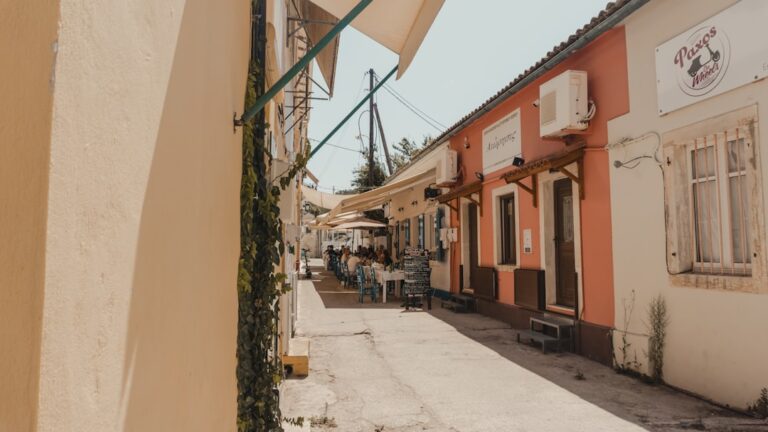
Greek Taverna Etiquette: How Locals Actually Eat
The Greek taverna is not a restaurant. It's a philosophy.
History
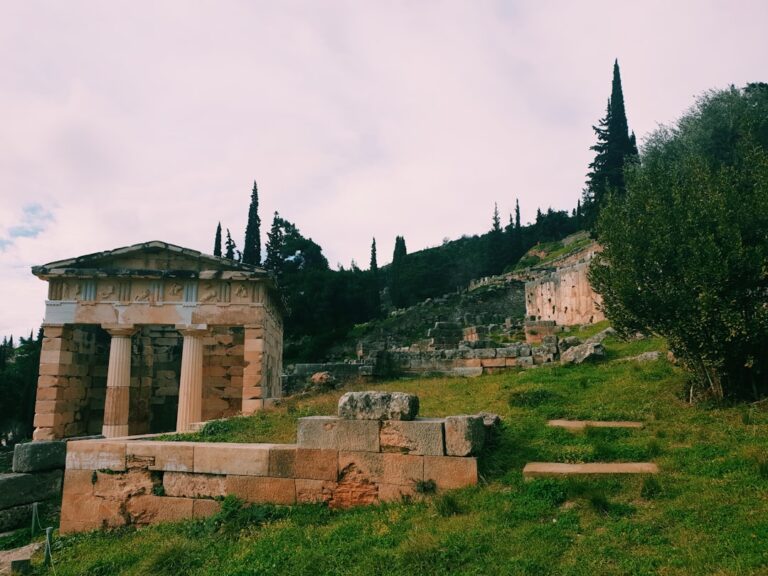
Ancient Greece Beyond Athens: Delphi, Olympia, and Mycenae
Athens gets the lion’s share of attention when it comes to ancient Greece, and rightly so — the Acropolis is…
Destinations
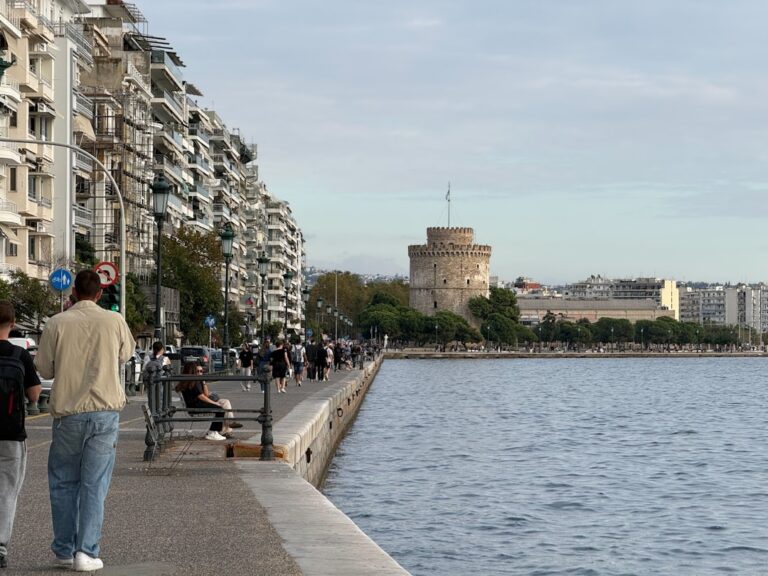
Thessaloniki: Greece's Underrated Second City
Athens gets the Parthenon and the global fame. The islands get the sunset photos and the honeymoon crowds.
Travel
Thessaloniki: Greece's Underrated Second City
Athens gets the Parthenon and the global fame. The islands get the sunset photos and the honeymoon crowds.
Food & Drink
Greek Taverna Etiquette: How Locals Actually Eat
The Greek taverna is not a restaurant. It's a philosophy.