Italy
Your complete guide to Italy
Quick Facts
Capital
Rome
Population
62,402,659
Languages
Italian (official), German (parts of Trentino-Alto Adige region are predominantly German speaking), French (small French…
Currency
euros (EUR)
Area
301,340 sq km
Government
Parliamentary republic
About Italy
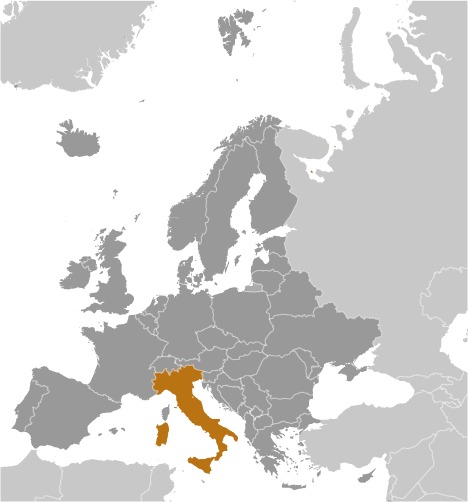
Italy is a boot-shaped peninsula extending into the Mediterranean, a country whose contributions to art, architecture, cuisine, fashion, and music have shaped Western culture more profoundly than perhaps any other nation. From the canals of Venice to the ruins of Pompeii, from Tuscan hill towns to the Amalfi Coast, Italy is a sensory feast at every turn.
Rome, the Eternal City, layers 2,700 years of history — the Colosseum, the Pantheon, the Vatican, Renaissance piazzas — in a living, chaotic, magnificent whole. Milan is a global capital of fashion and design, Florence the cradle of the Renaissance, Naples the birthplace of pizza, and the smaller cities — Bologna, Siena, Lecce — each possess a distinct cultural gravity.
Italy's economy is the euro zone's third largest, driven by manufacturing, tourism, fashion, and food production. Despite persistent regional disparities between the prosperous north and the developing south, Italian quality of life — the coffee, the passeggiata, the long family lunches — remains the envy of the world.
History
Italy's history spans the Roman Republic and Empire, which at its zenith governed the entire Mediterranean world. After Rome's fall, the peninsula fragmented into city-states, papal territories, and foreign-dominated kingdoms — yet this fragmentation produced the extraordinary cultural flowering of the Renaissance. Unification (the Risorgimento) came only in 1861 under the House of Savoy.
The twentieth century brought the trauma of two World Wars, Mussolini's fascist dictatorship (1922–1943), and postwar reconstruction under the Marshall Plan. The 'Economic Miracle' of the 1950s–60s transformed Italy from an agrarian society into an industrial power. Italy was a founding member of the EEC in 1957, and despite frequent political instability, it remains one of Europe's cultural and economic cornerstones.
Italy became a nation-state in 1861 when the regional states of the peninsula, along with Sardinia and Sicily, were united under King Victor EMMANUEL II. An era of parliamentary government came to a close in the early 1920s when Benito MUSSOLINI established a Fascist dictatorship. His alliance with Nazi Germany led to Italy's defeat in World War II. A democratic republic replaced the monarchy in 1946 and economic revival followed. Italy is a charter member of NATO and the European Economic Community (EEC) and its subsequent successors the EC and the EU. It has been at the forefront of European economic and political unification, joining the Economic and Monetary Union in 1999. Persistent problems include sluggish economic growth, high youth and female unemployment, organized crime, corrupt…
CIA World Factbook
Culture & Society
Italian culture is a civilization-shaping force: Renaissance art (Michelangelo, Leonardo, Raphael), opera (Verdi, Puccini), cinema (Fellini, Rossellini), and fashion (Armani, Prada) are merely the highlights. Food is the connective tissue of Italian life — each region guards its recipes jealously, from Emilia-Romagna's ragù and Parmigiano to Sicily's arancini and granita. The Italian approach to la dolce vita — savoring beauty, food, and human connection — is itself a cultural export.
Languages: Italian (official), German (parts of Trentino-Alto Adige region are predominantly German speaking), French (small French-speaking minority in Valle d'Aosta region), Slovene (Slovene-speaking minority in the Trieste-Gorizia area)
Religions: Christian 83.3% (overwhelmingly Roman Catholic with very small groups of Jehovah's Witnesses and Protestants), Muslim 3.7%, unaffiliated 12.4%, other 0.6% (2010 est.)
Ethnic Groups: Italian (includes small clusters of German-, French-, and Slovene-Italians in the north and Albanian-Italians and Greek-Italians in the south)
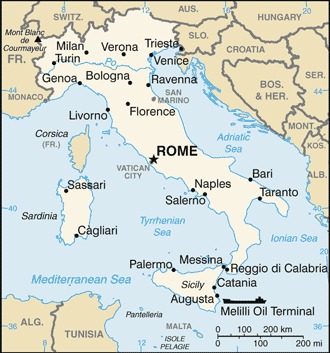
Maps
Articles About Italy
Culture
Why Europeans Eat Dinner So Late (And How to Adjust)
It is 9:30 on a Tuesday night in Madrid, and the restaurants are just starting to fill. Families with young…
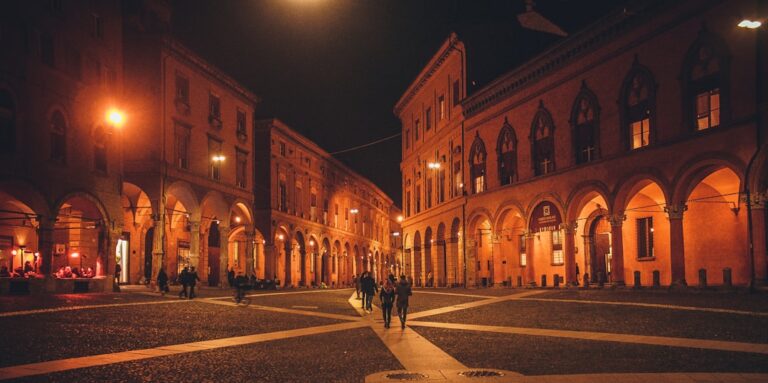
The Art of the Italian Passeggiata: Why Evening Walks Matter
Every evening, as the heat of the day begins to ease and the light turns golden, something beautiful happens in…
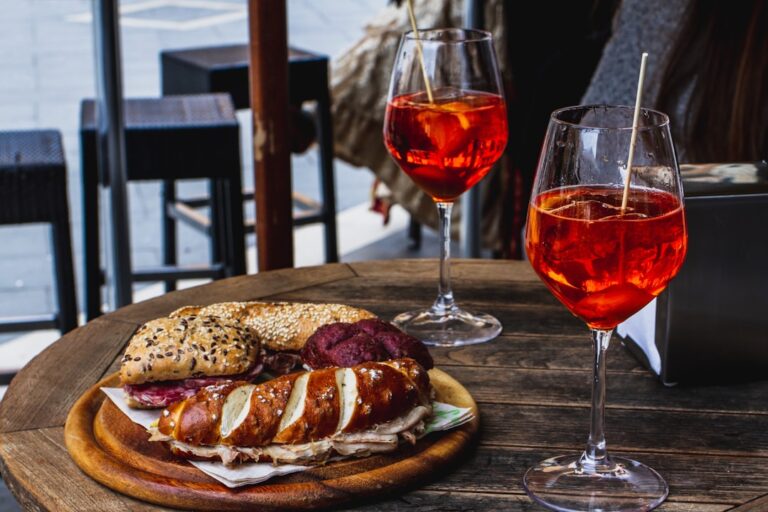
The Aperitivo Hour: Italy's Greatest Gift to Civilization
It is 6:30 in the evening on a warm Thursday in Milan.
History
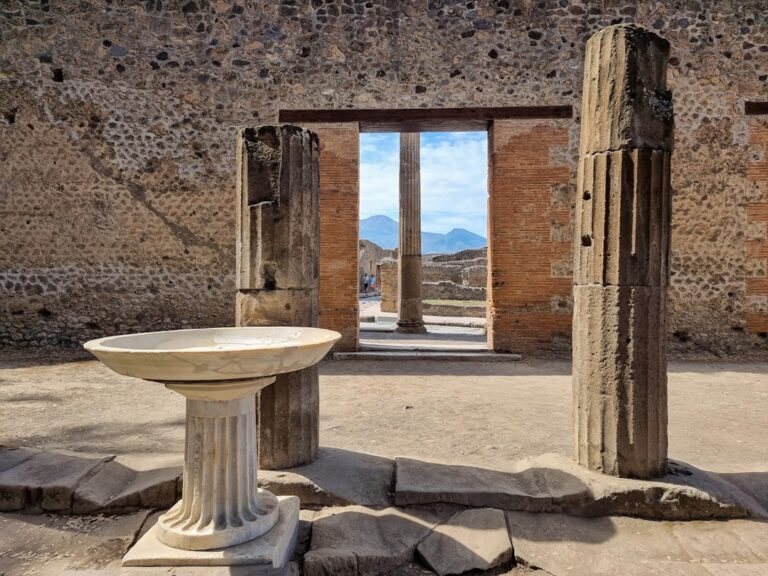
Pompeii and Herculaneum: What Most Visitors Miss
On August 24, 79 AD — or possibly in October, as recent archaeological evidence suggests — Mount Vesuvius erupted with…
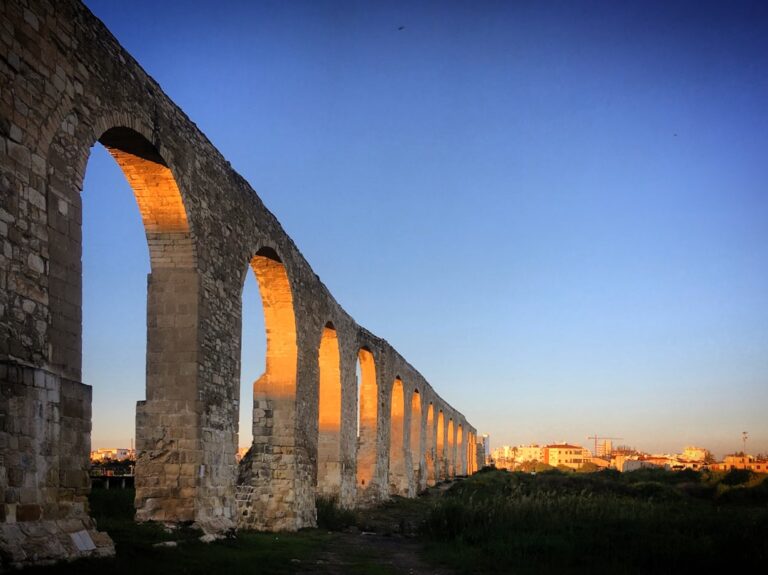
The Ancient Roman Roads You Can Still Walk Today
At the height of the Roman Empire, more than 400,000 kilometers of roads connected provinces from Britain to Mesopotamia, with…
Destinations
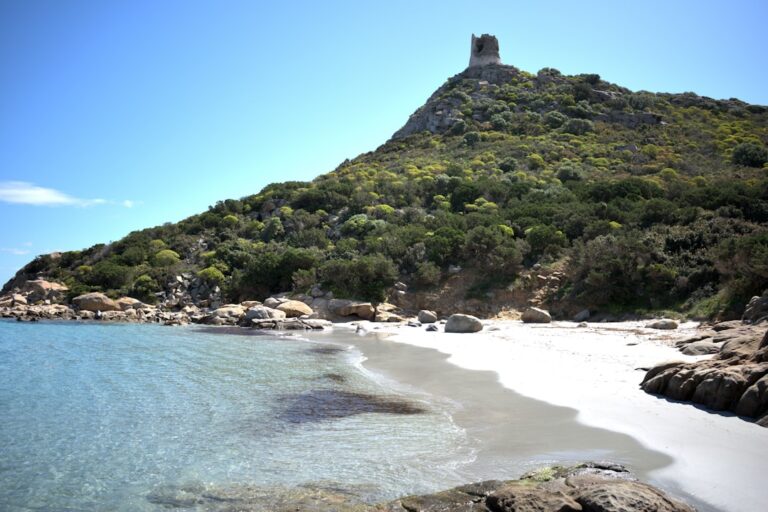
Sardinia vs. Sicily: Which Italian Island Is Right for You?
Italy's two largest islands sit at opposite ends of the country's southern coastline, and while they share a Mediterranean climate,…
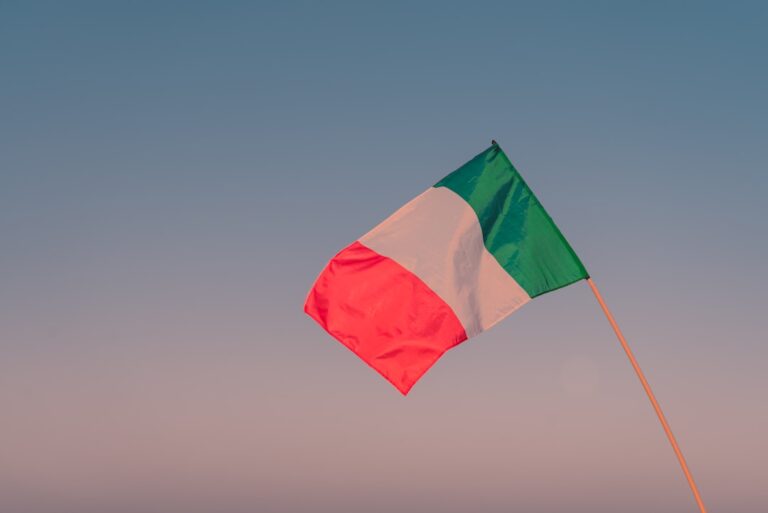
Italy’s best-kept secrets
Set in southern Italy, Matera, Basilicata is a little-known glinting jewel with scenery that is more moonscape than landscape.
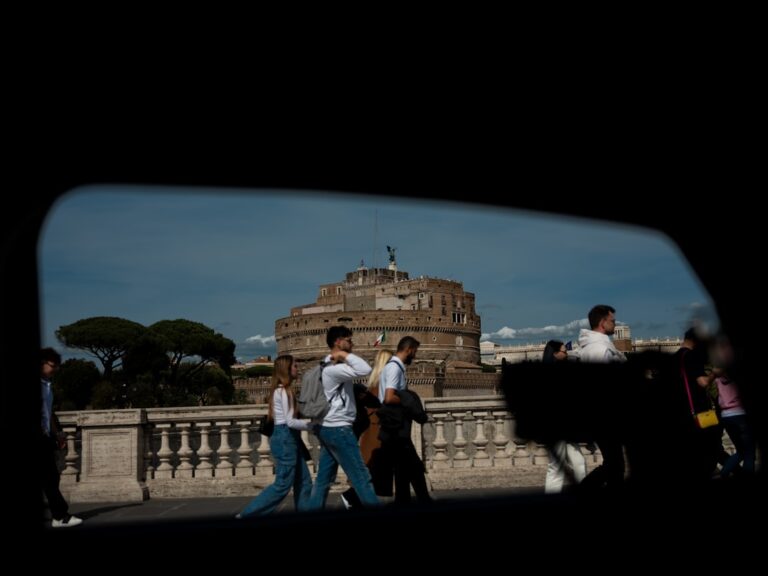
Top 10 sights in Rome from Lonely Planet
Lonely Planet lists their top 10 sights in Rome. Click to read their list.
Travel
Sardinia vs. Sicily: Which Italian Island Is Right for You?
Italy's two largest islands sit at opposite ends of the country's southern coastline, and while they share a Mediterranean climate,…
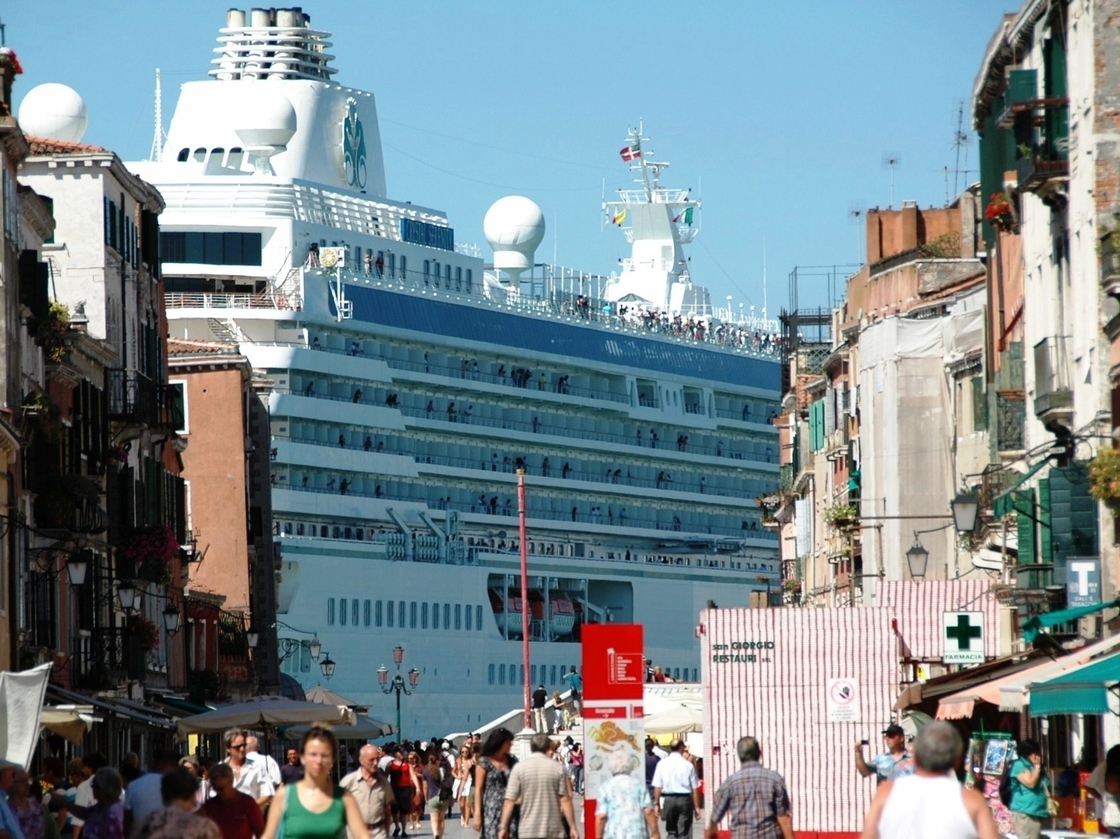
Article: In Venice, Huge Cruise Ships Bring Tourists And Complaints
Here's a great story from NPR on the negative impact of Cruise Ships in Venice.
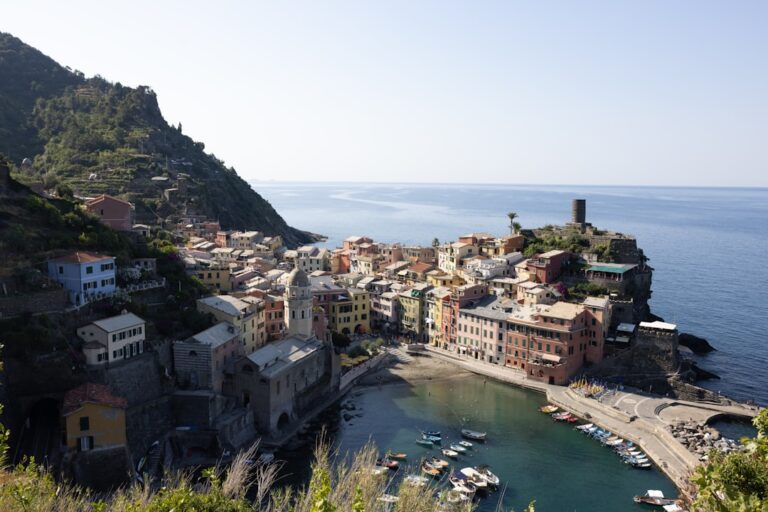
Latest Tourist Scam: Ridiculously Expensive Gelato in Rome
If you're traveling in Rome, there's a new rip-off to worry about - ridiculously expensive Gelato.
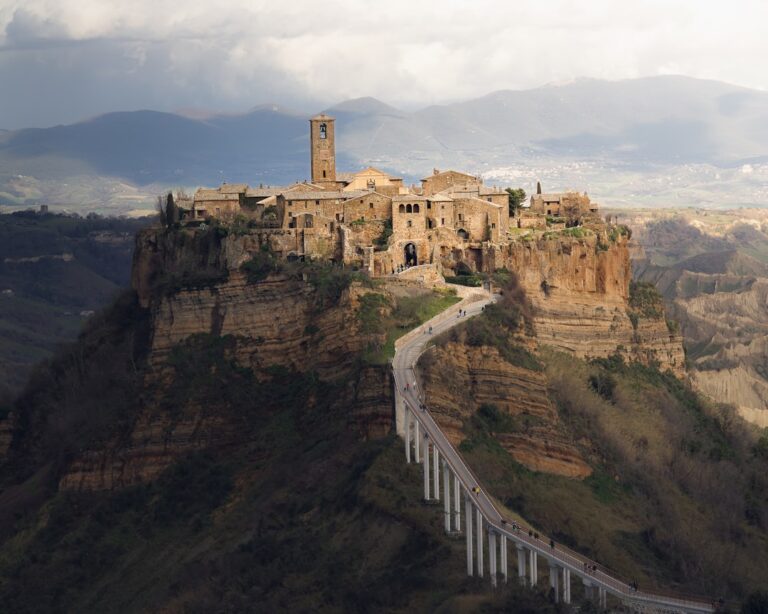
Rick Steves: What's new in Italy for 2013
USA Today has a great article from Rick Steves on what to look forward to in Italy in 2013.
Food & Drink
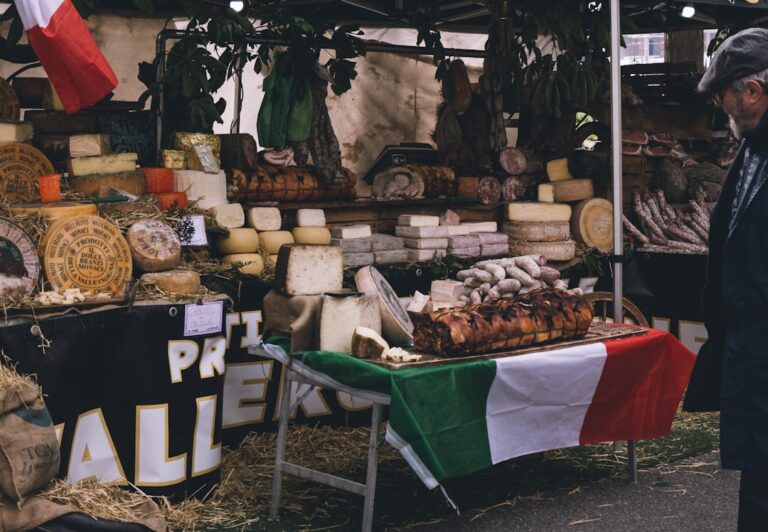
Eating Your Way Through Bologna: Italy's Food Capital
The Italians call it "La Grassa" — the Fat One. Bologna, capital of Emilia-Romagna, wears this nickname not as an…
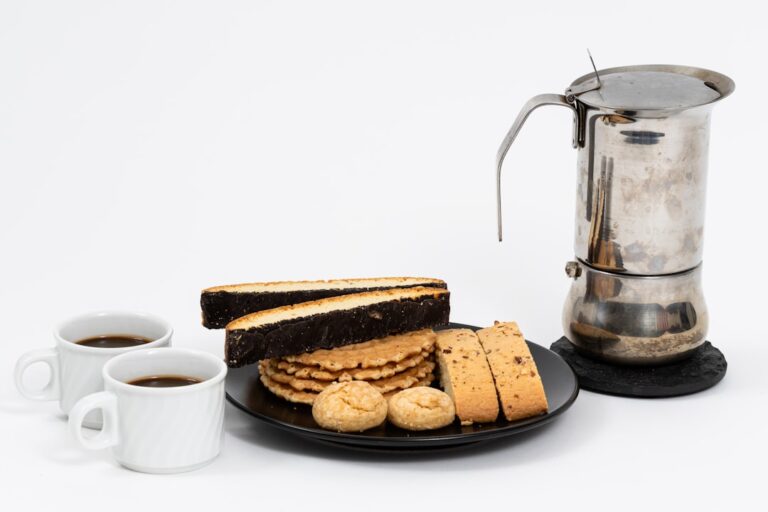
How to Order Coffee in Italy Without Embarrassing Yourself
Italian coffee culture is beautiful, efficient, and ruthlessly judged.
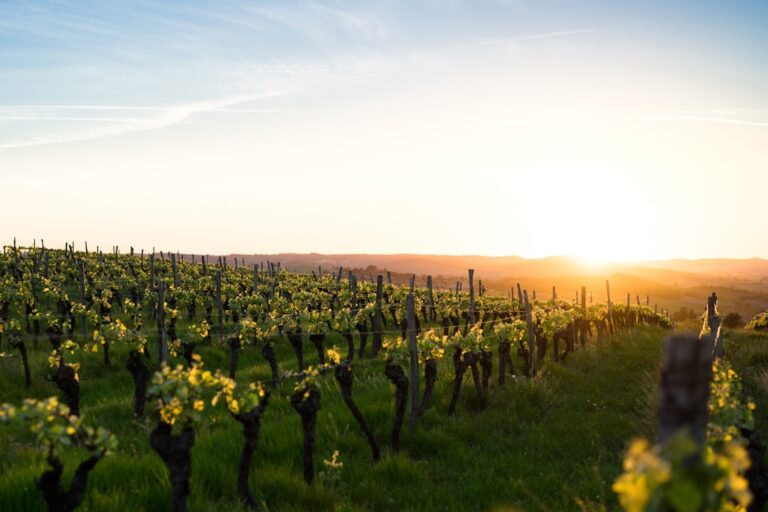
Wine Regions You Can Actually Afford: Beyond Bordeaux and Tuscany
Bordeaux and Tuscany are magnificent. They're also expensive, crowded, and increasingly aimed at tourists who arrive by luxury coach.