Monaco
Your complete guide to Monaco
Quick Facts
Capital
Monaco
Population
39,000
Languages
French (official), English, Italian, Monegasque
Currency
euros (EUR)
Area
2 sq km
Government
Constitutional monarchy
About Monaco
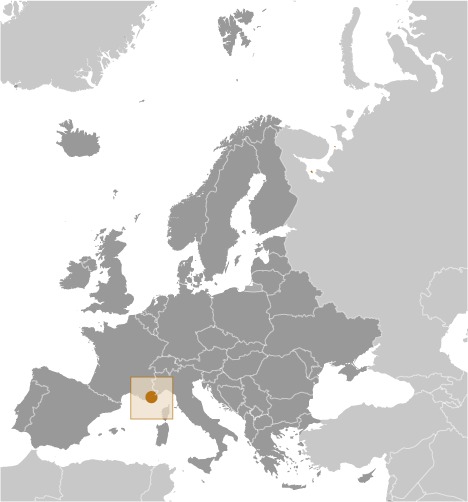
Monaco is a sovereign city-state on the French Riviera, the world's second-smallest country and its most densely populated. Covering just over two square kilometers, this Mediterranean principality is synonymous with wealth, glamour, and high-stakes living — the Monte Carlo Casino, the Formula One Grand Prix, and superyachts in the harbor define its public image.
Yet Monaco is more than a playground for the ultra-rich. The Oceanographic Museum, founded by Prince Albert I, is a world-renowned marine science institution, and the principality has invested heavily in sustainable development and environmental protection. The royal Grimaldi family, who have ruled since 1297, lend Monaco a dynastic continuity rare in modern Europe.
Monaco's residents pay no income tax, and its mild climate, personal security, and cultural offerings make it a magnet for international residents. The result is one of the world's most cosmopolitan populations packed into one of its tiniest territories.
History
Monaco's history begins with the Genoese Grimaldi family, who seized the fortress in 1297 disguised as Franciscan monks — an event still commemorated in the princely coat of arms. The principality navigated centuries of Genoese, Spanish, and French influence, and a treaty with France in 1861 established its sovereignty in essentially its current form.
The opening of the Monte Carlo Casino in 1863 under Charles III transformed Monaco from a poor olive-growing territory into a glittering resort. Prince Rainier III's marriage to American actress Grace Kelly in 1956 brought global celebrity. Today, Monaco continues to evolve under Prince Albert II, balancing its jet-set image with environmental leadership.
The Genoese built a fortress on the site of present day Monaco in 1215. The current ruling GRIMALDI family first seized control in 1297 but was not able to permanently secure its holding until 1419. Economic development was spurred in the late 19th century with a railroad linkup to France and the opening of a casino. Since then, the principality's mild climate, splendid scenery, and gambling facilities have made Monaco world famous as a tourist and recreation center.
CIA World Factbook
Culture & Society
Monégasque culture, while inevitably overshadowed by the principality's glamorous reputation, has its own traditions. The Monégasque language, a Ligurian dialect, is taught in schools and used in official ceremonies. The Fête Nationale on November 19 features a morning Mass at the cathedral, a palace reception, and fireworks over the harbor. The cuisine blends Provençal and Italian influences — barbajuan (fried ravioli), socca (chickpea flatbread), and stocafi (dried cod stew) are local specialties.
Languages: French (official), English, Italian, Monegasque
Religions: Roman Catholic 90% (official), other 10%
Ethnic Groups: Monegasque 32.1%, French 19.9%, Italian 15.3%, British 5%, Belgian 2.3%, Swiss 2%, German 1.9%, Russian 1.8%, American 1.1%, Dutch 1.1%, Moroccan 1%, other 16.6%note: data represent population by country of birth (2016 est.)
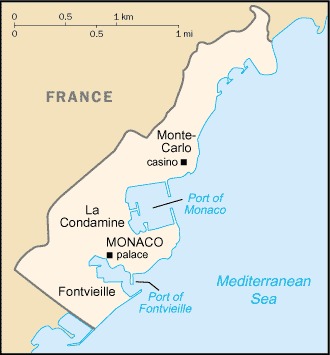
Maps
Articles About Monaco
Articles
We're still writing about Monaco. Check back soon or browse the category archive.