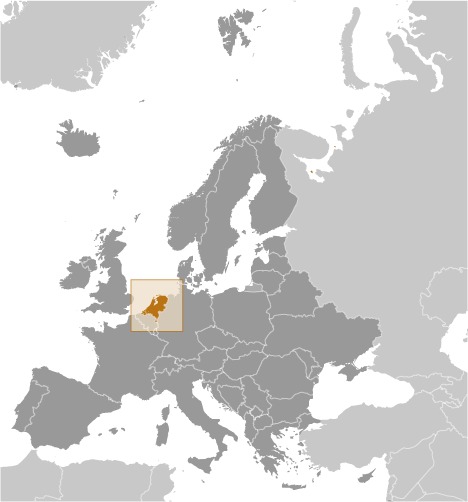
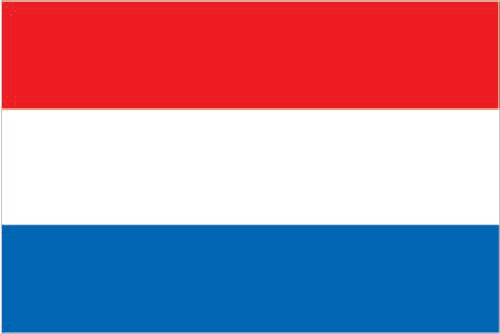
Netherlands
Your complete guide to Netherlands
Quick Facts
Capital
Amsterdam; note – The Hague is the seat of government
Population
17,280,397
Languages
Dutch (official)
Currency
euros (EUR)
Area
41,543 sq km
Government
Parliamentary constitutional monarchy; part of the Kingdom of the Netherlands
About Netherlands
The Netherlands is a low-lying North Sea nation famed for its canals, cycling culture, tulips, and tradition of tolerance. Much of the country lies below sea level, reclaimed from the water over centuries through an extraordinary system of dikes, polders, and storm barriers that represents one of humanity's greatest engineering achievements.
Amsterdam, the capital, enchants with its seventeenth-century canal ring (a UNESCO World Heritage Site), world-class museums (the Rijksmuseum, Van Gogh Museum, Anne Frank House), and progressive urban culture. Rotterdam, rebuilt after World War II, showcases daring modern architecture, while The Hague houses the International Court of Justice and government institutions.
The Dutch economy is one of Europe's most open and competitive, driven by trade, agriculture, technology, and the port of Rotterdam — Europe's largest. A long tradition of pragmatic liberalism has made the Netherlands a pioneer in social policies from euthanasia to drug decriminalization.
History
The Dutch Republic of the seventeenth century was a global superpower — the Dutch East India Company dominated world trade, and the era's artistic output (Rembrandt, Vermeer, Hals) defined a Golden Age. The Republic's traditions of religious tolerance and commercial enterprise attracted refugees and entrepreneurs from across Europe.
The nineteenth century brought the Kingdom of the Netherlands, colonial holdings in Southeast Asia and the Caribbean, and gradual democratization. Nazi occupation during World War II was devastating, particularly for the Dutch Jewish community. Postwar reconstruction, the loss of Indonesia, and European integration transformed the Netherlands into the open, multicultural society it is today.
The Dutch United Provinces declared their independence from Spain in 1579; during the 17th century, they became a leading seafaring and commercial power, with settlements and colonies around the world. After a 20-year French occupation, a Kingdom of the Netherlands was formed in 1815. In 1830, Belgium seceded and formed a separate kingdom. The Netherlands remained neutral in World War I, but suffered German invasion and occupation in World War II. A modern, industrialized nation, the Netherlands is also a large exporter of agricultural products. The country was a founding member of NATO and the EEC (now the EU) and participated in the introduction of the euro in 1999. In October 2010, the former Netherlands Antilles was dissolved and the three smallest islands – Bonaire, Sint Eustatius, an…
CIA World Factbook
Culture & Society
Dutch culture prizes gezelligheid — a warm conviviality akin to Danish hygge — alongside directness and egalitarianism. The artistic heritage is staggering: Rembrandt, Vermeer, Mondrian, and Van Gogh all hail from this small country. Design, architecture, and urban planning are national strengths, and the cycling infrastructure is the world's best. Culinary traditions range from humble (stamppot, bitterballen, stroopwafels) to innovative (a thriving Michelin-starred scene).
Languages: Dutch (official)
Religions: Roman Catholic 23.6%, Protestant 14.9% (includes Dutch Reformed 6.4%, Protestant Church of The Netherlands 5.6%, Calvinist 2.9%), Muslim 5.1%, other 5.6% (includes Hindu, Buddhist, Jewish), none 50.7% (2017 est.)
Ethnic Groups: Dutch 76.9%, EU 6.4%, Turkish 2.4%, Moroccan 2.3%, Indonesian 2.1%, German 2.1%, Surinamese 2%, Polish 1%, other 4.8% (2018 est.)
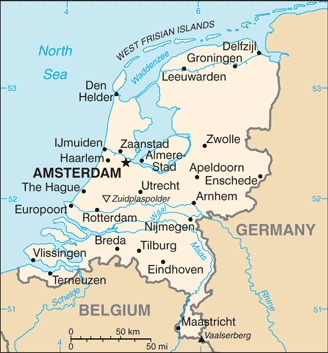
Maps
Articles About Netherlands
Culture
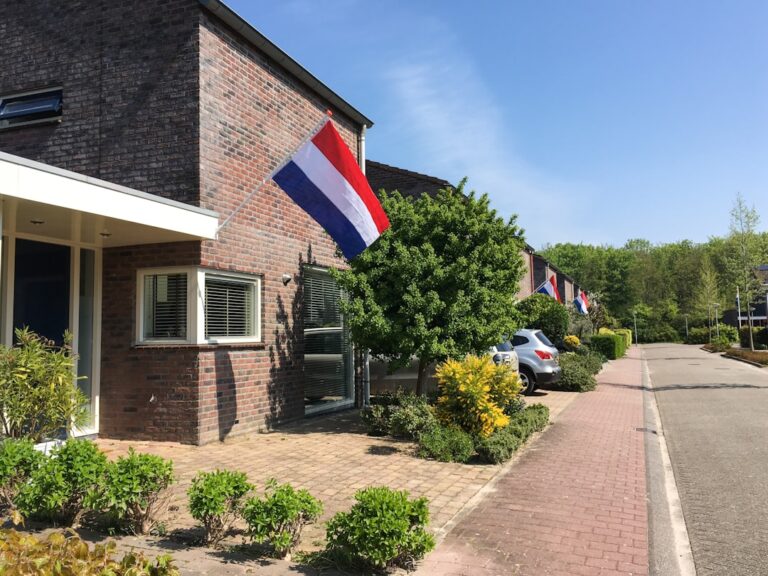
What is the Difference Between Holland the The Netherlands
For the curious!