Portugal
Your complete guide to Portugal
Quick Facts
Capital
Lisbon
Population
10,302,674
Languages
Portuguese (official), Mirandese (official, but locally used)
Currency
euros (EUR)
Area
92,090 sq km
Government
Semi-presidential republic
About Portugal
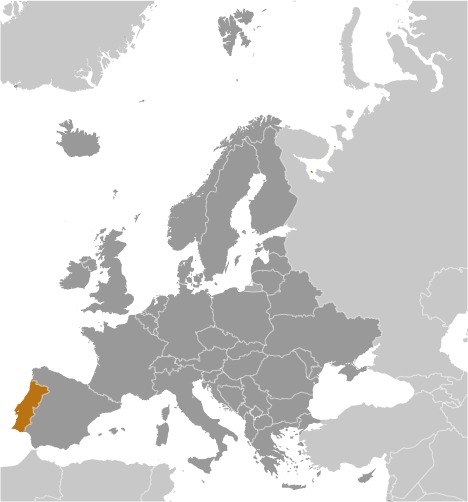
Portugal occupies the western edge of the Iberian Peninsula, a maritime nation whose Atlantic coastline stretches from the surf beaches of the Algarve to the green river valleys of the north. For a small country, Portugal has had an outsized impact on world history — its fifteenth-century Age of Discovery established a global empire and connected continents.
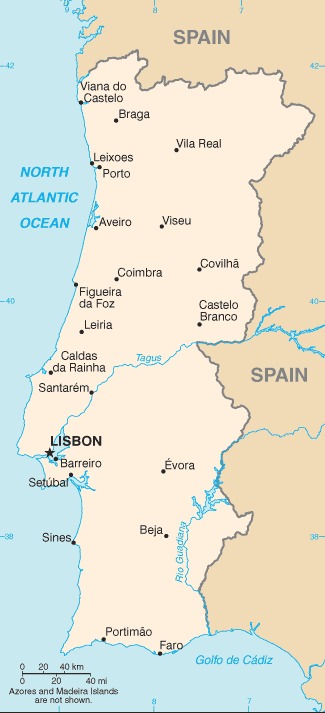
Lisbon, the capital, cascades over seven hills above the Tagus River estuary, its pastel-colored buildings, rattling trams, and melancholic fado music creating an atmosphere unlike any other European city. Porto, the country's second city, gives its name to port wine and charms with its riverside Ribeira district and flamboyant azulejo tiles.
Portugal has reinvented itself since the Carnation Revolution of 1974 ended decades of dictatorship. EU membership, the adoption of the euro, and a booming tourism sector have modernized the economy, while progressive drug policies and renewable energy investments have earned international attention.
History
Portugal emerged as an independent kingdom in 1139, making it one of Europe's oldest nation-states with essentially unchanged borders since the thirteenth century. The Age of Discovery, spearheaded by Prince Henry the Navigator, Vasco da Gama, and Pedro Álvares Cabral, created a maritime empire spanning Africa, South America, and Asia.
The 1755 Lisbon earthquake devastated the capital and shook European thought. The nineteenth century brought Napoleonic invasion, the loss of Brazil, and political instability. The twentieth century saw a republic (1910), the authoritarian Estado Novo under Salazar and Caetano (1933–1974), and the bloodless Carnation Revolution of 1974 that restored democracy. EU membership in 1986 launched a period of sustained modernization.
Following its heyday as a global maritime power during the 15th and 16th centuries, Portugal lost much of its wealth and status with the destruction of Lisbon in a 1755 earthquake, occupation during the Napoleonic Wars, and the independence of Brazil, its wealthiest colony, in 1822. A 1910 revolution deposed the monarchy, and for most of the next six decades, repressive governments ran the country. In 1974, a left-wing military coup installed broad democratic reforms. The following year, Portugal granted independence to all of its African colonies. Portugal is a founding member of NATO and entered the EC (now the EU) in 1986.
CIA World Factbook
Culture & Society
Portuguese culture is suffused with saudade — a bittersweet longing that finds its purest expression in fado, the soul-stirring music born in the alleyways of Lisbon's Alfama district. Azulejo tilework adorns everything from churches to train stations, and the literary tradition — from Camões' epic Os Lusíadas to Fernando Pessoa's modernist poetry and José Saramago's Nobel-winning novels — reflects a deeply reflective national character. The cuisine of salted cod (bacalhau), custard tarts (pastéis de nata), and robust wines needs no introduction.
Languages: Portuguese (official), Mirandese (official, but locally used)
Religions: Roman Catholic 81%, other Christian 3.3%, other (includes Jewish, Muslim) 0.6%, none 6.8%, unspecified 8.3% (2011 est.)
Ethnic Groups: white homogeneous Mediterranean population; citizens of black African descent who immigrated to mainland during decolonization number less than 100,000; since 1990, Eastern Europeans have migrated to Portugal
Maps
Articles About Portugal
Moving to Europe
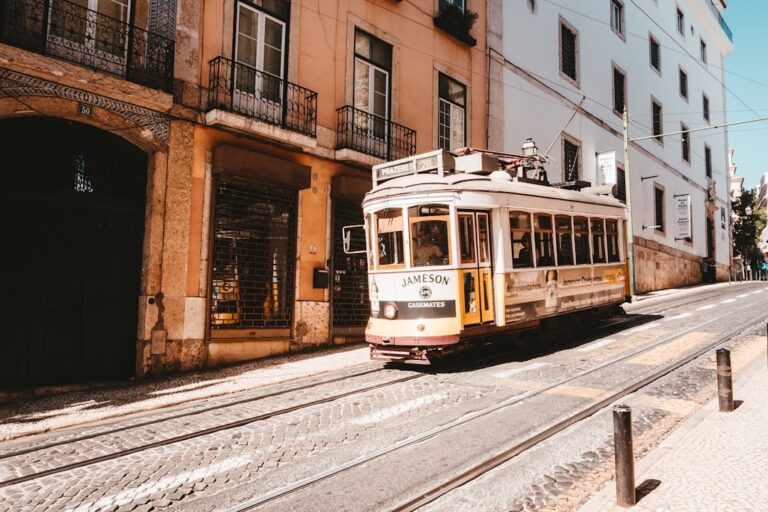
Why Everyone Is Moving to Lisbon (And Whether You Should Visit)
Lisbon has become the city that everyone seems to be talking about, moving to, or at least posting about on…
Destinations
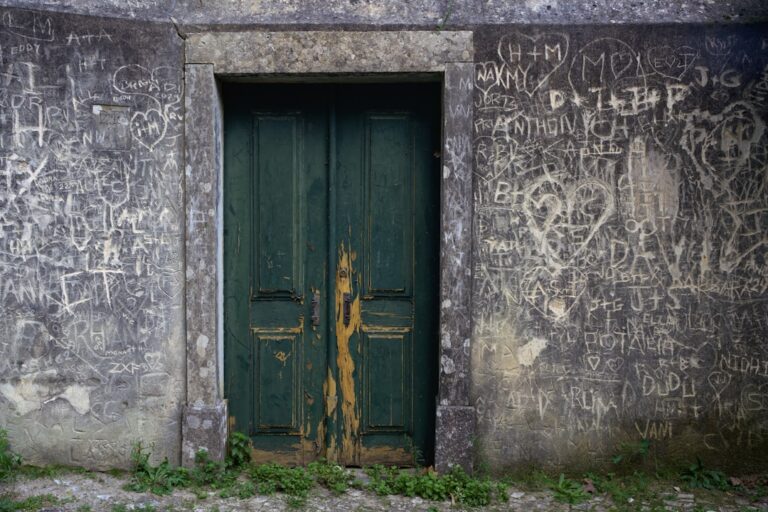
A Day Trip Guide to Sintra, Portugal
Sintra is the kind of place that makes you suspect you have accidentally wandered into a fairy tale.
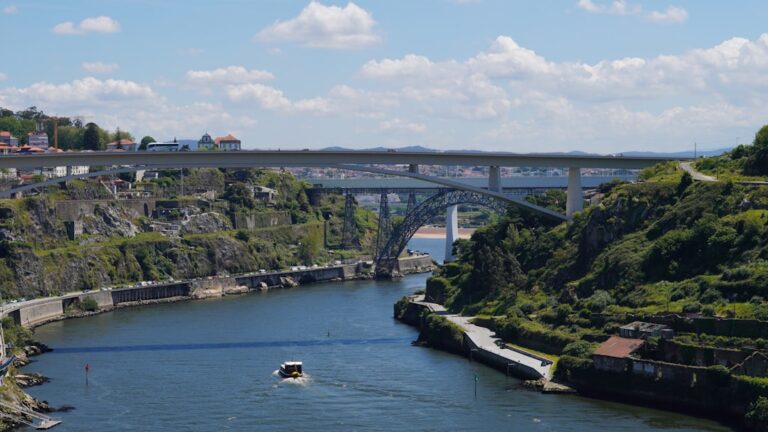
48 Hours in Porto: Wine, Tiles, and River Views
Porto is the kind of city that grabs you by the collar and refuses to let go.
Travel
A Day Trip Guide to Sintra, Portugal
Sintra is the kind of place that makes you suspect you have accidentally wandered into a fairy tale.
Why Everyone Is Moving to Lisbon (And Whether You Should Visit)
Lisbon has become the city that everyone seems to be talking about, moving to, or at least posting about on…
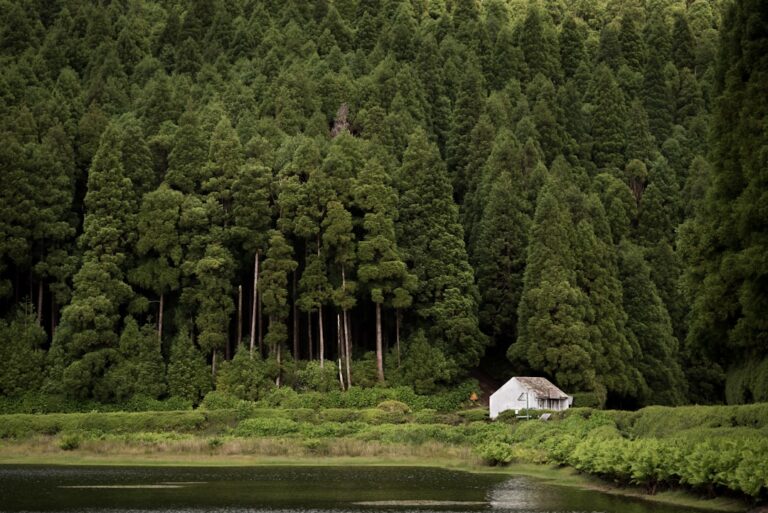
The Azores: Europe’s Hawaii in the Middle of the Atlantic
Fourteen hundred kilometres from the Portuguese mainland, roughly a third of the way across the Atlantic toward North America, nine…
48 Hours in Porto: Wine, Tiles, and River Views
Porto is the kind of city that grabs you by the collar and refuses to let go.
Food & Drink
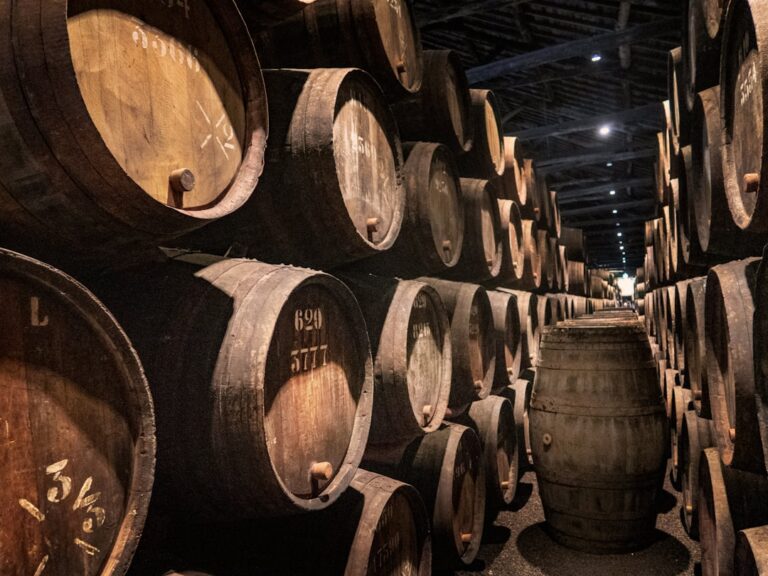
Port Wine in Porto: A Tasting Guide for Beginners
Port wine is one of the world's great drinks, but it can be bewildering for beginners.