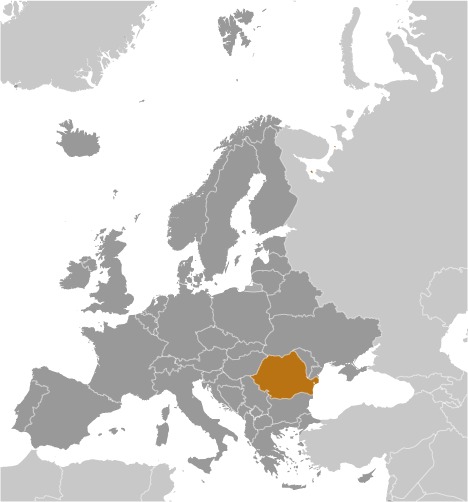
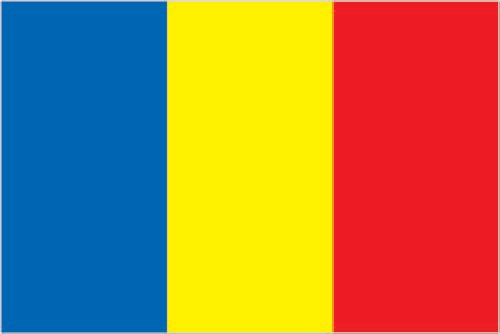
Romania
Your complete guide to Romania
Quick Facts
Capital
Bucharest
Population
21,302,893
Languages
Romanian (official) 85.4%, Hungarian 6.3%, Romani 1.2%, other 1%, unspecified 6.1% (2011 est.)
Currency
lei (RON)
Area
238,391 sq km
Government
Semi-presidential republic
About Romania
Romania is a large, diverse country in southeastern Europe, where the Carpathian Mountains arc through the center, Transylvanian forests harbor Europe's largest populations of bears and wolves, and the Danube Delta fans into the Black Sea in a vast, UNESCO-listed wetland. Dracula legend aside, Romania's real treasures are its painted monasteries, fortified Saxon churches, and a rural life that has changed remarkably little over centuries.
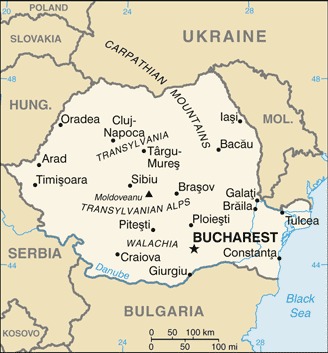
Bucharest, the capital, was once known as 'Little Paris' for its Belle Époque architecture, and pockets of that elegance survive amid communist-era concrete and a fast-modernizing cityscape. Cluj-Napoca, Sibiu, Brașov, and Timișoara each offer rich cultural scenes and serve as gateways to the surrounding countryside.
EU membership since 2007 has spurred economic growth and infrastructure development, and Romania's IT sector has become one of Europe's most dynamic. Yet the country retains a rustic authenticity — horse-drawn carts still share country roads with cars, and traditional crafts, music, and festivals thrive.
History
Romania's territory was home to the ancient Dacians, who were conquered by the Roman Emperor Trajan in 106 AD — an origin that gives the country its name and its Romance language. Medieval principalities (Wallachia, Moldavia, Transylvania) navigated between Ottoman, Habsburg, and Russian influence before uniting in stages during the nineteenth century.
Romania fought on the Allied side in World War I and gained Transylvania in the peace settlement. World War II brought alliance with, then opposition to, Nazi Germany, followed by Soviet-imposed communism. Nicolae Ceaușescu's dictatorship (1965–1989) was one of the Eastern Bloc's most repressive, ending in a violent revolution in December 1989. Romania joined NATO in 2004 and the EU in 2007.
The principalities of Wallachia and Moldavia – for centuries under the suzerainty of the Turkish Ottoman Empire – secured their autonomy in 1856; they were de facto linked in 1859 and formally united in 1862 under the new name of Romania. The country gained recognition of its independence in 1878. It joined the Allied Powers in World War I and acquired new territories – most notably Transylvania – following the conflict. In 1940, Romania allied with the Axis powers and participated in the 1941 German invasion of the USSR. Three years later, overrun by the Soviets, Romania signed an armistice. The post-war Soviet occupation led to the formation of a communist "people's republic" in 1947 and the abdication of the king. The decades-long rule of dictator Nicolae CEAUSESCU, who took power in 19…
CIA World Factbook
Culture & Society
Romanian culture blends Latin warmth with Balkan vitality. The painted monasteries of Bucovina, with their vivid exterior frescoes, are unique in European art. Folk traditions — elaborate embroidery, woodcarving, mask dances — remain vibrant in villages across Maramureș and the Carpathians. The cuisine features mămăligă (polenta), sarmale (stuffed cabbage rolls), and mici (grilled minced-meat rolls), while Romanian wine, from regions like Dealu Mare and Recaș, is gaining international recognition.
Languages: Romanian (official) 85.4%, Hungarian 6.3%, Romani 1.2%, other 1%, unspecified 6.1% (2011 est.)
Religions: Eastern Orthodox (including all sub-denominations) 81.9%, Protestant (various denominations including Reformed and Pentecostal) 6.4%, Roman Catholic 4.3%, other (includes Muslim) 0.9%, none or atheist 0.2%, unspecified 6.3% (2011 est.)
Ethnic Groups: Romanian 83.4%, Hungarian 6.1%, Romani 3.1%, Ukrainian 0.3%, German 0.2%, other 0.7%, unspecified 6.1% (2011 est.)
Maps
Articles About Romania
Destinations
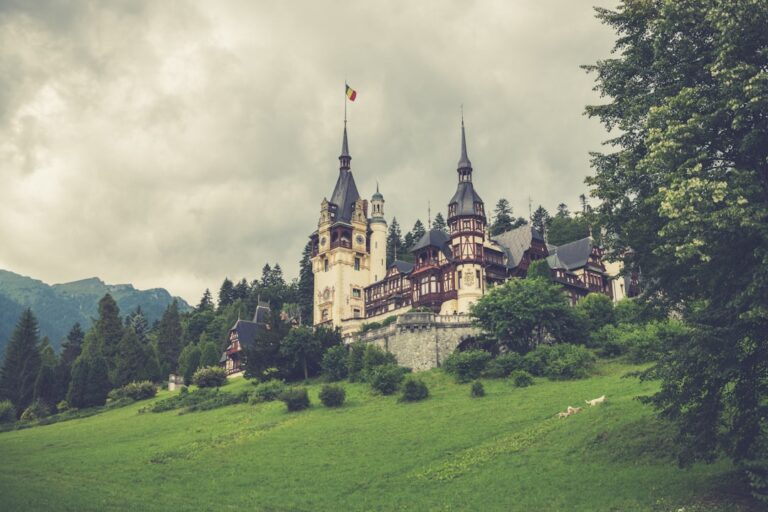
Visiting Transylvania: Beyond the Dracula Myth
Say "Transylvania" and most people picture fog-shrouded castles, bat-winged counts, and a general atmosphere of Gothic menace.
Travel
Visiting Transylvania: Beyond the Dracula Myth
Say "Transylvania" and most people picture fog-shrouded castles, bat-winged counts, and a general atmosphere of Gothic menace.
Food & Drink
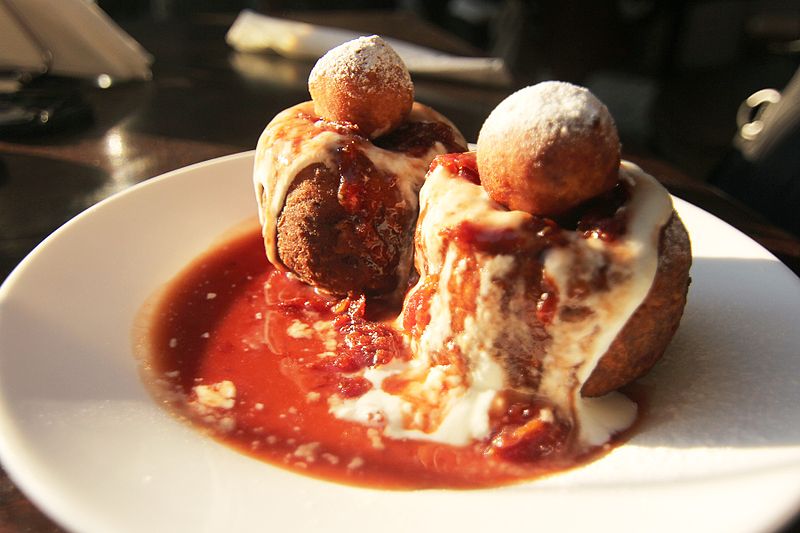
Guest Article: Strange Romanian Dishes to Try - Food
Papanasi dessert.