If there’s one word that captures the essence of Swedish culture, it might just be “fika.” Not coffee. Not break. Fika—a concept so deeply embedded in the Swedish identity that it transcends the simple act of taking time out for caffeine and pastries. To understand fika is to glimpse something fundamental about how Swedes approach life itself: intentionality, community, and the radical belief that pausing is not lazy—it’s essential.
When Swedes say they’re going for fika, they’re not just grabbing a quick cappuccino at their desk. They’re participating in a ritual as important to Swedish society as afternoon tea is to the British, though somehow even more central to daily life. Fika is a mandated pause in the workday, a moment when colleagues stop what they’re doing—regardless of deadlines, emails, or the general chaos of modern life—and sit together to eat something sweet and drink coffee. It’s a social institution so powerful that skipping fika is considered almost rude, and suggesting that someone shouldn’t take their fika break is unthinkable.
What Fika Actually Is
The literal translation of fika doesn’t do it justice. It’s a coffee break, yes, but also an afternoon break, sometimes a morning break, and fundamentally a moment of social communion. The word itself comes from Swedish slang “kaffi” (coffee), reversed to “fika,” which reveals how deeply intertwined this concept is with language itself.
What makes fika different from a coffee break in other countries is its mandatory nature and its social protocol. In many Swedish workplaces, fika happens at set times—often 10 AM and 3 PM—and it’s not optional. Workers stop their tasks, gather in a break room or at a table, and sit together for 15 to 30 minutes. Laptops are closed. Phones are silenced (or at least put away). The work simply pauses. This isn’t seen as lost productivity; it’s seen as essential maintenance of workplace morale and human connection.
Fika also has a strict food component. It’s not just coffee—there must be something to eat. Ideally, something sweet. This isn’t casual snacking; this is a structured pairing of beverages and baked goods that creates a moment of civilized pleasure in the workday.
The Kanelbulle and October 4th
If fika has a mascot, it’s the kanelbulle—the cinnamon bun. Not the enormous, gooey American cinnamon roll, but a more modest, elegantly swirled pastry with a dusting of pearl sugar and a perfect balance of spice and sweetness. The kanelbulle is to fika what champagne is to celebrations.
Sweden takes this pastry seriously enough to have dedicated October 4th as Kanelbullens Dag (National Cinnamon Bun Day). On this day, bakeries sell out faster than usual, workplaces celebrate with special fika moments, and Swedes across the country engage in what can only be described as a national kanelbulle appreciation fest. It’s charming, it’s ridiculous, and it’s completely Swedish.
The tradition supposedly dates back to the 17th century when cinnamon was expensive and exotic, making the kanelbulle a luxury item. Today, it’s democratic—eaten by everyone from CEOs to students—but it still carries an air of small indulgence.
Workplace Fika as Mandatory Socializing
Here’s where fika reveals its true purpose: it’s mandatory socializing. In a culture often stereotyped as reserved and introverted, fika creates a structured environment where socializing is not optional—it’s required. You don’t have the option to skip it and power through your work. Your colleagues expect you to be there. This is how Swedes have engineered connection into their daily rhythm.
During fika, people talk. They discuss weekend plans, complain about traffic, ask about each other’s families. It’s where actual human connection happens in the workplace, the antidote to siloed home offices and endless email chains. Swedish managers understand this intuitively—fika isn’t a luxury or a waste of time; it’s the glue that holds teams together.
For new employees or visitors, fika is where you start to understand Swedish workplace culture. It’s also where you can actually talk to your Swedish colleagues in a relaxed setting, away from the formality of meetings and professional emails.
Fika Etiquette and The Seven Cookies
While fika seems simple, it has unwritten rules. These aren’t formal regulations, but more a sense of what feels right to Swedish sensibilities.
First, arrive on time for fika. If fika is at 10 AM, you should be there at 10 AM. Arriving late shows disrespect to the ritual and your colleagues.
Second, bring something or at least appreciate what others bring. In many workplaces, people take turns bringing baked goods for fika. If it’s your turn, showing up with store-bought pastries (acceptable) is better than showing up with nothing (unacceptable). Homemade is impressive.
Third, don’t overindulge or appear too eager. Lagom applies here too. Take one or maybe two baked goods, not a heaping plate. The goal is community, not gluttony.
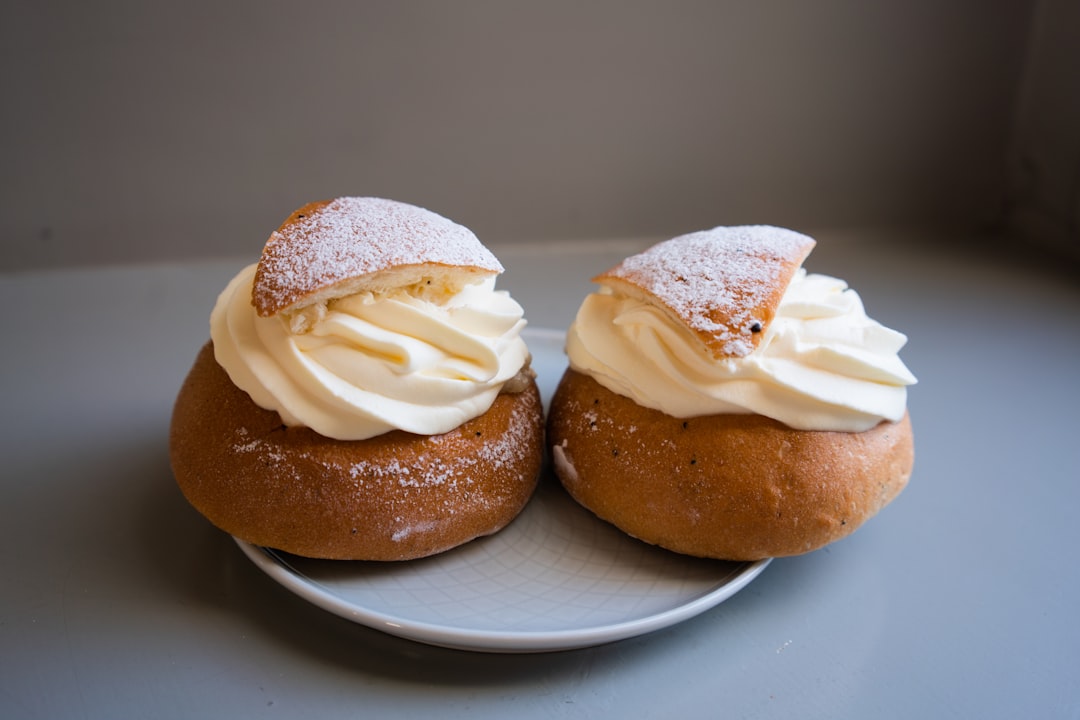
The “seven types of Swedish cookies” for proper fika is a bit of an exaggeration, but there are definitely favorite varieties: kanelbulle (cinnamon bun), frallor (braided bread rolls), lussekatter (saffron buns, especially around Lucia), chokladbollar (chocolate balls with coconut), semlor (cream buns, especially during Lent), tunnbröd (thin bread), and whatever seasonal specialty your local bakery happens to be featuring.
The Best Fika Spots in Stockholm
If you’re visiting Sweden, you’ll want to experience fika properly. Stockholm has numerous options, from casual workplace cafés to elegant konditorier (traditional cafés).
Vete Katten is perhaps the most famous, an institution since 1928, with an upstairs salon that feels frozen in a more elegant era. Go here for the experience and the slightly expensive but genuinely good pastries.
Linné Kaffe offers a more modern, hipster aesthetic with excellent coffee and actual quality baked goods. Less historically significant but more contemporary.
Café Ritorno is cozy and filled with locals, particularly strong coffee and genuinely good kanelbulles.
Karl XV is perfect if you want to observe fika culture among office workers—arrive around 10 AM or 3 PM and watch how quickly tables fill, how people genuinely pause, how the tempo of the city changes.
Local parks also host temporary fika spots during summer, where you can grab a kanelbulle and coffee from a small kiosk while sitting among the trees.
Why Swedes Take Fika More Seriously Than Deadlines
This might seem like exaggeration, but there’s truth to it. Talk to any Swedish worker about moving their fika time, and you’ll encounter something close to resistance. Try to schedule a meeting during traditional fika hours, and you’ll be politely but firmly rebuffed.
This reveals something important about Swedish values: human wellbeing and community are not secondary to work productivity. They’re foundational. The Swedish assumption is that people work better, collaborate better, and think more creatively when they have built-in moments of pause and connection.
It’s also reveals a certain confident pragmatism. Swedish culture doesn’t believe that looking busy equals being productive. A 15-minute fika break doesn’t erase the work done in the previous hours. It enhances it.
The Broader Philosophy
Fika exists within the larger framework of Swedish values: moderation (lagom), equality, work-life balance, and the belief that pleasure should be accessible to everyone, not just the wealthy. The kanelbulle at fika isn’t a luxury; it’s a democratic pleasure, something everyone shares equally.
When you participate in fika—whether as a visiting friend of a Swedish family or as an employee in a Swedish company—you’re participating in something deeper than a coffee break. You’re agreeing that connection matters. You’re accepting that work is important but not everything. You’re saying yes to community.
Visiting and Experiencing Fika
If you’re visiting Sweden, don’t skip fika culture. If you’re invited to fika by Swedish friends or colleagues, accept enthusiastically. Show up on time, accept the offered pastry, sit for the full duration, and engage in conversation. This is how you actually connect with Swedish people in their natural habitat.
Visit a local bakery and order a kanelbulle. It might cost 40-60 Swedish kronor (roughly $4-6 USD). Sit down, don’t rush, and understand why Swedes have built this ritual into their society.
Fika is the answer to a uniquely modern question: How do we remember that we’re human in the midst of work? The Swedish answer is simple, elegant, and delicious: you pause, you eat something sweet, you sit with others, and you let the work wait. Just for a moment. Just long enough to remember why the work matters in the first place.
This is fika. This is Sweden.




Leave a Reply