If you visit Germany, you’ll eventually encounter something that might be jarring if you come from a culture where nudity is primarily sexual or private: Germans have a profoundly relaxed, practical relationship with their bodies and nudity that permeates sauna culture, thermal baths, and specific beaches and parks.
This isn’t prudishness that Germans have shed. This is a deliberate philosophy about bodies, health, relaxation, and the separation of nudity from sexuality. Understanding FKK (Freikörperkultur—free body culture) and German sauna traditions is understanding something fundamental about German approach to health, wellness, and cultural values.
And if you’re uncomfortable with nudity or the idea of mixed-gender nude spaces, understanding the cultural context—rather than dismissing it as weird—will help you navigate Germany more comfortably and respectfully.
The Origins: FKK as a Health Movement
Freikörperkultur (Free Body Culture) originated in Germany in the 19th century as a health and wellness movement. The philosophy was that exposing your body to sun, air, and water was healthy—that bodies were natural and shouldn’t be hidden away, and that the separation of body and shame was psychologically healthy.
This wasn’t sexual. This was genuinely a health movement rooted in particular philosophies about the body and wellness. Naturism, as it was called, became quite popular in Germany and remained part of German culture through the 20th century and into today.
After WWII and during the Cold War, FKK became even more entrenched in East German culture (Deutsche Demokratische Republik—GDR). In East Germany, FKK was encouraged as a healthful, progressive practice. Nudity wasn’t taboo—it was normal. Families went to FKK beaches. Mixed-gender nude swimming was standard.
When East and West Germany reunified in 1990, this cultural difference remained. East Germans maintained their relaxed attitudes toward nudity, while West Germans had somewhat more modest traditions (though Germany overall is far more relaxed about nudity than the US or UK).
Today, FKK beaches and parks still exist throughout Germany, and they’re genuinely normal to Germans—though they’re increasingly aging populations, as younger Germans have become somewhat less enthusiastically nudist than previous generations.
FKK Beaches and Parks
If you visit Germany during summer, you might encounter FKK beaches along rivers, lakes, or the Baltic and North Sea coasts.
These are specifically designated nude beaches where nudity is expected (and often required). They’re marked, usually with signs, and they’re genuinely a normal part of German recreational culture.
FKK beaches are not sex venues. They’re not pick-up spots. They’re places where people go to swim, sunbathe, and relax nude. Families go to FKK beaches. Elderly people go. It’s genuinely non-sexual.
The key understanding: if you encounter an FKK beach or park, it’s not unusual in Germany, and the nudity there is genuinely not sexual. If you’re not interested in nude recreation, simply choose non-FKK beaches and parks. They exist throughout Germany for people who prefer more clothing.
As a traveler, you might accidentally wander into an FKK area and be surprised. This is fine. Acknowledge your mistake, leave respectfully, and move on. Germans won’t be offended by a confused tourist.
If you’re curious and comfortable, FKK beaches can be interesting from an anthropological perspective—they’re genuinely a space where nudity is normalized and non-sexual, which is culturally specific and worth understanding.
Sauna Culture: The Essential Wellness Tradition
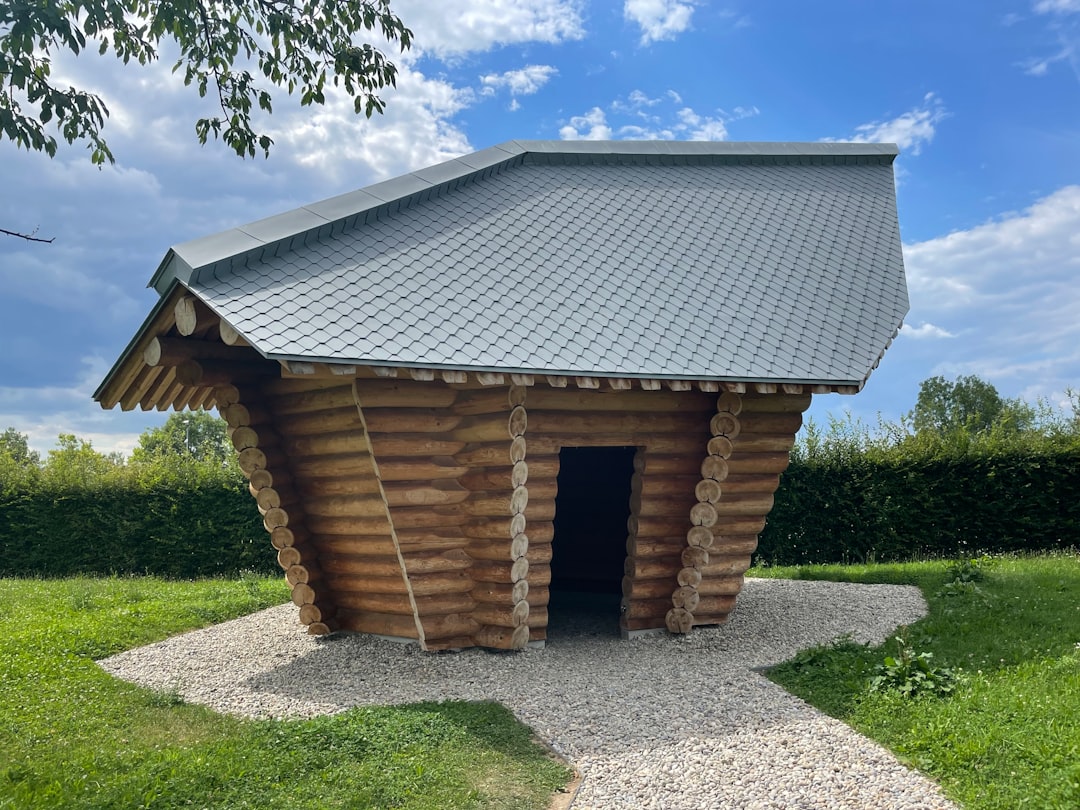
Sauna culture in Germany is far more significant than FKK beaches. Saunas are mainstream wellness spaces that most Germans use regularly, and sauna culture provides insight into German attitudes toward bodies and health.
German saunas are different from Scandinavian saunas or Japanese bathhouses, though they share some similarities. German saunas are fundamentally about relaxation and wellness, and they’re integrated into the broader thermal bath experience.
The Thermal Bath (Therme) Experience
Most German towns have a Therme (thermal bath) or wellness center. These are facilities with multiple pools (some heated, some not), saunas, steam rooms, massage services, and relaxation areas.
A typical Therme experience includes:
- Multiple pools at different temperatures (some hot, some cold, some room temperature)
- Several different saunas with different temperatures and humidity levels
- Steam rooms (Dampfbäder)
- Massage services
- Quiet relaxation areas
- Sometimes additional wellness services like salt therapy or herbal steams
Therme facilities are explicitly wellness-focused, not party-focused. They’re places where Germans go to relax, decompress, and prioritize their health and wellbeing.
The Sauna Itself
In German saunas, swimsuits are not worn. This is important. You will be nude. Men and women use the same saunas at the same times. This is normal and non-sexual.
The first time you experience a nude, mixed-gender sauna, it might feel strange or uncomfortable (particularly if you come from a culture where this isn’t normal). But understanding the cultural context helps: this is purely practical. Bodies are not inherently sexual. Nudity in a sauna context is about health and wellness, not sexuality.
Sauna temperatures vary, but a typical German sauna is around 80-100°C (176-212°F), which is quite hot. You’ll sit inside, your body will sweat profusely, and you’ll feel genuinely heated. After 15-20 minutes, you’ll want to leave.
Towel etiquette matters. You sit on a towel (not directly on the sauna bench). You bring your own towel or rent one. You sit on the towel to protect the bench and keep it hygienic. This isn’t optional—it’s basic respect.
The Aufguss ritual is a specific tradition in German saunas. A staff member (the Aufgussmeister—sauna master) will periodically enter the sauna with a bucket of water infused with essential oils (like eucalyptus or lavender). They’ll pour water onto the hot rocks, creating steam, and often wave a towel to circulate the hot air.
The Aufguss is announced in advance, so if you don’t want to be present, you can leave before it starts. The ritual makes the sauna hotter and more intense. It’s genuinely a heightened experience.
The Sauna Sequence
A typical sauna session follows a pattern:
- Shower thoroughly before entering the sauna. This is essential. You’ll wash with soap and water, rinse completely, and dry off. This is hygiene—other people will share the sauna, and cleanliness is important.
The temperature contrast (extremely hot sauna, then cold shower or cold pool) is actually the health benefit. This cycling improves circulation and is genuinely good for you (though people with certain heart conditions should avoid it).
The Wellness Philosophy
What you’re experiencing in German sauna culture is a particular wellness philosophy: that taking care of your body is important, that heat and cold exposure are healthy, and that relaxation is a valuable use of time.
German wellness culture isn’t about vanity or looking good. It’s about feeling good, maintaining health, and taking deliberate time for self-care. Going to a Therme is seen as a practical health activity, not a luxury.
Navigating Nudity as a Shy Foreigner
If you’re uncomfortable with nudity, here’s what you should know:
You don’t have to participate in nude saunas. Most Therme facilities have non-nude pools, steam rooms, and relaxation areas. You can enjoy the wellness experience while maintaining modest clothing or swimwear in designated areas.
Respect the spaces that are nude. If you choose to use nude saunas, remember that the nudity is genuinely non-sexual. You’ll see people of all ages and body types, all nude, and it genuinely is not sexual or romantic.
Bring your own towel if you’re concerned about cleanliness. You can bring a larger towel and wrap yourself between activities if you’re more comfortable that way (though this is mildly unusual).
Remember the practical reality. Germans don’t care about nudity because to them, it’s not inherently sexual or shameful. Your discomfort is understandable, but Germans won’t judge you for it. They genuinely just see bodies as bodies.
Try it at least once if you’re curious. Many people who’ve been uncomfortable with nudity find that experiencing a German sauna changes their relationship with their body. In a space where nudity is completely normalized, you often find that your anxiety about it diminishes.
Why Germans Don’t Care About Nudity
This actually reflects something fundamental about German culture. Germans have separated nudity from sexuality and shame in a way that many other cultures haven’t. This comes from:
This doesn’t mean German culture is permissive about sexuality. Quite the opposite—nudity in saunas and beaches is explicitly non-sexual. Germans are quite capable of separating the two concepts.
Practical Information for Therme Visits
Research ahead. Most major German towns have a Therme. Look up the specific facility—they often have websites showing pools, sauna areas, and facilities.
Bring a towel or rent one. Rental towels are usually available (€3-5). Many people bring their own.
Expect to pay. A typical Therme visit costs €15-30 depending on duration and facility quality.
Plan for time. A good Therme session takes 2-3 hours. You’ll shower, sauna, cool, rest, repeat.
Bring water or money for beverages. Dehydration is real in saunas. Most Thermes have cafés or drink services.
Avoid heavy meals before. You don’t want to sauna on a full stomach.
Time your visit. Many Thermes have specific quiet hours (Ruhestunden) where conversation is discouraged. If you want relaxation, go during quiet hours. If you want social atmosphere, go during busier times.
Thermal Baths Beyond Saunas
Beyond saunas, many German regions have natural thermal baths with genuinely interesting water properties. Places like Bad Wörishofen, Bad Kissingen, and Baden-Baden have long traditions of thermal bathing.
These thermal waters are believed to have health properties (mineral content, temperature, specific mineral composition). Whether or not the health claims are scientifically proven, soaking in warm mineral water is genuinely pleasant.
Many people visit German thermal regions specifically for the water quality and believed health benefits. This tradition goes back centuries and remains popular.
Cultural Differences in Approach
What you’re really learning about German sauna and FKK culture is how a different culture can normalize something that’s taboo elsewhere, and how that normalization actually reduces the shame and sexuality around the topic.
By separating nudity from sexuality and shame, German culture has created spaces where nudity is purely practical and health-focused. This is culturally specific and genuinely interesting from an anthropological perspective.
The Bottom Line
German sauna and FKK culture represents a particular cultural philosophy about bodies, health, and wellness. If you’re visiting Germany, experiencing a Therme (thermal bath with sauna) is genuinely worthwhile—it’s a valuable insight into German wellness culture and how Germans prioritize relaxation and health.
You don’t have to get nude if you’re uncomfortable. But understanding that German nudity is genuinely non-sexual and health-focused might help you adjust to the cultural difference more easily.
If you can embrace the cultural perspective—that bodies are natural, that nudity isn’t inherently sexual, and that wellness is valuable—you might find German sauna culture genuinely relaxing and beneficial.
At minimum, you’ll understand something authentic about German approach to health, bodies, and relaxation that’s genuinely different from many other cultures.
Give it a try. Shower thoroughly, sit on your towel, let yourself sweat, jump in the cold pool, and experience why Germans have maintained this tradition for centuries.
Your stressed muscles will thank you.




Leave a Reply