When you Google “flamenco,” you’ll see red dresses, dramatic hand movements, and someone furiously tapping their feet. You’ll think it’s a performance art. You’ll assume you can watch it at a touristy venue in Seville, check it off your list, and move on. You’d be partially right, but you’d miss what flamenco actually is: a profound artistic tradition born from centuries of pain, passion, and identity. Flamenco is the heartbeat of Southern Spanish culture, and understanding it—even a little—transforms your experience of Spain.
Flamenco isn’t dance. It isn’t just music. It’s an emotional and spiritual practice that involves dance, music, song, and rhythm all fused together into something that’s nearly impossible to explain to someone who hasn’t experienced it. The Spanish call a moment of perfect artistic transcendence “duende”—and finding duende is what flamenco is really about.
Origins: The Gitano Heritage
To understand flamenco, you need to understand the gitano—the Roma people of Spain. Spain has had a Roma population for centuries, with the largest concentration in Andalusia. The gitano community, marginalized by mainstream Spanish society and developing their own distinct culture, created art forms that expressed suffering, joy, defiance, and beauty in ways that straight Spanish culture couldn’t.
Flamenco emerged from this intersection of Roma culture, Spanish guitar traditions, Moorish influences (Spain had Muslim kingdoms until 1492), Jewish traditions, and working-class Andalusian life. It isn’t purely any of these things—it’s a synthesis, and that synthesis is distinctly Spanish.
Historically, flamenco was a marginalized art form. It was associated with gitanos, with poverty, with bars and late nights. Respectable Spanish society looked down on it. But over the 20th century, flamenco was increasingly recognized as profound art, celebrated at prestigious festivals, and eventually embraced as part of Spain’s cultural heritage.
However, this respectability came with a cost. Flamenco became commodified. Tourism discovered it. Now tourists watch flamenco in expensive tablaos (staged performance venues) while photographers in tour groups snap pictures of women in ruffled dresses against backdrops of Andalusian architecture.
The irony is that authentic flamenco—raw, unpolished, improvised flamenco—still exists, but you have to know where to look.
The Different Palos: A Flamenco Taxonomy
Flamenco isn’t one thing. It’s a collection of distinct styles (called palos), each with its own rhythm, emotional character, tempo, and history. Learning to recognize different palos is part of becoming fluent in flamenco culture.
Soleá: This is the foundation of flamenco, and many consider it the most profound. The soleá is slow, melancholic, and introspective. It expresses solitude (soledad) and sadness. The pace is deliberate, the phrasing is sparse, and the emotional weight is enormous. If you want to understand the sadness and beauty of flamenco, listen to a great soleá.
Bulerías: This is flamenco’s party style—fast, rhythmic, playful, and joyful. Bulerías are often danced in celebration. The guitar work is intricate, the footwork rapid, and the mood exuberant. Where soleá is midnight sadness, bulerías are 2 AM joy.
Siguiriya: An ancient, complex palo that’s deeply emotional. The rhythm is unusual and difficult to follow if you’re not familiar with flamenco. Siguiriya express profound suffering and is considered one of the deepest palos. It’s not widely performed, but when it is, it’s hypnotic.
Alegría: The name means “happiness,” and this palo is moderately fast, structured, and accessible. Alegría is often what tourists see in tablaos because it’s beautiful to watch, the rhythm is more straightforward than some palos, and dancers can show off technically.
Alegrías, Cantiñas, Tangos, Tientos, Tanguillos: These are other major palos, each distinct in rhythm, emotional character, and purpose. There are more than a dozen recognized palos, and some flamenco experts recognize dozens more.
Each palo has a specific guitar rhythm (compás). Once you hear the compás, experienced flamenco fans know exactly which palo is being performed, even if they close their eyes.
The Cante Jondo: The Deep Song
The heart of flamenco is singing—specifically, the cante jondo, or “deep song.” This isn’t pretty singing. This isn’t trained, operatic singing. This is raw, rough, emotional singing that sometimes sounds more like crying or wailing than conventional music.
Cante jondo expresses what can’t be expressed through normal means. It’s about loss, love, injustice, passion, and the human condition. A great cante jondo singer (cantaor) can communicate more emotional truth in three minutes than many people express in a lifetime.
The most famous cante jondo is performed in flamenco where guitar and dance accompany the singing, but the voice is paramount. Even if you don’t understand Spanish lyrics, the emotional content is universal. When a master cantaor sings a soleá, you feel it in your chest.
The Guitar: A Living Instrument
Flamenco guitar (guitarra flamenca) isn’t just accompaniment. It’s a full artistic voice, as central to flamenco as the dancer or singer. A master flamenco guitarist (guitarrista) can perform entire pieces with guitar alone, and it’s riveting.
The guitar style involves techniques like rasgueado (rapid strumming), picado (fast finger picking), and falsetas (instrumental passages that showcase the guitarist’s virtuosity). The guitar sounds different in flamenco than in other guitar traditions—it’s sharper, more percussive, more textured.
In a traditional flamenco performance, the guitarrista responds to the singer and dancer. If the singer adds an unexpected cadence, the guitarist follows. If the dancer shifts rhythm, the guitarist tracks it. This call-and-response creates moments of almost telepathic synchronicity that can be genuinely moving.
The Dance: Physical Expression of Emotion
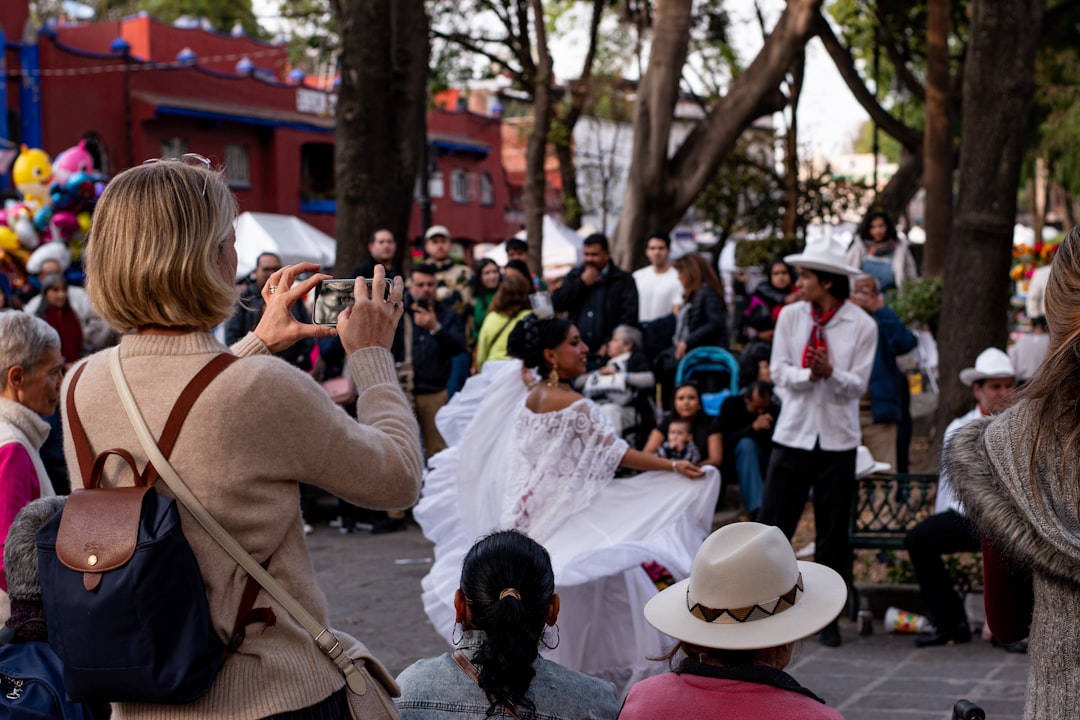
Flamenco dance (baile) is what most tourists associate with flamenco. A dancer in a ruffled dress, moving with precision and passion—this image defines flamenco in the popular imagination.
But flamenco dance is more complex than it appears. It’s not choreographed in the way classical ballet is. Each dancer interprets the music and brings their own expression to it. The footwork (zapateado) is incredibly complex, using the entire foot—heel, ball, side—to create rhythmic patterns that interact with the guitar and singing.
Male flamenco dancers (bailaores) often dance with incredible force and aggression. Female dancers (bailaoras) vary in style—some are fierce and powerful, others are sensual and precise, others are fiercely rhythmic. The stereotype of flamenco as sensual performance is partly accurate but limiting. Flamenco dancing is about expressing emotion through movement, whatever that emotion is.
Great flamenco dancers have a quality called “gypsy style”—they look almost careless, as though they’re not trying, even though every movement is technically precise. This casualness is actually the highest level of technical mastery. You can only look relaxed when you’ve practiced for decades.
Duende: The Ineffable Quality
Here’s the concept that separates good flamenco from great flamenco: duende. Duende is often translated as “presence,” “possession,” or “a state of transcendence.” Federico García Lorca, Spain’s great 20th-century poet, famously wrote about duende as the moment when an artist is “visited” by something beyond themselves—when the performance stops being mere technique and becomes something profound.
Duende can’t be created intentionally. You can’t schedule duende. It either happens or it doesn’t. A performance can be technically perfect but have no duende—it might be beautiful but unmemorable. Another performance might be technically imperfect but have such authentic, raw emotion that you’ll remember it for decades.
Duende is why flamenco fans speak about particular performances the way other people speak about religious experiences. “I felt the duende,” someone will say, and they mean something profound happened that transcended normal performance.
This is why you’ll notice that flamenco audiences sometimes respond differently than Western theater audiences. In a moment of perfect duende, audience members might shout “¡Olé!” or “¡Ay!” in recognition of what they’re witnessing. These shouts aren’t rude interruption—they’re acknowledgment that something sacred is happening.
The Peña vs. The Tablao: Where to Experience Real Flamenco
This is crucial for travelers: there’s a massive difference between watching flamenco in a tourist-oriented tablao and experiencing it in an authentic peña.
The Tablao (Tourist Route):
A tablao is a staged performance venue. Dancers perform on a small stage, usually with air conditioning, bright lights, and servers bringing expensive drinks. The audience sits at tables. The show runs for about an hour, usually daily at fixed times. The performance is choreographed and polished.
Tablaos have their place. If you have limited time in Spain and want to see flamenco, a tablao provides that. The dancers are often very skilled. But it’s performance—commercial entertainment—not the living culture of flamenco.
A tablao experience typically costs €35-60 per person (more if you include dinner). The food is expensive and often mediocre. You’re paying for the show, not the meal.
The Peña (Authentic Culture):
A peña is a private club for flamenco enthusiasts. These are usually small, often dingy, sometimes in basements or narrow alleyways. They’re not set up for tourists. They’re set up for people who genuinely love flamenco.
In a peña, performances are spontaneous. Someone might take the stage at 2 AM, or a visitor might be invited to perform. The audience is engaged and knowledgeable. People shout encouragement. There’s no stage—just a small space where dancers and musicians perform.
Peñas operate on membership, so tourists typically can’t just walk in. But some peñas welcome visitors if you go at the right time and approach respectfully. The best way to find a peña is to ask locals or your accommodation where the real flamenco happens.
A peña evening can last until sunrise. You might buy one drink and stay for hours. The cost is minimal compared to a tablao, and the experience is incomparably more authentic.
Finding Authentic Flamenco
If you want to experience genuine flamenco, here’s how:
Visit the Flamenco Heartland:
Jerez de la Frontera in Cádiz Province is considered the spiritual home of flamenco. The city has multiple peñas, serious flamenco culture, and regular festivals. Jerez doesn’t revolve around tourism as much as Seville does, so you’ll find more authenticity here.
Seville has tremendous flamenco heritage, but it’s also overwhelmingly touristy. You can find real flamenco there, but you have to look past the commercial offerings.
Granada and Madrid also have serious flamenco cultures. Both cities have tablaos and opportunities for authentic experience.
Córdoba and Cádiz are other important flamenco cities with less tourism than Seville.
Attend a Flamenco Festival:
Spain hosts numerous flamenco festivals throughout the year. The Festival de Jerez (February-March) is one of the most prestigious. The Bienal de Flamenco in Seville (September, in odd years) is massive. These festivals bring together the world’s greatest flamenco artists and expose you to different styles.
Tickets for festival performances are affordable (€15-40), and the quality is world-class. This is the best way to see great flamenco if you don’t have peña connections.
Ask Your Accommodation:
The person working at your hotel, hostel, or guesthouse almost certainly knows where flamenco happens in their city. Ask directly: “Where do locals go to see real flamenco?” Most hosts are proud to share their culture.
Watch for Street Performances:
In cities like Granada and Seville, you’ll sometimes see street performers doing flamenco. These are usually young dancers trying to build a reputation or earn money. The quality varies dramatically. Some are excellent; some are mediocre. But it’s free to watch, and occasionally you’ll witness something special.
Modern Flamenco: Fusion and Evolution
While traditional flamenco remains central to Spanish culture, modern flamenco is evolving. Contemporary flamenco dancers and musicians experiment with fusion styles—combining flamenco with hip-hop, electronic music, jazz, or other traditions.
Some purists see this as dilution. Others see it as flamenco’s natural evolution. Both perspectives are valid. Paco de Lucía (legendary guitarist) famously incorporated jazz influences into flamenco, which scandalized some traditionalists but created something beautiful.
If you want to see cutting-edge flamenco, look for performances by younger artists or experimental companies. If you want to understand the tradition, seek out performances by classical artists. Both are valuable.
What to Expect in a Performance
When you’re watching flamenco—whether in a tablao or a peña—understand what you’re experiencing:
The Rhythm: Flamenco rhythm can be complex. Don’t worry about understanding it fully. Just listen and feel. The compás (rhythm) is the heartbeat that everything else moves with. Once you attune to it, it becomes hypnotic.
The Collaboration: Notice how the guitarist responds to the singer, and the dancer responds to both. This isn’t choreographed harmony—it’s real-time dialogue between artists. Watching this communication is part of the beauty.
The Emotion: Try to sense the emotional content. Is this soleá—melancholic and reflective? Is this bulerías—joyful and celebratory? Your own emotional response is valid, even if you don’t understand the Spanish lyrics.
The Skill: Appreciate the technical skill without letting it be the only thing you appreciate. The footwork is complex and requires years of training, but the emotional communication matters more.
The Authenticity: In an authentic peña or festival performance, you might see a dancer struggle or make mistakes. This is part of flamenco. Perfect technique with no soul is empty. Genuine emotion with imperfect technique is flamenco.
Taking It Home
The best part of flamenco culture is that it doesn’t stay in Spain. Once you’ve experienced real flamenco, you can find it online. You can follow artists. You can build your own connection to this profound art form.
Listen to Camarón de la Isla (legendary cantaor) and you’ll understand why a human voice can be heartbreaking. Watch Paco de Lucía play solo guitar and you’ll understand why he’s considered a genius. Look up recordings of Alicia Alonso or Carmen Linares and let their performances move you.
Flamenco isn’t just performance. It’s a language for expressing what words can’t capture. It’s centuries of Spanish history, Roma culture, and human emotion fused into art. When you understand that, a tablao show becomes not a tourist activity but a window into the soul of Spain.




Leave a Reply