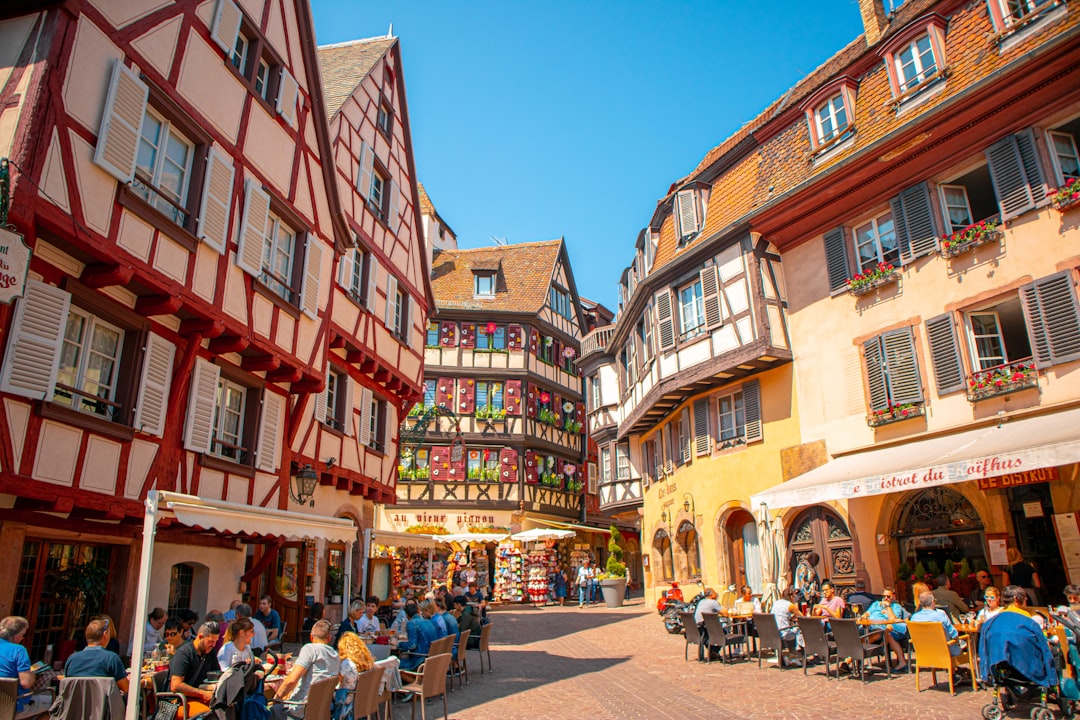
Italy is the land of amore, passion, and romantic gestures. Whether you’re hoping to connect with someone special during your travels or simply want to understand how Italians flirt, learning the language of Italian romance is an essential part of experiencing the culture. Italian flirting is an art form—it’s playful, expressive, and deeply tied to the country’s culture of living life with style and passion. This guide will help you navigate the delicate dance of Italian romance.
Compliments: The Foundation of Flirting
Giving genuine compliments is the first step in Italian flirting. Italians are comfortable with direct compliments and don’t find them as forward as English speakers sometimes do.
Appearance Compliments
Sei bellissima (say bel-LEES-see-mah) – You are very beautiful (to a woman).
Sei bellissimo (say bel-LEES-see-moh) – You are very beautiful (to a man).
Che belli occhi! (keh BEL-lee OH-kee!) – What beautiful eyes! (complimenting eyes works for anyone).
Hai un sorriso bellissimo (ah-ee oon sor-REE-soh bel-LEES-see-moh) – You have a beautiful smile.
Ti sta bene quel colore (tee stah BEH-neh kwell KOH-lore) – That color looks good on you.
Che bella figura! (keh BEL-lah fee-GOO-rah!) – What a beautiful figure! (less creepy in Italian context, but be careful with this one).
Sei elegante (say el-eh-GAHN-teh) – You are elegant.
Che bel profumo (keh BEL proh-FOO-moh) – What a nice perfume.
Quanta grazia! (KWAN-tah GRAHT-see-ah!) – How graceful!
Personality and Charm Compliments
Sei simpatico/simpatica (say seem-PAH-tee-koh/seem-PAH-tee-kah) – You are likeable/charming (gender-dependent).
Hai un gran senso dell’umorismo (ah-ee oon grahn SEN-soh del-oo-moh-REEZ-moh) – You have a great sense of humor.
Sei intelligente (say een-tel-lee-JEN-teh) – You are intelligent.
Sei interessante (say een-tehr-es-SAHN-teh) – You are interesting.
Mi piaci (mee pee-AH-chee) – I like you (more personal, can be romantic).
Responses to Compliments
When someone compliments you:
Grazie, sei gentile (GRAHT-see-eh, say jen-TEE-leh) – Thank you, you’re kind.
Troppo gentile (TROHP-poh jen-TEE-leh) – You’re too kind.
Che romantico/romantica! (keh roh-MAHN-tee-koh/roh-MAHN-tee-kah!) – How romantic! (if someone says something particularly sweet).
Pick-Up Lines: The Cheesy and the Smooth
Italian pick-up lines (called “battute” or “frasi di approccio”) range from adorably terrible to genuinely smooth. The key is delivery—confidence and humor matter more than the words themselves.
The Cheesy Category (These Are Actually Funny Because They’re Bad)
“Mi sono perso nei tuoi occhi.” (mee SOH-noh PEHR-soh nay TOO-oh-ee OH-kee) – I got lost in your eyes. (Deeply cliché, but delivered with a smile, it can work).
“Sei una mela caduta dal cielo?” (say OO-nah MEH-lah kah-DOO-tah dahl CHEH-loh?) – Are you an apple fallen from heaven? (Absurd, but charmingly Italian).
“Se ti chiedessi di sposarmi?” (seh tee kee-eh-DES-see dee spohs-AHR-mee?) – If I asked you to marry me? (Very forward but works if said with humor).
“Sei un magone? Perché mi stai facendo piangere.” (say oon mah-GOH-neh? Pehr-KEH mee stah-ee fah-CHEN-doh pee-ahn-JEH-reh) – Are you an onion? Because you’re making me cry. (Silly word play).
“Devo chiamare un medico? Mi hai tolto il fiato.” (DEH-voh kee-ah-MAH-reh oon MEH-dee-koh? Mee ah-ee TOHL-toh eel fee-AH-toh) – Should I call a doctor? You took my breath away. (Overdramatic, but that’s the point).
The Smoother Approach (More Likely to Work)
“Mi piacerebbe conoscerti meglio.” (mee pee-ah-cheh-REH-beh koh-NOH-shehr-tee MEH-lyoh) – I’d like to get to know you better.
“Posso offriti un drink?” (POS-soh of-FREE-tee oon drink?) – Can I buy you a drink?
“Mi piaci. Vorrei uscire con te.” (mee pee-AH-chee. Vor-RAY OO-shee-reh con teh) – I like you. I’d like to go out with you.
“Hai il numero di telefono? Mi piacerebbe rimanere in contatto.” (ah-ee eel NOO-meh-roh dee teh-LEH-foh-noh? Mee pee-ah-cheh-REH-beh ree-mah-NEH-reh een kon-TAHT-toh) – Do you have a phone number? I’d like to stay in touch.
“Sei una persona speciale. Mi piacerebbe passare più tempo con te.” (say OO-nah pehr-SOH-nah speh-chahl-EH. Mee pee-ah-cheh-REH-beh pahs-SAH-reh pee-oo TEM-poh con teh) – You’re a special person. I’d like to spend more time with you.
The most effective approach in Italian culture is honest, direct interest without being aggressive. Italians appreciate confidence, but not arrogance.
Asking Someone Out: The Direct Approach
Once you’ve broken the ice, you need to actually ask them out. Italians appreciate directness:
“Ti piacerebbe uscire con me?” (tee pee-ah-cheh-REH-beh OO-shee-reh con meh?) – Would you like to go out with me?
“Vuoi andare a prendere un caffè?” (vwoy AHN-dah-reh ah PREN-deh-reh oon kah-FEH?) – Do you want to go get a coffee?
“Che ne dici di una cena?” (keh neh DEE-chee dee OO-nah CHEN-ah?) – What do you say about dinner?
“Sabato sei libera/libero?” (sah-BAH-toh say LEE-behr-ah/LEE-behr-oh?) – Are you free Saturday? (gender-dependent).
“Mi piacerebbe portarti a cena domani.” (mee pee-ah-cheh-REH-beh por-TAR-tee ah CHEN-ah doh-MAH-nee) – I’d like to take you to dinner tomorrow.
“Vuoi venire a ballare?” (vwoy ven-EE-reh ah bahl-LAH-reh?) – Do you want to come dance?
“C’è una bella mostra in città, vuoi venire?” (cheh OO-nah BEL-lah MOS-trah een chee-TAH, vwoy ven-EE-reh?) – There’s a nice exhibition in the city, do you want to come?
The Italian Tradition: La Passeggiata (The Evening Stroll)
Understanding la passeggiata is key to understanding Italian romance. This is the evening tradition of taking a leisurely walk through the town, often in a piazza or down the main street. It’s a social ritual and a major venue for flirting and romance.
“Vuoi fare una passeggiata?” (vwoy FAH-reh OO-nah pahs-sehj-JAH-tah?) – Do you want to take a walk?
“Andiamo in piazza?” (ahn-dee-AH-moh een pee-AHT-tsah?) – Should we go to the piazza?
La passeggiata happens around sunset or in the early evening. It’s where young Italians see and are seen, where romantic interests develop, and where communities gather. Suggesting a passeggiata is romantic and quintessentially Italian.
Dating Vocabulary: Moving the Relationship Forward
Appuntamento (ahp-poon-tah-MEN-toh) – Date/appointment.
“Hai un appuntamento?” (ah-ee oon ahp-poon-tah-MEN-toh?) – Do you have a date? (asking if they’re seeing someone).
Una relazione (OO-nah reh-lah-tsee-OH-neh) – A relationship.
Innamorato/innamorata (een-nah-moh-RAH-toh/een-nah-moh-RAH-tah) – In love (adjective, or a person who is in love).
Ragazzo (rah-GAHT-soh) – Boyfriend (literally “boy”).
Ragazza (rah-GAHT-sah) – Girlfriend (literally “girl”).
Fidanzato/fidanzata (fee-dahn-tsah-TOH/fee-dahn-tsah-TAH) – Fiancé/fiancée (engaged).
Sposo/sposa (SPOH-soh/SPOH-sah) – Husband/wife.
Amore (ah-MOR-eh) – Love (the concept, or as a term of endearment).
Amare (ah-MAH-reh) – To love.
Innamorarsi (een-nah-moh-RAR-see) – To fall in love.
Terms of Endearment: How Italians Show Affection
Italians are very comfortable with terms of endearment, even in relatively new relationships. These can range from romantic to casual:
Amore (ah-MOR-eh) – Love (most common term of endearment).
Amorino (ah-moh-REE-noh) – Little love (sweet, endearing).
Caro/cara (KAH-roh/KAH-rah) – Dear (used in relationships and even in formal letters).
Carissimo/carissima (kah-REES-see-moh/kah-REES-see-mah) – Dearest (very affectionate).
Tesoro (teh-SOR-oh) – Treasure (common term of endearment).
Dolce (DOHL-cheh) – Sweet (can be used as a term of endearment).
Bello/bella (BEL-loh/BEL-lah) – Beautiful (used affectionately, not just to describe).
Amoruccio (ah-moh-ROO-choh) – Sweetie (very intimate, cute version of amore).
Caro mio (KAH-roh MEE-oh) – My dear.
Mio amore (MEE-oh ah-MOR-eh) – My love.
What to Say on a Date
Starting Conversation
“Mi sei piaciuto subito” (mee say pee-ah-TOO-toh SOO-bee-toh) – I liked you right away.
“Sono felice di essere qui con te” (SOH-noh FEH-lee-cheh dee EHS-seh-reh kwee con teh) – I’m happy to be here with you.
“Ti piace questo posto?” (tee pee-AH-cheh KWES-toh POS-toh?) – Do you like this place?
“Raccontami di te” (rah-kohn-TAH-mee dee teh) – Tell me about yourself.
“Cosa ti piace fare nel tempo libero?” (KOH-sah tee pee-AH-cheh FAH-reh nel TEM-poh LEE-behr-oh?) – What do you like to do in your free time?
Showing Interest
“Mi affascinaAI” (mee ahf-fah-shee-NAH) – You fascinate me.
“Mi piace il tuo senso dell’umorismo” (mee pee-AH-cheh eel TOO-oh SEN-soh del-oo-moh-REEZ-moh) – I like your sense of humor.
“Sei molto interessante” (say MOL-toh een-tehr-es-SAHN-teh) – You are very interesting.
“Dimmi cosa pensi realmente” (DEEM-mee KOH-sah PEN-see reh-ahl-MEN-teh) – Tell me what you really think.
Being Vulnerable
“Mi sei piaciuto più di quanto mi aspettassi” (mee say pee-ah-TOO-toh pee-oo dee KWAN-toh mee ahs-peht-TAHS-see) – I liked you more than I expected.
“Sono nervoso/nervosa” (SOH-noh nehr-VOH-soh/nehr-VOH-sah) – I’m nervous (being honest about your feelings is attractive).
“Non capita spesso che io m’innamori così” (non KAH-pee-tah SPES-soh keh ee-oh meen-nah-MOH-ree koh-ZEE) – It doesn’t happen often that I fall for someone like this.
Cultural Notes About Italian Dating
Family Is Everything
For Italians, family is central to identity. If things progress with someone, meeting their family is a serious step. Don’t be surprised if you’re invited to family gatherings relatively quickly—it’s a sign they’re serious about you, not that you’re moving too fast.
“Vuoi conoscere la mia famiglia?” (vwoy koh-NOH-shehr-eh lah MEE-ah fah-MEEL-yah?) – Do you want to meet my family?
Regional Differences Matter
Southern Italians tend to be more openly expressive and passionate about romance. Northern Italians (especially in Milan) can seem more reserved. Sicilians are famously intense and romantic. Don’t be surprised if romantic expression varies by region.
The Importance of Style
Italians place enormous importance on presentation. Showing up to a date well-dressed and groomed matters. It’s not vanity—it’s a sign of respect for the other person. Put effort into how you look.
Public Displays of Affection
Italians are generally comfortable with public affection—kissing, holding hands, and touching in conversation are all normal. However, excessively dramatic PDA can be considered undignified.
The Extended Courtship
Italian relationships often develop slowly compared to American dating. You might date someone for months before becoming “officially” a couple. This isn’t indecision; it’s a different cultural approach to commitment.
How to Politely Decline Interest
Not every romantic advance will be welcome. Here’s how to decline gracefully:
“Sei una persona bellissima, ma non sentiamo la stessa cosa” (say OO-nah pehr-SOH-nah bel-LEES-see-mah, mah non sen-tee-AH-moh lah STES-sah KOH-sah) – You’re a wonderful person, but we don’t feel the same way.
“Mi piaci, ma sono complicato/complicata” (mee pee-AH-chee, mah SOH-noh koh-muh-kah-TOH/koh-muh-kah-TAH) – I like you, but I’m complicated (diplomatic brush-off).
“Sono già impegnato/impegnata” (SOH-noh jah eem-pahn-YAH-toh/eem-pahn-YAH-tah) – I’m already in a relationship.
“Non è il momento giusto per me” (non EH eel moh-MEN-toh JOO-stoh pehr meh) – This isn’t the right time for me.
“Preferisco restare amici” (preh-fuh-REES-koh res-TAH-reh ah-MEE-chee) – I prefer we stay friends.
“Non voglio un impegno” (non VOH-lyoh oon eem-PEH-nyoh) – I don’t want a commitment (honest and clear).
Be kind but clear. Ambiguity breeds false hope.
Romantic Expressions: When Things Are Serious
If romance develops, here’s what you might say:
“Ti amo” (tee AH-moh) – I love you (said only when you mean it; Italians don’t throw this around casually).
“Mi sei mancato/mancata” (mee say MAHN-kah-toh/MAHN-kah-tah) – I missed you (literal: “You were missing to me”).
“Non potrei vivere senza di te” (non poh-TREH-ee VEE-vehr-eh SEN-tsah dee teh) – I couldn’t live without you.
“Voglio stare con te per sempre” (VOH-lyoh STAH-reh con teh pehr SEM-preh) – I want to be with you forever.
“Sei il mio amore vero” (say eel MEE-oh ah-MOR-eh VEH-roh) – You are my true love.
“Vuoi sposarmi?” (vwoy spohs-AHR-mee?) – Will you marry me?
Texting and Modern Romance
Modern Italian flirting happens via WhatsApp and Instagram. Here’s some texting vocabulary:
Ciao bello/bella (CHOW BEL-loh/BEL-lah) – Hey beautiful (common opening for flirting texts).
Stai bene? (stah-ee BEH-neh?) – Are you okay? (checking in).
Mi manchi (mee MAHN-kee) – I miss you.
Che fai? (keh fah-ee?) – What are you doing?
Penso a te (PEN-soh ah teh) – I think about you.
Ti voglio bene (tee VOH-lyoh BEH-neh) – I care about you (less intense than “ti amo”).
Non vedo l’ora di vederti (non VEH-doh loh-RAH dee veh-DEHR-tee) – I can’t wait to see you.
😘 – Italians use emojis liberally in texts, particularly heart and kiss emojis.
xoxo – Used in Italian texting as well (borrowed from English).
The Bottom Line: Authenticity Over Perfection
The most important thing to understand about Italian flirting is that authenticity matters more than perfect Italian. An honest, genuine attempt to connect will always outweigh perfectly conjugated verbs. Italians value passion and authenticity, and a sincere compliment with an English accent beats a technically perfect flirtation line said without conviction.
Italian romance is about creating a connection, showing genuine interest, and celebrating the joy of human connection. It’s about living life with passion and style. Whether your Italian romance leads to lifelong love or beautiful memories of a summer fling, approaching it with respect, honesty, and a sense of humor will serve you well.
Buona fortuna nell’amore (good luck in love)!




Leave a Reply