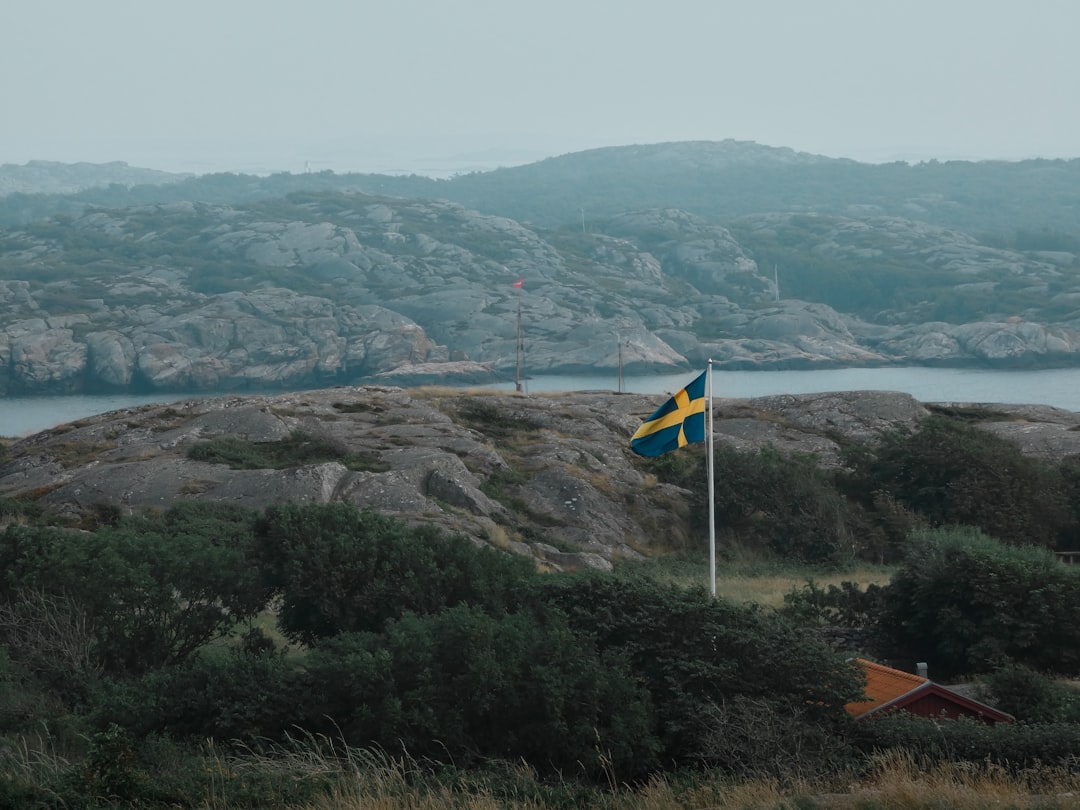
Romance in Sweden operates under different rules than in many other cultures. Swedish dating culture is egalitarian, often slower-paced, and characterized by a certain reserve that can either feel refreshingly authentic or frustratingly ambiguous, depending on your perspective. Understanding how to flirt, express romantic interest, and navigate Swedish dating customs requires learning not just the language but also the cultural context. This guide covers the vocabulary and cultural insights you need to navigate romance in Sweden.
Compliments & Flattery
Swedes appreciate genuine compliments but are suspicious of excessive flattery. The approach should be sincere rather than smooth:
Du är vacker (doo ehr VAK-er) – You’re beautiful. (For women, though can be used for men too)
Du är snygg (doo ehr snyg) – You’re hot/attractive. (More casual than vacker)
Du har fina ögon (doo har FEE-nah UR-gon) – You have beautiful eyes.
Du har ett vackert leende (doo har et VAK-ert LEH-en-deh) – You have a beautiful smile.
Det är verkligen en bra färg på dig (det ehr VER-klig-en en brah FER on dig) – That’s really a good color on you.
Du verkar intressant (doo VER-kar in-treh-SANT) – You seem interesting.
Du är rolig (doo ehr ROH-lig) – You’re fun/funny.
Det var en smart kommentar (det var en smart KOH-men-tahr) – That was a smart comment.
A note on Swedish compliments: they tend to be specific and genuine rather than generic. Saying “you’re beautiful” to everyone you meet is not the Swedish way. When you compliment, make it specific: comment on someone’s style, something they said, their perspective—not just their appearance.
Pick-Up Lines & Opening Lines
Here’s the truth: traditional pick-up lines generally don’t work in Sweden, and Swedes find most of them cringeworthy. The Swedish approach to meeting someone romantic is much more casual and natural. That said, here are some conversation starters:
Hej, det var en bra skämt du gjorde (hay, det var en brah SKET doo YOR-deh) – Hey, that was a good joke you made. (This works if you’re actually responding to something they said)
Vad heter du? (vahd HET-er doo) – What’s your name? (Direct and straightforward, very Swedish)
Du såg så intressant ut (doo sawg saw in-treh-SANT oot) – You looked interesting. (Genuine and not predatory-sounding)
Vilket program jobbar du med? (VIL-ket pro-GRAHM YUB-bar doo med) – What do you work on? (This works at a professional or creative event)
Vilken musik gillar du? (VIL-ken MOO-seek GIL-ar doo) – What music do you like? (Universal conversation starter)
Är du här med någon? (ehr doo hehr med NAHG-on) – Are you here with someone? (A practical question that can lead somewhere)
Det här stället är häftigt (det hehr STEL-et ehr HEF-tigt) – This place is cool. (A weather-neutral conversation starter)
The most Swedish approach is honest and direct: “Jag tycker du verkar intressant” (yag TYK-er doo VER-kar in-treh-SANT) – “I think you seem interesting.” Straightforward, genuine, and if they’re not interested, at least they know.
Asking Someone Out
The Swedish dating process is often more subtle than in English-speaking cultures. There’s less of a clear “will you go on a date with me?” moment. Instead, it often progresses gradually:
Vill du fika tillsammans? (vil doo FEE-kah tee-LSAMANS) – Do you want to fika together? (This is actually a classic first “date” in Sweden—coffee and pastry, nothing too formal)
Vill du ta en kaffe? (vil doo tah en KAH-feh) – Do you want to grab a coffee?
Vill du göra något imorgon? (vil doo YUR-ah NAHG-ot ee-MOR-on) – Do you want to do something tomorrow?
Vill du träffa mig imorgon kväll? (vil doo TREF-ah may ee-MOR-on KVELL) – Do you want to meet me tomorrow evening?
Jag skulle vilja bjuda dig på middag (yag SKUL-eh VIL-yah BYU-dah dig paw MID-dahg) – I’d like to invite you to dinner.
Det här stället är kul, tycks du inte det? (det hehr STEL-et ehr kool, tyks doo int-eh det) – This place is fun, don’t you think? (A way to suggest coming back together or exploring further)
Kan jag få ditt nummer? (kan yag faw dit NUM-er) – Can I have your number?
Jag skulle vilja höra från dig igen (yag SKUL-eh VIL-yah HUR-ah frawn dig ee-GEN) – I’d like to hear from you again.
Vill du vara i en relation med mig? (vil doo VAH-rah ee en reh-LAH-shon med may) – Do you want to be in a relationship with me? (This is saved for later, once things are clearly progressing)
Swedish Dating Culture: The Reality
Before going further, it’s important to understand what Swedish dating culture actually looks like:
It’s slow and casual: Swedes often take longer to develop romantic relationships than in some cultures. There’s no rushing from “meeting” to “dating” to “relationship.” People often spend weeks or months hanging out before making anything official.
It’s egalitarian: Swedish women often initiate dates, pay for their own meals, and lead the romantic process as much as men do. The traditional man-pursues-woman dynamic is much less pronounced than in many cultures. You should expect that either person might ask the other out, and splitting bills is very common.
It’s honest and direct: When Swedes lose interest, they usually say so rather than ghosting (though ghosting happens). When they like someone, they often express it pretty clearly, though in understated Swedish terms.
It’s low-key: First dates are often just a fika (coffee) or a casual activity, not an elaborate dinner. This takes the pressure off and creates a natural environment for conversation.
It progresses through group activities: Swedes often introduce romantic interests to friend groups relatively early. Group hangouts are a normal part of dating progression.
Terms of Endearment
Swedish has relatively few terms of endearment compared to English or Romance languages. This reflects cultural reserve:
Älskling (ELS-kling) – Darling/Sweetie. The most common term of endearment.
Käraste (KER-as-teh) – Dearest.
Hjärtevän (YERT-eh-ven) – Sweetheart (literally “heart friend”).
Min älskling (min ELS-kling) – My darling.
Bäbis (BAY-bis) – Baby. (Borrowed from English)
Mitt kärleksmonstrum (mit KER-lecks-MONS-trum) – My love monster. (Playful and creative)
The default in Swedish relationships is to just use first names, even in intimate contexts. This reflects the general Swedish equality and informality. You won’t hear the same frequency of terms of endearment in Swedish couples as you might in other cultures—it’s more common to just say the person’s name.
Texting & Messaging
Swedish texting is relatively casual and direct:
Tjena! (SHEN-ah) – Hey!
Hur mår du? (hoor MAR doo) – How are you?
Vad gör du? (vahd YUR doo) – What are you doing?
Jag tycker om dig (yag TYK-er om dig) – I like you.
Du är snygg (doo ehr snyg) – You’re attractive.
Jag tänker på dig (yag TEN-ker paw dig) – I’m thinking about you.
Vill du träffa mig? (vil doo TREF-ah may) – Do you want to meet?
Helt rätt din sida! (helt ret din SEE-dah) – Exactly right/You’re right! (Response to something they’ve said)
Ha ha, du är rolig! (hah hah, doo ehr ROH-lig) – Ha ha, you’re funny!
In Swedish texting, people are generally straightforward. You won’t see as much game-playing or carefully crafted delayed responses. If they like you, they’ll message back. If they’re not interested, they might not respond as frequently.
What to Say on a Date
Once you’re actually on a date, here’s useful conversation vocabulary:
Hur var det att växa upp? (hoor var det att VEK-sah oop) – What was it like growing up?
Vad gör du för arbete? (vahd YUR doo for AHR-beh-teh) – What do you do for work?
Vad är dina intressen? (vahd ehr DEE-nah in-TRES-en) – What are your interests?
Var är du ifrån? (var ehr doo ee-FRAWN) – Where are you from?
Vilka är dina drömmar? (VIL-kah ehr DEE-nah DRUM-ar) – What are your dreams?
Vad var det bästa du gjorde förra året? (vahd var det BES-tah doo YOR-deh FUR-rah AH-ret) – What was the best thing you did last year?
Vem är viktig för dig? (vem ehr VIK-tig for dig) – Who’s important to you?
Vad gör du när du är ledsen? (vahd YUR doo nar doo ehr LED-sen) – What do you do when you’re sad?
These questions reflect a Swedish conversational style that values depth and authenticity. Swedes tend to be genuinely curious and will ask substantive questions rather than superficial small talk.
Cultural Notes: Fika as a First Date
The classic Swedish first “date” is actually just fika together. This might seem anticlimactic if you’re used to elaborate first dates, but it’s perfect in the Swedish context: it’s low-key, it allows for natural conversation, and it’s not overly romantic or pressure-filled.
Shall we have fika together? might be the first date proposal you receive. Don’t interpret this as a lack of interest. It’s very Swedish—low-pressure, genuine, and respectful of both people’s time.
Similarly, a first real date might be:
- A walk around town
- Going to a museum
- A casual dinner
- Going to a concert or cultural event
- A activity like bowling or mini-golf
Swedes prefer dates where you’re actually doing something together, not just sitting across from each other. This reflects their pragmatic approach to dating.
Splitting the Bill
In Swedish dating culture, splitting the bill is extremely normal, even early in dating. Either person might ask the other out, and when the bill comes, you should expect to split it 50/50 or you might each pay for what you ordered.
Some modern Swedes might experiment with one person paying, but the default is equal contribution. This reflects Swedish values of equality and independence. Don’t interpret a woman wanting to split the bill as a sign of lack of interest—it’s just the Swedish norm.
Kan vi delar räkningen? (kan vee DEH-lar REK-ning-en) – Can we split the bill?
Var för sig? (var for say) – Separately? (When paying individually)
Tillsammans? (tee-LSAMANS) – Together? (When paying as one group)
Reading Swedish Signals: The Art of Subtle Interest
Swedes are reserved, which makes reading romantic interest potentially tricky. Here’s what to look for:
Positive signals:
Negative signals:
The key with Swedes is that they tend to be straightforward. If they like you, they’ll generally make an effort to spend time with you. Swedish reserve doesn’t mean coldness; it means they won’t be overly expressive, but their actions will show interest.
How to Politely Decline
If you’re not interested, the Swedish approach is to be honest and direct:
Jag tror att vi inte är kompatibla (yag trur att vee int-eh ehr kom-pah-TEE-blah) – I don’t think we’re compatible.
Du verkar trevlig, men jag är inte intresserad (doo VER-kar TREH-vlig, men yag ehr int-eh in-treh-SAHD) – You seem nice, but I’m not interested.
Jag söker något annat just nu (yag SU-ker NAHG-ot AN-nat yust noo) – I’m looking for something different right now.
Jag är inte på marknaden för något nu (yag ehr int-eh paw MARK-nah-den for NAHG-ot noo) – I’m not on the market for anything right now.
Swedes generally respect straightforward honesty. If you don’t want to continue, just say so. It’s kinder than stringing someone along or ghosting.
The Big Picture: Swedish Romance
Swedish romance, when it happens, is often characterized by:
Swedish romantic relationships tend to be stable and long-lasting. Swedes don’t tend toward dramatic displays or passionate declarations. Instead, they show love through reliability, shared activities, and genuine interest in their partner’s life.
If you’re looking for romance in Sweden, understand that it might not look like romance in Hollywood films. But Swedish romance—built on equality, honesty, and genuine connection—is often the most stable and satisfying kind.
Lycka till med kärleken! (Good luck with love!)




Leave a Reply