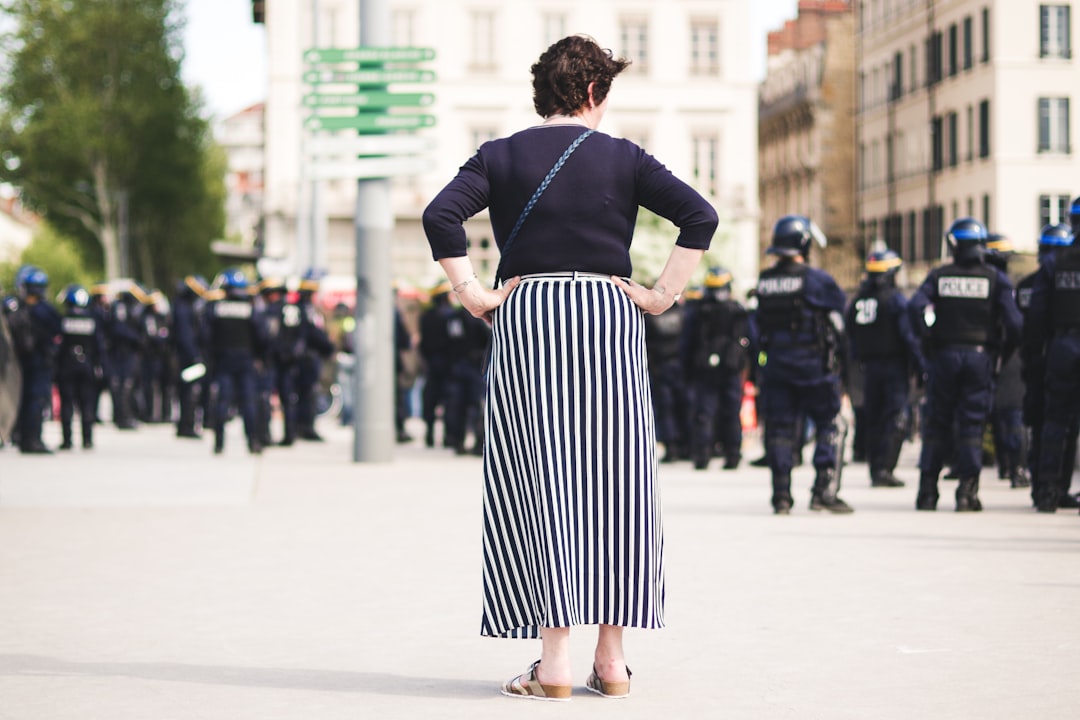
The stereotype of French fashion is that all Parisians wear a striped shirt, a beret, and a scarf, and they look effortlessly chic while eating baguettes. This is ridiculous, mostly because Parisians do not wear berets (you’ll see them in some neighborhoods and on tourists, not on actual French people). But there is something real about French fashion that’s worth understanding, and it’s much more interesting than the stereotype.
The reality of French fashion is simpler and more complex than the cliché. It’s based on a few actual principles—quality over quantity, fit over trends, neutrals and classics—but it’s not mysterious. French people aren’t magical. They’re just following a different philosophy about what to wear and why. Understanding that philosophy will help you pack better for France, understand what you’re seeing, and actually feel less like a tourist.
The Actual Philosophy: Quality Over Quantity
The fundamental principle of French fashion is that you own fewer things, but you own better things. Instead of a closet full of cheap clothes from fast fashion brands, you have a smaller number of well-made pieces that last for years and can be combined in multiple ways.
This is sometimes called the “capsule wardrobe”—a limited set of basic pieces that work together. A pair of well-fitting dark jeans, a white button-down shirt, a navy sweater, a good jacket, a few T-shirts in neutral colors, and simple shoes that actually fit. These pieces are not trendy. They’re not meant to be worn once and discarded. They’re meant to form the base of your wardrobe and be combined in different ways to create different outfits.
This philosophy has practical reasons. French wages don’t universally support constant shopping. Paris apartments are small, so a massive closet isn’t feasible. But it’s also ideological—the idea that you should buy less but better things, that fashion should be about personal style rather than trend-following, that quality and longevity matter more than newness.
The result is that French people, on average, look more polished than Americans not because they’re wearing expensive designer clothes, but because they’re wearing well-fitting, well-made clothes that actually suit their bodies and their coloring.
The Myth of the Effortless Look
The “French woman effortlessly wears a simple outfit and looks chic” is repeated so often that people believe it’s magic. It’s not. It’s just a different approach to getting ready that looks effortless because it’s not performed for an audience.
The actual French approach is: figure out what works for your body, your coloring, and your personality. Then repeat it. A French woman might discover that she looks good in navy, white, and cream, in simple shapes, with minimal jewelry. She then wears navy, white, and cream in simple shapes with minimal jewelry. This isn’t boring—it’s coherent. It’s knowing yourself.
The “effortlessness” comes from this repetition. You’re not deliberating each morning. You know what you’re going to wear because you’ve figured out what works. To someone who’s following trends and constantly acquiring new things, this looks effortless. It’s actually the opposite—it’s being very deliberate about a limited set of choices.
Fit: The Non-Negotiable Factor
French fashion magazines and style guides spend an enormous amount of time on fit. Not size—fit. A well-fitting medium is better than an ill-fitting small. Pants should fit your actual waist and not require a belt to stay up. Shoulders should actually sit on your shoulders. Sleeves should end at your wrist.
This means that French people tend to try things on before buying them and actually care about proper tailoring. Alterations are normal. If something is 95% right but slightly too long, you take it to a tailor.
American fashion, influenced by fast fashion, often ignores fit in favor of trend. French fashion is the opposite—fit matters more than trend. This is also why cheap clothes are less valued—they often don’t fit well and won’t hold their shape.
The Capsule Wardrobe in Reality
A simplified French capsule wardrobe might look like:
- Dark jeans (well-fitting, good quality, maybe 60-100 euros)
- Black or dark pants for going out
- White button-down shirt
- Navy sweater or cardigan
- Plain T-shirts in white, navy, maybe gray
- A good jacket (blazer, jean jacket, or leather, depending on style)
- A scarf (just one, maybe)
- Simple leather shoes
That’s it. The goal is that these pieces work together. You can wear the white shirt with the jeans and the navy sweater. You can wear the dark pants with the white shirt and the jacket. The formula is simple and repeatable.
The actual investment is in the quality pieces. The jeans cost more because they’re well-made. The leather shoes cost more because they’ll last for years. The jacket is a piece you’ll wear hundreds of times.
Accessories are minimal. One pair of simple earrings, maybe a ring. A watch. A simple bag. The attitude is that accessories should be functional or genuinely beautiful, not numerous.
Color Palette: Neutrals and Depth
French fashion tends toward a limited color palette. Black, white, navy, gray, cream, maybe some camel. Solid colors rather than patterns (though stripes are acceptable, in the right context). The idea is coherence—colors work together, they coordinate, you can mix and match.
This isn’t about looking boring. It’s about looking intentional. A white shirt with navy trousers and a cream sweater looks elegant. A white shirt with jeans and a gray sweater looks casual but put-together. The same white shirt is the foundation of both looks.
Seasonal colors expand slightly. In autumn and winter, you might add deeper tones, more texture. In spring and summer, lighter colors, fewer layers. But the palette stays relatively consistent.
French Fashion Brands (Besides the Luxury Ones)
Everyone knows Chanel, Louis Vuitton, Hermès, Dior. These are French heritage brands that are now global luxury icons. But French people don’t all wear these. Most French people wear much more accessible brands.
Sézane is a French brand founded by Morgane Sézalory that embodies the casual-chic philosophy. Simple pieces, good quality, reasonable prices (40-100 euros for clothing). The aesthetic is very “French girl” but in an actual accessible way, not a fantasy.
APC makes minimal, well-made basics—jeans, T-shirts, sweaters, bags. A staple of French wardrobes, especially among people who think about fashion but aren’t haute-couture people.
Comptoir des Cotonniers makes casual pieces with slightly more personality than basics but still understated—good for traveling because everything is comfortable and practical.
Lemaire (now Lemaire, formerly Ann Demeulemeester’s atelier space) makes beautiful, minimalist pieces for people with money but not fashion-world budgets.
Arket (owned by H&M) is a Scandinavian-French hybrid that makes simple, well-made clothing at moderate prices.
Most French people shop at these brands or at Zara, Gap, or other international brands. They’re not all in haute couture. They’re just shopping with the philosophy of quality-over-quantity in mind.
Vintage Shopping: Friperies and Dépôt-Vente
If you want authentic French-style pieces at good prices, vintage shopping is genuinely important in French culture. There are friperies (secondhand shops) and dépôt-ventes (consignment shops) in almost every neighborhood.
Friperies are thrift shops, ranging from organized and curated to just piles of stuff. Dépôt-ventes are consignment shops where people sell clothes they no longer wear, usually higher quality pieces at reasonable prices.
Paris’s marais district has numerous vintage shops. Different neighborhoods have their own local options. Going to a vintage shop is genuinely how French people find unique pieces while maintaining the quality-over-quantity philosophy.
The prices are low—a Hermès scarf at a dépôt-vente might be 30-50 euros instead of 300. A good jacket might be 20 euros.
Fashion Week: What It Is and Why It Matters
Paris Fashion Week happens twice a year (early March for spring/summer, early October for fall/winter). It’s the official showcasing of new collections by major fashion houses. If you’re in Paris during Fashion Week, you’ll notice activity, fashion people everywhere, and a sense of excitement.
Can you attend if you’re a regular tourist? Largely no. Most shows require invitations or professional accreditation. But the city is fun during Fashion Week—fashionable people everywhere, restaurants and cafés full of industry people, a sense of something important happening.
Some brands do public events or pop-ups. Checking schedules a few weeks before might reveal something accessible.
What to Wear So You Don’t Look Like a Tourist
The honest version: if you’re American, you kind of look like a tourist no matter what you wear. But you can minimize it.
Don’t wear athletic wear as regular clothes. Sneakers are fine—French people wear sneakers—but athletic leggings as pants is a giveaway. No graphic T-shirts from American companies. No cargo shorts. No fanny packs (even though they’re back in fashion, they’re still very American-looking in context).
Wear well-fitting dark jeans with a simple top. A linen shirt. A simple sweater. Simple leather shoes. A scarf if you want. Minimal, neutral, well-fitting.
Actually wear shoes that require you to walk normally, not huge cushy trainers. The biggest tourist tell is shoes designed for maximum comfort because you expect to walk a lot all day. French people wear walkable shoes, but they wear them as regular shoes, not as a statement.
Hair and makeup that’s not overdone. French makeup is usually subtle (though less so than it used to be). Hair that looks like you’ve washed it but not necessarily straightened or styled it within an inch of its life.
The goal is not to be invisible—that’s not really possible as a foreigner—but to look like someone who’s respecting the culture enough to not broadcast your American-ness.
Regional Style Differences
French style isn’t monolithic. Paris style is different from Marseille or Lyon. Provençal style incorporates more color and pattern than Parisian style. Normandy has a certain coastal casualness. The French Basque country has its own distinct style.
Generally, the further south you go, the more color and the less black-and-navy. The coast tends to be more casual. Rural areas tend to be more practical. Paris is the most fashion-conscious and the most neutral-color-focused.
The Bigger Picture: Why French Fashion Matters
French fashion philosophy—quality over quantity, fit over trend, personal style over fashion diktat—is actually about how to live. It’s about not being controlled by consumerism, about knowing yourself, about investing in things that matter to you rather than collecting things.
This is why French fashion, even when it’s casual or simple, feels intentional. French people are not fashion victims. They’re people who have made decisions about what they wear and stick to them.
As a traveler, understanding this helps you pack better. Instead of bringing 10 outfits, bring fewer pieces that work together. Invest in one really good jacket. Buy jeans that actually fit. Wear the same scarf twice because it’s fine—French people do.
You’re not going to become French by dressing differently. But you can understand that in France, fashion is less about what’s new or trendy and more about what works, what fits, and what represents actual personal style. That’s not stereotypical French fashion—that’s actual French fashion philosophy. And it might actually be smarter than the way you usually think about your closet.




Leave a Reply