When HBO’s Game of Thrones premiered in 2011, audiences had no idea that a significant portion of the Seven Kingdoms was actually nestled in the heart of Spain. While many fans assumed the entire series was filmed in Northern Ireland and Croatia, Spain played a crucial and stunning role in bringing George R.R. Martin’s world to life, particularly in seasons 5-8. From the sun-drenched water gardens of Seville to the dramatic coastal cliffs of the Basque Country, Spain’s diverse landscapes doubled as some of the most iconic locations in television history.
The Real Alcázar of Seville: The Water Gardens of Dorne
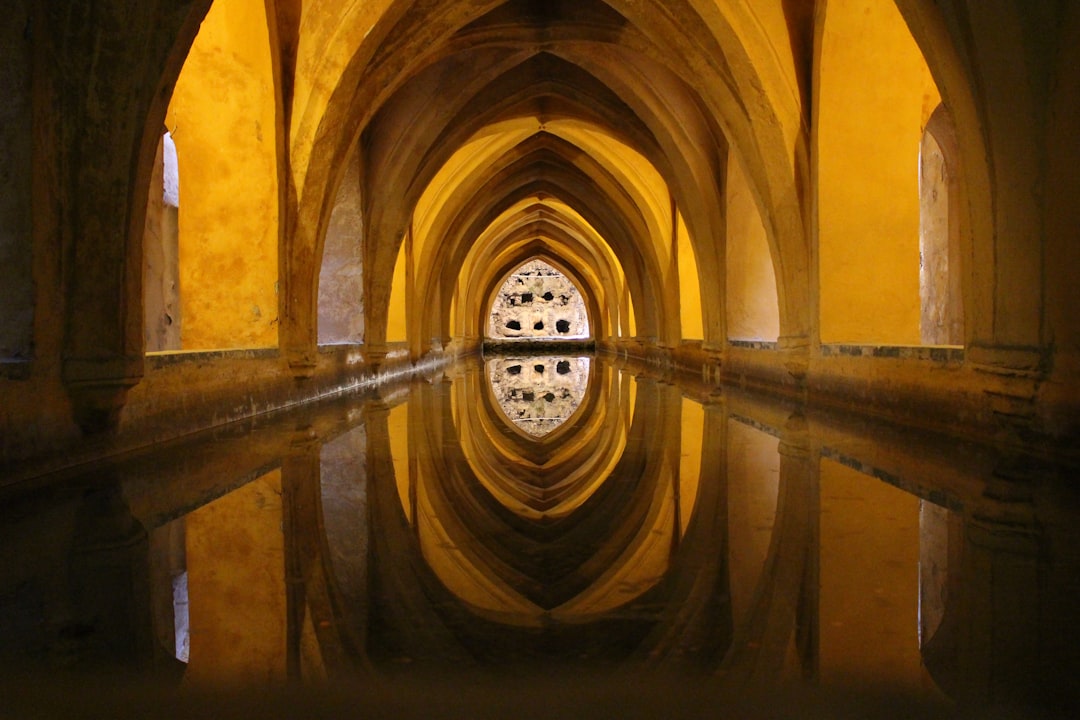
Perhaps the most iconic Spanish location in Game of Thrones is the Real Alcázar of Seville, which served as the backdrop for Dorne, the southernmost kingdom of Westeros. When the show shifted focus to Dorne in season 5, viewers were treated to lush gardens, flowing fountains, and sun-baked courtyards that perfectly captured the exotic, sensual aesthetic of Prince Doran’s realm. The specific sections used include the Patio de las Doncellas (Court of the Maidens), with its reflecting pools and intricate tilework, and the surrounding garden areas that have enchanted visitors for centuries.
The Real Alcázar isn’t simply a filming location—it’s a UNESCO World Heritage site and one of Spain’s most important historical monuments. Originally built in the 14th century as a royal residence, the palace’s Moorish and Renaissance architectural styles provided the production team with an authentic aesthetic that required minimal set dressing. The gardens’ geometric layouts and water features naturally suggested the wealth and sophistication of Dorne’s ruling class.
Visiting Information: The Real Alcázar is open to the public daily (hours vary seasonally, typically 9:30 AM-5 PM). Located at Patio de Banderas, s/n, 41004 Sevilla. Admission costs around €14.50 for adults, with discounts available for students and seniors. Arrive early in the morning to avoid crowds and heat, especially during summer months. The palace is a 15-minute walk from Seville’s cathedral, making it easy to combine with other historic sites. Photography is allowed throughout most of the palace, and you can easily identify the exact spots where scenes were filmed by noting the distinctive fountain arrangements and arched corridors. Allow at least 2-3 hours for a thorough exploration.
The Plaza de Toros of Osuna: The Fighting Pits
The ancient amphitheater at Osuna served as the setting for the infamous sand-pit fighting scenes that defined Dorne’s brutal culture. This real bullring, located approximately 90 kilometers from Seville, provided the perfect circular arena for scenes of slavery and combat. The Plaza de Toros de Osuna, built in 1903, has hosted bullfighting for over a century, but its most famous recent appearance might be on the small screen as the setting where several major characters met their ends.
The production team used the existing architecture of the bullring, with its ochre-colored stone and tiered seating, to create an atmosphere of danger and spectacle. The contrast between the refined gardens of Dorne’s royal palace and the brutal reality of the fighting pits proved essential to Dorne’s characterization as a region of extremes—beauty and violence existing side by side.
Visiting Information: Osuna is a small town worth exploring beyond the bullring itself. The Plaza de Toros de Osuna can typically be visited by appointment or during special events. Contact the Osuna tourism office at the Plaza Mayor (923 130 460) to arrange visits. The town is approximately 1.5 hours by car from Seville. While there, explore the beautiful Plaza Mayor, visit the Renaissance basilica of the Inmaculada Concepción, and sample local wines. Several restaurants in town serve excellent regional cuisine. The town’s whitewashed architecture and cobblestone streets provide a quintessentially Andalusian atmosphere.
Girona: The Streets of Braavos
Moving beyond Dorne, Girona—a medieval city in Catalonia—stood in for the maritime republic of Braavos. The city’s narrow Gothic Quarter, with its steep stone streets, overhanging buildings, and dramatic archways, proved perfect for scenes involving the Faceless Men and the House of Black and White. Viewers who know Girona recognize it immediately: the river Onyar with its pastel-colored houses reflected in the water became iconic, and the old stone bridges featured prominently in several episodes.
Girona has been used as a filming location for numerous productions, but Game of Thrones elevated it to international prominence. The show’s production teams used the entire Gothic Quarter, with scenes filmed on the Carrer de la Força, along the Onyar riverbank, and within the remnants of the medieval city walls. These locations appear throughout seasons 5-8, particularly in sequences involving Arya Stark’s story arc.
Visiting Information: Girona is located 100 kilometers northeast of Barcelona, accessible via train (approximately 40 minutes from Barcelona Sants Station) or car. The city is compact and best explored on foot. Major filming locations include the Plaça de la Catedral (Cathedral Square), the Carrer de la Força, and the Pont de Pedra (Stone Bridge) for photographs mirroring the show. The city is free to explore, though visitors should respect that these are real residences and businesses. The Girona Game of Thrones tour (offered by several local companies) costs around €20-25 and provides context and photo opportunities. Stay at least a full day to appreciate the city’s rich history beyond its television fame. The Cathedral offers interior visits for €3, and the city walls provide excellent vistas.
The Castle of Zafra: The Tower of Joy
For the emotionally charged Season 6 flashback depicting Rhaegar Targaryen’s final moments, production teams traveled to the Castle of Zafra in the remote region of Extremadura. This fortress, situated dramatically on a hilltop overlooking the surrounding landscape, served as the Tower of Joy—the castle where Rhaegar fell to Robert Baratheon’s hammer and where, according to legend, Jon Snow was born. The castle’s rugged gray stone walls and exposed position made it perfect for depicting a crucial moment in Westerosi history.
The Castle of Zafra isn’t just a film set; it’s a genuine historical fortress dating back to the 15th century, built to protect the border region. Its isolated location in the Extremadura wilderness provides a sense of vulnerability and exposure that the scene required. The climactic duel between Rhaegar and Robert, followed by Ned Stark’s emotional discovery of his sister Lyanna, plays out against the castle’s forbidding architecture and windswept surroundings.
Visiting Information: The Castle of Zafra is located near the town of Zafra in Badajoz province, Extremadura (approximately 400 kilometers west of Madrid). This is remote territory, and a rental car is essential. The castle can be visited by prior arrangement with the local municipality—contact the Zafra town hall (924 550 022) for access information. The surrounding landscape is beautiful for photography and hiking. The nearest significant town, Zafra itself, offers basic services and a pleasant main square. This is not a heavily touristed destination, which makes it feel particularly authentic and peaceful. Plan to spend a full day in the region to justify the drive from Seville or Madrid.
Peñíscola: The Papal Palace
The dramatic coastal fortress of Peñíscola, with its imposing castle perched on a rocky peninsula jutting into the Mediterranean, served multiple purposes in Game of Thrones. The fortress, built in the 14th century and famous as a historical seat of a papal claim during medieval schisms, doubled as King’s Landing’s palace complex and other crucial Westerosi locations. The castle’s golden-yellow stone and commanding position above azure waters create an unmistakably regal atmosphere.
The fortress’s architectural significance—with its circular walls, multiple towers, and defensive bastions—provided production teams with numerous shooting angles and locations within a single site. The castle’s hilltop gardens, staircases, and chambers offered versatility for different scenes without requiring extensive set construction. The views from the castle walls provide some of the Mediterranean’s most dramatic vistas.
Visiting Information: Peñíscola is located on the Valencian coast, approximately 50 kilometers south of the holiday resort town of Castellón. It’s accessible by car (2.5 hours from Barcelona, 3 hours from Valencia) or bus. The castle is open to visitors daily (generally 9 AM-6 PM, hours vary seasonally). Adult admission is approximately €6, with reduced rates for students and children. The town of Peñíscola itself is a charming seaside resort with beaches, restaurants, and tourist infrastructure. The castle walk-through takes about 1.5-2 hours. Photography throughout the castle is permitted and encouraged. Several hotels and apartment rentals surround the castle, and the local beaches are attractive for relaxation. The town is less crowded than other Spanish coastal destinations, making it a relatively peaceful visit despite its Game of Thrones fame.
Bardenas Reales: The Dothraki Sea
For scenes depicting the vast Dothraki grasslands, the production team ventured to Bardenas Reales—a UNESCO Biosphere Reserve in Navarre, northeastern Spain. These semi-arid badlands, with their otherworldly geological formations, distant horizons, and almost lunar landscape, perfectly captured the endless steppes of Khal Drogo’s world. The distinctive eroded ravines, flat-topped hills, and sparse vegetation create an alien aesthetic that couldn’t be easily replicated elsewhere.
Bardenas Reales spans over 42,000 hectares and features dramatic contrasts between different terrain types—from painted desert formations to more verdant valleys. The production teams exploited these varied landscapes to create multiple different “locations” within Dothraki territory, using the escarpments, gullies, and open plains for different scenes. The reserve’s protected status means the landscape remains unchanged, allowing modern visitors to see what the production crews filmed.
Visiting Information: Bardenas Reales is located in the Navarre autonomous community, near the town of Tudela (approximately 85 kilometers south of Pamplona). The reserve is best explored by car, as public transportation is limited. A visitor center near the town of Arguedas provides information and maps (free entry). Several roads cross the reserve, permitting vehicle access to different viewpoints and starting points for walking trails. Hiking trails range from 2 to 8 kilometers and are suitable for various fitness levels. The best times to visit are spring and autumn when temperatures are moderate. Bring substantial water supplies, as the landscape offers minimal shade. The nearby town of Tudela offers basic services and restaurants. Allow at least 4-5 hours for exploring the reserve, though a full day is rewarding.
San Juan de Gaztelugatxe: Dragonstone
Finally, no discussion of Game of Thrones filming in Spain is complete without mentioning San Juan de Gaztelugatxe, a small rocky island connected to the Basque coast by a narrow causeway. This dramatic location served as Dragonstone, Daenerys Targaryen’s castle and the seat of her power in Westeros. The island’s stark black basalt columns, rising dramatically from the sea, and the small hermitage perched on its summit create an instantly recognizable silhouette.
The actual chapel on the island dates to the 9th century, and the location combines genuine historical significance with Game of Thrones fame in a unique way. The production team used the island as both establishing shots and for several key scenes, with the causeway and approach providing cinematic possibilities. The island’s accessibility by foot (though not easy) makes it a genuine destination rather than purely a visual effect.
Visiting Information: San Juan de Gaztelugatxe is located on the Vizcayan coast near the village of Bakio, approximately 50 kilometers northwest of Bilbao. It’s best reached by car (1-hour drive from Bilbao). A parking area near the village provides access to a walking trail (approximately 250 meters with 234 steps) leading to the island causeway. The walk typically takes 10-15 minutes. Access is free, though donations support island maintenance. The walk requires reasonable fitness and caution, especially in windy conditions. The island can be crowded during peak summer season; visiting in shoulder seasons (May-June or September-October) is more pleasant. The nearby town of Bakio offers simple cafés and basic services. The coastal views throughout the walk are spectacular, offering photo opportunities regardless of Game of Thrones interest. Allow 1-2 hours total for the visit including approach, crossing the causeway, and returning.
Planning Your Game of Thrones Spain Adventure
Visiting all these locations would require significant time and planning. Most visitors focus on Seville as a base (Real Alcázar, Osuna nearby), Girona for a day trip from Barcelona, and potentially Peñíscola as a coastal destination. Those interested in a comprehensive tour should consider 10-14 days to properly explore these disparate locations. Spring (April-May) and fall (September-October) offer the best climate for visiting multiple locations without the intense summer heat that characterizes southern Spain during June-August.
The journey through these locations offers far more than Game of Thrones tourism—each site represents genuine historical significance and architectural beauty. The show simply provided international attention to already remarkable destinations that have captivated visitors for centuries.




Leave a Reply