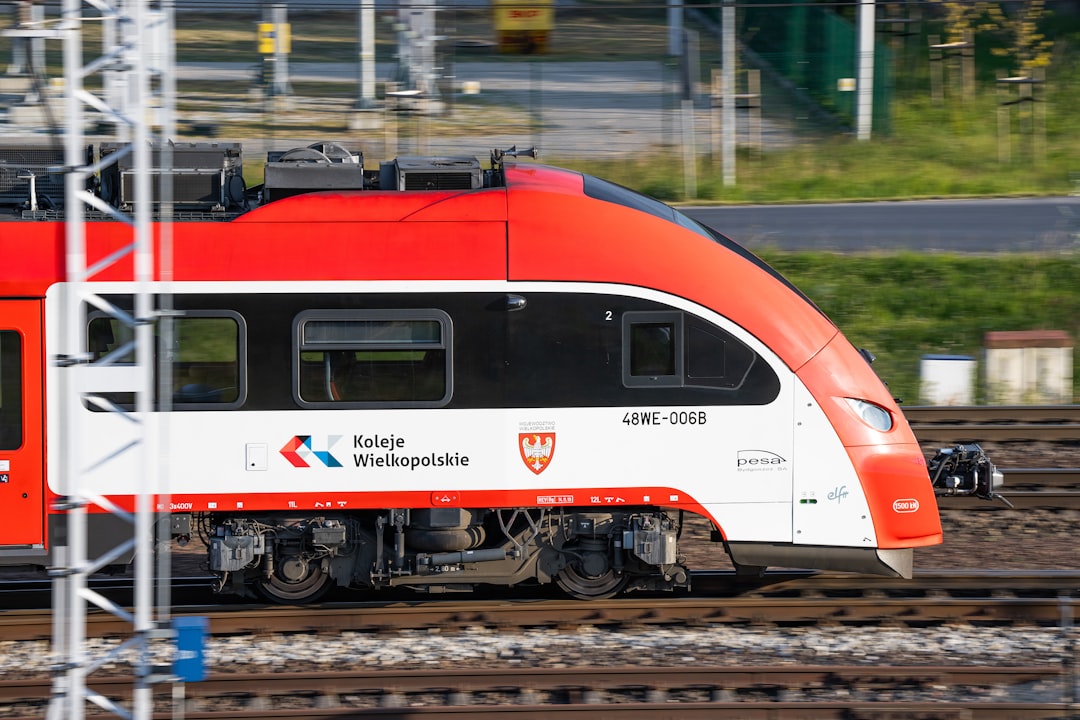
Getting from point A to point B in Poland is an adventure in itself. Whether you’re catching a high-speed train across the country, navigating Warsaw’s complex metro system, or asking for directions in a charming mountain village, knowing transportation vocabulary is essential. Poland has a robust and affordable public transportation system, but like most European countries, it comes with its own linguistic quirks and expectations that will make your travels infinitely smoother if you understand them.
One of the best parts of traveling in Poland is that the transportation infrastructure is actually quite good and very affordable compared to Western Europe. Trains connect all major cities, buses reach smaller towns, and city trams and metros make urban navigation relatively straightforward. The challenge, of course, is communicating your needs effectively. This guide will equip you with all the transportation phrases you need.
General Transportation Phrases
Gdzie jest dworzec PKP? (GDZHE yest DVOR-ets peh-kah-PEH) – Where is the train station?
Gdzie jest przystanek autobusowy? (GDZHE yest pshih-STAH-nek ow-toh-boo-SOH-vy) – Where is the bus stop?
Gdzie jest przystanek tramwajowy? (GDZHE yest pshih-STAH-nek tram-vah-YOH-vy) – Where is the tram stop?
Jak się dostać do…? (yahk sheh DOHSS-tatch doh) – How do I get to…?
Czy mogę prosić bilet? (CHY MOH-geh PROH-shee bee-LET) – Could I have a ticket, please?
Jeden bilet do… (YEH-den bee-LET doh) – One ticket to…
Bilet powrotny (bee-LET poh-VRO-tny) – A return ticket
Ile kosztuje bilet do…? (EE-leh KOH-shtoo-yeh bee-LET doh) – How much is a ticket to…?
Czy to jest bilet ulgowy? (CHY toh yest bee-LET OOL-goh-vy) – Is this a discounted ticket? (Often available for students and seniors)
O której godzinie? (oh KTOO-rej goh-DZEE-nyeh) – What time?
Kiedy odjeżdża? (KYEH-dih od-YEZH-dzhah) – When does it depart?
Gdzie się siedzi? (GDZHE sheh SYED-zee) – Where do I sit?
Czy mogę mieć miejscówkę? (CHY MOH-geh myetch myeys-TSOOV-keh) – Can I have a seat reservation?
Czy to jest pociąg bezpośredni? (CHY toh yest poh-TSYOWNG bez-posh-RED-nee) – Is this a direct train?
Czy muszę się przesiadać? (CHY MOO-sheh sheh pshe-SHAH-datch) – Do I need to transfer?
Train Travel: The Main Transportation Network
Train travel in Poland is excellent, affordable, and connects virtually every town and city. Understanding train-specific vocabulary is crucial.
PKP (peh-kah-PEH) – Polish Railways (the main state railway company, pronounced letter by letter)
Dworzec (DVOR-ets) – Train station
Dworzec Centralny (DVOR-ets Tsen-TRAHL-ny) – Central Station
Peron (peh-RON) – Platform
Tor (tor) – Track
Przystanek (pshih-STAH-nek) – Stop (for trains or buses)
Rozkład jazdy (ROS-kwahd YAH-zdih) – Schedule/timetable
Przyjazd (pshih-YAHST) – Arrival
Odjazd (od-YAHST) – Departure
Pociąg międzynarodowy (poh-TSYOWNG myhen-dzih-nah-ROH-doh-vy) – International train
Pociąg nocy (poh-TSYOWNG NOH-tsih) – Overnight train
InterCity (IN-ter-SEE-ty) – Long-distance fast train service
Pendolino (pen-doh-LEE-noh) – The high-speed train between major cities
Wagon (VAH-gon) – Train car (note: a “wagon” in English means a cart, but in Polish it’s a train car)
Przedział (psheh-DZAHL) – Train compartment
Miejsce siedzące (MYEYS-tseh seh-DZHOWN-tseh) – Seat
Kuszetka (koo-SHET-kah) – Sleeper berth (for overnight trains)
Czy to pociąg pośpieszny? (CHY toh poh-TSYOWNG posh-PYESH-ny) – Is this an express train?
Gdzie jest restoracja? (GDZHE yest res-toh-rah-TSYAH) – Where is the dining car?
Czy mogę prosić przewodnika? (CHY MOH-geh PROH-shee pshe-vohd-NEE-kah) – Could I have a conductor?
Bilet do drugiej klasy (bee-LET doh DROO-gyey KLAH-sih) – Second class ticket
Bilet do pierwszej klasy (bee-LET doh pyehr-VWEY KLAH-sih) – First class ticket
Czy mogę prosić rozpisanie godzin? (CHY MOH-geh PROH-shee rohs-pee-SAH-nyeh goh-DZEEN) – Could you tell me the schedule?
City Transportation: Warsaw, Kraków & Beyond
Metro/Underground (mainly in Warsaw)
Metro (MEH-troh) – Subway/underground train
Linia metra (LEE-nyah MEH-troh) – Subway line
Stacja metra (STAH-tsyah MEH-troh) – Metro station
Mapa metra (MAH-pah MEH-troh) – Subway map
Jaki jest ostatni pociąg? (YAH-kee yest ah-STAH-tnyee poh-TSYOWNG) – What time is the last train?
Trams (virtually every Polish city)
Tramwaj (TRAM-vah) – Tram
Linia tramwajowa (LEE-nyah tram-vah-YOH-vah) – Tram line
Przystanek tramwajowy (pshih-STAH-nek tram-vah-YOH-vy) – Tram stop
Gdzie się wsiadł/wsiada? (GDZHE sheh FSHAH-duh/FSYAH-dah) – Where do I board?
Gdzie się wysiada? (GDZHE sheh vih-SHAH-dah) – Where do I get off?
Czy to jest właściwa linia? (CHY toh yest WLASH-chee-vah LEE-nyah) – Is this the right line?
Buses
Autobus (ow-toh-BUS) – Bus
Czy to jest autobus do…? (CHY toh yest ow-toh-BUS doh) – Is this the bus to…?
Gdzie jest przystanek? (GDZHE yest pshih-STAH-nek) – Where is the stop?
Czy to jest ostatni autobus? (CHY toh yest ah-STAH-tnyee ow-toh-BUS) – Is this the last bus?
Proszę powiadomić mnie kiedy będę wysiada (PROH-sheh poh-vyah-doh-MEETCH mnyeh KYEH-dih BEN-deh vih-SHAH-dah) – Please tell me when I should get off.
PKS (peh-kah-ES) – Long-distance bus company (pronounced letter by letter)
Tickets & Passes
Bilet przystankowy (bee-LET pshih-STAH-nkoh-vy) – Single journey ticket
Karnet (KAR-net) – Multi-ride ticket booklet
Bilet sieciowy (bee-LET syeh-TSYOH-vy) – City pass valid on all public transport
Bilet 24-godzinny (bee-LET DVAH-dzhe-SHCHAH go-DZEE-nny) – 24-hour pass
Bilet 72-godzinny (bee-LET SHDOEM-dzhe-SHCHAH go-DZEE-nny) – 72-hour pass
Czy mogę kupić bilet tutaj? (CHY MOH-geh koo-PEETCH bee-LET TOO-tah) – Can I buy a ticket here?
Bilety możemy kupić w kiosku? (bee-LEH-tih MOH-zheh-mih koo-PEETCH v KYOS-koo) – Can we buy tickets at the kiosk?
Airport Phrases
Lotnisko (lot-NEES-koh) – Airport
Port lotniczy (port lot-NEE-tshy) – Airport (alternative term)
Gdzie jest terminal? (GDZHE yest TER-mee-nahl) – Where is the terminal?
Gdzie jest lądowisko? (GDZHE yest lon-doh-VEE-skoh) – Where is the landing strip?
Czy są autobusy do miasta? (CHY sah ow-toh-BOO-sih doh MYAH-stah) – Are there buses to the city?
Gdzie jest biuro wynajmu samochodów? (GDZHE yest byoo-ROH vih-NAH-moo sah-moh-KHO-doof) – Where is the car rental?
Ekspres lotniskowy (EKS-pres lot-NEE-skoh-vy) – Airport express train
Czy mogę prosić taksówkę? (CHY MOH-geh PROH-shee tak-SOOV-keh) – Could I have a taxi, please?
Taxis & Ride-Sharing
Taksówka (tak-SOOV-kah) – Taxi
Czy ta taksówka jest wolna? (CHY tah tak-SOOV-kah yest VOL-nah) – Is this taxi available?
Czy mogę dojeść do…? (CHY MOH-geh doh-YATCH doh) – Can you take me to…?
Ile to będzie kosztowało? (EE-leh toh BEN-dzhe kosh-toh-VAH-woh) – How much will this cost?
Czy mogę prosić paragon? (CHY MOH-geh PROH-shee pah-RAH-gon) – Could I have a receipt?
Uber (OO-ber) – Uber (widely used in major cities)
Bolt (bolt) – Bolt (popular ride-sharing app)
Taxify (TAK-see-fay) – Alternative app-based taxi service
Directions: Getting Where You Need to Go
Czy mogę prosić drogę do…? (CHY MOH-geh PROH-shee DROH-geh doh) – Could you give me directions to…?
Gdzie jest…? (GDZHE yest) – Where is…?
Na prawo (nah PRAH-voh) – To the right
Na lewo (nah LEH-voh) – To the left
Prosto (PROHS-toh) – Straight ahead
Skręć w prawo (SKRENTCH v PRAH-voh) – Turn right
Skręć w lewo (SKRENTCH v LEH-voh) – Turn left
Idź prosto (eetch PROHS-toh) – Go straight
Tutaj (TOO-tah) – Here
Tam (tahm) – There
Blisko (BLEE-skoh) – Near
Daleko (dah-LEH-koh) – Far
Dwa kilometry (dvah kee-loh-MEH-tri) – Two kilometers
Ile to daleko? (EE-leh toh dah-LEH-koh) – How far is it?
Czy to jest piesze? (CHY toh yest PYESH-keh) – Is it walkable?
Jak długo trwa jazda? (yahk DWOO-goh trvah YAHZ-dah) – How long is the journey?
Road & Driving Vocabulary
Samochód (sah-moh-KHOOT) – Car
Wynajmę samochód (vih-NAH-meh sah-moh-KHOOT) – To rent a car
Prawo jazdy (PRAH-voh YAHZ-dih) – Driver’s license
Paliwo (pah-LEE-voh) – Fuel/gasoline
Benzyna (ben-ZIH-nah) – Petrol/gas
Diesel (DYEH-sel) – Diesel
Stacja benzynowa (STAH-tsyah ben-zih-NOH-vah) – Gas station
Czy mogę prosić o mapę? (CHY MOH-geh PROH-shee oh MAH-peh) – Could I have a map?
Satnav/GPS – Used in English but Poles understand it
Droga nr. 1 (DROH-gah nuh-mer JEDEN) – Route 1
Autostrada (ow-toh-STRAH-dah) – Motorway/highway
Droga krajowa (DROH-gah krah-YOH-vah) – National road
Droga lokalna (DROH-gah loh-KAL-nah) – Local road
Znak zakazujący (znak zah-kah-ZOO-yown-tsih) – Prohibition sign
Znak nakazu (znak nah-KAH-zoo) – Mandatory sign
Gdzie jest parking? (GDZHE yest PAR-keeng) – Where is parking?
Czy mogę zaparkować tutaj? (CHY MOH-geh zah-par-koh-VATCH TOO-tah) – Can I park here?
Moi samochód się zepsuł (mohy sah-moh-KHOOT sheh zep-SOOL) – My car broke down
Czy mogę prosić pomoc? (CHY MOH-geh PROH-shee POH-motz) – Could I have help?
Cycling
Poland is increasingly bike-friendly, especially in cities:
Rower (ROH-ver) – Bicycle
Gdzie można wypożyczyć rower? (GDZHE MOZH-nah vih-poh-ZIH-chitch ROH-ver) – Where can I rent a bike?
Scieżka rowerowa (SHCHYESH-kah roh-ver-OHV-ah) – Bike path
Kask (kahsk) – Helmet
Czy rower jest bezpieczny? (CHY ROH-ver yest bez-PYECH-ny) – Is the bike safe?
Minibuses & Shared Transport
Marshrutka/Minibus (mahr-SHROO-tkah / mee-nee-BUS) – Shared minibus (common in smaller areas)
Gdzie jedzie ten bus? (GDZHE YEH-dzhe ten bus) – Where does this minibus go?
Czy mogę się wsiadać tutaj? (CHY MOH-geh sheh FSHAH-datch TOO-tah) – Can I board here?
Final Travel Tips
Remember that in Poland, like much of Europe, you typically need to validate your ticket when boarding public transport. Look for a machine marked kasownik (kah-SOHV-neek) and punch your ticket through it. Not validating can result in a fine.
Also, when asking for directions, Poles generally appreciate clarity and specificity. Rather than just saying “Gdzie jest dworzec?” (Where is the station?), it’s often helpful to show a picture, write the destination, or say what you’re looking for. Most Poles are helpful with directions, and you’ll find that even if your Polish isn’t perfect, they’ll understand and help you get where you need to go.
Public transportation is one of Poland’s hidden gems—it’s affordable, efficient, and a great way to experience authentic Polish life. So practice these phrases, embrace the journey, and remember that getting a bit lost is often the best way to discover hidden corners of Polish cities and towns.
Udanej podróży! (oo-DAH-ney poh-DROO-zhih) – Have a good trip!




Leave a Reply