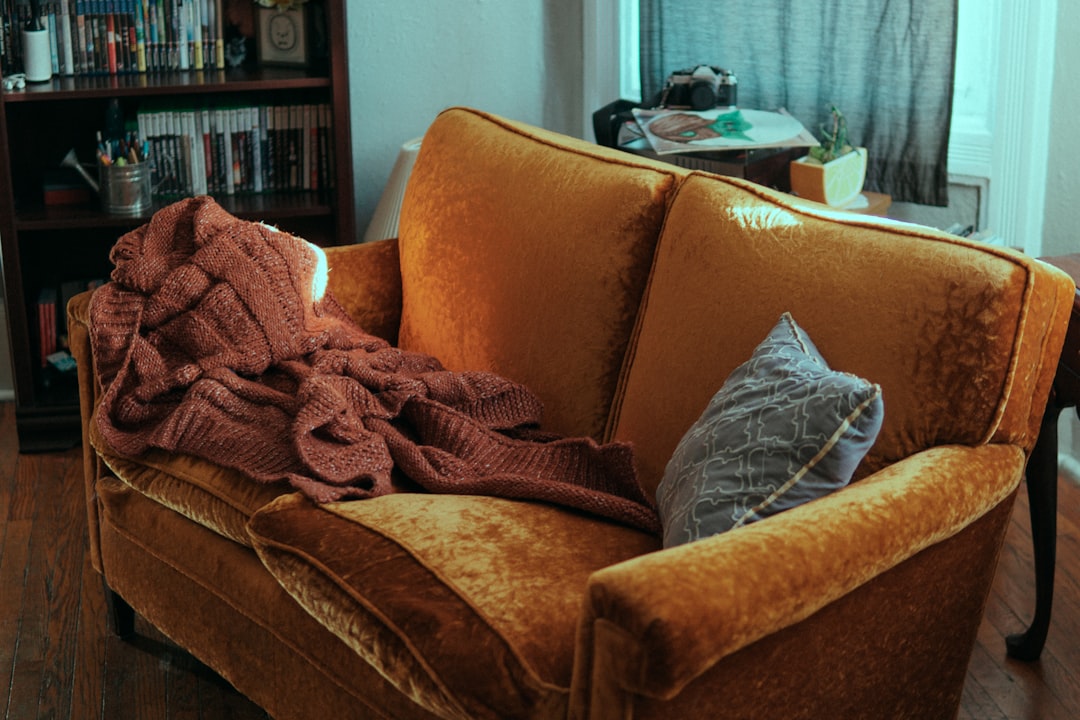
If you ask a Dutch person to define “gezellig” in English, you’ll watch them pause, search for words, and eventually say something like “cozy… but also social… kind of warm and convivial…” then give up and say, “You just have to feel it.”
This linguistic surrender captures something essential about Dutch culture. Gezelligheid isn’t just a concept; it’s a value, a lifestyle, and possibly the most important word in the Dutch language that most English speakers have never heard of.
What Exactly Is Gezelligheid?
Gezelligheid (pronounced “hey-ZEL-likh-hide” — yes, Dutch pronunciation is a challenge) is often translated as “coziness,” but that’s incomplete. It’s cozy and social. It’s warm and fun. It’s intimate but inclusive. It’s the opposite of loneliness. It’s what happens when the right people gather in the right setting with the right mood.
A gezellig moment might be:
- Five friends in a brown café, nursing drinks, talking for hours while rain patters against the windows
- A family dinner with good bread, cheese, wine, and conversation
- A street market on a Saturday morning where strangers chat while buying flowers
- A group cycling through the countryside on a sunny afternoon, stopping at a village café
- An unexpected gathering of neighbors on a stoop, watching the sunset
What isn’t gezellig:
The key difference between gezelligheid and mere “fun” is that gezelligheid requires presence, attention, and genuine connection. It’s the opposite of superficial. You can’t force it. You have to create the conditions for it to happen, then let it unfold.
The Bruine Kroeg: Where Gezelligheid Lives
If gezelligheid has a spiritual home, it’s the brown café — the bruine kroeg.
These establishments are found on nearly every Dutch street corner, particularly in cities. They’re called “brown” because of their dark wood interiors, stained from decades (sometimes centuries) of cigarette smoke. Many have visible wooden beams, dim lighting, mismatched furniture, and walls decorated with old photographs, local art, or vintage advertisements.
A bruine kroeg is not a club. It’s not trying to be trendy. It doesn’t have a dress code. Many don’t even have a full kitchen. What they have is atmosphere, regulars, and a deep understanding of how to create space for gezelligheid.
Here’s what you experience in a good bruine kroeg:
The bartender knows regular customers by name — often by their drink order alone. A regular walks in and the bartender is already pouring their usual without a word.
Nobody’s checking their phone constantly — the pace is slow. Conversations matter. A two-hour sitting for two glasses of wine is normal and encouraged.
The mix of people is random and intentional — students sit next to retirees. Local artists next to construction workers. Tourists next to longtime residents. But there’s an understood respect for the space and others in it.
Candles burn on every table — not for romance or decoration, but because soft lighting makes the space feel more intimate and inviting.
There’s often a cozy clutter — board games stacked on shelves, books to read, newspapers to browse. The message is clear: stay as long as you like, make yourself comfortable.
The drinks menu is simple — Dutch beer (Heineken, Amstel, local varieties), wine, coffee, sometimes liqueur. Nobody’s ordering elaborate cocktails. That’s not the point.
You’ll hear Dutch, but also feel welcome — locals might be speaking Dutch, but good bruine kroegs are genuinely welcoming to visitors. Many tourists find that a friendly question (“Is this your first time here?”) opens doors to conversation.
Walking into a bruine kroeg for the first time, you might think it’s just a bar. But stay for an hour, order a drink, smile at the person next to you, and you’ll feel what gezelligheid actually means. It’s hospitality without performance, warmth without sentimentality, and togetherness without forced cheerfulness.
The Birthday Circle: Gezelligheid in Ritual
Nowhere is gezelligheid more visible than in how the Dutch celebrate birthdays.
In many cultures, a birthday is about the birthday person. Gifts are given to them. Songs are sung to them. Everyone focuses on them. The Dutch do something different.
When someone has a birthday in a Dutch office, school, or gathering, a circle is formed. The birthday person sits down, and then — this is the key part — everyone else sits in a circle around them. One by one, people congratulate not just the birthday person, but also the people sitting next to them. It’s called the verjaardag kring (birthday circle), and it transforms a personal celebration into a communal moment.
This ritual embodies gezelligheid perfectly. It’s not about making one person the center of attention (though they are there). It’s about using the occasion to acknowledge connection in all directions. It says: you matter, and so does your relationship with everyone here.
At Dutch birthday parties, you’ll also find:
A cake tradition — often the birthday person brings the cake to share. This isn’t unique to the Dutch, but the Dutch do it with a particular emphasis on sharing and togetherness.
Long gatherings — Dutch birthday parties often run for hours. People arrive, have coffee and cake, then might transition to drinks and snacks, with conversations shifting and deepening as the evening goes on.
Conversation as the main event — Dutch parties aren’t usually structured around games or entertainment (unless it’s a special theme). People just… talk. They linger. This is gezelligheid in action.
The Role of Candlelight, Weather, and Interior Design
Gezelligheid doesn’t happen by accident. The Dutch have engineered their surroundings to invite it.
Candles everywhere — Step into almost any Dutch home, restaurant, or café, and you’ll see lit candles. Not just for special occasions; candlelight is standard. It softens the space, makes it feel more intimate, and creates what the Dutch might describe as a “warm” feeling that harsh electric light cannot achieve.
Dark winters drive indoor culture — The Netherlands experiences long, dark winters with only about 8 hours of daylight in December. This has shaped a cultural emphasis on interior coziness. While summer brings outdoor gatherings, much of Dutch social life happens indoors, gathered around tables in warm, candlelit rooms.
Design that invites lingering — Dutch homes and cafés are designed to make people want to stay. Comfortable seating. Good books and games within reach. Soft lighting. The message is: this is a space where you belong, and there’s no rush.
Weather as conversation — The Dutch talk about the weather constantly, but not complaining. They’re observing it, noting how it changes the mood. A rainy afternoon becomes an opportunity for gezelligheid — a perfect reason to gather inside. A rare sunny day invites spontaneous outdoor gatherings.
Gezelligheid vs. Hygge: The Scandinavian Comparison
Many English speakers have heard of “hygge” (the Danish concept of coziness). When introduced to gezelligheid, the first question is often: “Aren’t they the same thing?”
The answer is both yes and no.
Hygge is often understood as cozy solitude or intimate small groups. It’s you, a blanket, hot chocolate, and a book. It’s a personal, inward-facing comfort. Hygge can be completely alone.
Gezelligheid is more explicitly social. It’s hard to experience gezelligheid alone. It requires togetherness. Where hygge is about personal comfort, gezelligheid is about connection. Hygge is introspective; gezelligheid is outward-facing.
You might experience hygge curled up alone on a couch. You’d never describe that as gezellig. But a room full of people having a warm conversation while it rains outside? That’s gezelligheid.
That said, both values are present in Dutch and Scandinavian cultures, and both involve creating warm, intimate spaces. The difference is more about emphasis: hygge leans solitary and introspective; gezelligheid leans communal and connective.
Finding Gezelligheid as a Visitor
You can’t force gezelligheid, and you can’t schedule it. But you can create conditions for it to happen.
Visit a bruine kroeg on a weekday evening — go alone or with a travel companion, order a drink, and sit. Smile at people around you. If someone starts a conversation, engage genuinely. This is where travelers most commonly stumble into authentic gezelligheid.
Join a local group activity — many Dutch towns have cycling clubs, book clubs, or regular café gatherings. A few hours before closing at a café (say, 8-10 PM), the atmosphere often peaks.
Accept social invitations — if a local invites you to dinner or to meet friends, say yes. Dutch hospitality is genuine, and gezelligheid happens most naturally with locals who understand it instinctively.
Slow down — gezelligheid requires time. Don’t try to do it in 20 minutes. Plan to spend at least an hour in one place.
Go during less touristy times — touristy bars often feel forced. Neighborhood cafés that locals actually frequent will feel more authentic.
Embrace small imperfections — gezelligheid doesn’t happen in places trying too hard. Look for cafés that feel slightly worn, a bit cluttered, authentically lived-in.
Bring genuine interest — the Dutch will share gezelligheid with people who are genuinely interested in connection, not just experiences or Instagram moments.
The Deeper Meaning
Gezelligheid reflects something fundamental about Dutch values: equality, inclusion, and the importance of human connection. There’s no hierarchy in gezelligheid. A wealthy person and a student can experience it together equally. A native and a foreigner can sit in the same gezellig moment.
It’s also deeply practical. In a flat country prone to flooding and difficult weather, communities rely on cooperation and social bonds. Gezelligheid isn’t sentimental; it’s the social glue that holds society together. When you’re facing shared challenges, you need to know you belong to a community.
For visitors, understanding gezelligheid is understanding the Dutch soul. It explains why they invest in outdoor café seating even in the rain, why they value long conversations over fast transactions, and why a simple evening in a brown café with strangers can feel like the highlight of your trip.
The goal isn’t to achieve gezelligheid or to force it. The goal is to be present, open, and willing to linger. The rest will follow. That’s how gezelligheid works — not through ambition, but through showing up and letting connection happen naturally.
Welcome to the warmest concept you’ve never heard of.




Leave a Reply