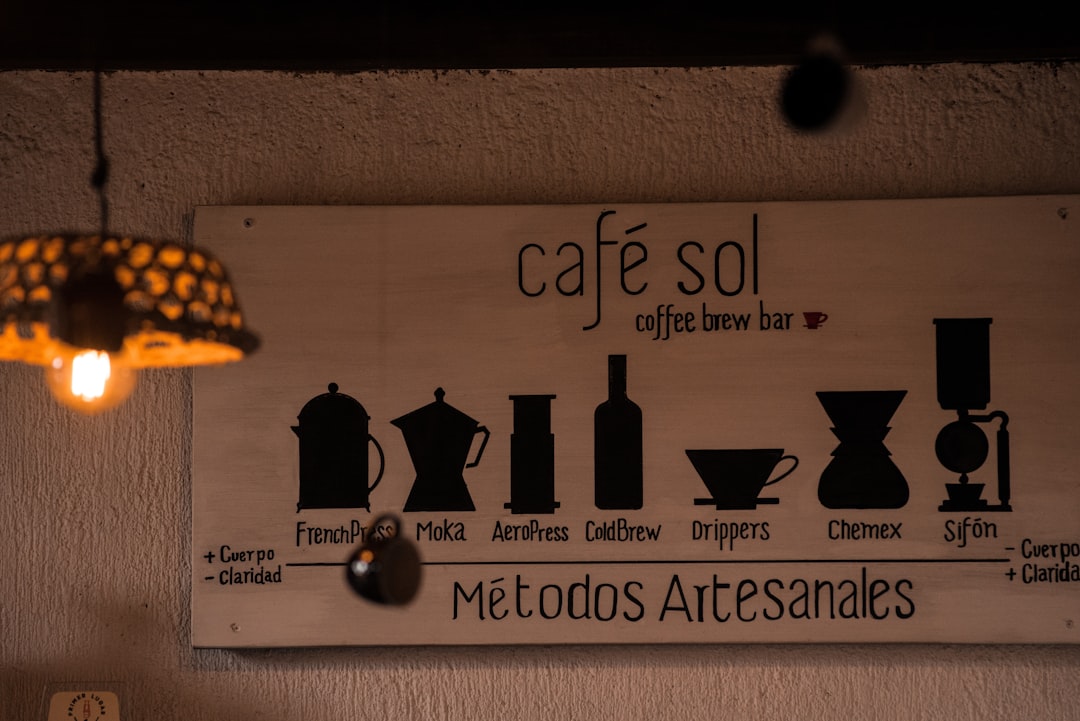
There’s a specific sound that defines the Greek kafeneio (traditional coffee house): it’s the sound of backgammon pieces hitting a wooden board, rapid-fire and rhythmic, punctuated by men shouting commentary, laughter, or mock outrage at the game. Underneath this is the clink of small coffee cups being set down, the scrape of chairs, the murmur of conversation—serious conversation, heated debate, storytelling. It’s 11 AM on a weekday, but the kafeneio is full. Outside, people are working. Inside the kafeneio, people are living.
The kafeneio is one of the most important institutions in Greek culture, and it’s nearly impossible to understand Greece without understanding the kafeneio. And you cannot understand the kafeneio without understanding Greek coffee—the ritual of it, the preparation, the social meaning.
The Greek Coffee Ritual
Greek coffee is not just coffee. It’s a ceremony. The preparation is visible, intentional, and deeply ritualized.
The tool is called a briki—a small metal pot, usually with a long handle, specifically designed for making Greek coffee. You’ll see these in homes, in kafeneia, at tourist stops. They’re ubiquitous. The process goes like this:
- You measure water (usually one small cup per person) into the briki.
- You add finely ground coffee (the grind is crucial—much finer than espresso, almost powder-like).
- You add sugar if desired (this is ordered at the beginning, not added after).
- You stir this mixture together on the stovetop over low-to-medium heat.
- As the coffee heats, a foam forms on top—this is called kaimaki, and it’s critical. The kaimaki is everything.
- When the foam rises toward the top (just before it boils), you remove it from heat and pour some of the foam into each waiting cup.
- You return it to heat and let it rise again.
- When it rises a second time, you pour the coffee carefully into cups, distributing the foam evenly.
The result: a small cup of intensely strong coffee topped with thick foam. The grounds settle at the bottom. You drink around them (or accept them in your final sips). It’s bitter, it’s strong, it’s aromatic, it’s absolutely not what someone expecting a mild coffee in a large cup will want.
Sugar Levels: Order Wrong and You Suffer
When you order Greek coffee, you must specify the sugar level. There’s no “I’ll decide when I taste it.” You order at the beginning, and the sugar goes in during the preparation. The three main levels are:
Sketo: No sugar. This is for purists. Sketo coffee is assertively bitter.
Metrio: Medium sugar. This is the most common order. It balances the bitterness of the coffee.
Glyko: Sweet. This is very sweet, almost syrupy. Older Greeks often prefer glyko. Young people often think it’s too sweet.
There are also variations like “metrio-glyko” (between medium and sweet) but the three main levels are the standard.
The critical thing: if you order sketo and you don’t like it, there’s no remedy. You’ve ordered bitter coffee and you’re getting bitter coffee. If you’re unsure, order metrio. It’s the safe choice.
The Kaimaki: Why It Matters
The kaimaki—the foam on top—is not a garnish. It’s not incidental. It’s the point. A proper Greek coffee is known by its kaimaki. If there’s no foam, it’s not proper Greek coffee. If the foam is thin and meager, the coffee is considered poorly made.
The kaimaki is what separates Greek coffee from other strong coffees. It’s the visual marker of quality. When you’re served Greek coffee, you look at the kaimaki first. If it’s thick and creamy, you know someone cared about making it right.
The foam contains flavor compounds that aren’t present in the liquid itself. It’s more aromatic, more complex. The combination of sipping the liquid and tasting the foam is what makes the experience complete.
Tasseography: Reading Your Future in the Grounds
After drinking Greek coffee, the grounds settle at the bottom of the cup. There’s a tradition—less common now, but still practiced by many Greeks—of reading the grounds. This is called tasseography, and it’s sometimes called “coffee fortune telling.”
The process: after finishing your coffee, you place your saucer on top of the cup, make a wish, and invert the cup onto the saucer. As it cools, the grounds leave patterns on the inside of the cup and on the saucer. These patterns are interpreted to reveal the future or answer questions about love, money, health, etc.
Is it real? Does it work? That’s not the point. The point is that it’s a cultural practice, a way of extending the coffee ritual, a moment of possibility and imagination. Many Greeks, even skeptics, participate in ground reading as a bit of fun.
If you’re having coffee with Greeks and someone offers to read your grounds, accept. It’s a nice moment of connection and tradition.
The Kafeneio: Institution
The kafeneio is a specific type of establishment. It’s not a café. It’s not a coffee shop. It’s a kafeneio, and the distinction matters.
A kafeneio is:
- Traditionally a male space (though this is changing)
- Decorated simply, often with just tables and chairs
- Having a counter where you order and pay
- Often dark inside (coffee houses are not bright and modern)
- Filled with regular customers who come daily
- Equipped with backgammon boards, dominoes, and sometimes a TV
- Serving Greek coffee primarily, plus ouzo, raki, tea, and maybe a few snacks
- Operating primarily for social purposes, not food service (though there’s always something to snack on)
A kafeneio is where Greek men (traditionally) spend their time. You might go there every morning at 10 AM and be the coffee that starts your day. You might go there on a Sunday afternoon and play backgammon with friends you’ve known for 40 years. You might go there to read the newspaper and be left completely alone, which is also fine. You might go there to argue about politics or football, and your argument is welcome and expected.
The kafeneio is democracy in its purest form. Everyone has a voice. Everyone’s opinion matters. There’s no hierarchy. A laborer’s opinion about politics carries the same weight as a retired professor’s.
The pace is slow. You order your coffee. It takes time to make. You sit. You drink. You stay. There’s no rush. Nobody is timing you. Nobody wants you to leave so someone else can use your table. This is a fundamental difference from modern cafés, where the goal is table turnover.
The Slow Coffee Revolution: Freddo and Modern Cafés
That said, Greek coffee culture is changing. The younger generation is increasingly drinking freddo espresso—a cold espresso poured over ice—instead of traditional Greek coffee. The freddo is faster to make, it’s less intense, and it fits the modern pace better.
Freddo espresso has become hugely popular in Greece over the last 15 years. It’s what young people drink. It’s modern without being un-Greek (it’s still made locally, it’s still consumed slowly, but with less ritual).
There are also modern cafés (not kafeneia) that serve international-style coffees: cappuccino, latte, cortado, etc. These are popular in cities and among younger Greeks.
This creates an interesting generational divide: older Greeks prefer traditional Greek coffee in a kafeneio. Younger Greeks are more likely to drink freddo or modern espresso drinks in a modern café. But the kafeneio tradition persists. It’s not disappearing; it’s evolving.
The Komboloi: Worry Beads
You’ll often see Greeks sitting with a string of beads in their hands. These are komboloi (worry beads). They’re not religious prayer beads (though they have a distant historical connection to Byzantine worry beads), they’re just something to fidget with.
The komboloi is used by rolling the beads across your fingers, flicking them, creating rhythms. It’s meditative, it’s habitual, it’s a way of keeping your hands occupied while you sit and think or talk.
At a kafeneio, a man might play backgammon with one hand and fidget with komboloi beads with the other. It’s a very Greek gesture. If you see them in shops, they’re not just tourist trinkets—they’re actually used.
Sitting in a Chair All Day: A Philosophy
This is maybe the most important thing to understand about Greek coffee culture: sitting in a chair for hours is not wasting time. It’s not laziness. It’s not unproductive.
In Greek culture (particularly traditional male culture), sitting at a kafeneio for four hours with the same people, drinking three coffees, playing backgammon, talking about life—this is productive. This is community maintenance. This is how friendships are sustained, how knowledge is shared, how society functions.
For a visitor used to Western productivity culture (constant work, constant movement, constant stimulation), this can seem inefficient or boring. But the Greeks understand something important: the value of presence, of time together, of not needing to “accomplish” anything except being together.
This is worth adopting, at least temporarily. Sit at a kafeneio. Order coffee. Let it arrive slowly. Sip it slowly. Watch the backgammon game. Listen to the conversation. Understand that you’re participating in a cultural practice that’s thousands of years old (coffeehouses started in the Ottoman period, but the sitting and socializing practices go back to ancient Greece).
Where to Find Authentic Kafeneia
Authentic kafeneia are in residential neighborhoods, not tourist areas. They’re marked by the clientele: mostly men, usually older, clearly regulars. The interior is simple. There’s no attempt to be charming or cute.
In Athens: Neighborhoods like Exarcheia, Psyrri, and Monastiraki have kafeneia. The tourist kafeneia in Plaka are cafés pretending to be kafeneia.
On the islands: In the main town of any island, there will be traditional kafeneia in the central square. These are where locals actually sit, not tourist tavernas.
On the mainland: Every small town has at least one kafeneio. In larger cities, there are neighborhoods with them.
The easiest way to find one: ask a local. Say “pou ine to kafeneio?” (where’s the kafeneio?). They’ll point you to the real one.
The Coffee Etiquette
The Takeaway
Greek coffee and the kafeneio are not just about caffeine. They’re about culture, community, and a completely different relationship to time than most modern Westerners experience. Spending time in a kafeneio, drinking Greek coffee slowly, sitting without a purpose, watching life unfold—this is experiencing Greece in a fundamental way.
It’s also the antidote to tourism. It’s the opposite of rushing from sight to sight, checking boxes, maximizing efficiency. The kafeneio says: slow down, sit, stay, listen, participate, be.
This is why the kafeneio matters. It’s a practice in being human in a way that modern life often prohibits.




Leave a Reply