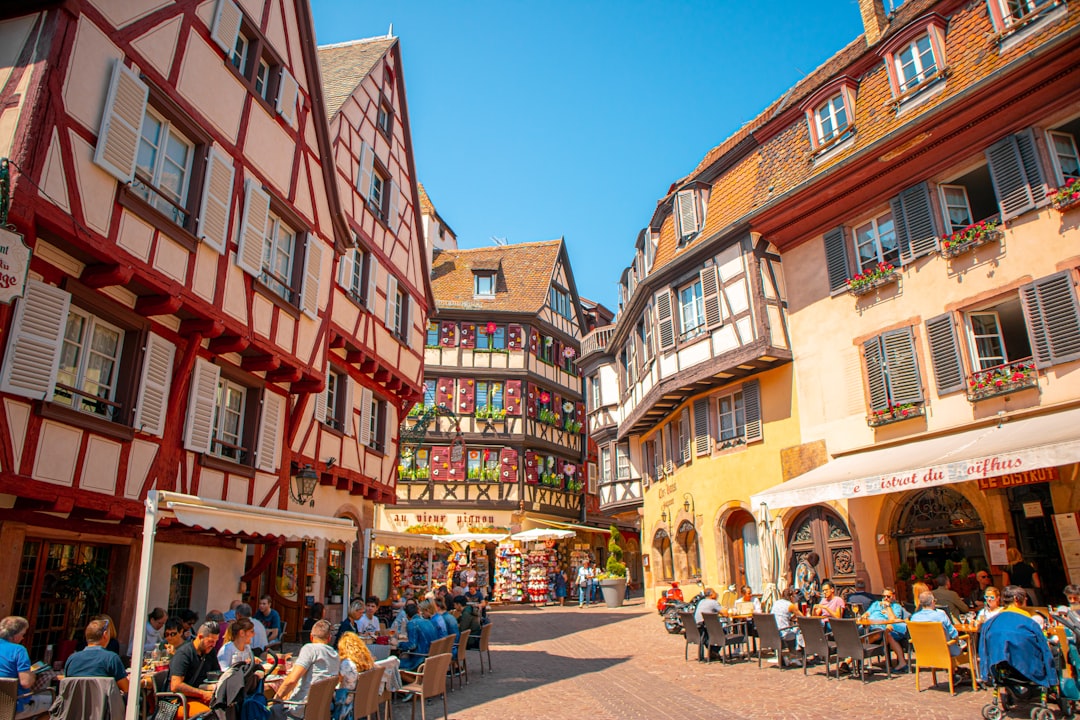
Ridley Scott’s “House of Gucci” (2021) is fundamentally a film about luxury, style, and the chaos that occurs when artistic vision collides with business interests and family dysfunction. The film’s visual language emphasizes this through locations that represent different facets of Italian glamour: Lake Como’s old-money elegance, Milan’s fashion industry sophistication, and the Italian Alps’ luxury resort culture.
The film, based on Sara Gay Forden’s book documenting the Gucci dynasty’s internal wars, uses location as a character. Different regions of Italy represent different aspects of the fashion world and the family’s fractured identity. Lake Como embodies inherited privilege. Milan represents contemporary fashion industry power. The ski slopes suggest escapism and the illusion of control.
Lake Como: Old Money and Villa Elegance
Lake Como, in northern Italy near the Swiss border, represents ultimate Northern European-style glamour. The lake’s shore is lined with Belle Époque villas, luxury resorts, and the holiday homes of wealthy international families. Como evokes inherited wealth, tradition, and a particular kind of refined elegance that differs from the sensuality of Southern Italy.
“House of Gucci” filmed extensively at Villa Balbiano on Lake Como’s eastern shore. This 15th-century villa, owned by wealthy residents, served as a primary location for scenes depicting the Gucci family’s luxury existence. The villa represents precisely the kind of generational wealth that the film explores—architecture that has housed privilege for centuries, maintained and updated for successive wealthy generations.
Villa Balbiano itself is not open for general tourism. However, you can view it from the lake via boat, see it from across the water, or photograph it from public areas. The villa’s position—on a promontory with water views and surrounding formal gardens—makes it visually distinctive.
Viewing Villa Balbiano: Lake Como is easily accessible from Milan (about 90 minutes by train or car). The town of Como sits at the lake’s southern tip; towns like Bellagio and Menaggio provide central access. Public ferries operate across the lake. The eastern shore (where Villa Balbiano sits) is less touristy than the western shore.
Stay in Como or a smaller lakeside town for 1-2 days. Take the public ferry to cruise the lake and view villas from the water. The journey itself is pleasurable; the houses slowly reveal themselves against the mountainous backdrop. Photography from the ferry is straightforward.
The lake region is expensive but offers a contrast to Southern Italian tourism. While Southern Italy feels bohemian and sensual, Lake Como epitomizes refined, traditional wealth. The difference matters for understanding the film’s geography.
Milan: The Fashion Industry Nexus
While Lake Como represents inherited privilege, Milan represents contemporary power. The city is Italy’s fashion capital, home to the headquarters of Gucci, Prada, Versace, and innumerable luxury brands. Milan’s architecture reflects this: mix of Renaissance and medieval buildings alongside sleek modern structures, boutiques and flagship stores occupying ground floors, design schools and fashion institutes operating throughout the city.
Gucci’s actual headquarters in Milan appears in the film, as do Via Montenapoleone (one of the world’s most expensive shopping streets) and the Galleria Vittorio Emanuele II (a magnificent 19th-century shopping arcade that serves as a symbol of Milan’s commercial power).
Via Montenapoleone is where luxury is most visibly concentrated. Walking this short street, you pass flagship stores for every major luxury brand. The experience is simultaneously beautiful (the historic buildings that house these stores are architecturally impressive) and surreal (the concentration of wealth is almost abstract in scale).
The Galleria, one of Europe’s oldest shopping malls, opened in 1865 and contains a mix of luxury retailers and traditional Italian cafes. It’s both tourist attraction and actual functioning shopping space. Walking through, you see tourists alongside Milanese residents conducting ordinary business among extraordinary architecture.
Milan Visiting: The city is well-served by transportation (flights, trains). Stay 2-3 days. The fashion district is concentrated in the area around Via Montenapoleone. Walking tours focusing on fashion history are available through various companies.
Visit Giardini Pubblici (Public Gardens) for quieter green space. The Brera neighborhood (northwest of fashion district) is more residential and artsy, offering respite from commercial intensity. The Ambrosiana art gallery contains Renaissance masterpieces worth visiting for intellectual content beyond fashion tourism.
Eat at traditional Milanese restaurants away from major tourist streets. Polenta, risotto, and ossobuco are traditional Milanese dishes. The city’s cafe culture is more coffee-focused than Southern Italy (espresso rather than long cappuccinos).
Gressoney: Alpine Luxury and Danger
The ski resort of Gressoney in the Italian Alps serves as location for scenes depicting wealth and frivolity offset against natural danger. The film uses the Alpine setting to suggest that the family’s glamorous existence exists against precarious foundations—beautiful vistas that obscure genuine danger.
Gressoney is a legitimate ski resort popular with wealthy Italians and international visitors. The town sits in the shadow of Monte Rosa (4,634m), the highest peak in the Alps. Winter transforms it into a skiing destination; summer becomes hiking and mountaineering territory.
The film’s choice to include Alpine scenes (rather than filming exclusively at glamorous lowland locations) introduces visual and thematic contrast. The Alps are genuinely dangerous; avalanches, mountaineering accidents, and weather extremes are real threats. The film suggests that the Gucci family’s dramatic accidents and deaths operate with similar inevitability.
Gressoney Access: Located in the Aosta Valley in northwestern Italy, near the Swiss border. Accessible by train from Turin or Milan (connections through Ivrea). The town is small; most accommodation and dining is straightforward. Expect €70-150 per night for decent lodging.
Hiking opportunities abound in summer. Cable cars provide access to higher elevations for non-hikers. The mountain scenery is genuinely spectacular—vast views of Alpine peaks, pristine wilderness, clear air. This beauty is genuine but never entirely divorced from awareness of the mountains’ danger.
Rome: History and Cultural Capital
While Lake Como and Milan dominate “House of Gucci,” Rome appears in scenes establishing the family’s Italian roots and cultural context. Rome is where history is visible, where two millennia of civilization create visual and psychological complexity.
The film uses Rome somewhat abstractly—not as specific locations demanding pilgrimage, but as atmosphere. Rome’s presence grounds the fashion world in Italian history, suggesting that even contemporary luxury operates within civilizations’ long continuities.
Visiting Rome after watching “House of Gucci” means seeing the city as context for Italy’s identity. The Colosseum, Pantheon, and other monuments represent Italy’s ancient authority. The Renaissance architecture and art represent cultural wealth beyond contemporary fashion. Rome is reminder that even Gucci, powerful as it is, operates within histories vastly larger than itself.
Lake Como and Adjacent Film History
“House of Gucci” is not the first film to exploit Lake Como’s glamorous possibilities. The lake has featured in numerous films:
- “Casino Royale” (2006) features elaborate action sequences on the lake
- “Star Wars: Episode II – Attack of the Clones” (2002) filmed at Villa Balbiano and Villa del Balbianello
- “A Farewell to Arms” (1957) includes Lake Como scenes
- “Ocean’s 12” (2004) features scenes around Como
Lake Como’s appearance in multiple major films reflects its genuine visual appeal and its representation of a particular kind of wealth and elegance that Hollywood repeatedly seeks. The lake is worth visiting beyond any single film’s locations.
Planning a House of Gucci Italian Journey
5-7 Day Itinerary:
Days 1-2: Milan
Arrive in Milan, explore the fashion district, walk Via Montenapoleone, visit the Galleria Vittorio Emanuele II and Duomo (cathedral). Eat at traditional Milanese restaurants. Visit the Ambrosiana for art collection.
Days 3-4: Lake Como
Train from Milan to Como (90 minutes). Stay in Como, Bellagio, or Menaggio. Take public ferry to view villas including Villa Balbiano. Spend morning or afternoon on the lake. Explore lakeside towns on foot.
Optional Day 5: Gressoney
Drive or train to the Alpine resort town. Spend day hiking or simply experiencing the mountain setting. Overnight or drive back to Como region.
Days 5-7: Back to Milan or Alternative Destination
Drive or train back to Milan for departure, or continue to other Italian destinations.
Fashion Tourism and Authenticity
“House of Gucci” depicts the fashion industry as complicated, morally ambiguous, and fundamentally driven by ego and family drama. The film doesn’t present fashion as redemptive or simple. This complication is useful when visiting fashion locations.
Yes, Milan’s fashion district is beautiful. The Galleria is a masterpiece. Via Montenapoleone showcases refined aesthetics. But the film reminds viewers that fashion operates through marketing, artificial scarcity, and regular reinvention of what’s valuable. The industry creates desire and defines “luxury” through commercial mechanisms rather than inherent qualities.
Visiting Milan’s fashion sites is worthwhile, but worthwhile while maintaining critical distance. Appreciate the architecture, the aesthetic craft, the commercial sophistication. But recognize that these locations represent human ingenuity in service of luxury goods, not objective truth about value.
Practical Essentials
Best Season: May-June or September-October. Summer is crowded in Lake Como; winter is rainy.
Transportation: Lake Como is accessible from Milan. Rent a car for flexibility, or use trains and public ferries (slower but scenic and less stressful).
Budget: Milan accommodations €70-150 per night. Lake Como €80-200+ (can be expensive). Meals €15-40 depending on restaurant category. The region is upscale.
Language: English widely spoken in tourist areas.
Seeing What Scott Saw
Ridley Scott’s “House of Gucci” is visually stunning—cinematography by Dariusz Wolski creates images of genuine beauty. The choice to film in actual luxury locations (rather than building sets) means you’re seeing the places where the Gucci family actually lived and operated.
This authenticity matters. You’re not visiting a recreation; you’re visiting spaces where history occurred, where wealth accumulated, where family dramas played out. Lake Como’s villas are genuinely historic and genuinely inhabited by wealth. Milan’s fashion industry is genuinely where contemporary Italian luxury power concentrates.
The film reminds viewers that glamour is constructed, that beauty can conceal dysfunction, that tradition and modernity create ongoing tension. But it also celebrates—genuinely celebrates—Italian sophistication, visual refinement, and the industries and histories that created Northern Italian culture.
Visiting these locations means engaging with all these complications: appreciating genuine beauty while remaining aware of the systems that created and maintain it.




Leave a Reply