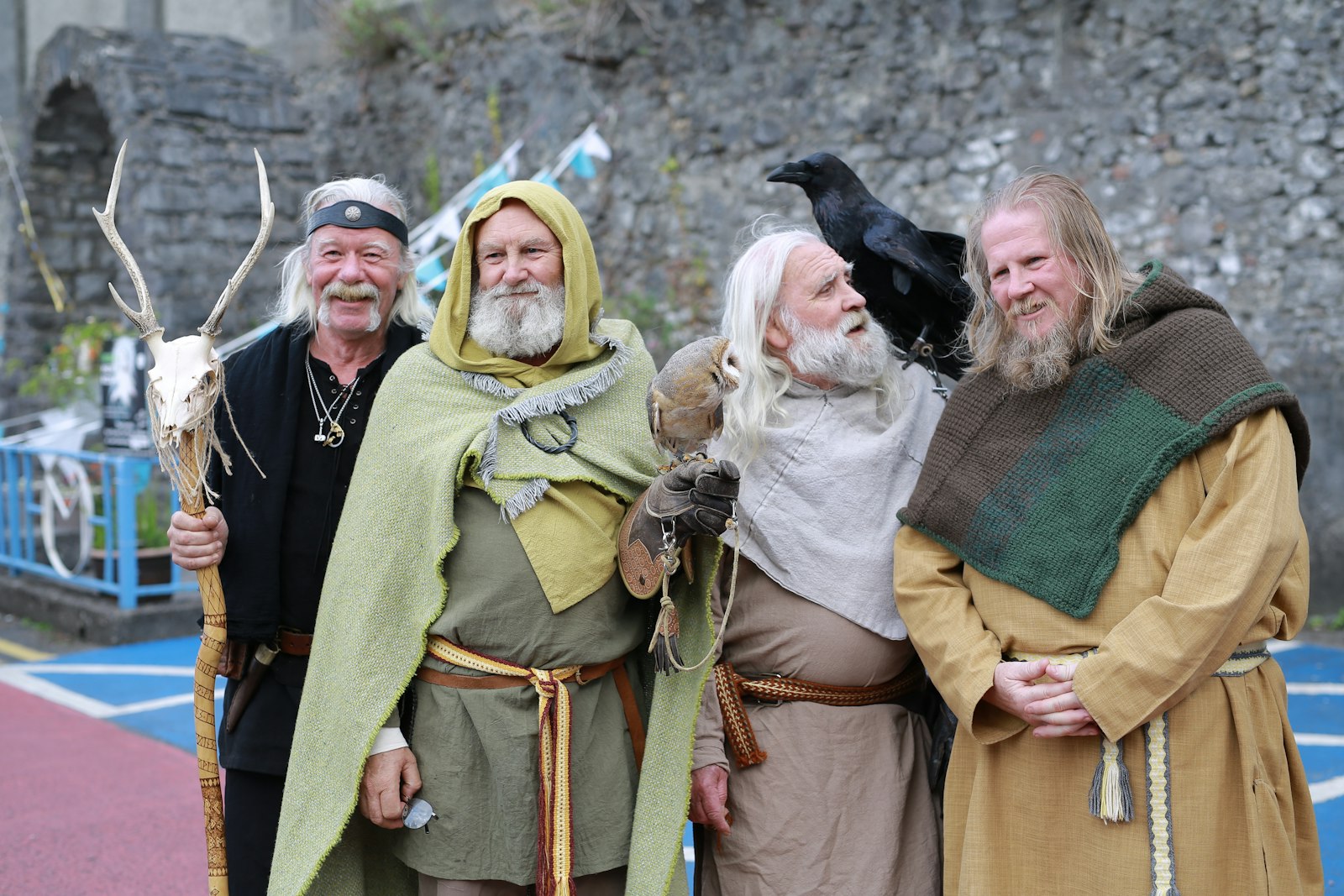
Ireland is a country that loves an excuse to gather, celebrate, and occasionally defy sensibility in the name of tradition and community. The Irish festival calendar is packed with events ranging from the internationally famous to the wonderfully obscure, each one revealing something about Irish culture, history, and the Irish approach to celebration.
St. Patrick’s Day: Not What You Think
This is where we need to start, because what St. Patrick’s Day looks like in America versus Ireland are completely different things.
In America, St. Patrick’s Day has become a beer-fueled party where non-Irish people dress as leprechauns and Irish people perform a kind of theatrical Irishness for entertainment. It’s loud, it’s green (everything is green), and it’s disconnected from anything actually Irish.
In Ireland, St. Patrick’s Day is more complicated. It’s a religious holiday—St. Patrick is Ireland’s patron saint. It’s a cultural holiday celebrating Irish identity. But it’s also been somewhat commercialized. Modern St. Patrick’s Days in Dublin and Cork feature parades, street performances, and tourist crowds similar to what you’d find in Boston or New York.
That said, there are genuine differences. St. Patrick’s Day in Ireland retains spiritual significance. Many people attend mass. There’s a respect for the holiday that’s absent in American celebrations. The street-level culture includes families, not just bars. And while there’s drinking, it’s contextualized within community and tradition, not presented as the sole point.
The best way to experience Irish St. Patrick’s Day is in a smaller town, where local traditions matter more than tourist performance. Or seek out community events, church services, or traditional music sessions—these represent the actual cultural significance of the day.
Galway Arts Festival
Held in July, the Galway Arts Festival is a major cultural event featuring theater, visual art, comedy, music, and literature. The festival completely takes over Galway, closing streets, filling venues, and creating an atmosphere of creative intensity.
It’s not specifically Irish—you’ll see international artists and experimental work that has nothing to do with Irish culture. But the festival showcases Irish creativity and provides a window into contemporary Irish arts and culture. It’s vibrant, energetic, and worth experiencing if you’re in Galway in July.
Electric Picnic
Electric Picnic (held in September near Laois) is Ireland’s premier music and arts festival. It features hundreds of musical acts across all genres—traditional, electronic, hip-hop, folk, indie rock, everything. There are art installations, theater, comedy, and more.
It’s wildly popular and genuinely excellent. The festival takes a young, eclectic, creative approach to Irish culture—not heritage tourism, but living, contemporary culture. If you want to experience modern Irish youth culture and international acts in an Irish setting, Electric Picnic is the place.
Fleadh Cheoil na hÉireann
The Fleadh Cheoil (held in August, rotating between towns) is the World Cup of traditional Irish music. Thousands of musicians gather for multi-day competitions, sessions, and performances. Categories include fiddle, bodhrán, pipes, singing, dancing—every element of traditional culture.
For musicians, it’s the most important competition of the year. For visitors, it’s a chance to experience traditional music at enormous scale, to see competitions, to wander between venues and catch impromptu sessions, to eat traditional food, to breathe traditional culture intensely.
The Fleadh Cheoil is less touristy than some festivals and more focused on authentic cultural preservation and celebration. The town hosting it becomes entirely devoted to music for several days.
Puck Fair
Puck Fair, held in Killorglin (County Kerry) in August, is one of Ireland’s strangest and most beloved festivals. It features a wild goat crowned “King Puck” and displayed on a high platform above the town for three days. The festival includes horse trading, street performances, music, and general revelry.
Puck Fair dates back centuries and represents the kind of wonderfully eccentric tradition Ireland specializes in. It’s not modern or polished—it’s legitimately odd, which makes it authentic. If you appreciate quirky cultural traditions, Puck Fair is worth experiencing.
Bloomsday
Bloomsday (June 16) celebrates James Joyce’s “Ulysses,” which is set on June 16, 1904. Joyceans gather in Dublin to re-enact scenes from the novel, dress in Edwardian clothing, and celebrate Irish literature.
It’s literary, somewhat academic, and very Dublin-focused. If you’re a Joyce enthusiast, it’s essential. If not, it might be too specialized. But it demonstrates the Irish reverence for literature and how deeply certain cultural figures are embedded in Irish identity.
Rose of Tralee
The Rose of Tralee (August) is a beauty pageant with a twist—contestants are women of Irish descent from around the world. It’s been running since 1959 and remains hugely popular in Ireland.
The competition is genuinely unusual in modern context—it’s resolutely traditional and wholesome. The festival includes a parade, street performances, and multiple days of celebrations in the town of Tralee. It’s distinctly Irish in its approach to pageantry—less about glamour, more about community celebration.
Wexford Opera Festival
Held in October, the Wexford Opera Festival is a prestigious classical music event featuring opera performances, concerts, and related cultural programming. It’s not specifically Irish, but it takes place in a historic Irish town and has been running since 1951.
If you appreciate opera and classical music, it’s an excellent event. But if those genres don’t interest you, skip it.
Cork Jazz Festival
The Cork Jazz Festival (October) features international and Irish jazz acts performing across the city. Like Electric Picnic, it’s less specifically Irish and more about contemporary culture. But jazz in Ireland has a genuine following and Irish musicians perform alongside international acts.
Lisdoonvarna Matchmaking Festival
The Lisdoonvarna Matchmaking Festival (September) exists to help single people find partners, a tradition rooted in Ireland’s rural past when young people from isolated communities needed ways to meet potential spouses. Today it’s somewhat touristy but still functional—many people genuinely come hoping to meet someone.
The festival includes dance, music, dating events, and general socializing. It’s charmingly old-fashioned and provides genuine insight into Irish rural traditions and approaches to community and romance.
Halloween in Ireland
Here’s something most Americans don’t know: Halloween is originally Irish. The holiday derives from Samhain, an ancient Irish festival marking the end of harvest season and the transition to winter. The Celts believed Samhain was when the boundary between the living and the dead was particularly thin.
Irish immigrants brought Halloween traditions to America, but America transformed them into something unrecognizable—costumes became about superheroes and pop culture instead of spiritual significance. Trick-or-treating became the focus instead of communal celebration.
In modern Ireland, Halloween is celebrated more like in America, with costumes and parties. But there’s also cultural awareness that it’s an Irish holiday, and some events focus on the ancient Samhain traditions. Various sites hold Samhain celebrations attempting to honor the original traditions.
If you’re in Ireland around Halloween, seek out events focused on Samhain and ancient traditions—these provide genuine cultural insight rather than just costume parties.
Other Notable Festivals
Bealtaine Fire Festival (May) celebrates Beltane, another ancient Irish festival, with outdoor performances and fire.
Gathering Festival (August, Derry) is a contemporary arts festival with historical significance.
All-Ireland Hurling and Football Finals (September) aren’t technically festivals, but they’re massive cultural events worth experiencing.
The Overall Festival Culture
Irish festivals reflect Irish values: community, tradition, creativity, music, storytelling, and the willingness to celebrate. There’s a festival for almost everything—food festivals, literature festivals, traditional music festivals, contemporary arts festivals, even festivals celebrating specific industries or historical events.
The festival calendar is dense and varied. You could spend months in Ireland attending festivals and experiencing something different each time.
For visitors, festivals offer concentrated glimpses into Irish culture. You’ll see traditions preserved and celebrated. You’ll experience Irish creativity and community. You’ll understand how important these gatherings are to Irish identity and social life.
The best approach is to research what festivals overlap with your visit and choose based on your interests. A literature lover should catch Bloomsday or attend during Galway Arts Festival. A musician should aim for Fleadh Cheoil. A general cultural enthusiast should visit during festival season and let discovery guide them.
Ireland’s festivals are where the country shows who it really is—creative, community-oriented, tradition-respecting, and endlessly willing to gather and celebrate. That’s worth experiencing.




Leave a Reply