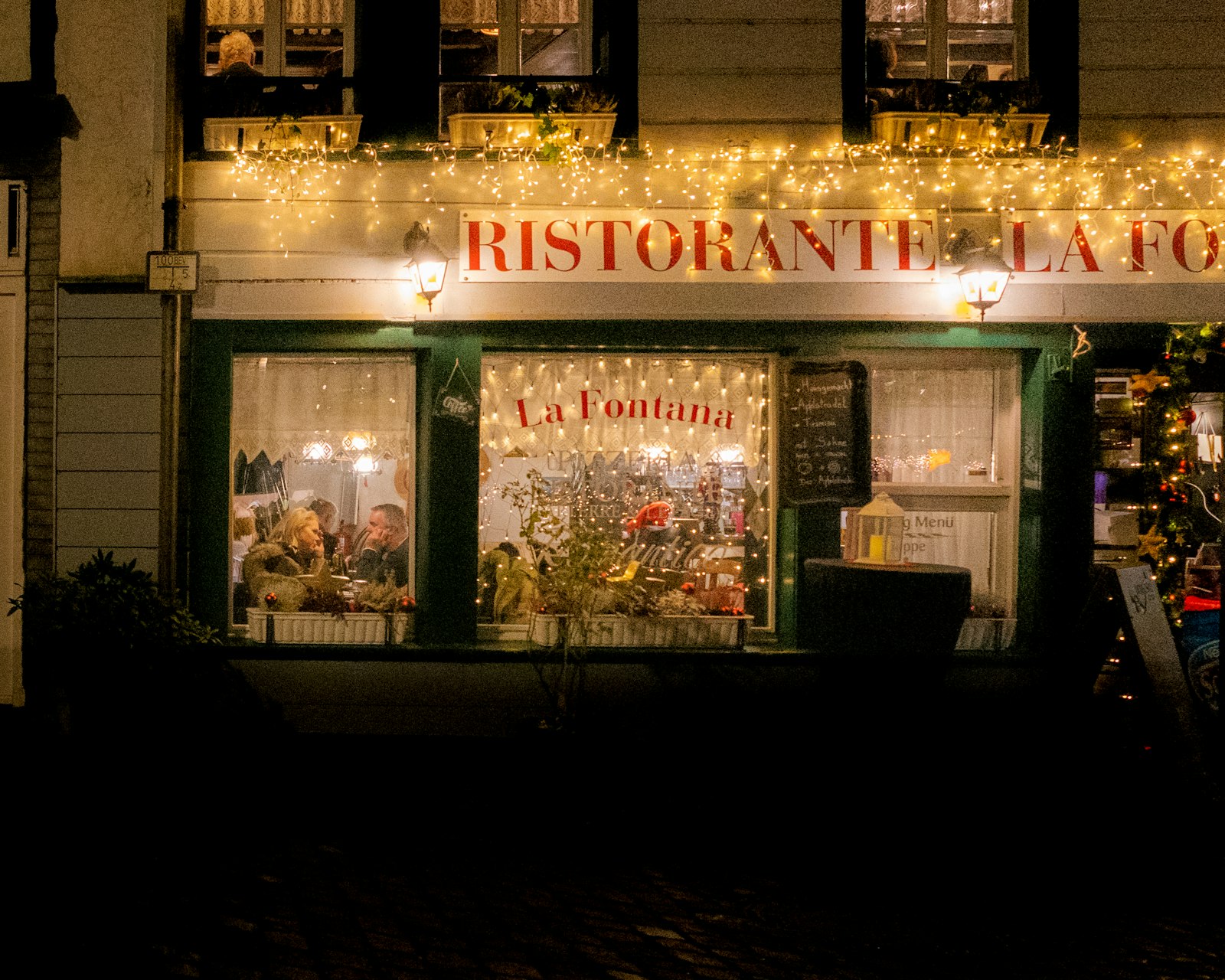
If your only knowledge of Irish food comes from stereotypes—boiled potatoes, mysterious puddings, mystery meat in brown gravy—you’re in for a delightful surprise. The Ireland of 2024 is experiencing a genuine culinary renaissance, driven by extraordinary local ingredients, creative chefs, and a national commitment to celebrating food culture. Modern Irish cuisine is sophisticated, inventive, and absolutely delicious. Let’s explore what’s really on the Irish table.
The Old Stereotypes vs Modern Reality
Yes, potatoes were hugely important to Irish cuisine. During the Great Famine, over-reliance on potatoes proved catastrophic. But Irish food was never only potatoes. The stereotypes persist partly because of how Irish immigrants were portrayed in America—they were poor, they ate humble food, and those stories got locked into cultural memory.
What’s often forgotten is that Ireland has some of the finest ingredients in the world. The coastline produces extraordinary seafood. The land produces beef and lamb that rival anything globally. The dairy industry creates world-class cheese and butter. And the climate supports vegetable and fruit growing that’s increasingly sophisticated.
Modern Irish chefs are reclaiming their own food heritage while pushing it forward. They’re proving that Irish cuisine can be refined, creative, and exciting without abandoning its roots in honest, seasonal, local ingredients.
The Full Irish Breakfast
Let’s start with breakfast because it’s the ultimate Irish food experience. A full Irish breakfast (or “fry”) includes bacon (which is back bacon, not crispy strips), sausages, eggs, black pudding, white pudding, baked beans, grilled tomato, mushrooms, and brown bread or toast. Sometimes hash browns sneak in, which traditionalists resist.
The black pudding and white pudding might sound alarming to American ears. Black pudding contains pork blood and is deeply savory. White pudding is a mixture of meat, fat, and breadcrumbs. Both are delicious if they’re made well. And they’re experiencing a major renaissance among chefs who value nose-to-tail cooking and ingredient respect.
The full Irish breakfast is breakfast as a production. It’s not something you eat quickly. You settle in, order your fry, and spend time over it. It’s the kind of breakfast that sustains you for hours—perfect before a day of hiking or exploring.
Traditional Dishes
Irish Stew is the archetypal Irish comfort food: lamb or mutton, potatoes, onions, and perhaps pearl barley, slow-cooked until everything melds into warming comfort. It’s humble, but when made with good stock and quality ingredients, it’s profound.
Coddle is a Dublin specialty—potatoes, onions, bacon, sausages, all layered together and cooked slowly. It sounds simple. It is simple. But it’s also absolutely satisfying, especially after a night of drinking (which is when it’s traditionally eaten).
Boxty is a pancake-like dish made with grated potato, flour, and eggs, served with various fillings. It’s particularly associated with the midlands but has become popular nationwide.
Soda Bread is the staple bread of Ireland—made with baking soda instead of yeast, quick to prepare, and with a characteristic dense crumb. It’s perfect with butter and jam, or alongside soup or stew.
Black and White Pudding deserve another mention because they’ve become trendy. You’ll find them in modern dishes alongside eggs, or incorporated into creative plates. They represent the ethos of modern Irish cooking: respect the tradition, but reimagine it.
Seafood Excellence
Ireland’s coastline is over 900 miles long, and the seafood is extraordinary. Irish oysters from Galway are world-famous and available at dedicated oyster festivals (particularly in Galway in September). They’re briny, buttery, and best eaten fresh with just a squeeze of lemon.
Smoked salmon is another Irish classic. Unlike some smoked salmon that’s too salty or too smoky, Irish smoked salmon balances delicate flavor with that characteristic pink color. It’s perfect on brown bread with butter.
Seafood chowder appears on nearly every Irish menu, and when it’s good (fresh fish, proper stock, cream, not too thick), it’s outstanding.
Lobster, crab, mussels, and scallops are all available fresh. The west coast particularly is a seafood paradise. If you’re in Galway, don’t miss fish restaurants like Ard Bia or The Quay Street Restaurant.
The Farmhouse Cheese Movement
Ireland has an extraordinary artisanal cheese movement that’s grown massively over the past two decades. Cashel Blue is a creamy blue cheese that’s nothing like overly pungent blue cheeses. Durrus is an Irish Taleggio-style cheese that’s buttery and accessible. Gubbeen is a washed-rind cheese with a distinctive aroma and complex flavor.
Cheese boards in Irish restaurants and pubs are excellent, usually featuring four or five Irish cheeses with good breads and preserves. It’s a wonderful way to taste the diversity of Irish cheesemaking.
Craft Food Culture
Ireland is experiencing an artisanal food renaissance. Small producers are making everything from craft chocolate to specialty jams to innovative condiments. Food markets showcase these producers—you’ll find local honey, preserved vegetables, handmade pasta, and more.
The English Market in Cork (despite its name, a Victorian market built by the English during occupation) is a tourist destination but genuinely worth visiting. It’s a covered market filled with butchers, fishmongers, fruit vendors, bakeries, and takeaway counters. You can build a picnic of extraordinary quality here.
Dublin’s Temple Bar Food Market is more touristy but still good for grabbing lunch or sampling local products.
Small producers are celebrated in Irish culture. If you see something labeled “Irish craft” or “artisan,” it’s usually legitimate and worth trying.
Michelin-Starred Dining
Ireland has excellent fine dining. Dublin has multiple Michelin-starred restaurants. Aniar in Galway focuses on west of Ireland ingredients prepared with sophisticated technique. Myrtle Allen’s Ballymaloe House in Cork is legendary for farm-to-table cooking.
Restaurant Patrick Guilbaud in Dublin has two Michelin stars and serves French-influenced cuisine with Irish ingredients. Eleven Fifty Eight is excellent for contemporary Irish cooking.
The beautiful thing about fine dining in Ireland is that it’s usually not pretentious. Chefs are working with outstanding ingredients and letting those ingredients shine. There’s respect for tradition alongside innovation.
The Slow Food Movement
Ireland embraces the slow food philosophy—appreciation for food traditions, local ingredients, and time spent eating well. You’ll see this in restaurants focusing on seasonal menus, farmers markets, and the celebration of traditional producers.
It’s reflected in how Irish people eat too. A meal is still an event, not something rushed. People linger. They talk. They savor. There’s less of the American “grab and go” mentality, and more of the appreciation that eating is a social, cultural act.
Modern Irish Cuisine Philosophy
Contemporary Irish chefs share certain principles. They value:
Seasonality: What’s available now, not what can be flown in year-round.
Local sourcing: Building relationships with farmers, fishermen, and producers.
Ingredient integrity: Not covering up flavors with heavy sauces.
Technique without excess: Being skilled enough to know when to stop.
Respect for tradition: Understanding where dishes come from before reimagining them.
This represents a real shift in Irish food culture. The goal isn’t to abandon Irish food traditions; it’s to celebrate them, refine them, and prove that they belong in conversation with any world cuisine.
What to Eat and Where
Breakfast: Order the full fry at your hotel or a local café. It’s the complete Irish breakfast experience.
Lunch: Get fish and chips (preferably haddock), or a seafood chowder and brown bread.
Dinner: Try traditional dishes like Irish stew, coddle, or seafood. Or visit a restaurant focusing on modern Irish cuisine.
Pubs: Expect better food than you might think. Many pubs employ proper cooks and serve excellent meals.
Markets: Browse markets for local cheese, bread, preserved goods, and ingredients for picnics.
The Overall Picture
Irish food culture is dynamic, ingredient-focused, and genuinely exciting. The old stereotypes persist mostly because they serve a narrative—the idea of “simple Irish folk eating simple Irish food.”
The reality is more interesting. Irish cuisine is rooted in tradition but not imprisoned by it. It’s celebrated by serious chefs and appreciated by everyday people. It’s worth experiencing not as a novelty or stereotype, but as a genuine culinary tradition that’s evolving in fascinating ways.
When you eat in Ireland, you’re not just getting food. You’re tasting history, geography, seasons, and the care of people who respect their ingredients. That’s what makes Irish food worth discovering.




Leave a Reply