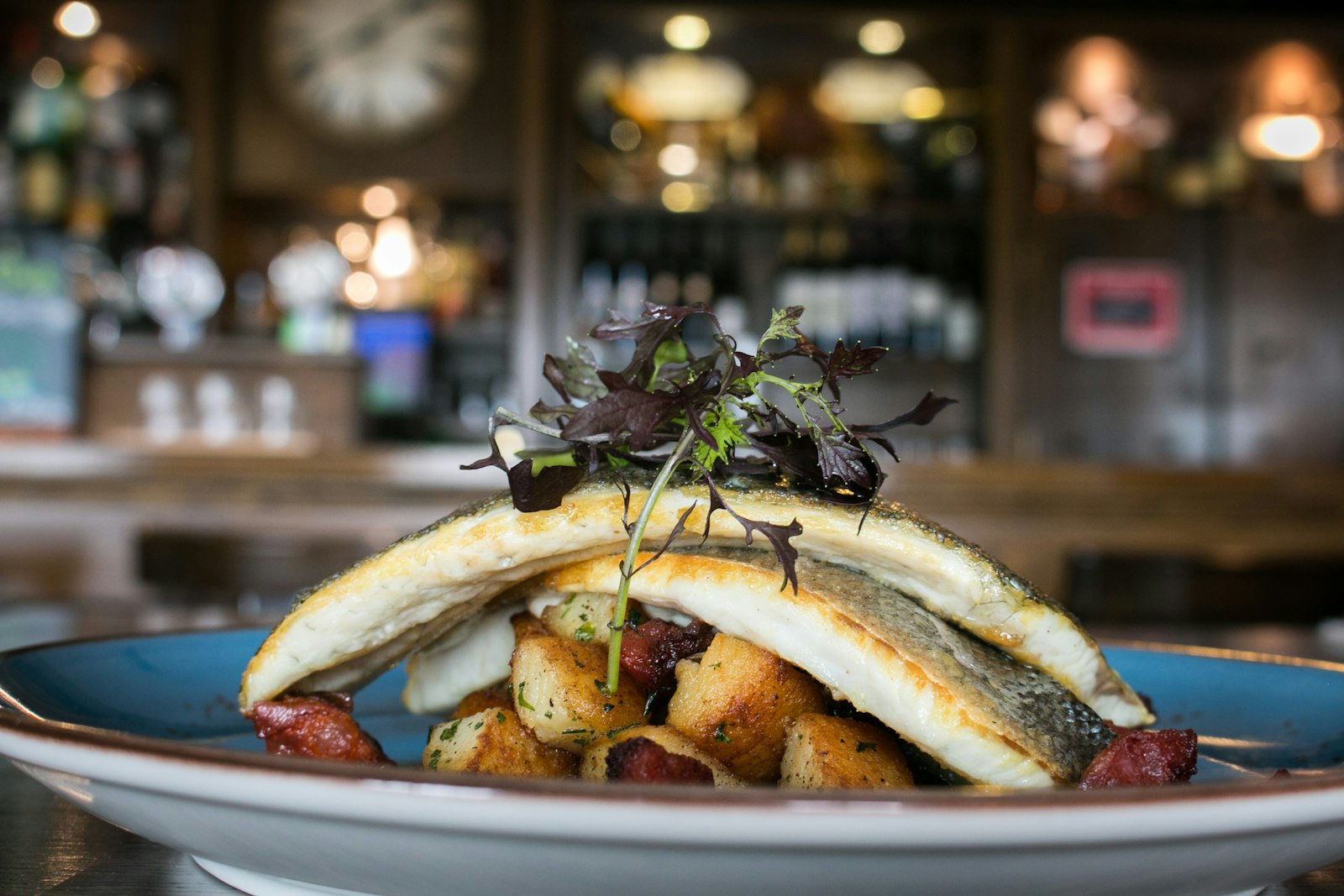
Food and drink are not just sustenance in Ireland—they’re a central part of culture, hospitality, and social bonding. You can’t navigate Ireland without understanding its unique food and drink vocabulary. When someone asks if you want “a naggin,” you need to know what you’re getting into. When a menu says “carvery,” you need to understand what that means. Let’s decode the delicious language of Irish cuisine.
The Full Irish Breakfast
This is the cornerstone of Irish food culture, and it has its own vocabulary:
“A Full Irish” (or “A Fry”)
When someone says “I’m having a fry,” they mean a full Irish breakfast. “Fry” is used because most components are fried.
What’s included:
- Rashers (bacon strips, but thinner than American bacon)
- Sausages (bangers)
- Black pudding (blood sausage—don’t judge until you try it)
- White pudding (pork meat and fat mixed with breadcrumbs)
- Eggs (usually fried)
- Grilled tomatoes
- Mushrooms
- Baked beans (Heinz brand, always)
- Toast or soda bread
- Optional: hash browns (American influence)
Ordering:
Fun fact: “Rashers” confused American tourists endlessly. They’re not the skin condition—they’re bacon. Good bacon, at that.
Individual Components
If you’re not getting the full experience, know the terms:
“A Fry Without the Full Works”
If you want just some components:
Pub Food Terminology
“A Toastie”
This is a grilled sandwich, usually filled with cheese, ham, or both.
Context:
It’s more sophisticated than it sounds and is a pub staple.
“A Carvery”
A carvery is a buffet-style service where you select your meat (usually roast beef, chicken, or ham) and it’s carved fresh for you, then you add potatoes, vegetables, and gravy.
Context:
It’s an excellent budget-friendly lunch option.
“A Chipper”
A fish and chips shop. “Chipper” is the shop itself, and “chips” are French fries.
Context:
American note: “Fish and chips” in Ireland means fish and French fries, not fish with potato chips.
“One and One” or “Fish and Chips”
This is what you order at the chipper:
“A Packet” or “Bag”
What you get your food in:
Traditional Irish Dishes
“Coddle”
A Dublin specialty—a simple stew of sausages, bacon, potatoes, and onions, simmered together.
Context:
“Boxty”
A pancake-like creation made with potato, usually served as a wrap or alongside other dishes. It’s a Northern Irish specialty but found throughout the island.
Context:
“Colcannon”
A dish of mashed potatoes with kale or cabbage, usually served with a well of melted butter on top.
Context:
“Champ”
Mashed potatoes with spring onions and butter.
Context:
It’s simple, comforting, and absolutely delicious.
“Soda Bread”
Traditional Irish bread made with baking soda instead of yeast.
Context:
Soda bread is often served at breakfast or with meals.
“Black Pudding” and “White Pudding”
Mentioned in the breakfast section but important enough to note as standalone dishes.
Context:
“Potato Cakes”
Fried patties made from mashed potato.
Context:
Drink Vocabulary
“A Pint”
The basic unit of beer ordering in Ireland.
Context:
Important: A pint in Ireland is the Imperial pint (20 fluid ounces), not the American pint (16 fluid ounces). Irish pints are bigger.
“A Half” or “A Half Pint”
Exactly what it sounds like—half of a pint.
Context:
It’s useful if you want less beer or want to try multiple types.
“A Pint and a Half”
This is a full pint (20 oz) plus a half pint (10 oz) in separate glasses. Usually shared as a tasting experience.
Context:
“A Naggin”
A small bottle of spirits, usually whiskey. A naggin is 200 milliliters.
Context:
Nagging is much more casual and affordable than buying a full bottle.
“A Shoulder”
A 750ml bottle of spirits (wine bottle sized).
Context:
“Mineral” or “Minerals”
Soft drinks (soda).
Context:
This is distinctly Irish terminology. Americans say “soda” or “soft drink”; Irish people say “minerals.”
“A Dash”
A small splash of soda in a drink, usually whiskey.
Context:
“A Hot Whiskey”
Hot water, whiskey, honey, lemon, and sometimes cloves. It’s the Irish version of a hot toddy.
Context:
It’s particularly popular in winter and after cold outdoor activities like hiking.
“A Stout”
This refers to Guinness or any dark beer of that style.
Context:
Specific Beers
Irish Whiskey Terms
“Sláinte”
The toast. Always said before drinking.
Context:
It means “health” and is the Irish way to say “cheers.”
Pub and Restaurant Phrases
Ordering
Payment
“Rounds” Culture
This is crucial to understand. In Ireland, when you’re in a group, you often buy a “round”—one drink for everyone.
Context:
If you’re out with Irish people and they say “Let me get this round,” they expect you’ll buy the next round. It’s how Irish social drinking works.
Food and Drink Phrases
General
Temperature/Preparation
Dietary
Irish restaurants are becoming more accommodating to dietary restrictions, but rural areas may be less flexible.
Irish Tea Culture
While not food, tea is central to Irish culture and has its own vocabulary:
Pro Tips for Food and Drink in Ireland
- Ask locals for recommendations. Irish people love talking about food and drink.
- Try black pudding. Seriously. Don’t judge until you taste it.
- Embrace the rounds culture. It’s social and fun.
- Get breakfast at local cafes. Better than hotel breakfasts.
- Pubs are for food too. Don’t just think of them as bars.
- Soda bread is everywhere. Try different versions.
- Guinness tastes better in Ireland. This is scientifically debated but culturally accepted.
Final Thoughts
Irish food and drink vocabulary is a window into Irish culture. Food is communal, drinks are social, and meals are times for connection. Understanding the language of Irish cuisine helps you participate in that culture more fully.
Whether you’re ordering “a fry” at breakfast, getting “a toastie” at lunch, or enjoying “a pint” at the pub with “a round” of friends, you’re not just eating and drinking—you’re participating in centuries of Irish tradition.
And remember: when someone toasts with “Sláinte,” you respond in kind. It’s not just polite; it’s participatory. You’re joining a moment of community, celebration, and connection.
Now, go forth and enjoy the craic—and the food. They go together beautifully in Ireland.




Leave a Reply