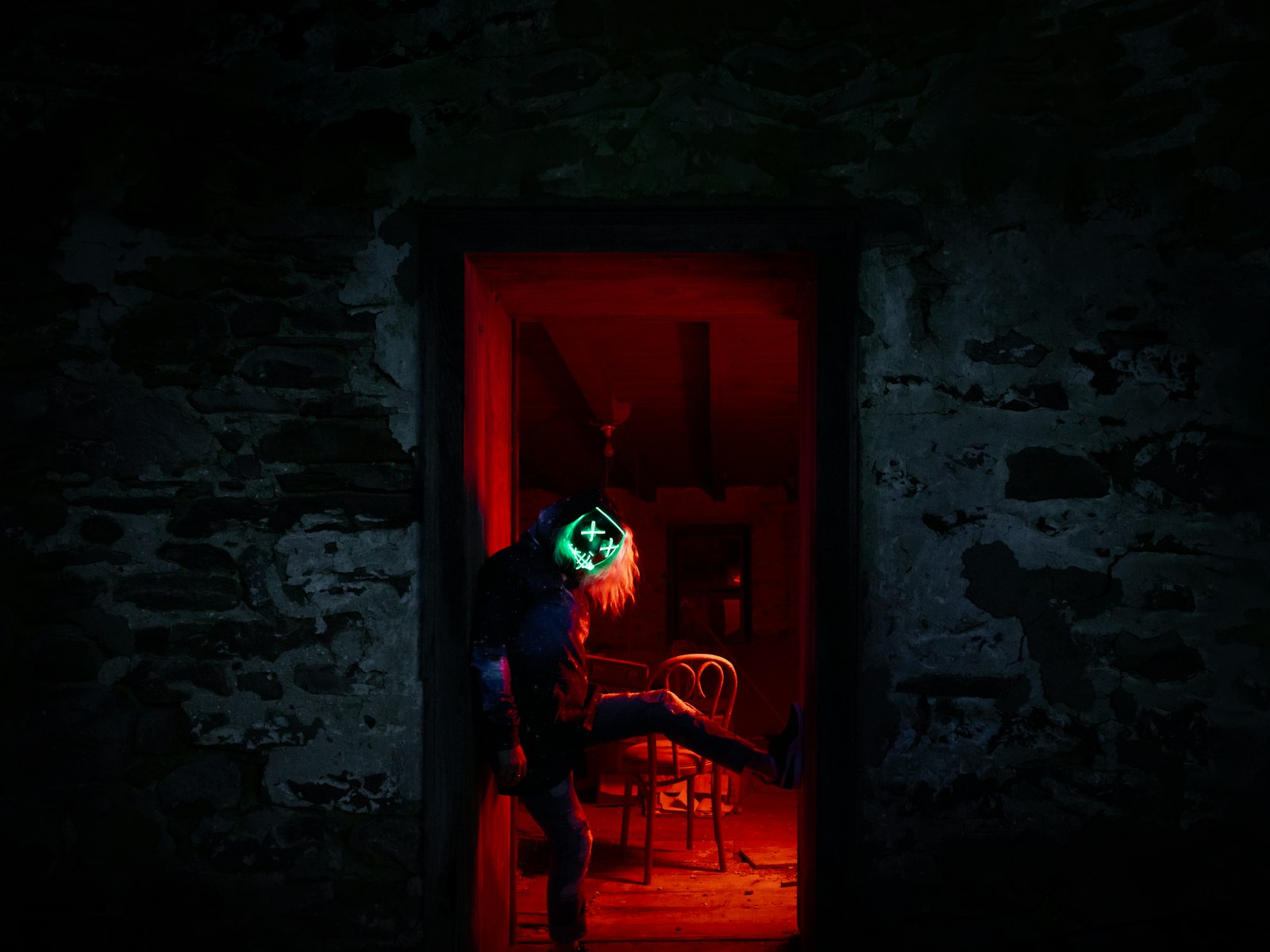
Ireland has long been a land of mysteries, ancient legends, and haunting landscapes—and its film industry has embraced this darker side of Irish storytelling with remarkable gothic horror cinema. From spooky castles shrouded in mist to desolate moorlands that seem straight out of a nightmare, Ireland offers the perfect backdrop for supernatural tales. If you’re a horror enthusiast planning an Irish adventure, you’ll find that many of the country’s most atmospheric filming locations are accessible to visitors, allowing you to walk in the footsteps of Irish horror cinema.
The Golden Age of Irish Horror Cinema
The past two decades have seen an explosion of Irish-produced horror films that have garnered international attention and critical acclaim. These films tap into a deep well of Irish folklore, Celtic mythology, and the country’s unique relationship with the supernatural. What makes Irish horror distinct is its grounding in authentic cultural traditions—the stories often feel connected to real places and real beliefs that shaped Irish consciousness for centuries.
The success of films like The Hole in the Ground, Grabbers, and The Hallow has put Irish horror on the international map, proving that Irish filmmakers can create genuinely unsettling, original horror that doesn’t rely on American tropes or jump scares alone. Instead, these films draw from the Irish gothic tradition and the country’s deep supernatural heritage.
The Hole in the Ground: Rural Irish Terror
Directed by Lee Cronin in 2019, The Hole in the Ground is one of Ireland’s most effective modern horror films. The story centers on a mysterious sinkhole that appears in a rural Irish forest, and the sinister events that unfold when a mother and son’s lives become entangled with its dark secrets. The film is genuinely creepy, building dread through atmosphere and unsettling imagery rather than relying on gore.
The film was shot primarily in County Dublin and County Wicklow, particularly around the rural areas near the Wicklow Mountains. The natural landscape of these regions—dense forests, isolated farmhouses, and rolling hills—becomes a character in itself, creating a sense of isolation and vulnerability that amplifies the horror. The hole itself was a specially constructed set, but the surrounding forests and rural settings are authentic Irish countryside.
Visitors to Wicklow can explore similar landscapes where the film was shot. The region’s numerous walking trails through ancient forests provide that same atmospheric, slightly unsettling feeling that makes the film work so effectively. The small villages and isolated properties scattered throughout the area evoke the film’s rural Irish setting perfectly.
Grabbers: Creature Feature with an Irish Twist
Grabbers (2012) takes the alien invasion genre and gives it a distinctly Irish character. The film is set on Inis Mór, one of the Aran Islands off the coast of County Galway, and features a charming community rallying together when tentacled creatures emerge from the sea. What could have been standard sci-fi fare becomes thoroughly Irish—complete with pub scenes, whiskey, and the sort of dry humor that characterizes Irish cinema at its best.
The Aran Islands are genuinely one of Ireland’s most dramatic and beautiful locations. Inis Mór (Inishmore), the largest of the three islands, is accessible by ferry from Doolin in County Clare or from Connemara in County Galway. The island’s stark, windswept landscape of grey stone walls, dramatic cliffs, and traditional Irish cottages provided the perfect setting for the film. Visiting Inis Mór today, you’ll recognize locations from the movie, and you’ll understand why the filmmakers chose this particular island—it’s hauntingly beautiful and isolated, with a genuine community feel.
The pubs and village streets featured in the film are real, operating businesses where locals and tourists mingle. Staying on the island allows you to experience the atmosphere that made it perfect for this film—the isolation, the tight-knit community, and the dramatic coastal scenery.
The Hallow: Pagan Horror in Connemara
John Maclean’s The Hallow (2015) draws on Irish folklore and pagan traditions to create a creature-based horror film set in the Irish countryside. The story involves supernatural beings that guard the ancient forests of Ireland—creatures rooted in pre-Christian Irish mythology. The film was shot primarily in County Galway, in the mountainous Connemara region, one of Ireland’s most culturally Irish and linguistically rich areas.
The Connemara landscape is stunning—mountain peaks, boglands, and stunning coastal views combine to create an environment that feels genuinely primordial and untouched. The isolation of the region, where Irish is still spoken as a first language in many communities, adds to the film’s sense that you’re in a place where ancient things still dwell.
Connemara National Park offers excellent hiking and access to the region’s dramatic landscapes. The nearby village of Clifden serves as a good base for exploring the area. While you won’t necessarily encounter supernatural beings, you’ll definitely understand why filmmakers chose this location to tell stories about ancient, protective spirits.
A Dark Song: Supernatural Spirituality
Liam Gavin’s A Dark Song (2016) is a unique entry in Irish horror—a slow-burn, psychological supernatural film about a woman who hires an occultist to perform a dangerous ritual in her isolated house. The film eschews jump scares in favor of genuine, disturbing atmosphere and explores grief, guilt, and the supernatural in deeply human terms.
The film was shot in County Waterford, with much of the action taking place in a remote house set in the countryside. The isolation of rural Waterford, with its quiet farmland and lack of urban development, creates the perfect environment for this intimate, claustrophobic story. The Dunmore East village and the surrounding countryside of County Waterford offer that same sense of remote, rural Ireland that the film captures so effectively.
Waterford is known for its Viking heritage and charming coastal towns, but venture inland and you’ll find the quiet, isolated countryside that makes A Dark Song so unsettling. The film makes you feel the weight of solitude and the vulnerability of being truly alone in the Irish wilderness.
Byzantium: Urban Gothic in Cork
Neil Jordan’s Byzantium (2012) brings gothic horror to an urban setting, featuring vampire characters set against the backdrop of a decaying Irish seaside town. The film was shot in Cork and other locations, bringing a more metropolitan gothic sensibility to Irish horror. The decay and abandonment of certain areas—particularly the industrial waterfront and older residential neighborhoods—become integral to the film’s atmosphere.
Cork, Ireland’s second-largest city, has a gothic character of its own, particularly in areas around the old docks and riverside neighborhoods. The city’s historic architecture, narrow streets, and grey limestone buildings create an atmosphere far more gothic than Dublin. Exploring Cork’s older neighborhoods gives you a sense of the urban decay and character that Neil Jordan captured in Byzantium.
Wake Wood: Folk Horror in Rural Tipperary
David Keating’s Wake Wood (2011) draws on Irish folk traditions and rural superstitions to create a deeply unsettling horror film. The story involves a couple who move to a rural Irish village and discover that the community has a disturbing secret—the ability to resurrect the recently dead through an ancient ritual. The film was shot in County Tipperary, in the rural midlands where traditional Irish culture and superstitions run deep.
The film taps into genuine Irish folklore about the boundaries between life and death, resurrection, and the power of ancient rituals. Tipperary’s quiet villages and farmland provide the perfect setting for this folk horror narrative. The County is less visited by tourists than Wicklow or Kerry, making it feel genuinely remote and isolated—perfect for a film about communities with dark secrets.
The Irish Supernatural Tradition in Cinema
What distinguishes Irish horror from other national horror traditions is its deep connection to genuine folklore and cultural beliefs. Ireland has a rich tradition of fairy tales, banshee legends, selkie stories, and pagan spiritual beliefs that survived well into the modern era. Many Irish people grew up hearing stories about the supernatural, about the “good people” (fairies), and about places where the boundary between the natural and supernatural seemed particularly thin.
This cultural heritage makes Irish horror inherently more authentic. When an Irish filmmaker makes a horror film drawing on banshee legends or pagan rituals, there’s a cultural weight behind it—these aren’t just invented scares, but stories with roots in centuries of Irish tradition. American audiences can feel this difference, even if they’re not consciously aware of it.
Visiting Gothic Castles and Spooky Landscapes
Many Irish castles and ancient sites offer the perfect gothic atmosphere for horror fans. King John’s Castle in Limerick, Dunvegan Castle in the northwest, and the ruins scattered throughout the Irish countryside all evoke the gothic traditions that inspire Irish horror films. These aren’t just backdrops—they’re genuine windows into a history that includes warfare, darkness, and the supernatural beliefs of centuries past.
The Irish landscape itself is perhaps the greatest asset for horror filmmaking. Fog rolling through moorlands, ancient stone walls stretching across empty fields, and the grey Atlantic light of Irish winters all create an inherently atmospheric environment. As a visitor, you’ll understand immediately why so many horror directors choose to shoot in Ireland.
Planning Your Irish Horror Pilgrimage
If you’re interested in visiting filming locations from Irish horror films, plan a route that takes in Wicklow and Dublin for easier access, then venture west to Galway for the Aran Islands, and south to Cork and Waterford. Each region offers its own atmospheric landscape and cultural character. The best time to visit is autumn or winter, when grey skies and shorter days create the perfect atmospheric conditions—and when the tourist crowds thin out, allowing you to experience the genuine isolation that makes Irish horror so effective.
Irish horror cinema represents a unique contribution to global horror cinema, one that’s deeply rooted in cultural authenticity and the country’s genuine supernatural heritage. By visiting these filming locations, you’re not just walking in the footsteps of cinema—you’re engaging with the real landscapes and traditions that inspire these stories.




Leave a Reply