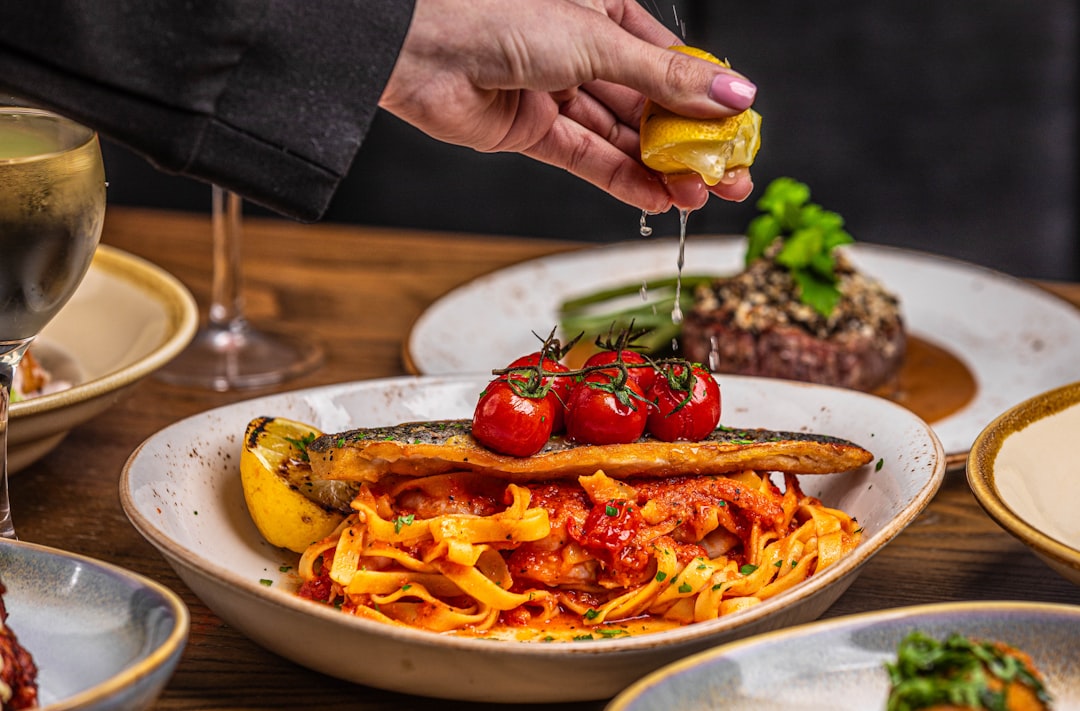
You’re sitting at a restaurant in Rome, feeling proud of yourself. You’ve ordered a beautiful plate of spaghetti al mare (pasta with seafood). It looks delicious. The plate arrives, and you reach for the parmesan cheese — that ubiquitous green canister that’s probably sitting on the table. You’re about to sprinkle it over your seafood pasta when you notice the waiter’s facial expression change. His eye twitches slightly. He’s politely excused himself, but you can tell: you’ve committed a crime.
Welcome to Italian food rules — a complex system of culinary traditions that govern not just what you eat, but how you eat it, when you eat it, and which combinations are fundamentally impossible because they don’t exist. Italians aren’t food snobs (well, some are), but they do have strong opinions about their cuisine, and these opinions aren’t new or arbitrary. They’re rooted in centuries of regional traditions, local ingredients, and the idea that food should respect both its origins and basic digestive logic.
The good news is that most of these rules make sense once you understand the reasoning. The bad news is that violating them will get you judged by Italians who are trying very hard to be polite about your fundamental misunderstanding of their culture.
The Parmesan Rule: No Cheese on Fish
Let’s tackle the most important one right away: never, ever, under any circumstances put parmesan cheese on seafood pasta. Not a little sprinkle. Not just a taste. Not “just this once.”
The reasoning here is actually simple: fish and cheese don’t go together in Italian cuisine. It’s not a matter of opinion — it’s a matter of tradition so old and universal that violating it is genuinely jarring to Italian sensibilities. The flavor profiles clash. The texture doesn’t work. Most importantly, cheese overpowers delicate fish flavors, and the whole point of seafood pasta is to taste the seafood.
Parmigiano-Reggiano (the proper parmesan) is made from cow’s milk in the Emilia region. Seafood comes from the Mediterranean coasts of Sicily, Campania, and Liguria. These are different worlds. They don’t merge.
You’ll notice that Italian seafood pasta dishes don’t come with parmesan on the side. That’s intentional. The waiter isn’t forgetting it; the dish isn’t supposed to have it. If you ask for it, you’ll get it (Italians are polite), but there will be a moment of internal sighing.
This is one of those rules that’s actually absolutely sacred. Unlike some other “rules” in Italian food culture (which we’ll get to), this one has no exceptions in proper Italian cuisine.
The Non-Existent Dishes: Chicken Alfredo and Spaghetti Bolognese
You go to an Italian restaurant and order “spaghetti and meatballs.” The chef might not know whether to laugh or cry. Spaghetti and meatballs, as Americans know it, doesn’t really exist in Italy. Neither does chicken Alfredo. Neither does the majority of what’s served in Italian-American restaurants in the United States.
This is important to understand: Italian-American cuisine is its own thing. It’s not Italian food. It’s food created by Italian immigrants who had to adapt their cooking to available American ingredients in the late 1800s and early 1900s. Italian immigrants made incredible food with what they had, and they created a beautiful cuisine. But it’s not what you’ll find in Italy.
In Italy, you’ll find pasta dishes that are often simpler than you expect. Cacio e pepe (pasta with cheese and black pepper). Carbonara (pasta with guanciale, egg, and pecorino). Aglio e olio (pasta with garlic and olive oil). These are simple, elegant, ingredient-focused dishes. The idea of adding meatballs to spaghetti (which would be called “polpettone” and treated as a second course anyway) simply doesn’t happen.
And chicken? Chicken doesn’t appear on pasta in Italian cuisine. Meat sauces (ragù) are traditionally pork or beef, sometimes duck. Chicken is served as a second course (il secondo), not mixed with pasta. This isn’t snobbery; it’s just how the cuisine developed.
The point here is: don’t expect to find the Italian-American dishes you know at Italian restaurants in Italy. You’ll find something different, and honestly, something better — but it requires an open mind.
The Meal Structure: Primo, Secondo, Contorno, and How You’re Doing It Wrong
Here’s a fundamental misunderstanding about Italian meals: they’re not built the way American or British meals are built. You don’t have a protein with sides. You have separate courses.
A traditional Italian meal goes like this:
- Primo (first course): Pasta, risotto, or soup
- Secondo (second course): Meat or fish with vegetables
- Contorno (side dish): Vegetables prepared separately
- Insalata (salad): Usually comes after the meal
- Formaggi e frutta (cheese and fruit): If you’re fancy
- Dolce (dessert): Typically only at special meals
This is why spaghetti and meatballs doesn’t exist — the meatball is a secondo ingredient trying to be in the primo course. The structures are separate because they have separate purposes and flavors.
When you go to an Italian restaurant and order a pasta dish as your main course, you’re doing it correctly (most Italians would do the same at a restaurant). But if you’re eating at someone’s home and they’re doing a proper dinner, understand that the meal has structure. The pasta is meant to open your stomach and prepare your palate. The meat course is the centerpiece. Vegetables come after to cleanse.
This also explains why you don’t see cappuccino and dessert together at the end of meals. By the time you’re at dessert, you’re past the milk cutoff. You’d have an espresso, not a cappuccino.
The Pizza Wars: Naples vs Rome (and Why Both Exist)
If Italian food rules have one place where regionalism becomes a full-scale cultural war, it’s pizza. And the war is between Naples and Rome (with other cities having their own variations that everyone else argues about).
Neapolitan Pizza is thick, puffy, soft, and often folded. The crust is high, with air pockets. The toppings are minimal — usually just mozzarella di bufala, tomato, and basil, though variations exist. The pizza is meant to be eaten with your hands, often folded, and it’s more of an experience than an efficient food delivery system. It’s also what most tourists think of when they imagine Italian pizza.
Roman Pizza is thin, crispy, and crunchy. It’s cut into rectangular pieces. The crust is flatter, with less rise. It’s also beautiful, but it’s a completely different animal from Neapolitan pizza.
Both are “correct.” Both have centuries of tradition. But Romans will tell you that Neapolitan pizza is too bread-heavy. Neapolitans will tell you that Roman pizza is too thin and crispy and doesn’t have enough substance. Both are absolutely certain they’re right.
As a traveler, enjoy both. Try them in their respective cities. Don’t get into arguments about which is better — you’ll lose, and you’ll lose twice because both sides think they’re winning.
The Cappuccino Timing Rule (Again, Because It Bears Repeating)
You cannot order a cappuccino with lunch or dinner. Full stop. This is as important as the parmesan-on-fish rule. Cappuccino is a breakfast drink. The milk sits in your stomach and prevents you from digesting the food that comes after.
This is so ingrained that Italians find it genuinely bizarre that tourists order cappuccino in the afternoon. At best, you’ll get a gentle suggestion to try an espresso instead. At worst, you’ll get a look that clearly communicates that you’re doing something wrong.
If you must have a milk-based drink after breakfast, order a latte macchiato (which is milk with a shot of espresso, different from a regular macchiato) or a caffè latte. But honestly, both of these are really breakfast drinks too. After breakfast, you’re in espresso territory.
The Bread Dilemma: No Olive Oil Dipping
Americans have been trained by chain Italian restaurants to expect a plate of bread with olive oil for dipping before the meal. It’s warm, it’s delicious, it fills you up before the food arrives, and it’s… not Italian.
In Italy, bread comes with meals to help you manage sauces and flavors on your plate. It’s meant to soak up the last bits of a dish, not to be dipped in oil as an appetizer. The olive oil comes with the meal, in the food itself, not as a separate dipping sauce.
This is one of those cultural things where the American-Italian tradition created something delicious and wonderful that Italy then adopted in some tourist-oriented restaurants, but it’s not authentically Italian. In a proper Italian meal, you wouldn’t get bread and oil before the primo course.
That said, you’ll find places that serve it, especially in major tourist areas. It’s not wrong; it’s just not traditional. Some of the best restaurants in Italy will give you exceptional bread with nothing but butter or nothing at all.
The Flexible Rules vs The Sacred Rules
Here’s where it gets interesting: not all Italian food rules are sacred. Some are suggestions. Some are regional variations. Here’s a cheat sheet:
Sacred Rules (never break these):
Strong Suggestions (break these and you’ll get judged):
Flexible Rules (regional variations exist):
The Alfredo Confusion
Here’s something that will surprise you: in Rome, there’s a classic pasta dish called “Fettuccine all’Alfredo.” It’s fettuccine with butter and parmesan. It’s delicious. But it’s not the heavy cream sauce that you find in Italian-American restaurants. It’s much lighter, just butter and cheese.
The dish is named after Alfredo Martini, who made it famous in his restaurant in Rome in the early 1900s. But the version most Americans know is creamed up and Americanized. The original is simpler and better.
If you go to a proper Roman restaurant and order Fettuccine all’Alfredo, you’ll get something beautiful and simple. If you show up at an Italian restaurant in the United States expecting the same thing, you’ll be disappointed.
Regional Variations Worth Understanding
The cuisine changes dramatically by region. If you go from north to south, you’re essentially changing food cultures:
Northern Italy (Piedmont, Lombardy, Emilia-Romagna): Butter, cream, meat (especially pork), polenta, risotto, fresh pasta, parmesan. The food is richer, heavier, more indulgent.
Central Italy (Tuscany, Umbria): Olive oil, simple pasta, grilled meats, beans, tomatoes. The food is honest, rustic, ingredient-focused.
Southern Italy (Campania, Calabria, Sicily): Olive oil, tomatoes, pasta, seafood, spices, heat. The food is bold, flavorful, passionate.
These aren’t arbitrary differences. They’re based on what grows in each region and how the people have cooked for centuries. Understanding this helps you understand why a risotto-heavy meal in Milan feels completely different from a pasta-heavy meal in Naples.
The Beverage Rules
Beyond cappuccino, there are other beverage rules:
Understanding these rules helps you navigate dining situations and feel more integrated into the experience.
How to Navigate As a Respectful Traveler
The key to dealing with Italian food rules is respect and curiosity. Italians don’t expect tourists to know everything about their cuisine, but they appreciate when you try. Here’s how to navigate:
- Ask questions. When in doubt about a dish, ask your server what’s in it. Italians love talking about food.
The beautiful thing about Italian food culture is that beneath all the rules, there’s a genuine passion for eating well. Italians have fought for centuries to protect their culinary traditions because food matters to them. It’s culture, history, and family all wrapped up in a plate of pasta.
Respect that, and you’ll have incredible meals and fascinating conversations. Violate it carelessly, and you’ll get looks — polite Italian looks, but looks nonetheless.




Leave a Reply