James Bond has been defined by his globe-trotting adventures, but some of his most iconic moments have occurred in the United Kingdom itself. The recent Bond films—particularly Skyfall and No Time to Die—made dramatic use of British locations, from the windswept Scottish Highlands to the heart of London. For Bond enthusiasts (and film location scouts), exploring these real-world 007 destinations offers a chance to walk in the footsteps of cinema’s greatest spy and appreciate the stunning cinematography that made these films visually unforgettable.
Skyfall Lodge: Glen Etive, Scottish Highlands
The most iconic Bond location from recent films is Skyfall Lodge from 2012’s Skyfall. This isn’t a real lodge that you can check into, but rather a meticulously crafted set built specifically for filming in the remote Scottish Highlands location of Glen Etive. The lodge represents Bond’s ancestral home and serves as the setting for the film’s climactic sequence.
While the actual Skyfall Lodge set no longer stands (it was dismantled after filming), the Glen Etive location itself is accessible to visitors and remains stunning. Glen Etive is a narrow glen south of Glencoe, filled with wild Scottish scenery—steep mountainsides, a rushing river, and a sense of absolute remoteness. You can drive the single-track road through the glen (ending at a parking area), and from there, hiking paths lead to the approximate location where the lodge was filmed.
This is serious hiking terrain—weather can be unpredictable, and the landscape demands respect—but the reward is experiencing the raw beauty that made Skyfall’s cinematography so breathtaking. Summer (June-August) is the best season for visiting Glen Etive. The drive from Fort William takes about 30 minutes, and you’ll want to dedicate at least half a day to explore properly.
The Scottish Highlands: A Bond Landscape
Beyond Glen Etive, the Scottish Highlands serve as a character themselves in multiple Bond films. The dramatic mountains, lochs, and wilderness create a sense of danger and isolation that’s perfect for espionage drama.
Glencoe, approximately 20 miles north of Glen Etive, is equally dramatic. Its three sisters of mountains dominate the landscape, and you can hike, drive, or simply appreciate the scenery. The Glencoe Visitor Centre provides context about the landscape and its history.
Loch Ness, the famous Scottish loch rumored to house a mysterious monster, appears in various Bond films. You can drive around the loch, visit Urquhart Castle (a ruined medieval fortress on the loch’s edge), or take a boat cruise. The loch is about 3 hours north of Glencoe and offers a different aesthetic—wild but slightly more accessible than Glen Etive.
These Highland locations are most easily accessed from Fort William or Inverness (both have airports and train stations from London). Rental cars are essential for exploring at your own pace, though organized tours are available.
London Locations
Bond is fundamentally a London character, and various London locations have served as filming sites for MI6 headquarters and other crucial scenes.
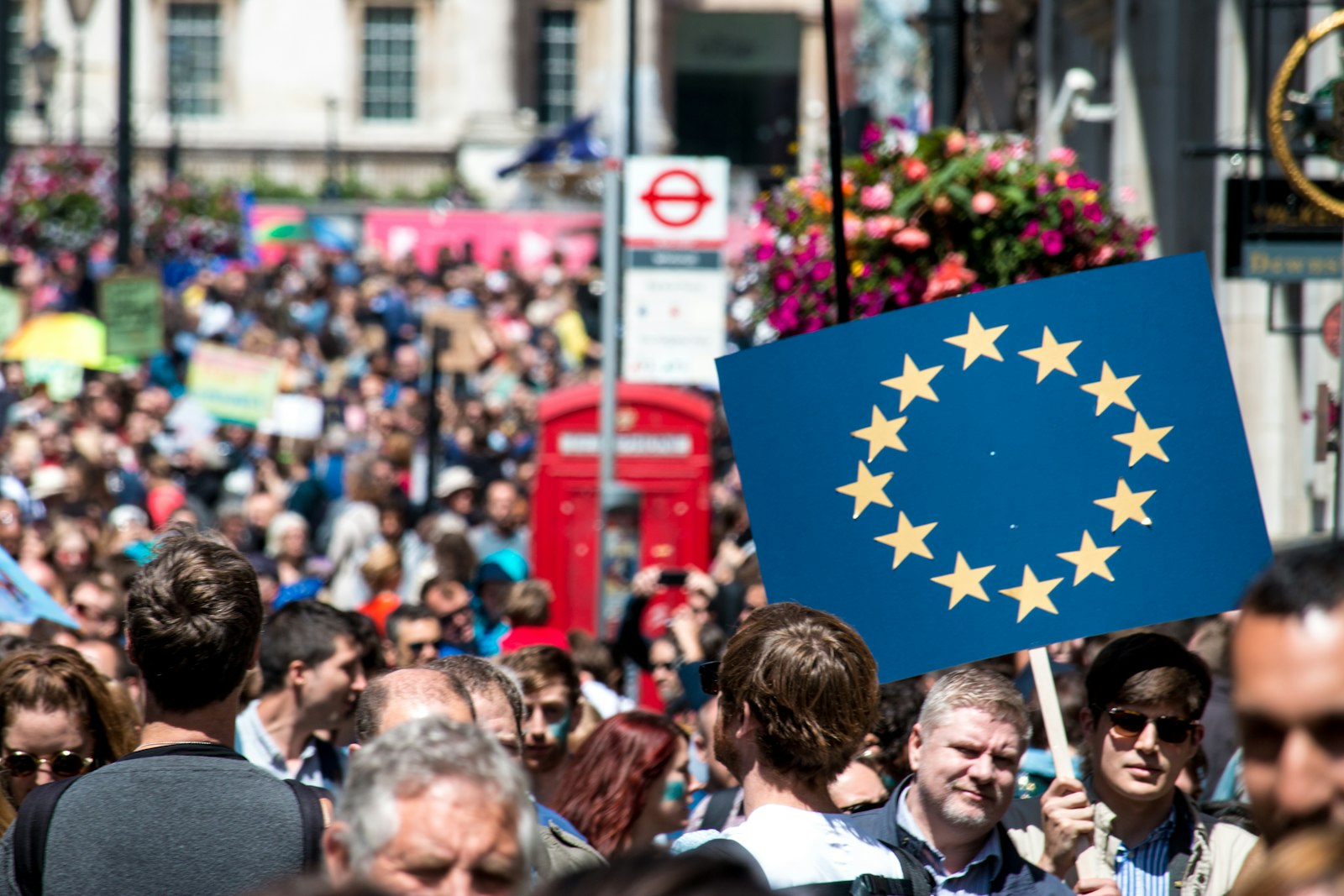
Whitehall and Trafalgar Square: These central London government locations appear in establishing shots throughout the Bond films, particularly when the action involves MI6 or government institutions. You can walk Whitehall (where the actual Foreign Office is located) and Trafalgar Square at your leisure—both are major London landmarks worth visiting regardless of Bond connections.
The Thames and South Bank: Recent Bond films have made extensive use of the South Bank—the Thames riverside area south of the river, with its cultural institutions, restaurants, and modern architecture. The Millennium Bridge (a pedestrian bridge connecting the South Bank to St. Paul’s Cathedral) is particularly photogenic and has appeared in various spy films.
St. Paul’s Cathedral: Sir Christopher Wren’s baroque masterpiece appears in numerous Bond films. The cathedral is open to visitors (entry around £18-20 USD), and climbing the dome offers panoramic London views and a sense of the city’s geography that Bond films capture so effectively.
Pinewood Studios: Behind the Scenes
While not a location where you can visit Bond sets, Pinewood Studios in Buckinghamshire (about 30 minutes west of London) is where much of the interior work for Bond films was filmed. The studio is home to some of the largest soundstages in the world and is where the elaborate sets for Blofeld’s lairs, MI6 headquarters interiors, and other crucial scenes are constructed.
Pinewood offers limited public tours (book ahead, as spots are limited). Tours show the working studio, some iconic sets, and the famous underwater tank where aquatic sequences are filmed. Entry is around £18-20 USD for a tour. It’s a fascinating look at the infrastructure behind blockbuster filmmaking, though the tours prioritize the studio’s general capabilities over Bond-specific locations.
Blenheim Palace, Oxfordshire
Blenheim Palace, a UNESCO World Heritage Site and one of Britain’s finest stately homes, has served as a filming location for various Bond and spy films. The palace’s baroque architecture, grand interiors, and manicured grounds provided the setting for scenes requiring aristocratic grandeur.
Blenheim is open to the public year-round, with entry around £23 USD. The palace is genuinely impressive—it’s the birthplace of Winston Churchill and contains rooms that feel appropriately palatial for a Bond villain’s lair (though the films have used other locations for actual villain lairs). The grounds are equally stunning, with formal gardens designed by Capability Brown, one of England’s most celebrated landscape architects.
Located in Woodstock, Oxfordshire (about 8 miles north of Oxford, 60 miles from London), Blenheim is easily accessible by train and car. Allow at least half a day to see the palace and grounds properly.
The Bond in Motion Exhibition, London
If you’re serious about Bond locations and filmmaking, the Bond in Motion exhibition at the National Automobile Museum in London (located near Beaulieu, in the New Forest, about 2 hours south of London) is essential. The exhibition displays actual vehicles from Bond films, including the famous Aston Martin DB5, and provides context about filmmaking, locations, and stunts.
Entry is around £15-17 USD, and you can easily spend 2-3 hours exploring. The exhibition doesn’t focus exclusively on UK locations, but understanding Bond’s cinematic world deepens your appreciation of the British locations featured in the films.
Jamaica Inn Connections
While Jamaica Inn itself is located in Cornwall (southwest England, a coastal area known for dramatic cliffs and secluded coves), it has served as inspiration for and filming location for various spy and adventure films. The inn is a historic coaching inn that’s been operating since the 18th century and is now a museum celebrating its literary and film heritage.
Jamaica Inn isn’t strictly a Bond location, but it represents the kind of remote, atmospheric British setting that Bond films draw upon for their visual language. If you’re in Cornwall, it’s worth visiting for its history and connection to British spy and adventure fiction.
Planning a Bond UK Tour
Bond locations are scattered across the UK, so planning requires deciding which elements interest you most:
For Highland scenery and Skyfall: Spend 2-3 days in Scotland, based in Fort William, with day trips to Glen Etive and Glencoe. This is serious hiking and nature territory.
For London locations: 1-2 days seeing MI6 surroundings, St. Paul’s, the Thames, and Whitehall. These are manageable walks through central London.
For stately homes: Blenheim Palace can be a day trip from London or a stop en route to Oxford or the Cotswolds.
For behind-the-scenes: Pinewood Studios requires a separate booking and is best combined with London-based attractions.
For comprehensive experience: Allocate 5-7 days combining Scottish Highlands (3 days), London (2 days), and Blenheim (1 day).
Summer (June-August) is the best season for Scottish locations. London is pleasant year-round, though December offers festive atmosphere.
The Appeal of Bond Locations
What makes Bond locations particularly engaging is that they combine genuine historical and geographical significance with cinematic drama. You’re not just seeing places where a movie was filmed; you’re visiting real locations with authentic history and beauty. Glen Etive’s wild mountains have existed for millions of years; Blenheim Palace contains centuries of British aristocratic history; London’s government buildings have shaped international affairs. The Bond films simply give you a framework for appreciating these locations’ inherent drama and significance.
A Bond locations tour is fundamentally about understanding how filmmakers use real geography to tell stories, and how engaging with actual places deepens our appreciation of cinema. In James Bond’s case, it’s a chance to experience the sophistication, danger, and beauty that define his cinematic world—in real locations that are every bit as compelling as the movies themselves.




Leave a Reply