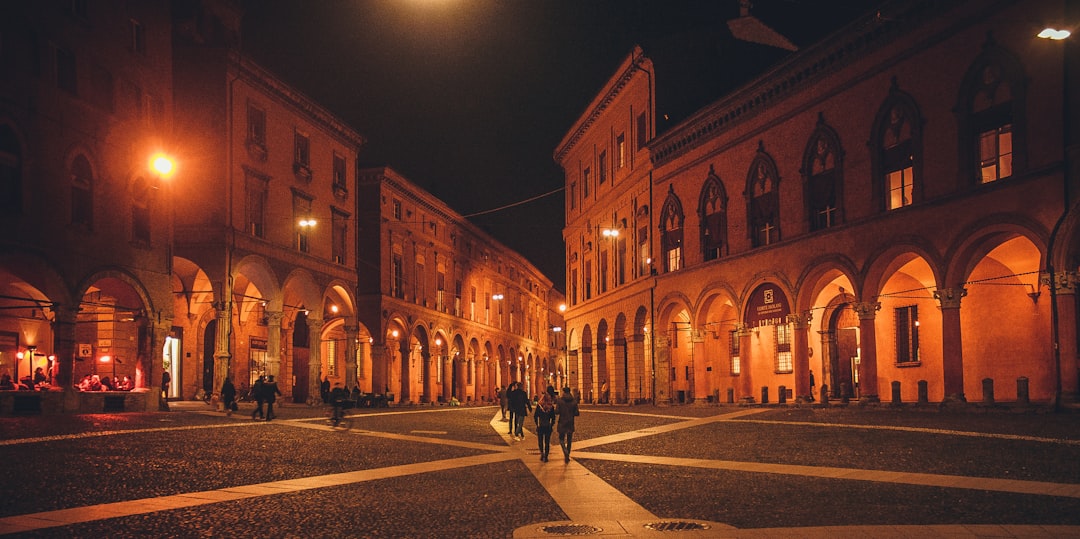
Around 6 PM every evening in nearly every Italian town, something magical happens. The streets fill with people dressed in their nicest casual clothes — women with their hair done, men in pressed shirts, couples arm in arm, teenagers in groups, grandparents with grandchildren. They’re not going anywhere specific. They’re not shopping. They’re not running errands. They’re walking up and down the main street, often the same route, often passing the same people multiple times.
This is la passeggiata, and if there’s a single ritual that encapsulates Italian culture more perfectly than any other, it might be this one. It’s a stroll, but it’s so much more than that. It’s social glue. It’s community maintenance. It’s Italy’s answer to why people should leave their houses every day, get dressed up, and exist in public together.
The passeggiata is not a tourist activity. You won’t find it in guidebooks. No one will charge you money to participate. You simply show up, dress decently, and walk. And yet, understanding the passeggiata and joining in is one of the most authentic ways to experience Italian life.
The History of the Evening Stroll
The passeggiata has ancient roots. Romans used to gather in the forum. Medieval Italians had their town squares. But the formalized evening stroll as we know it today became a ritual during the Renaissance, when Italian cities were becoming more organized and urban life was expanding.
By the 19th century, especially in northern cities like Milan and Turin, the passeggiata was an established institution. It was the place where you saw and were seen. Where business deals were made. Where young people could observe each other under the watchful eyes of their families. Where the town’s hierarchy and relationships were negotiated and maintained.
The passeggiata reached its peak in the mid-20th century. Before television, before the internet, before cars made mobility easy, the evening stroll was the primary form of entertainment and social connection. Everyone participated. It was how you knew what was happening in your town.
Television and later the internet diminished the passeggiata’s role, but it never disappeared. In smaller towns especially, it remains strong. In larger cities, it’s less universal, but it still exists as a cultural touchstone. And in places like small-town Tuscany or southern Sicily, it’s still a vital daily ritual.
The Rules and Rhythms of the Passeggiata
The passeggiata follows unwritten but surprisingly consistent rules:
Timing: It happens in the early evening, between 5:30 PM and 8 PM depending on the season. In summer, it’s later (7-8 PM) when the heat has broken. In winter, it’s earlier (5:30-6:30 PM) before darkness falls.
Location: The passeggiata happens on the main street (corso, via principale, corso umberto) and typically around the central piazza (town square). Sometimes it follows a waterfront (lungomare) in coastal towns. The specific route depends on the town’s geography, but there’s always a main loop that everyone follows.
Dress: You dress up. Not formally, but nicely. Women wear dresses, nice pants, fashionable shoes. Men wear dress pants or nice jeans, collared shirts, sometimes a blazer. Children are dressed well. Everyone looks like they’ve made an effort, which sends the implicit message: “I’m here as part of this community, and I’m showing respect for it.”
This is one reason the passeggiata is still a living tradition — it forces people to get dressed, to leave their houses, to engage with the community. In an age of sweats and isolation, the passeggiata says: you must show up in person, looking decent.
The Walk: You walk slowly. The point is not exercise; it’s seeing and being seen. You might walk the corso three times in an hour. You stop and chat. You encounter neighbors. You make observations. The speed is deliberately leisurely.
The Route: There’s often a gentlemen’s pattern and a ladies’ pattern. Traditionally, in smaller, more conservative towns, groups of men walk one direction while groups of women walk the other, passing each other repeatedly. Mixed-group passeggiata is more modern and is now standard in most towns.
The Encounters: The passeggiata is where social life happens. You run into the person you haven’t seen all week. You observe who’s with whom. You catch up on gossip. You make future plans. It’s a natural networking event, but so casual that it doesn’t feel like work.
The Aperitivo Connection
The passeggiata often connects with aperitivo — the pre-dinner drink ritual. Around 6 or 7 PM, many people will break from the stroll, find a café, and have a spritz or other drink (with complimentary snacks). Then they’ll return to the stroll.
In some towns, especially in northern Italy, the passeggiata flows into the aperitivo scene. In Milan or Bologna, you might stroll, then stop for a drink and socializing with friends, then head to dinner. The passeggiata and aperitivo are part of the same cultural ecosystem — they’re both about being public, being social, and maintaining community connections.
In southern Italy and smaller towns, the passeggiata is often the focus, with aperitivo as an optional addition.
Regional Variations
The passeggiata is most traditional in central and southern Italy and in smaller towns everywhere. Here’s how it varies:
Small Towns: In a town of 2,000-5,000 people in Tuscany or Umbria, the passeggiata is still the primary evening activity. Nearly everyone participates. The main street will be crowded from 6-7 PM. It’s a sight to see.
Medium Cities: In cities like Arezzo or Siena, the passeggiata still happens, but it’s less universal. Maybe 30-40% of the population participates on any given evening. It remains important to the town’s identity.
Large Cities: In Rome, Milan, Naples, or Florence, the passeggiata exists but is diluted. In some neighborhoods (especially the centro storico, the old town center), it’s strong. In sprawling suburbs, it barely exists. Urban life is more complex.
Northern Industrial Cities: Turin and Milan are less passeggiata-focused than central or southern cities. But even here, you’ll see it in the city center, especially on weekends.
Coastal Towns: Lungomare (seaside promenades) function as passeggiata routes. Places like Positano, Ravenna, or Rimini see major evening strolls along the waterfront. Summer intensifies this dramatically.
The South: Sicily and southern mainland Italy take the passeggiata very seriously. In towns throughout Campania, Calabria, and Sicily, it remains the central evening ritual. Entire families participate. It’s taken for granted as essential to daily life.
Why the Passeggiata Matters
On the surface, the passeggiata is just people walking around. But look deeper and you see something profound about Italian culture:
Community Over Isolation: The passeggiata says that being in public is important. That seeing your neighbors matters. That being part of a physical community is worth your time. In an age of Zoom meetings and social media, Italy still maintains this commitment to physical presence.
Appearance and Respect: The fact that people dress up says something about how Italians see public life. The corso isn’t a private space; it’s a shared stage. Dressing well for it is a form of respect — for the space, for your neighbors, for yourself.
Slowness and Leisure: The passeggiata moves slowly. It’s not efficient. You could send everyone an email about what’s happening in town. But instead, the community walks, talks, and learns through direct connection. This is a deliberate choice to value leisure and connection over efficiency.
Ritual and Repetition: The passeggiata is a ritual. It happens the same time every day. You walk the same route. You see the same people. This repetition creates a sense of order and continuity. Life is predictable and connected.
Democratic Space: The passeggiata includes everyone. Rich, poor, old, young, educated, working-class. The corso is one of the few places where everyone mingles equally. There’s no hierarchy. It’s genuinely democratic.
The Generational Shift
If there’s a concerning trend, it’s that younger Italians are participating less in the passeggiata. Twenty-somethings would rather be in cafés with friends or at home with their phones. The ritualistic, community-focused aspect feels old-fashioned to many young people.
But there’s a counter-trend too. Some smaller towns have noticed this decline and have made deliberate efforts to revitalize their passeggiate. Summer events, live music, pedestrian-only streets — these are tools to bring people back to the corso.
And in many towns, it’s still strong. During summer in Sicily or southern Tuscany, the passeggiata is still a vital, vibrant activity. Families still participate. Teenagers still people-watch. The elderly still take their daily walk.
How to Participate As a Visitor
If you’re visiting an Italian town and you want to experience the passeggiata, here’s how:
Dress well. Don’t wear athletic clothes, torn jeans, or sloppy t-shirts. Wear actual clothes. A nice pair of pants, a decent shirt, comfortable but respectable shoes. You’re joining a community ritual, not going to the gym.
Go at the right time. Ask a local when the passeggiata happens. Then be there. It’s usually 6-7:30 PM depending on the season.
Find the main street. Ask for the “corso” or the main piazza. That’s where it happens.
Walk slowly. Don’t rush. The point is to see and be seen. Walk up and down the street. Stop occasionally. Sit at a café. Take your time.
Be friendly. If a local makes eye contact or says hello, respond warmly. The passeggiata is a social activity. Italians appreciate when visitors participate with respect and genuine interest.
Observe carefully. Watch how people interact. How teenagers gather in groups. How older men congregate at certain spots. How the whole thing flows. You’re witnessing something culturally important.
Understand you’re in a real space. This isn’t a tourist attraction. It’s real community life. Respect that. Don’t treat it like a circus or a photo opportunity. Participate authentically.
The Deeper Meaning
When you walk the corso at 6 PM on a summer evening in a small Tuscan town, surrounded by well-dressed locals who are also walking because it’s what you do, you understand something fundamental about Italian culture. It’s a culture that values:
- Being present physically
- Dressing with intention
- Maintaining community through regular interaction
- Leisurely time over productive time
- Social ritual over individual efficiency
- Public life over private isolation
The passeggiata is not dying, though it’s changing. In some places it’s stronger than ever. In others it’s faded. But everywhere in Italy, it represents a set of values that the culture still holds even if not everyone participates.
For travelers, experiencing the passeggiata is like getting a masterclass in Italian culture compressed into 60 minutes. It shows you how Italians think about community, appearance, time, and the importance of showing up.
So when you’re in Italy, dress nicely one evening, find the main street at 6 PM, and join the crowds. Walk slowly. See and be seen. Chat with locals. Grab a coffee at a café. You’re not just taking a walk; you’re participating in a centuries-old Italian tradition that says: community matters, being present matters, and taking time to connect with your neighbors is not a luxury — it’s essential.
That’s the passeggiata. And once you understand it, you understand Italy.




Leave a Reply