For most visitors, Lapland means one thing: Santa Claus. And while meeting Father Christmas at the Arctic Circle is undeniably charming, especially if you have small children in tow, the vast Arctic region stretching across northern Norway, Sweden, Finland, and Russia holds far deeper treasures. Lapland is the homeland of the Sami people, Europe’s only recognized indigenous population, and their culture, traditions, and relationship with this extreme landscape offer one of the most enriching travel experiences on the continent.
The Sami: Europe’s Indigenous People
The Sami have inhabited the Arctic regions of Scandinavia and Finland for thousands of years, long before national borders existed. Today, approximately 80,000 Sami live across the four countries of Sapmi (their name for their homeland), maintaining traditions that include reindeer herding, fishing, handicraft (duodji), and the hauntingly beautiful vocal art form known as joik, a form of singing that does not describe a subject but rather attempts to embody its essence. Hearing a joik performed live, in the landscape it was born from, is a genuinely moving experience. The Sami Parliament in Inari, Finland, serves as a cultural and political center, and the nearby Siida Museum provides an excellent introduction to Sami history, art, and contemporary life.
Inari, Finland: The Cultural Heart
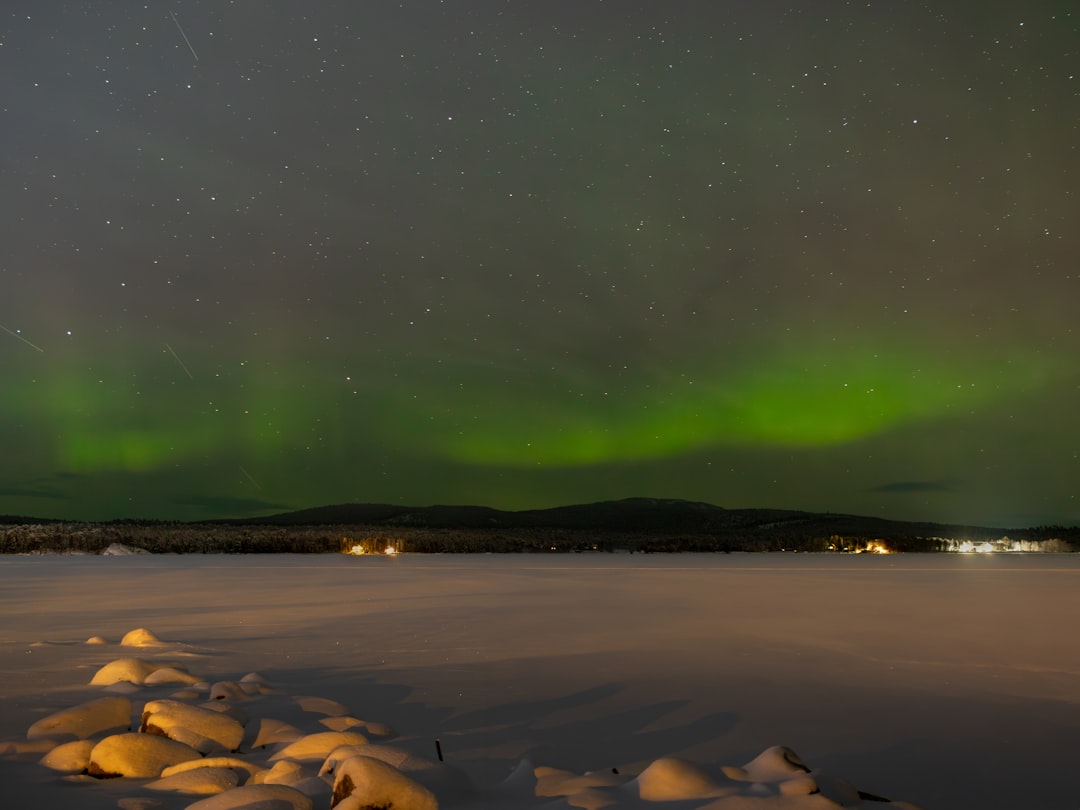
The small town of Inari on the shores of Lake Inari is considered the cultural capital of the Finnish Sami. The Siida Museum here is outstanding, a combined indoor museum and open-air exhibition that traces Sami life through the seasons. In winter, you can arrange visits to reindeer farms where herders explain their way of life, share traditional food (try suovas, smoked reindeer meat), and let you experience the profound silence of the Arctic forest. Inari is also one of the best locations in Europe for viewing the Northern Lights, with the aurora season running from September through March. The surrounding wilderness is vast and pristine. This is genuine Arctic landscape, not a theme park version of it.
Jokkmokk Winter Market, Sweden
Every February since 1605, the town of Jokkmokk in Swedish Lapland has hosted a winter market that serves as a major gathering point for Sami culture. Tens of thousands of visitors brave temperatures that can plunge to minus 30 degrees Celsius to browse stalls selling reindeer hides, handcrafted knives, silver jewelry, and traditional clothing. The market is also a social event for the Sami community, with concerts, exhibitions, and ceremonies. The Ajtte Museum in Jokkmokk is the principal museum of Sami culture in Sweden and well worth a visit year-round.
Tromso and the Arctic Activities
Norway’s Tromso, located 350 kilometers north of the Arctic Circle, is a vibrant university city that serves as a gateway to Arctic adventures. From here you can arrange Northern Lights chases, whale-watching trips (orcas and humpbacks visit the fjords from November to January), and visits to Sami camps. The Arctic Cathedral, with its dramatic triangular architecture and enormous stained-glass window, is an architectural landmark. The Polar Museum chronicles the region’s history of Arctic exploration and trapping.
Ethical Considerations
Tourism in Sami regions comes with responsibilities. The husky sledding industry, while popular, has faced criticism regarding animal welfare. Research operators carefully and choose those with small teams, well-cared-for dogs, and transparent practices. When visiting reindeer herders, book through Sami-owned operators rather than large tour companies, ensuring your money directly supports the community. Avoid treating Sami culture as a costume or spectacle; approach with the same respect you would bring to visiting any indigenous community. The Sami face ongoing challenges including land rights disputes and the impacts of climate change on reindeer migration patterns, and responsible tourism can play a positive role in supporting their cultural continuity.
The Midnight Sun and Polar Night
Lapland’s extreme latitude creates two extraordinary phenomena. From late May through July, the sun never sets. The midnight sun bathes the landscape in a perpetual golden light that makes time feel meaningless. In winter, the polar night (kaamos in Finnish) plunges the region into weeks of blue-tinged twilight, lit by stars, the moon reflected off snow, and if you are fortunate, the shimmering curtains of the aurora borealis. Both seasons are worth experiencing, and both will change how you think about light, darkness, and the rhythms of the natural world.




Leave a Reply