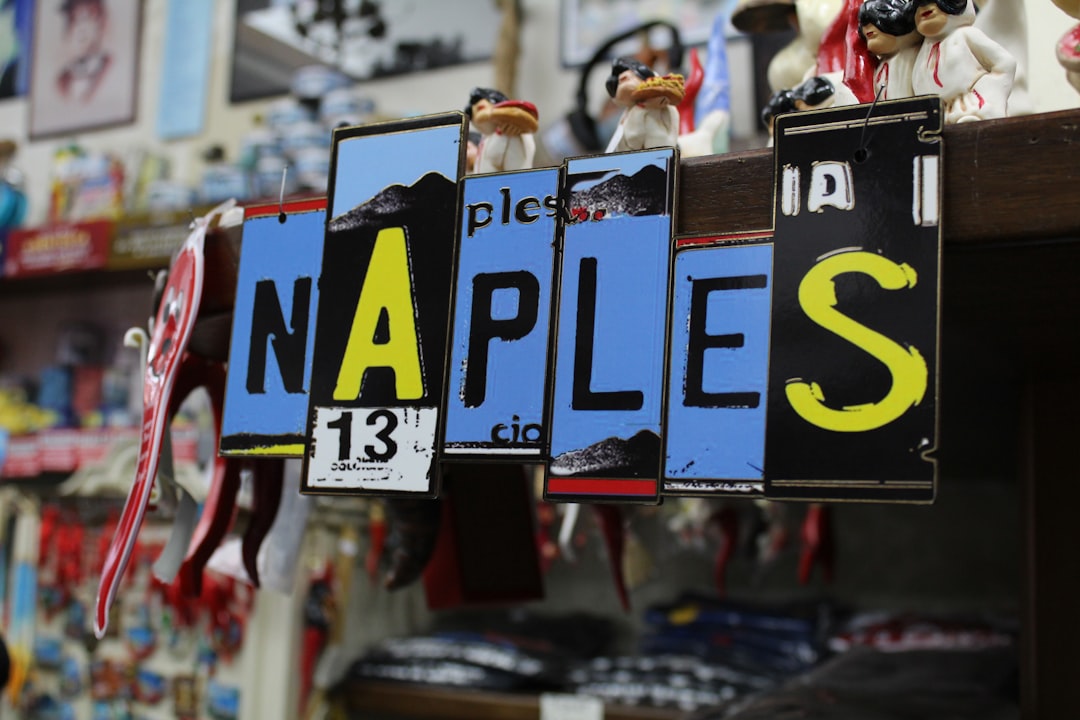
HBO’s adaptation of Elena Ferrante’s Neapolitan Quartet (2018-present) has fundamentally transformed how international audiences understand Naples. The series presents the city not as tourist destination or archaeological repository but as a lived space where complex human stories unfold across decades. The city becomes a character—sometimes beautiful, sometimes claustrophobic, always psychologically intense.
Unlike many location-based films that use scenery as backdrop, “My Brilliant Friend” treats Naples as essential context for understanding character. The density of housing, the poverty, the educational barriers, the female friendships—all emerge from Naples’s specific social and geographical conditions. You cannot understand Elena and Lila without understanding Naples.
The series was filmed extensively in Naples proper, particularly in the Rione Luzzatti neighborhood (standing in for the fictional rione where the characters live), though also in other parts of the city across the season structure. Director Saverio Costanzo made deliberate choices to film in actual neighborhoods rather than constructing sets, maintaining authenticity that soundstages couldn’t replicate.
Rione Luzzatti: The Neighborhood That Becomes Home
Rione Luzzatti, a working-class residential area in eastern Naples, serves as the primary setting for the earlier seasons. The rione (neighborhood) is characterized by densely packed apartment buildings, narrow streets, limited green space, and a strong sense of community within constraint.
The series uses the neighborhood’s architecture expressively. The stacked buildings, the shared courtyards, the streets so narrow that sunlight barely penetrates—all create visual language that mirrors the characters’ psychological claustrophobia and the intensity of their relationships. Neighbors exist in close proximity; privacy is minimal; social worlds overlap and intersect constantly.
Walking Rione Luzzatti today, you experience the neighborhood that shaped the characters. The building facades are weathered, sometimes crumbling. Laundry hangs from windows. Elderly residents sit in courtyards or on stoops. It’s not a destination specifically designed for tourists; it’s an actual neighborhood where ordinary people live.
This authenticity matters. The series doesn’t present Naples exoticized or romanticized. It shows a genuinely poor neighborhood where residents nonetheless create rich social and intellectual lives. The novels (and adaptations) resist the impulse to present poverty as either tragic spectacle or inspiration for recovery. They simply show life as it’s lived.
Visiting Rione Luzzatti: The neighborhood is accessible by Metro (line 1 to stops in the area) or bus. It’s not inherently dangerous, but it’s not a tourist area. Visit during daylight, move respectfully through neighborhoods, don’t photograph residents without permission. The streets are winding; get slightly lost to absorb the layout and density.
A guide familiar with the neighborhood might enhance the experience. Some local cultural organizations offer walking tours focused on Ferrante’s work. These guides can point out specific locations used in filming and provide historical context about the area.
Stay 1-2 hours simply walking and observing. The experience of moving through narrow streets, seeing the architecture, understanding the space’s density and intensity, creates experiential understanding that no film alone provides.
The Stradone: The Main Street That Structures Everything
The “stradone” (main street) of the fictional neighborhood—a wider street with some shops and commerce—is a crucial location in the series. The stradone is where the neighborhood’s public life occurs: where important figures live, where commerce happens, where social hierarchy is visible.
The actual stradone equivalent appears in Rione Luzzatti (though the exact filming locations mix multiple actual streets to create the fictional neighborhood). Walking these streets, you see where Elena and Lila navigated their childhood, where the social structure that constrained and enabled them was organized.
The series shows the stradone transforming across seasons—as the characters age and the city changes, the street transforms as well. Early seasons show it as somewhat run-down but vibrant. Later seasons show modernization, gentrification, and the loss of some of the tight-knit community character.
Broader Naples Locations
While Rione Luzzatti provides the primary setting, “My Brilliant Friend” uses Naples more broadly. Scenes of school, characters moving through the city, and the family trips beyond Naples all require different locations.
Ischia: The series uses the island of Ischia for scenes where characters vacation or temporarily escape Naples. Ischia appears as beautiful Mediterranean escape, countryside contrast to Naples’s urban density. The island sequences provide visual relief while maintaining thematic consistency—characters carry their Neapolitan tensions even in more beautiful surroundings.
Pisa and Florence: As the characters age and gain education, the series depicts them moving beyond Naples. University scenes occur in Pisa; later scenes move to Florence. These cities appear progressively more refined, representing social mobility and the pull of intellectual and cultural life beyond Naples’s constraints.
Historical Naples Context
Understanding Naples enriches engagement with “My Brilliant Friend.” The city has a particular history: former capital of a major kingdom, then colonized by Spain and Austria, then absorbed into unified Italy. Naples was the poorest major city in the newly unified nation, subject to emigration, earthquake (1980 earthquake devastated the city), and complex relationships with organized crime.
The post-World War II period when the series is set (1950s-1990s) was a time of reconstruction, migration, and modernization. Naples was transitioning from pre-modern to modern, from agricultural to industrial economy. This transition shapes the characters’ possibilities and constraints.
Visiting Naples with this historical context creates understanding of why characters were so focused on education, why leaving Naples seemed like the only path to a different life, why education and culture represented escape.
The Transformation of Naples
The series depicts Naples changing across decades. Early seasons (set in 1950s) show a Naples still bearing WWII scars, working-class and densely poor. Later seasons (through 1990s) show modernization, new construction, some gentrification, but also continued poverty and organized crime presence.
Modern Naples has undergone significant transformation since the 1990s. Renovation projects have restored much of the historic center. A contemporary art scene has emerged. The city has developed tourism infrastructure. Yet many of the neighborhoods that the series depicts remain working-class, unchanged in fundamental character.
This creates interesting friction for visitors. You’re seeing locations that have changed since the series depicted them, yet also locations that somehow have remained essentially continuous. The human geography (who lives where, what they do) has shifted; the physical geography (streets, buildings, neighborhoods) persists.
The Female Perspective and Naples
“My Brilliant Friend” is distinctive for centering female experience and female friendship. Elena and Lila’s relationship—their intense love, their rivalry, their mutual influence—is the series’s core. Naples provides the context, but the narrative is fundamentally about what their friendship means.
This female-centered approach changes how the city reads. Rather than Naples as mafia story or archaeological site, it’s Naples as place where girls grow up, pursue education, navigate family expectations, and define themselves through intellectual and emotional growth.
Walking the neighborhoods where Elena and Lila lived (albeit fictionally), women visitors might experience particular resonance. The claustrophobia, the social constraints, the ways that female ambition requires transgression of neighborhood norms—these themes feel immediate and present when you’re in the actual spaces.
Planning a My Brilliant Friend Naples Journey
3-4 Day Itinerary:
Day 1: Naples Arrival and Orientation
Arrive in Naples, settle into accommodation, explore the immediate area. Walk through centro storico (historic center) to see the city’s grandeur and complexity. Get familiar with transportation (Metro, buses).
Day 2: Rione Luzzatti and Series Locations
Spend the full day in and around Rione Luzzatti. Walk the neighborhood carefully. Visit the streets depicted in the series. Take time to simply be present in the dense, layered environment. Have lunch at a local trattoria.
Day 3: Broader Naples Exploration
Visit other Naples neighborhoods: Spaccanapoli (the long historic street bisecting the centro), the waterfront, the archaeological museum. See Naples beyond the series’s specific locations. Understand the city’s scale and complexity.
Day 4: Ischia Day Trip or Continued Naples
Either take the ferry to Ischia (1.5 hours) to visit the island depicted in later series seasons, or continue exploring Naples neighborhoods. Visit the cathedral, the royal palace, or museums.
Practical Visiting Information
Transportation: Naples is well-served by airlines, trains, and ferries. The city has a Metro system (fairly modern, safe for tourists), buses, and taxis. Walking the historic center is straightforward; Rione Luzzatti requires navigation but isn’t difficult.
Accommodations: €60-120 per night for decent three-star hotels. Budget options around €40-60. Book in advance during peak season. Centro storico area is convenient for tourists.
Food: Naples is a culinary destination. Pizza is excellent. Pasta with seafood is traditional. Sfogliatelle (pastry) is the local dessert. Eat at local restaurants away from major tourist streets. Food is inexpensive compared to central Europe.
Language: English is increasingly common, but learning basic Italian is appreciated. The city is welcoming to tourists willing to show respect for the culture.
Safety: Naples’s reputation for crime is exaggerated in many depictions, though pickpocketing and petty theft occur. Use normal urban precautions: don’t display expensive items, be aware of surroundings, use official taxis or ride-sharing apps rather than unmarked cabs. Daytime travel is safe; some neighborhoods are best avoided at night.
The Novels vs. The Adaptation
Elena Ferrante’s novels (the “Neapolitan Quartet”) are extraordinarily rich, containing psychological depth and narrative complexity that adaptation necessarily condenses. The HBO series does remarkable work translating the material, but the novels contain layers the series cannot fully capture.
Reading the novels either before or after visiting Naples provides different perspectives. The novels create intimate interior understanding of character consciousness. The series provides visual and spatial understanding of the setting. Together, they create multi-dimensional experience.
Consider reading the first novel, “My Brilliant Friend,” before or during a Naples visit. The book’s descriptions of Naples and the characters’ experiences will resonate differently when you’ve walked the actual neighborhoods.
What “My Brilliant Friend” Teaches About Place
The series is remarkable for showing that place shapes people. Naples isn’t backdrop to the characters’ story; it’s essential to understanding who they become. The city’s constraints enable their ambition. The poverty motivates their educational pursuit. The density of community creates the intensity of their friendship.
This perspective—that geography is destiny, that place creates character—is particularly powerful in contemporary cinema that often treats location casually. “My Brilliant Friend” demonstrates that thoughtful attention to location, to the actual spaces where people live, enriches narrative.
Visiting Naples with this understanding means engaging with the city not as tourist consuming experiences, but as observer trying to understand how geography shapes human possibility. This shift in perspective—from Naples as destination to Naples as context—creates more meaningful travel.
The city isn’t beautiful in the way Positano is beautiful. It’s not grand in the way Rome is grand. But it contains human complexity, social density, and historical layering that cinema rarely captures. “My Brilliant Friend” shows why such places matter, why the stories told in them resonate, and why visiting becomes pilgrimage to understand both the series and the city.




Leave a Reply