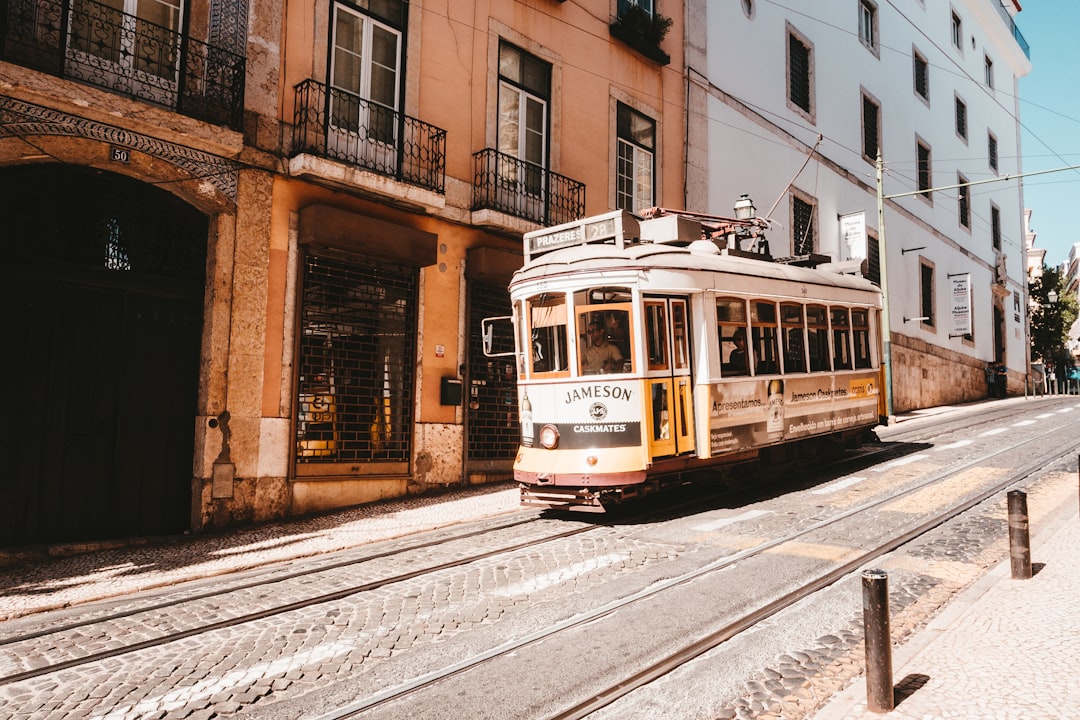
When Jeremy Irons stepped off a train in Lisbon in the 2013 film adaptation of Pascal Mercier’s beloved novel Night Train to Lisbon, he wasn’t just arriving in a new city—he was embarking on a transformative journey through one of Europe’s most enigmatic capitals. The film uses Lisbon’s layered history and atmospheric neighborhoods as much more than a backdrop; the city itself becomes a character in this intellectual mystery. If you’ve watched the film or read Mercier’s novel, and you’re dreaming of retracing Raimundo’s footsteps, this guide will take you through the real locations where this literary adaptation was filmed, offering both cinematic magic and genuine travel inspiration.
The Film: A Story of Transformation and Discovery
Night Train to Lisbon follows Raimundo, a reserved Swiss classics professor who impulsively buys a train ticket to Lisbon after a chance encounter. Once there, he becomes obsessed with finding a mysterious Portuguese woman whose philosophical voice haunts him. What unfolds is a meditation on fate, meaning, and the possibility of transformation at any age. Jeremy Irons brings his characteristic introspective depth to the role, and the film’s visual language—moody, romantic, intellectually curious—perfectly captures the spirit of both the novel and Lisbon itself.
Director Bille August chose Lisbon specifically because the city’s topography, architecture, and atmosphere embody the psychological journey of the protagonist. The winding streets, historic squares, and the interplay of light and shadow across centuries-old buildings create a dreamlike quality that mirrors Raimundo’s internal awakening. For travelers, this means you’re not just visiting a filming location; you’re walking through the same neighborhoods that shaped the film’s emotional resonance.
Filming Locations: Following Raimundo Through Lisbon
São Bento Train Station: The Beginning
Your journey must begin where Raimundo’s begins—at São Bento station (Estação de São Bento), one of Europe’s most architecturally stunning train stations. Located in the Misericórdia neighborhood, this beautiful Belle Époque building opened in 1900 and serves as the actual gateway to Lisbon from the north. The station’s iconic azulejo tiles—blue and white Portuguese ceramic panels—dominate the interior, depicting historical scenes from Portuguese history. These tiles are far more than decorative; they represent the national character that draws Raimundo deeper into his quest.
Practical Information:
- Location: Praça Almeida Garrett, 1100-008 Lisboa
- Getting There: The station is accessible via metro (Red Line, Blue Line)
- What to See: The main hall with its magnificent tile panels, the departure boards, and the architectural details of the neo-Manueline facade
- Best Time to Visit: Early morning (7-9 AM) when natural light streams through the windows, creating that magical quality visible in the film
While you’re at São Bento, take a moment to appreciate the tiles more closely. The azulejos tell stories of Portuguese exploration, royal ceremonies, and daily life. This is your introduction to Portuguese visual culture—the same introduction Raimundo experiences.
Alfama District: The Heart of the Mystery
The neighborhood of Alfama is the true star of Night Train to Lisbon. This ancient district clings to the hills above the Tagus River and is the oldest part of Lisbon, with roots stretching back to Moorish settlement. The film uses Alfama’s maze-like streets, hidden staircases, and sudden viewpoints extensively—Raimundo wanders these streets much like the protagonist searches for meaning, lost and found simultaneously.
The most recognizable sequence involves Raimundo walking through the narrow streets, past laundry hanging between buildings, down stone staircases, and through small squares. To replicate this experience:
Route Through Alfama:
Begin at the Miradouro da Senhora do Monte (Lady of the Mountain Viewpoint)—the highest viewpoint in Lisbon’s old city. From here, you can see the entire Alfama spreading below you, the Tagus River beyond, and the dramatic geography that makes this neighborhood so cinematically compelling. The film uses this aerial perspective to show how isolated and labyrinthine Alfama is.
From here, descend into the neighborhood itself. Rua de São João da Praça is one of the main streets and appears repeatedly in the film. This street connects the upper reaches of Alfama with the waterfront and is lined with traditional restaurants, small shops, and historic buildings. The street itself is uneven, quirky, and thoroughly atmospheric.
Practical Information for Alfama Exploration:
The Carnation Revolution & Portuguese History
Interwoven throughout Night Train to Lisbon is the historical context of the 1974 Carnation Revolution and the decades of Portuguese authoritarian rule that preceded it. Raimundo’s conversations with characters he meets in Lisbon frequently circle around this political upheaval and its consequences. For travelers, understanding this history deepens the film’s resonance.
The Carnation Revolution (Revolução dos Cravos) was a military coup that peacefully overthrew Portugal’s fascist Estado Novo regime. It’s called the “Carnation” Revolution because supporters placed carnations in the soldiers’ rifles. The revolution is commemorated throughout Lisbon, and its impact on Portuguese culture and psychology cannot be overstated.
Related Location:
Visit the Museu da Eletricidade (Power Museum) in Belém or the MAAT (Museum of Art, Architecture and Technology), also in Belém, both of which frequently feature exhibitions exploring Portuguese history and culture. These museums provide context for understanding the historical shadows that haunt Raimundo’s conversations.
Belém: Grandeur and Power
Belém, the district of grand government buildings and historical monuments, serves as a counterpoint to Alfama in the film. Where Alfama is intimate and labyrinthine, Belém is monumental and historically weighted. The district was built to showcase Portuguese imperial power and remains one of Lisbon’s most impressive areas.
Key Locations in Belém:
Jerónimos Monastery (Mosteiro dos Jerónimos): One of the most stunning buildings in Lisbon, this massive late Gothic monastery was built to commemorate Vasco da Gama’s voyage to India. Its architectural grandeur and historical significance make it a filming location for multiple scenes involving Portuguese history and imperial legacy.
Belém Tower (Torre de Belém): This iconic fortress-tower, built in the 16th century to protect Lisbon’s harbor, sits on the banks of the Tagus. It’s one of Portugal’s most recognizable structures and represents the age of exploration central to Portuguese identity.
The Intellectual Landscape: Libraries and Bookshops
Since Raimundo is a classics professor, the film emphasizes intellectual spaces—libraries, bookshops, and lecture halls where ideas are exchanged. While the film doesn’t shoot extensively in specific institutional buildings (many scenes are filmed on set), Lisbon’s actual literary culture is worth experiencing.
Livraria Bertrand (Rua Garrett, 73-75, 1100-205 Lisboa) is the world’s oldest bookstore in continuous operation (since 1732) and captures the intellectual spirit of Lisbon that the film celebrates. Located in the Chiado neighborhood, this multi-story bookstore is architecturally beautiful and packed with Portuguese literature, philosophy, and history books.
The Biblioteca Nacional de Portugal (National Library) is located in Campo Grande and is worth visiting if you want to feel the weight of Portuguese cultural history and see where serious scholarship happens in Lisbon.
The Carnation Revolution Context: Why It Matters
To truly understand Night Train to Lisbon, you need to grasp that this film exists in the shadow of the 1974 Carnation Revolution and its aftermath. The characters Raimundo meets have lived through authoritarianism, censorship, political upheaval, and transformation. The mystery he’s trying to solve isn’t just personal; it’s woven into the fabric of Portuguese history.
The authoritarian Estado Novo regime (1933-1974) suppressed free expression, political opposition, and cultural freedom. The revolution that overthrew it was famously peaceful—soldiers placed carnations in their rifles instead of bullets. But the psychological weight of those 41 years of dictatorship still haunted Portugal in the decades afterward.
For contemporary travelers, visiting Lisbon and watching Night Train to Lisbon offers an opportunity to understand how history shapes a place and its people. The melancholy beauty of Lisbon is not just aesthetic; it’s historical.
Practical Visitor Information
Getting Around Lisbon:
Where to Stay:
For maximum immersion in the film’s geography, consider staying in or near Alfama. The neighborhood has numerous small hotels, guesthouses, and Airbnb options. The Memmo Alfama Hotel offers a luxurious option with sweeping Tagus views, while budget options abound on side streets.
Dining in Alfama:
Small family-run restaurants serve traditional Portuguese food. Try O Fado or Rei dos Frangos for authentic experiences. Order Pastéis de Nata (custard tarts), Sardines assadas (grilled sardines), and Caldo Verde (green soup).
Best Season:
April through June and September through October offer pleasant weather and fewer crowds than summer months. The film uses cool, sometimes grey light effectively; Lisbon is beautiful in any season, but spring and fall provide the most comfortable conditions for extensive walking.
Conclusion: Walk Where Raimundo Walked
Night Train to Lisbon is fundamentally about transformation—about how a chance encounter can change the trajectory of a life, about how a place can reveal things about yourself you didn’t know you needed to discover. By following the filming locations through Lisbon, you’re not just retracing cinematic moments; you’re stepping into the possibility of your own transformation.
Start at São Bento station, wander lost through Alfama’s winding streets, contemplate history in Belém, and sit in a small restaurant nursing ginjinha while the city lights reflect off the Tagus. The film understood something true about Lisbon: that it’s a place designed for intellectual and emotional wandering, for mystery, for surprising revelations in unexpected corners.
The real magic isn’t in finding the exact spots where cameras rolled—it’s in understanding why a filmmaker would choose this city as the setting for a story about awakening and meaning. When you visit, you’ll understand why Jeremy Irons’ character was so captivated by what Lisbon had to teach him.




Leave a Reply